(978) 774-4330

Color is not the first thing most facility managers think about when specifying an epoxy floor system. Performance is. But in commercial and industrial garages, the two are not separate conversations. Garage floor epoxy colors affect visibility, safety, cleanliness perception, and how well a space functions day to day. A light floor shows fluid leaks immediately. A dark floor hides tire marks and scuffs better. The right color choice in the right environment is a practical decision, not just an aesthetic one. For commercial properties and industrial facilities in Warwick, RI and surrounding areas, understanding how color interacts with epoxy systems built for demanding concrete environments is the starting point for a smarter specification.
Here is what you will learn in this guide:
- Why color selection in commercial garage epoxy is a functional decision, not just a visual one
- The 7 most popular garage floor epoxy colors for 2026 and what each is best suited for
- How finish type affects color performance and maintenance
- What to consider before finalizing your color choice for a commercial or industrial garage
- How Warwick, RI and surrounding areas facility owners can pair color and system for the best long-term outcome
Choose the Right Floor Coatings and Color for Your Garage

In residential garages, color selection comes down to personal preference, meanwhile in commercial and industrial garages, the decision carries real operational weight. The color of an epoxy floor system affects how quickly fluid spills are detected, how well the floor holds up visually under heavy use, how much light the space reflects, and whether the installation meets any safety or compliance requirements tied to floor marking and zone definition.
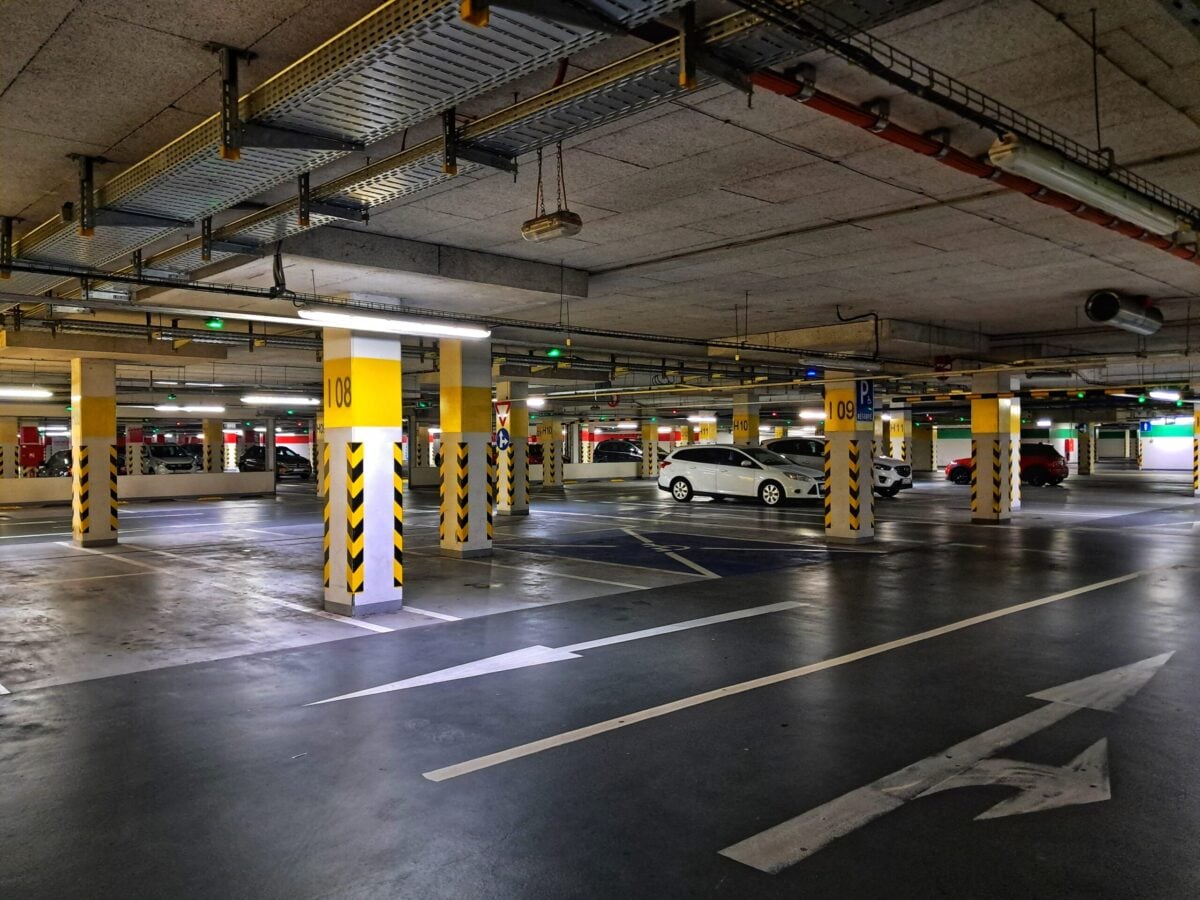
A floor in a busy auto service center that sees daily oil drips, tire rubber, and foot traffic needs a color strategy that accounts for all of those factors. A parking structure in Warwick, RI and surrounding areas that handles high vehicle volume needs a floor color that supports visibility and does not show premature wear in ways that signal deferred maintenance to tenants or customers. Color is one of the first things people register about a space, and in commercial environments, that first impression has real value. Here is why color selection deserves more than a minute of consideration in any commercial epoxy specification:
- Safety and Visibility: Lighter floor colors improve ambient light reflection, which enhances visibility in garages with limited natural light and reduces the risk of missed hazards.
- Leak and Spill Detection: Light and medium-tone floors make fluid leaks, oil drips, and chemical spills immediately visible, which matters in vehicle service environments where early detection prevents slipping and damage.
- Wear Pattern Visibility: Some colors show wear more quickly than others. Understanding this before installation prevents the frustration of a floor that looks tired within its first year of use.
- Zone Definition: Color variation across zones helps define traffic lanes, pedestrian paths, parking stalls, and service areas without additional line marking in some applications.
- Professional Appearance: In customer-facing garages, showrooms, and service centers, a well-chosen floor color signals cleanliness, organization, and professionalism that builds customer confidence.
5 Popular Garage Floor Epoxy Colors for 2026
The colors below represent the most widely specified and requested options for commercial and industrial garage epoxy applications heading into 2026. Each has a distinct performance profile that makes it better suited for certain environments and use cases than others.
1. Light Gray
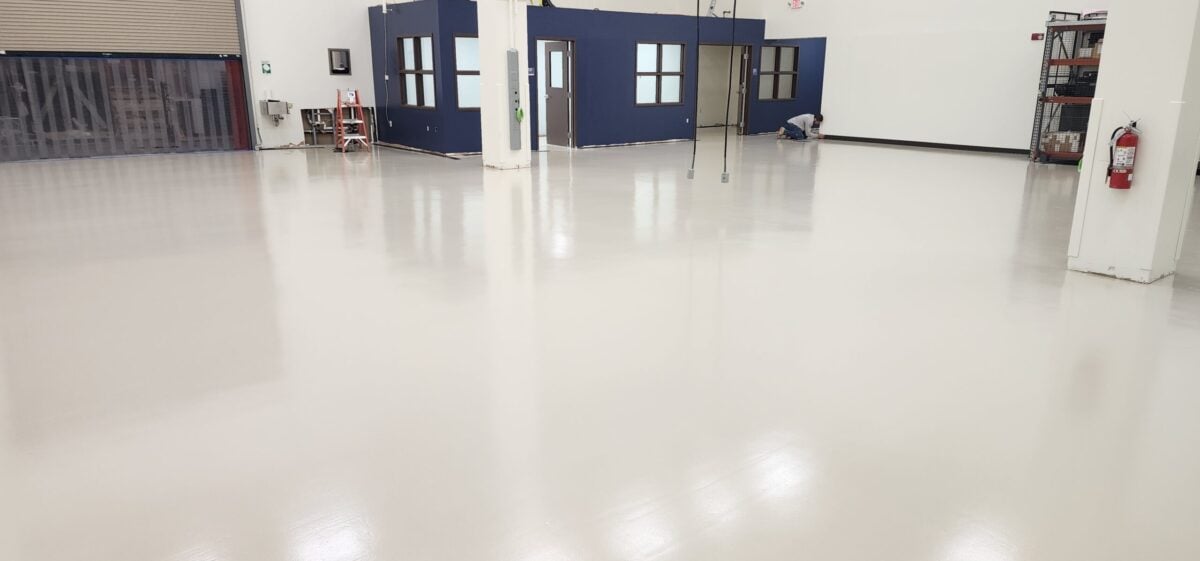
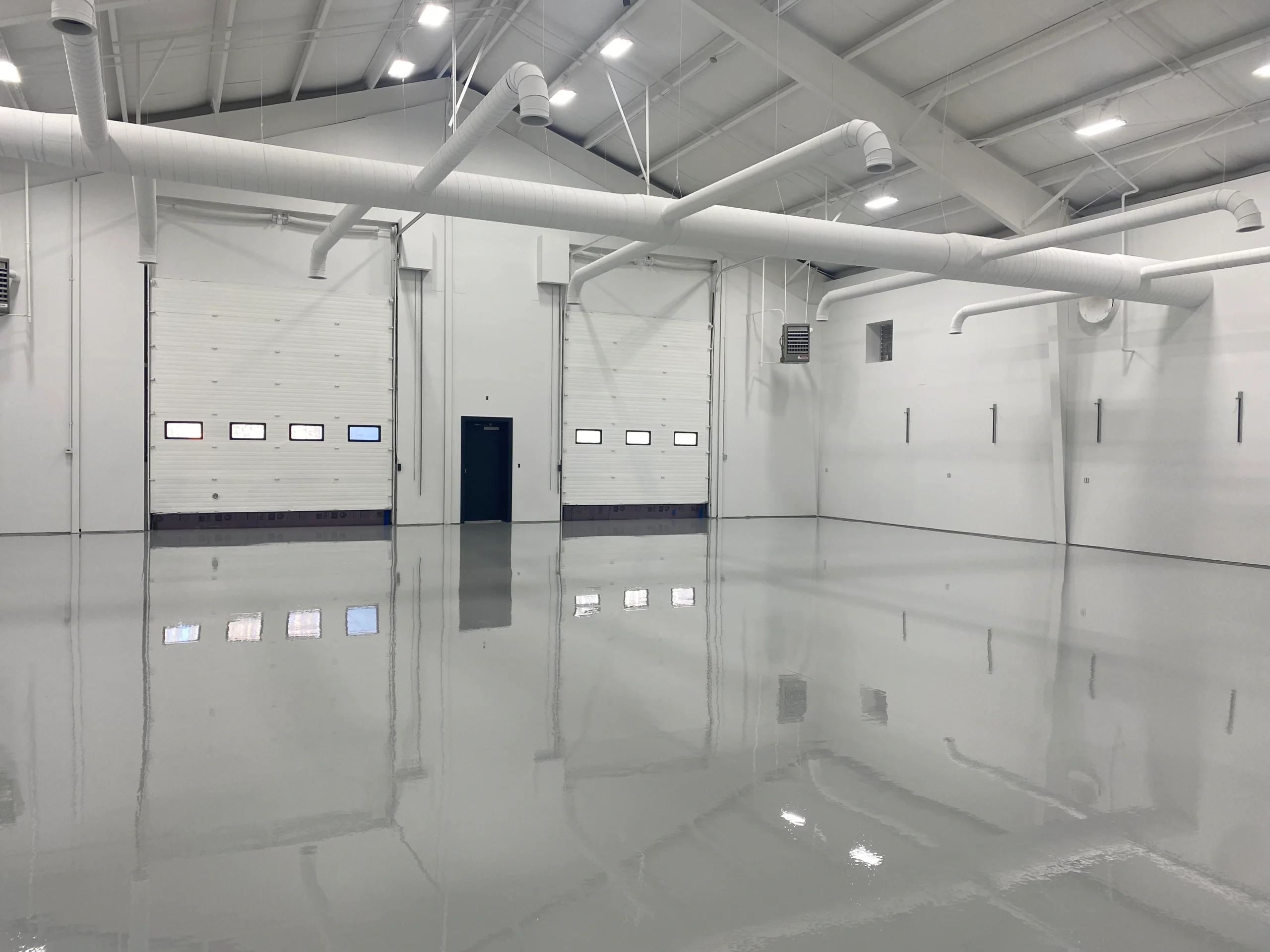
Light gray is the most popular commercial garage epoxy color by a significant margin, and for good reason. It offers a neutral, clean appearance that works in virtually any garage environment, reflects ambient light well, and makes fluid spills immediately visible without being so light that it shows every scuff and tire mark. Light gray epoxy floors read as professional and well-maintained across a wide range of commercial settings.
- Works well in auto dealership service bays, parking structures, and light industrial garages
- Reflects enough light to reduce the need for supplemental lighting in partially enclosed spaces
- Pairs well with decorative flake systems that add texture and visual interest without overpowering the base
2. Medium Gray

Medium gray sits in the practical sweet spot for high-traffic commercial garages where both appearance and durability matter. It hides routine scuffing and light tire marks better than lighter tones while still providing enough contrast to make significant spills visible. For facilities in Warwick, RI and surrounding areas that see consistent daily vehicle traffic, medium gray is one of the most forgiving and lowest-maintenance color choices available.
- Conceals minor surface wear and traffic marks better than light gray without sacrificing cleanliness cues
- Popular in fleet maintenance facilities, municipal garages, and multi-tenant parking structures
- Available in a wide range of aggregate and flake combinations for added slip resistance and texture
3. Tan and Beige
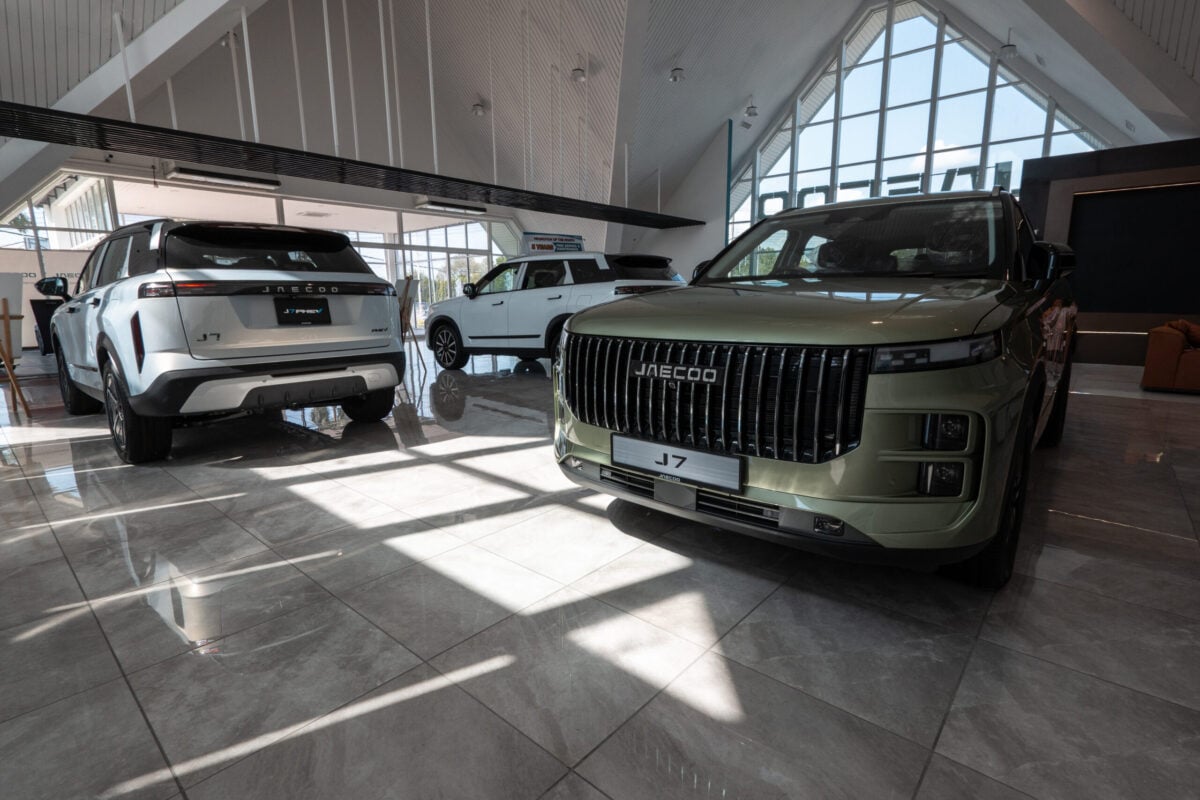
Tan and beige tones are increasingly popular in commercial garage applications where the facility serves a customer-facing function. Auto dealerships, high-end service centers, and mixed-use parking structures often specify warmer neutral tones to align with interior branding and create a more welcoming environment than the industrial feel of standard gray.
- Warmer tone creates a less institutional appearance in customer-visible service areas
- Works well in showroom-adjacent garages where the floor connects visually to the interior space
- Requires consistent maintenance to keep the warmer tone looking clean in high-traffic environments
4. Slate Blue
Slate blue epoxy has grown in commercial popularity as facilities look for ways to differentiate their spaces without sacrificing the professional appearance that neutrals provide. It reads as clean and contemporary, hides certain types of surface contamination well, and has strong visual impact in garages with good lighting.
- Popular in specialty vehicle service facilities, performance garages, and premium service centers
- Hides rubber tire deposits and certain fluid stains better than gray tones of similar value
- Works particularly well with metallic or decorative flake topcoats that enhance the depth of the base color
5. Charcoal and Dark Gray
Charcoal and dark gray epoxy floors are specified in environments where visual wear resistance is the top priority. Darker tones hide surface scuffing, tire marks, and minor contamination far better than lighter colors, making them a practical choice for extremely high-traffic facilities where daily cleaning cannot always keep pace with use.
The trade-off is that dark floors absorb more light and can make a space feel smaller and dimmer. In garages with good overhead lighting, this is a manageable trade-off. In partially enclosed or naturally dark spaces, it becomes a more significant consideration.
- Best suited for fleet yards, high-volume parking structures, and service facilities with heavy daily use
- Requires good overhead lighting to avoid making the space feel closed in or difficult to navigate
- Hides wear patterns for longer but makes fluid leaks and spills harder to detect promptly
How Finish Type Affects Color Performance

The finish applied over the base color coat has as much impact on how the color looks and holds up over time as the color itself. Understanding the relationship between finish type and color performance is an important part of making a specification that delivers the expected result over the full lifecycle of the floor.
- Gloss Finish: High-gloss topcoats intensify color depth and create a reflective surface that looks striking in showroom and display applications. They also show surface marks, footprints, and cleaning streaks more readily, which increases maintenance demands in active-use garages.
- Satin Finish: Satin topcoats balance appearance and practicality well for most commercial garage applications. They enhance color without the high-maintenance demands of a full gloss and hold up better visually through routine daily use.
- Matte Finish: Matte topcoats are less common in garage applications but are occasionally specified in environments where glare reduction is a priority or where a more understated industrial appearance is preferred. They show surface contamination less readily than gloss but can be harder to clean thoroughly.
- UV-Stable Topcoats: For garages with significant natural light exposure through windows, skylights, or open bays, UV-stable polyaspartic or aliphatic urethane topcoats are essential to preserving color accuracy over time. Standard aromatic epoxy topcoats will amber and fade with UV exposure regardless of the original color selected.
What to Consider Before Finalizing Your Color Choice
Color selection for a commercial garage epoxy system should happen after several other decisions have been made, not before them. The environment the floor will operate in, the finish type the system requires, and the maintenance protocol the facility can realistically sustain all narrow the field of practical color choices before personal or brand preference enters the conversation.
Lighting Conditions
The same color reads very differently under warm incandescent lighting, cool LED lighting, and natural daylight. Before finalizing a color, review physical samples under the actual lighting conditions in the space. Color chips and digital swatches are a starting point, not a reliable final reference.
Existing or Planned Safety Markings
If the garage floor will include designated traffic lanes, pedestrian paths, equipment zones, or hazard markings, the base floor color needs to provide sufficient contrast with the marking colors for the markings to be legible. A medium gray base with standard yellow safety markings provides strong visual contrast. A tan base with yellow markings provides much less.
Maintenance Realities
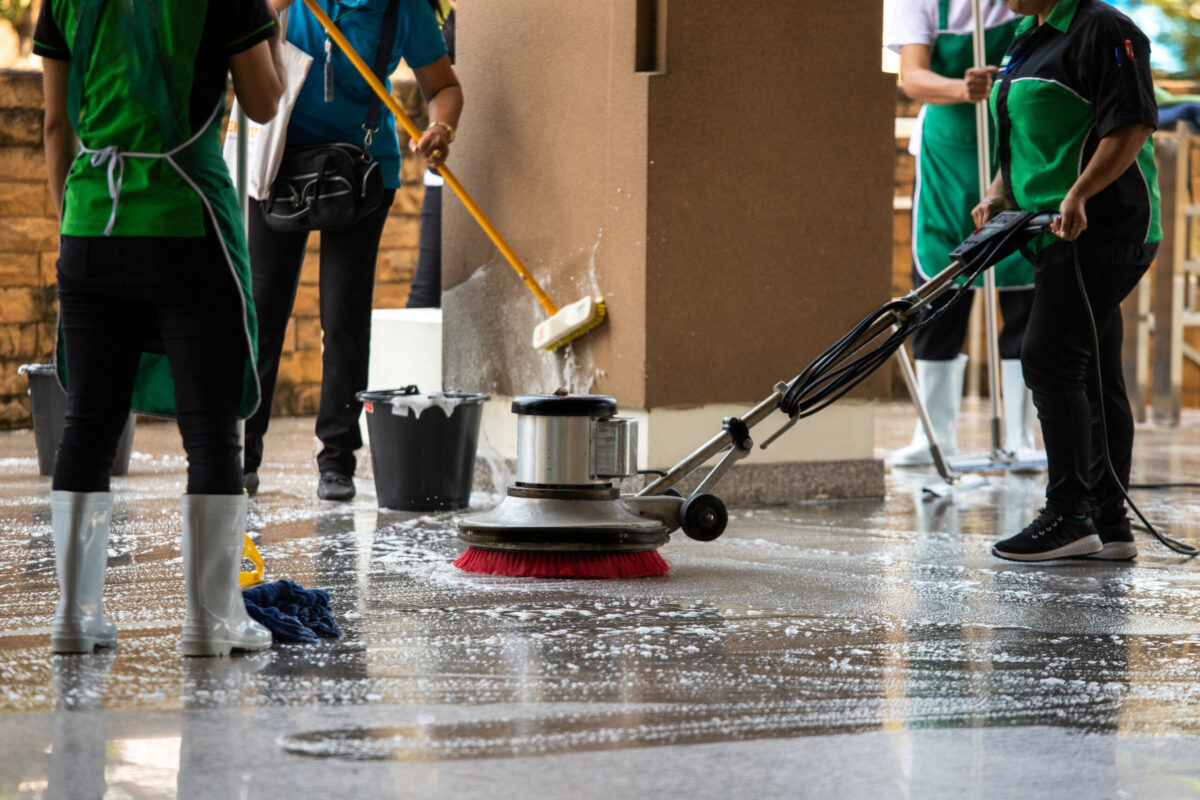
A beautiful white epoxy floor in a fleet maintenance facility is a specification that looks great on paper and fails in practice within months. The color chosen needs to be one that the facility can realistically maintain under its actual operating conditions. Facilities in Warwick, RI and surrounding areas should consider their cleaning frequency, available cleaning equipment, and staff capacity when evaluating whether a high-maintenance color choice is practical.
Brand and Facility Identity
For customer-facing commercial garages, color alignment with brand standards and the overall facility aesthetic is a legitimate consideration. A dealership with a distinctive interior design language benefits from a floor color that complements rather than conflicts with that identity. This is a valid input into the decision, but it should follow the performance and maintenance considerations rather than lead them.
Choose the Right Color and the Right System
Garage floor epoxy colors set the tone for how a commercial space looks and how well it functions for years after installation. The right color in the right system with the right finish can make a garage easier to work in, safer to navigate, and more impressive to anyone who walks through it. The wrong choice creates a floor that looks dated, worn, or unmaintainable before its time.
McLean Company works with commercial and industrial facility owners across New England to specify epoxy systems that deliver on both the performance and appearance side of the equation. If you are planning a garage floor project and want guidance on color selection, system specification, or both, we are ready to help you make a decision that holds up.
Contact us today to discuss your project and get a recommendation built around your facility’s actual needs.