(978) 774-4330

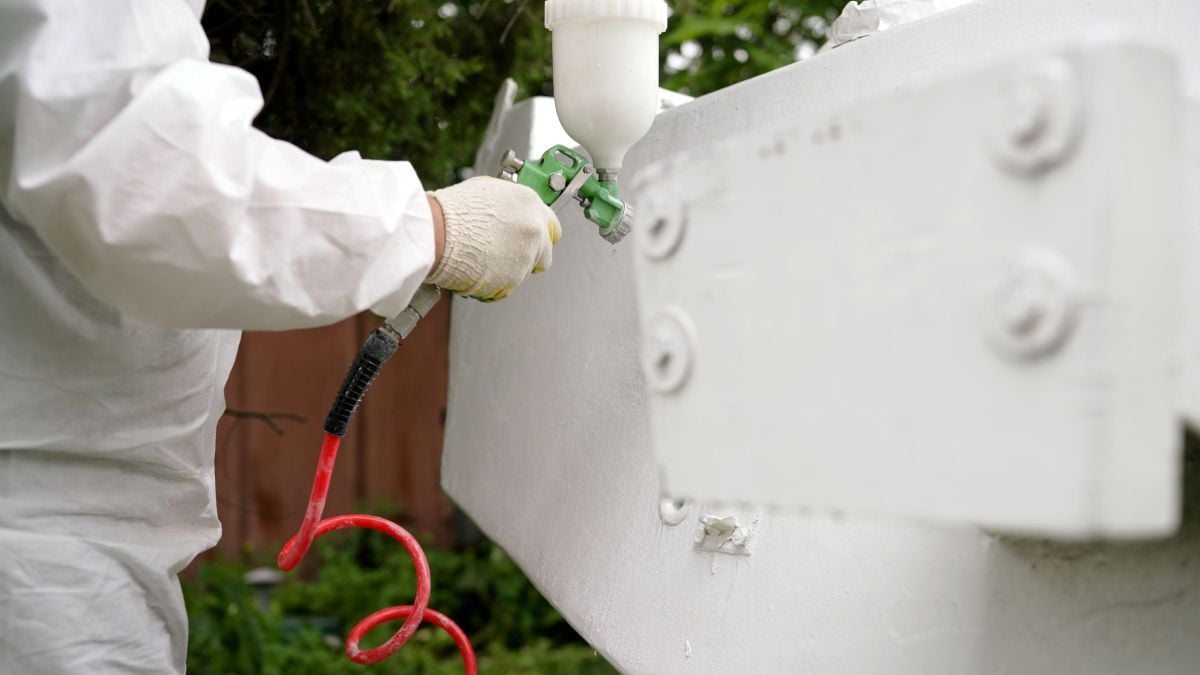
Metal surfaces are everywhere, from railings and doors to structural components and equipment. So, can you paint metal and expect it to last? The answer is yes, but only with the right preparation and coatings. Many property owners look into solutions like protective coating systems designed for demanding metal surfaces to ensure durability and a clean finish that holds up over time.
In this guide, you will learn:
- Why metal requires a different painting approach
- The most important preparation steps
- Which coatings work best for different situations
- Common mistakes to avoid for long-lasting results
Why Painting Metal Requires a Different Approach
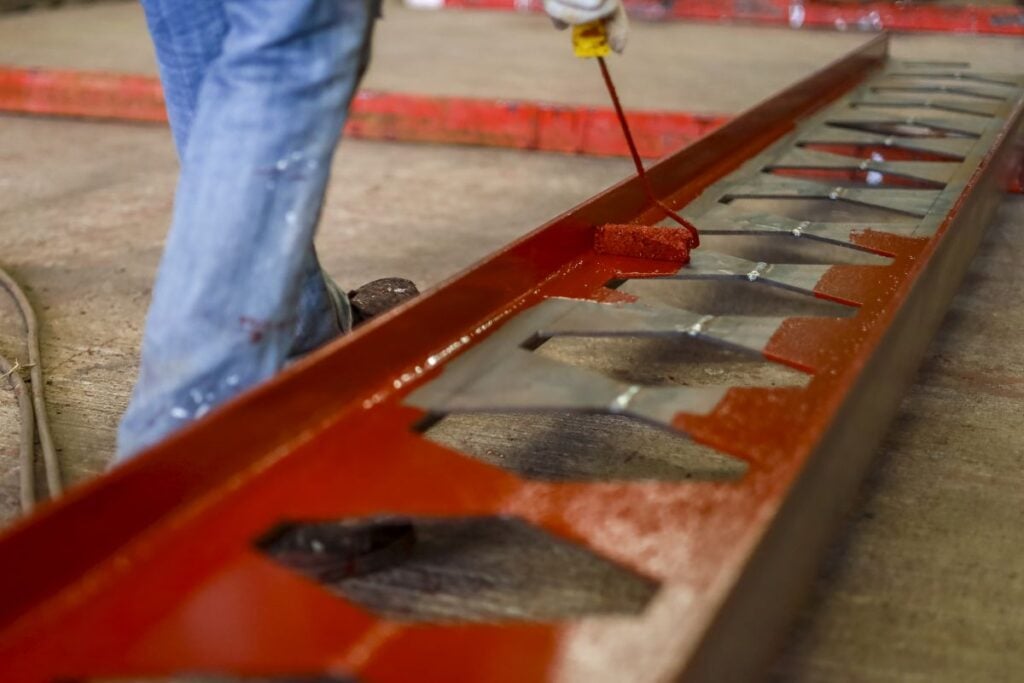
Painting metal is not the same as painting wood or drywall. Metal surfaces are non-porous, which means paint does not naturally absorb into the material. Without proper preparation, coatings can peel, chip, or fail prematurely.
In Waltham, MA and surrounding areas, exposure to moisture, temperature changes, and outdoor conditions can accelerate corrosion. This makes proper preparation and coating selection essential for long-term performance.
Here are the main reasons painting metal correctly matters:
- Corrosion Protection: Proper coatings help prevent rust and surface degradation
- Stronger Adhesion: Correct preparation allows paint to bond effectively
- Improved Appearance: Smooth, even finishes enhance the look of metal surfaces
- Extended Lifespan: Coatings protect against wear and environmental exposure
- Lower Maintenance Needs: Durable finishes reduce the need for frequent repainting
Understanding these factors helps set the foundation for a successful project.
5 Essential Steps to Paint Metal the Right Way
Painting metal successfully requires following a clear process. Each step plays a role in ensuring the coating performs well and lasts over time.
1. Clean the Surface Thoroughly
The first step is removing dirt, grease, and contaminants.
- Use a degreaser or cleaning solution
- Remove dust and debris completely
- Ensure the surface is dry before moving forward
A clean surface allows paint to adhere properly.
2. Remove Rust and Old Coatings
Any existing rust or loose paint must be addressed before applying a new coating.
- Use sandpaper, wire brushes, or blasting methods
- Smooth out uneven areas
- Remove flaking or peeling paint
This step is critical for preventing future issues.
3. Sand or Etch the Surface
Creating a slightly rough texture helps paint bond more effectively.
- Light sanding improves adhesion
- Etching solutions can be used for certain metals
- Ensure a consistent surface profile
This step helps the coating grip the metal surface.
4. Apply a Suitable Primer
Primer acts as a bonding layer between the metal and the topcoat.
- Choose a primer designed for metal surfaces
- Apply evenly to all areas
- Allow proper drying time before painting
Using the right primer improves durability and finish quality.
5. Apply the Final Coating
The final step is applying the paint itself.
- Use thin, even coats
- Allow each coat to dry before applying the next
- Choose a paint designed for your environment
Following these steps helps ensure a smooth and long-lasting result.
Choosing the Right Paint for Metal Surfaces
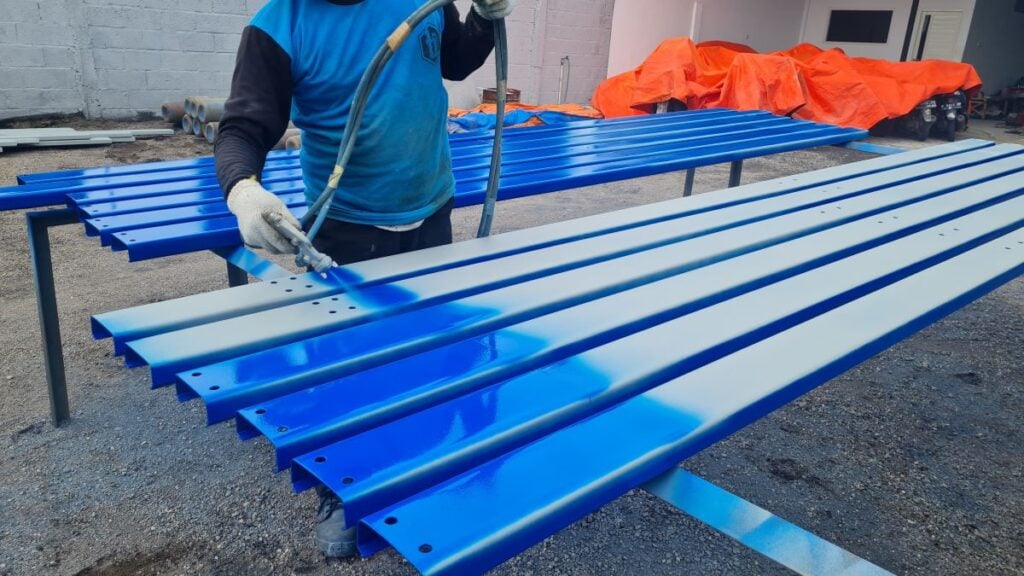
Not all paints are suitable for metal. Selecting the right type is essential for achieving durability and performance.
Oil-Based Paints
Oil-based paints are commonly used for metal due to their durability.
- Provide a strong, long-lasting finish
- Suitable for outdoor and high-use areas
- Require proper ventilation during application
Acrylic Paints
Acrylic paints are water-based and easier to work with.
- Quick drying
- Lower odor
- Suitable for indoor applications
Epoxy Coatings
Epoxy coatings are often used in industrial environments.
- Strong adhesion to metal surfaces
- Excellent durability
- Ideal for heavy-use areas
Polyurethane Coatings
Polyurethane provides a protective top layer.
- Resistant to wear and impact
- Provides a smooth finish
- Often used over other coatings
Comparison of Metal Paint Types
| Paint Type | Best Use Case | Durability | Application Ease |
| Oil-Based | Outdoor metal surfaces | High | Moderate |
| Acrylic | Indoor applications | Moderate | Easy |
| Epoxy | Industrial environments | Very High | Moderate |
| Polyurethane | Protective topcoats | High | Moderate |
Choosing the right paint ensures better results and longer-lasting protection.
Common Challenges When Painting Metal and How to Handle Them
Even with proper preparation, certain challenges can arise when working with metal surfaces. Being aware of these issues helps you address them effectively.
Dealing with Rust
Rust is one of the most common problems when painting metal.
- Remove all rust before painting
- Use rust-inhibiting primers
- Inspect regularly for signs of corrosion
Managing Smooth Surfaces
Metal surfaces can be too smooth for paint to adhere properly.
- Sand or etch the surface
- Use bonding primers
- Apply thin, even coats
Handling Environmental Exposure
Outdoor metal surfaces face additional challenges.
- Protect against moisture and humidity
- Choose weather-appropriate coatings
- Apply coatings in suitable conditions
In Waltham, MA and surrounding areas, seasonal changes make this especially important.
Avoiding Uneven Coverage
Achieving a consistent finish requires proper technique.
- Use high-quality tools
- Maintain even application
- Check for missed spots during the process
Addressing these challenges helps improve overall results.
When to Consider Professional Metal Painting Services
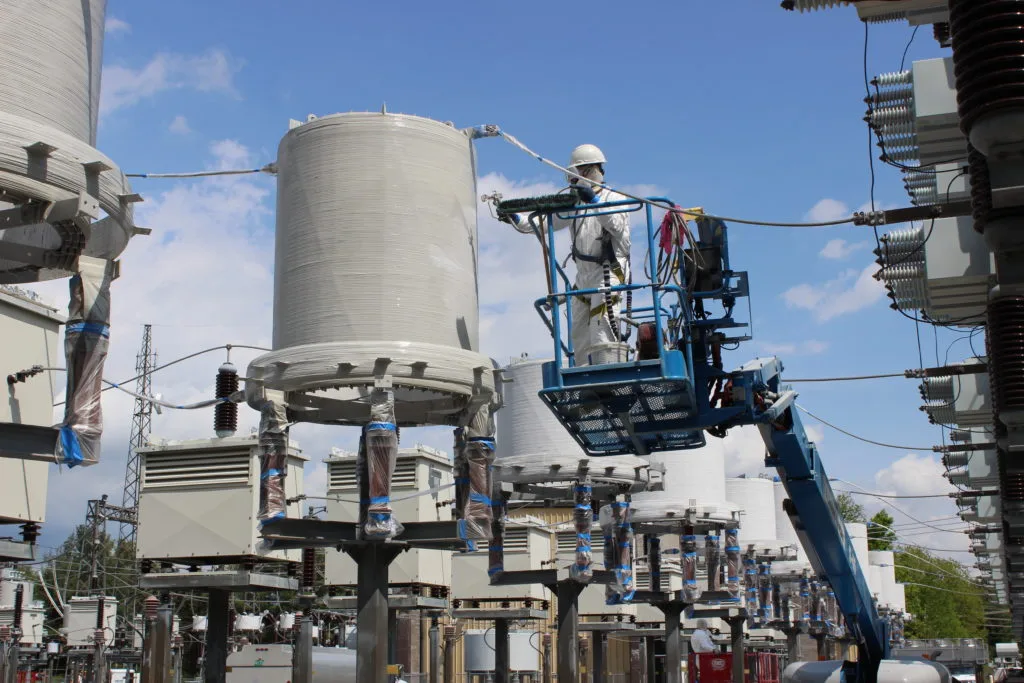
While some projects can be handled independently, others benefit from professional expertise. Larger or more complex metal surfaces often require specialized tools and techniques.
Large-Scale or Industrial Projects
Certain projects demand advanced equipment and experience.
- Structural steel and large components
- Industrial equipment and systems
- High-traffic or high-use environments
Complex Surface Preparation
Professional preparation methods can improve results.
- Abrasive blasting for thorough cleaning
- Advanced surface treatments
- Proper handling of difficult materials
Long-Term Performance Goals
If durability is a priority, professional application can make a difference.
- High-quality materials and coatings
- Consistent application techniques
- Reliable long-term performance
In Waltham, MA and surrounding areas, many property owners choose professional services for efficiency and reliability.
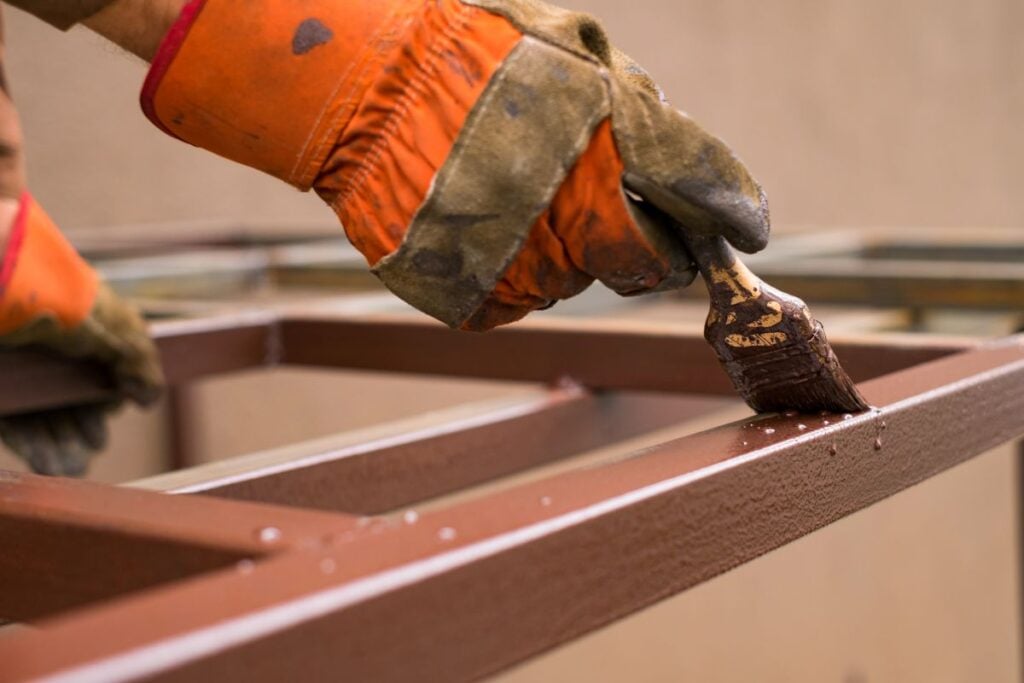
Common Mistakes to Avoid When Painting Metal
Avoiding common mistakes can help ensure a successful project and reduce the need for rework.
Skipping Preparation
Preparation is essential for proper adhesion.
- Leads to peeling or chipping
- Reduces durability
- Affects overall finish quality
Using the Wrong Products
Not all paints are suitable for metal.
- Poor adhesion
- Reduced lifespan
- Inconsistent results
Applying Thick Coats
Heavy application can cause issues.
- Drips and uneven coverage
- Longer drying times
- Reduced finish quality
Ignoring Environmental Conditions
Conditions during application can impact performance.
- Temperature and humidity levels
- Ventilation and airflow
- Exposure to moisture
Avoiding these mistakes helps ensure better results.
Get Durable Results When Painting Metal
Painting metal is absolutely possible, but success depends on proper preparation, the right materials, and careful application. By following the correct steps and choosing suitable coatings, you can achieve a finish that looks great and performs well over time.
For property owners in Waltham, MA and surrounding areas, investing in the right approach can help protect metal surfaces from wear and environmental exposure. Whether you are working on a small project or maintaining larger structures, attention to detail makes a significant difference.
If you want professional results without the guesswork, McLean Company is here to help. Reach out to contact us today to discuss your project and find the best solution for your needs.