(978) 774-4330

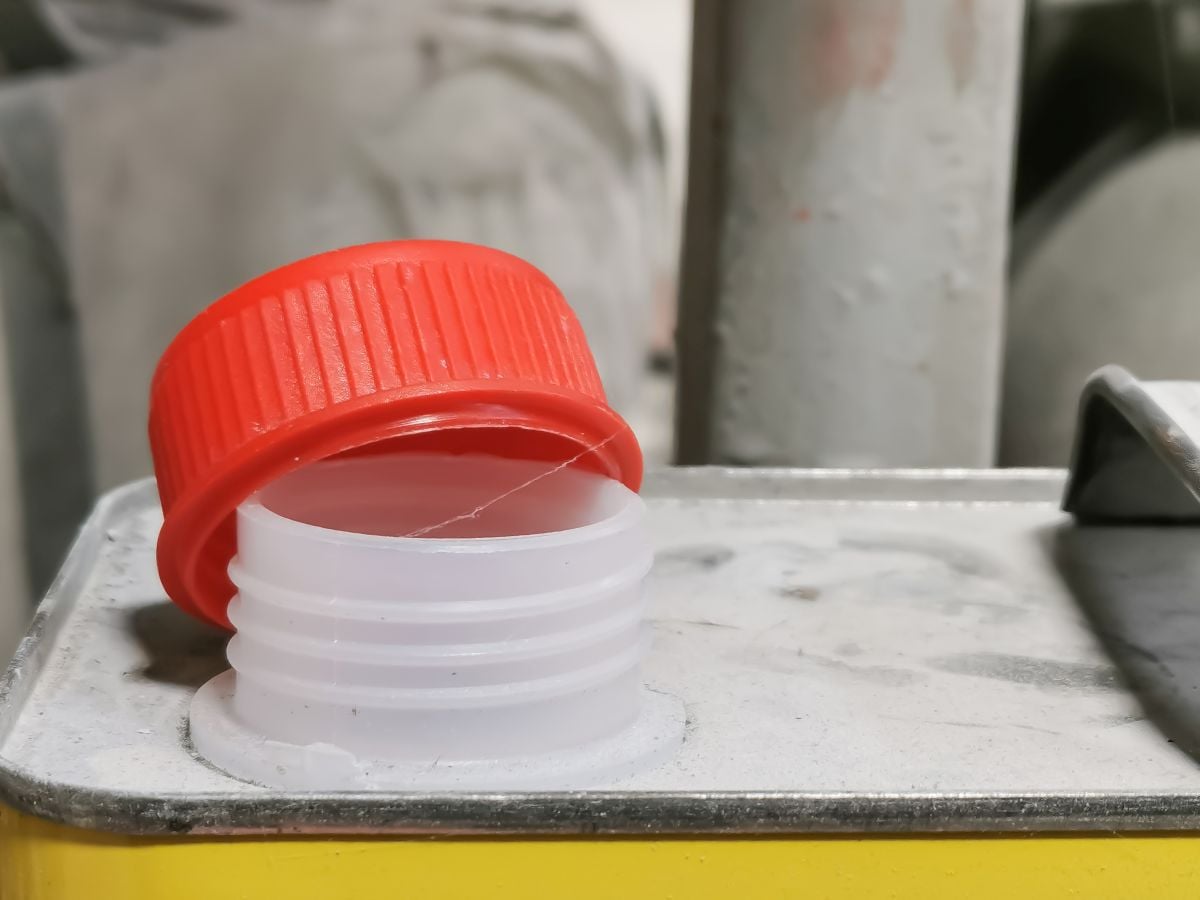
Understanding the products you use during a painting project is just as important as choosing the right paint. So, what is paint thinner and why does it matter? Paint thinner plays a key role in improving application, cleaning tools, and maintaining proper consistency. Many property owners and facility managers rely on solutions like professional coating preparation and application methods for demanding environments to ensure every step, including thinning and cleanup, is done correctly.
In this guide, you will learn:
- What paint thinner is and how it works
- Common uses across residential and industrial projects
- Important safety tips to follow
- How to choose the right type for your needs

Why Understanding Paint Thinner Is Essential Before You Start
Paint thinner is more than just a supporting product. It directly impacts how paint is applied, how it performs, and how easy cleanup will be after the project is complete. Using it correctly can improve results, while misuse can lead to poor finishes or safety concerns.
In Lowell, MA and surrounding areas, where indoor and outdoor projects are common throughout the year, expert painting contractors know how to properly use paint thinner to ensure consistent outcomes regardless of conditions.
Here are the key reasons it matters:
- Improved Application Control: Helps adjust paint consistency for smoother, more even coverage
- Efficient Cleanup: Makes it easier to clean brushes, rollers, and equipment after use
- Better Finish Quality: Reduces brush marks and uneven textures when used correctly
- Extended Tool Life: Proper cleaning prevents buildup and prolongs tool usability
- Versatile Use: Works across a variety of oil-based products and coatings
Understanding these benefits allows you to use paint thinner more effectively.
5 Essential Uses of Paint Thinner in Painting Projects
Paint thinner serves several important purposes throughout a painting project. Knowing when and how to use it can improve both efficiency and results.
1. Adjusting Paint Consistency
Paint thinner is often used to make paint easier to apply.
- Reduces thickness for smoother flow
- Helps prevent brush and roller marks
- Improves coverage on detailed surfaces
This is especially useful when working with oil-based paints that may be too thick straight from the can.
2. Cleaning Painting Tools
One of the most common uses of paint thinner is cleaning tools after use.
- Removes paint from brushes and rollers
- Prevents hardened buildup
- Keeps tools ready for future projects
Proper cleaning also helps maintain the quality of your equipment.
3. Removing Paint Spills and Stains
Paint thinner can help clean up accidental spills.
- Dissolves oil-based paint quickly
- Works on surfaces like metal or concrete
- Helps restore areas affected by drips or splatters
It is important to test on a small area first to avoid damage.
4. Preparing Surfaces Before Painting
In some cases, paint thinner is used to clean surfaces before applying paint.
- Removes grease and oil residue
- Helps improve paint adhesion
- Ensures a clean base for coating
This step is especially important for industrial or high-use surfaces.
5. Restoring Old or Thickened Paint
Over time, paint can become thick and difficult to use.
- Paint thinner can help restore workable consistency
- Reduces waste by making old paint usable again
- Allows for smoother application
This can be a cost-effective way to extend the life of your materials.

Types of Paint Thinner and When to Use Each One
Not all paint thinners are the same. Different types are designed for specific applications and materials.
Understanding these options helps you choose the right product for your project.
Mineral Spirits
Mineral spirits are one of the most commonly used paint thinners.
- Suitable for oil-based paints
- Less odor compared to some alternatives
- Effective for cleaning and thinning
Turpentine
Turpentine is a traditional paint thinner derived from natural sources.
- Strong solvent for oil-based paints
- Often used in artistic applications
- Has a noticeable odor
Lacquer Thinner
Lacquer thinner is a more powerful option used for specific coatings.
- Designed for lacquer-based products
- Fast-acting and highly effective
- Not suitable for all paint types
Comparison of Paint Thinner Types
| Type | Best Use Case | Strength | Odor Level |
| Mineral Spirits | General use and cleanup | Moderate | Low |
| Turpentine | Oil-based paints | Strong | High |
| Lacquer Thinner | Lacquer coatings | Very High | High |
Choosing the right type ensures better performance and safer use.
Safety Tips to Follow When Using Paint Thinner
While paint thinner is useful, it must be handled carefully. Proper safety practices help prevent accidents and health risks.
Taking precautions ensures a safer working environment.
Work in a Well-Ventilated Area
Ventilation is essential when using paint thinner.
- Open windows and doors
- Use fans to improve airflow
- Avoid enclosed spaces without ventilation
Wear Protective Gear
Protecting yourself reduces exposure to harmful fumes and contact.
- Use gloves to protect your skin
- Wear safety glasses to shield your eyes
- Consider a mask if working indoors
Store Properly
Proper storage helps prevent accidents.
- Keep containers tightly sealed
- Store in a cool, dry place
- Keep away from heat or open flames
Dispose of Safely
Paint thinner should not be disposed of improperly.
- Follow local disposal guidelines
- Avoid pouring down drains
- Use designated hazardous waste facilities
In Lowell, MA and surrounding areas, following local regulations is especially important for safe disposal.
Common Mistakes to Avoid When Using Paint Thinner
Even experienced users can make mistakes that affect results or safety. Being aware of these issues helps you avoid problems.
Using Too Much Thinner
Adding too much thinner can weaken paint.
- Reduces coverage quality
- Affects durability
- Leads to uneven finishes
Using the Wrong Type
Not all thinners work with every paint.
- Can damage the paint formula
- Leads to poor application
- May cause adhesion issues
Ignoring Safety Guidelines
Skipping safety precautions can lead to health risks.
- Exposure to fumes
- Skin irritation
- Fire hazards
Poor Storage Practices
Improper storage can create dangerous conditions.
- Risk of spills or leaks
- Increased fire risk
- Reduced product effectiveness
Avoiding these mistakes helps ensure better results and safer use.

When to Use Paint Thinner Versus Alternatives
In some cases, alternatives to paint thinner may be more appropriate. Understanding when to use each option helps you choose the best approach.
Water-Based Paint Projects
Water-based paints typically do not require paint thinner.
- Use water for thinning and cleanup
- Easier to handle and clean
- Lower odor and fewer safety concerns
Specialty Cleaning Products
Certain cleaning tasks may require specialized products.
- Designed for specific surfaces
- May be safer for certain applications
- Often easier to use
Professional Services
For larger or more complex projects, professional support can be beneficial.
- Ensures proper handling of materials
- Provides consistent results
- Reduces risk of mistakes
In Lowell, MA and surrounding areas, many property owners choose professional services for efficiency and reliability.
Get Better Results with the Right Knowledge and Support
Understanding what paint thinner is and how to use it properly can make a significant difference in your painting projects. From improving application to simplifying cleanup, it plays an important role in achieving a smooth, professional finish.
For property owners in Lowell, MA and surrounding areas, using the right techniques and materials helps ensure consistent, long-lasting results. Whether you are working on a small project or maintaining a larger space, attention to detail is key.
If you want expert guidance and reliable results, McLean Company is here to help. Reach out to contact us today to discuss your project and find the best solutions for your needs.