(978) 774-4330

Metal surfaces in commercial and industrial environments face constant exposure to moisture, chemicals, and changing temperatures that can lead to corrosion over time. Choosing the right rust inhibitor helps protect valuable equipment, structural steel, and facility surfaces from premature deterioration and costly repairs. Whether you manage a warehouse, manufacturing facility, or processing plant, investing in long term corrosion protection is critical for maintaining safe and efficient operations. Businesses throughout Hartford, CT and surrounding areas often rely on durable coating systems designed for high performance environments to help extend the life of metal surfaces.
In this guide, you’ll learn:
- Why rust inhibitors are important for commercial and industrial facilities
- The most effective types of rust inhibitors available today
- How corrosion protection systems help extend metal lifespan
- Common signs that metal surfaces need preventative treatment
- What to consider when selecting rust prevention solutions
Why Rust Inhibitors Matter for Industrial and Commercial Facilities

Rust and corrosion can quietly compromise the strength, appearance, and performance of metal surfaces over time. Without proper protection, steel structures, equipment, piping, and industrial components become vulnerable to moisture damage and oxidation.
Facility managers who prioritize corrosion prevention often save significant money over the long term by avoiding major structural repairs, equipment replacement, and operational downtime.
- Longer Equipment Lifespan: Rust inhibitors help preserve valuable metal surfaces and equipment for years longer.
- Reduced Maintenance Costs: Preventative corrosion control minimizes expensive repairs and replacement projects.
- Improved Safety: Corrosion can weaken structural integrity and create hazards in active industrial environments.
- Better Appearance: Well maintained facilities project a cleaner and more professional image.
- Protection Against Moisture: High quality inhibitors create a barrier against water, humidity, and environmental exposure.
Facilities throughout Hartford, CT and surrounding areas often deal with seasonal moisture, snow, and humidity that accelerate corrosion on exposed metal surfaces. Investing in rust prevention helps facilities maintain durability despite challenging environmental conditions.
5 Rust Inhibitor Types That Extend Metal Life
Not every corrosion prevention product works the same way. Different rust inhibitors are designed for specific environments, metal types, and exposure conditions.
Choosing the right system depends on factors such as moisture exposure, chemical contact, abrasion, and temperature changes.
1. Oil Based Rust Inhibitors
Oil based inhibitors create a protective film over metal surfaces that helps block moisture and oxygen from reaching the metal.
These inhibitors are commonly used for:
- Machinery components
- Industrial tools
- Equipment storage
- Moving metal parts
- Temporary corrosion protection
Oil based systems are often favored because they penetrate small crevices and provide flexible protection against moisture.
Benefits include:
- Easy application
- Good moisture resistance
- Flexible protective barrier
- Effective for short and medium term protection
These products are frequently used in industrial facilities where equipment experiences regular handling or changing environmental conditions.
2. Epoxy Coating Systems
Epoxy coatings are one of the most durable rust protection options available for industrial and commercial environments.
These coatings create a hard protective layer that resists moisture, chemicals, and abrasion.
Epoxy systems are commonly used on:
- Structural steel
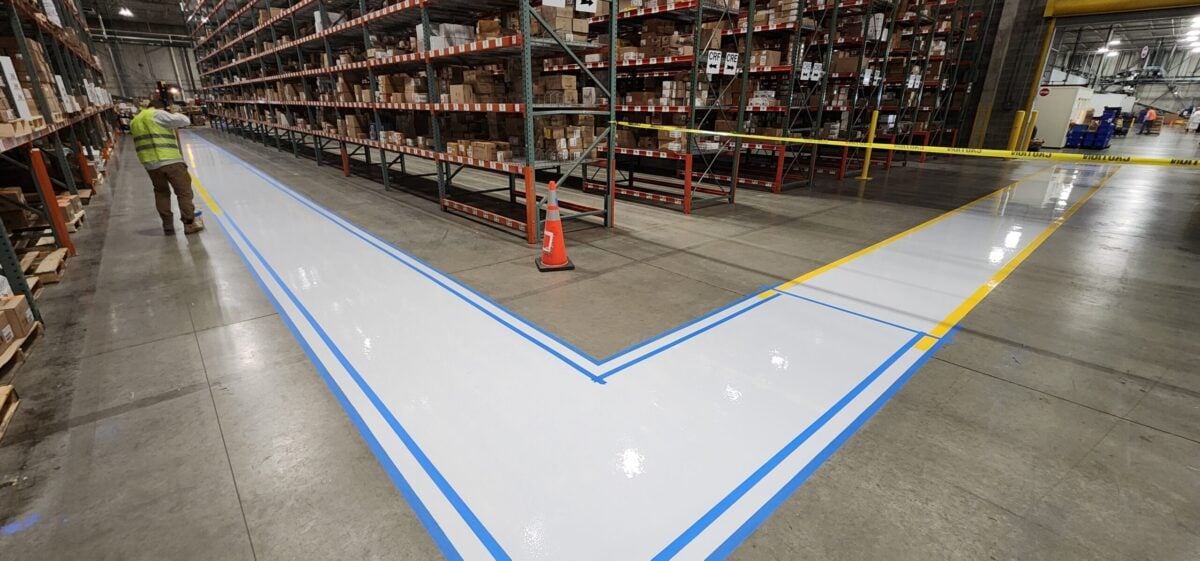
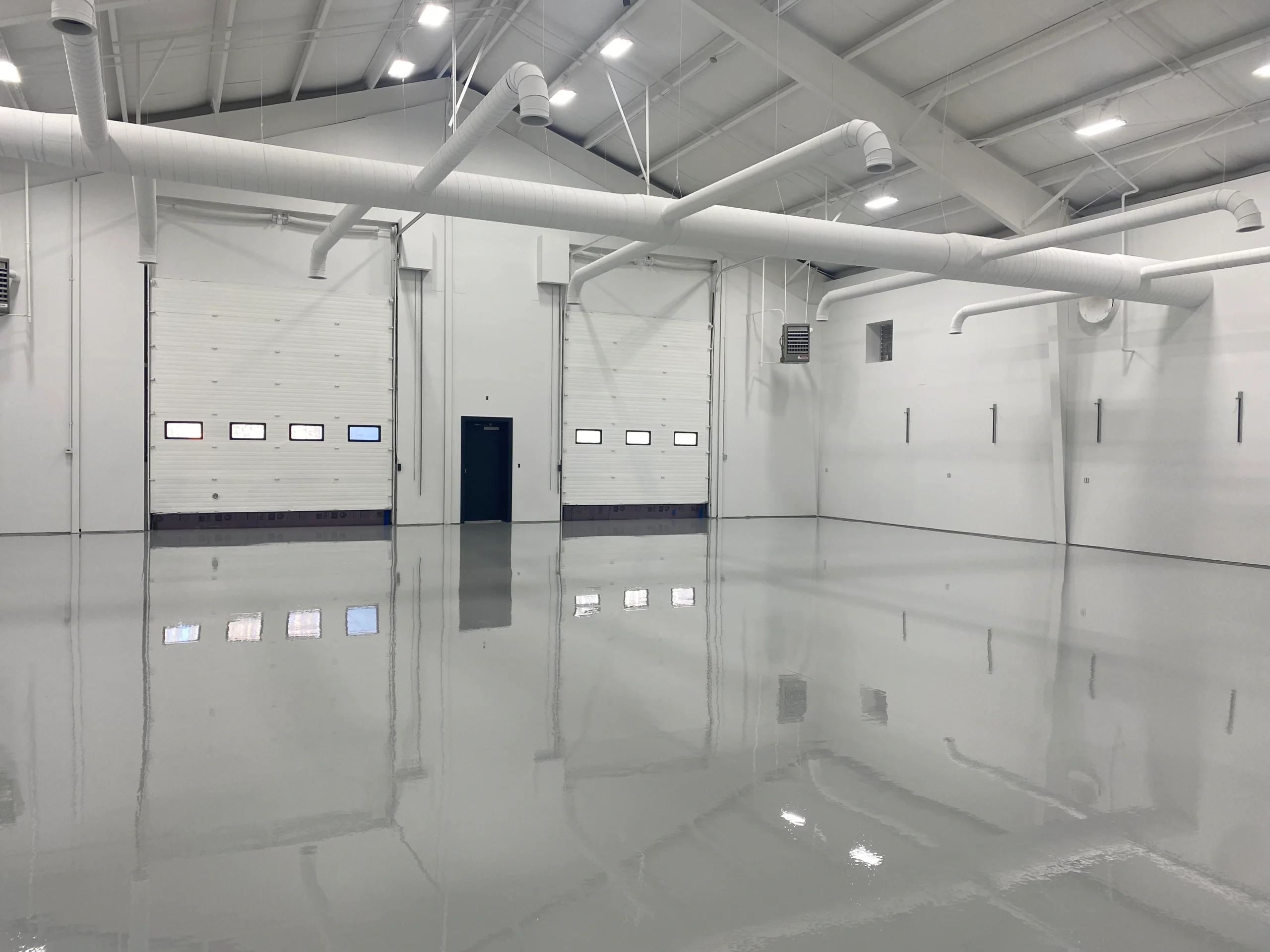
- Industrial floors
- Metal tanks
- Warehouse surfaces
- Manufacturing equipment
Advantages of epoxy coatings include:
- Excellent adhesion
- Strong chemical resistance
- Long lasting durability
- Reduced surface wear
- Easy maintenance
Businesses in Hartford, CT and surrounding areas often invest in epoxy systems because they perform well in facilities exposed to heavy traffic and demanding operating conditions.
3. Zinc Rich Primers
Zinc rich primers provide corrosion protection by sacrificing themselves before the underlying steel begins to rust. This process is commonly referred to as galvanic protection.
These primers are frequently used in industrial and marine environments where metal surfaces experience constant exposure to moisture.
Zinc rich systems are ideal for:
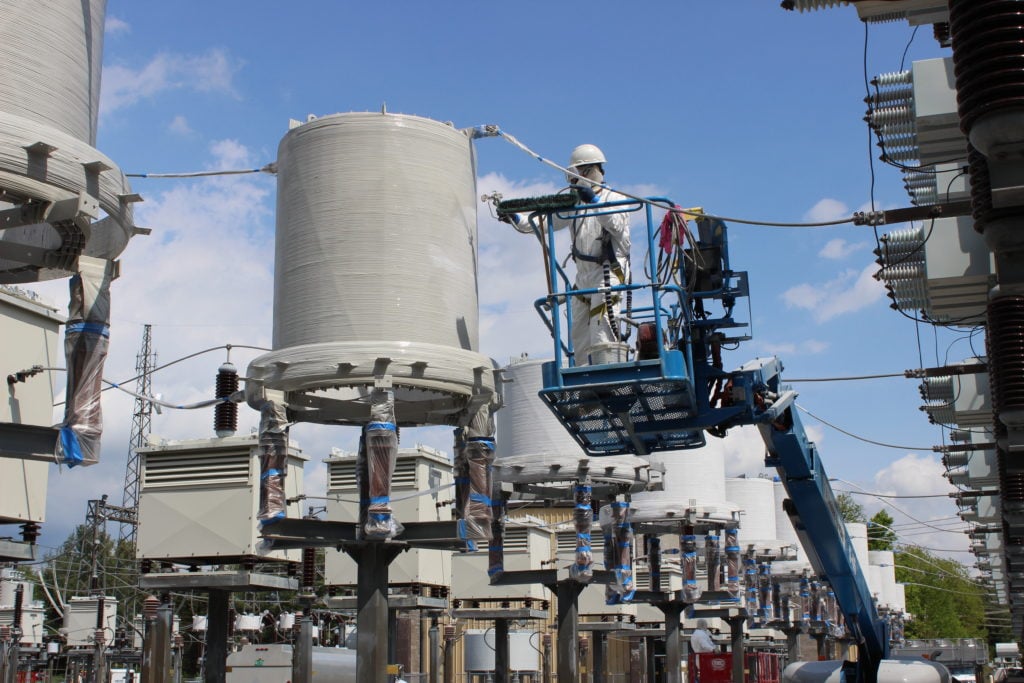
- Structural steel
- Bridges and supports
- Exterior metal surfaces
- High humidity environments
- Industrial infrastructure
Key benefits include:
- Strong corrosion resistance
- Excellent adhesion properties
- Long term metal protection
- Compatibility with industrial topcoats
Professional contractors often recommend zinc systems for facilities that require maximum durability and extended coating life.
4. Urethane Protective Coatings
Urethane coatings are commonly applied as protective topcoats over primer systems. They provide additional durability while improving UV resistance and abrasion protection.
These coatings work well for:
- Exterior steel surfaces
- High traffic areas
- Equipment exposed to sunlight
- Metal structures requiring color retention
Benefits of urethane systems include:
- Excellent UV stability
- Resistance to scratching and abrasion
- Strong weather performance
- Long lasting finish appearance
Urethane systems are often paired with epoxy or zinc primers to create complete industrial coating systems.
Common Causes of Rust and Corrosion

Understanding what causes corrosion helps property owners and facility managers take preventative action before serious damage develops.
Rust forms when metal is exposed to oxygen and moisture over time, but several environmental factors can accelerate the process.
Moisture Exposure
Water is one of the leading causes of corrosion. Leaks, humidity, condensation, and standing water all contribute to rust formation.
Facilities with poor drainage or ventilation often experience faster corrosion growth.
Chemical Exposure
Industrial facilities frequently use chemicals that can weaken protective coatings and accelerate corrosion.
Common corrosion related chemicals include:
- Cleaning agents
- Industrial solvents
- Salt exposure
- Acids
- Harsh manufacturing byproducts
Temperature Changes
Repeated heating and cooling cycles can cause coatings to expand and contract, eventually leading to cracking or coating failure.
Once coatings become damaged, moisture can reach the metal surface and begin the corrosion process.
Poor Surface Preparation
Improper preparation before painting or coating application is one of the most common causes of premature coating failure.
If rust, grease, or contaminants remain on the surface, coatings may not bond properly.
Aging Coating Systems
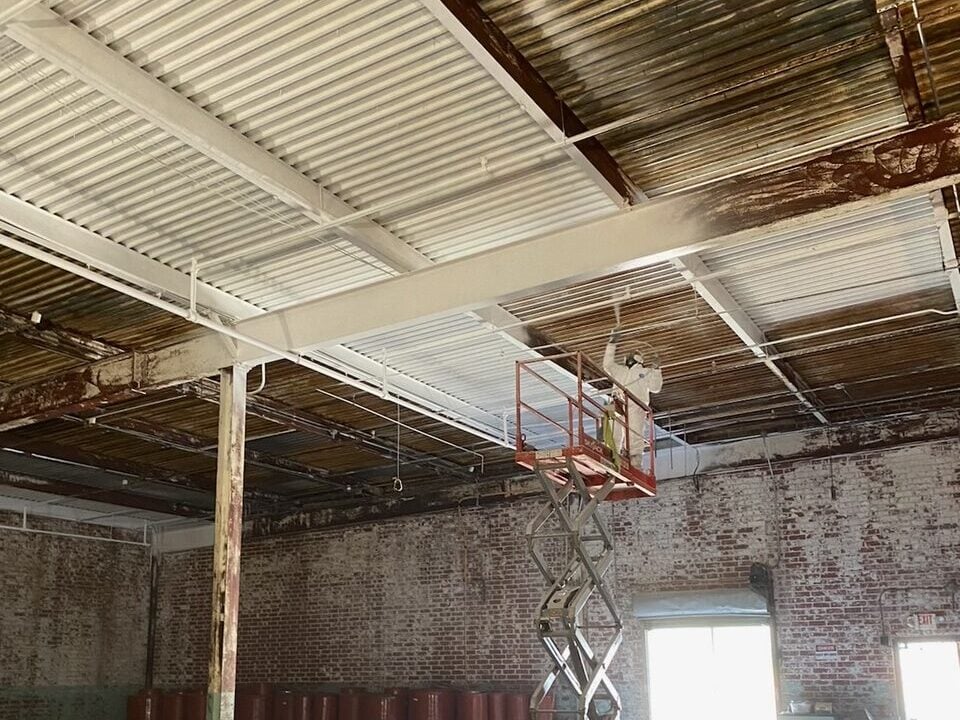
Even high quality coating systems eventually wear down over time. Aging coatings may fade, crack, or lose adhesion, leaving surfaces vulnerable to corrosion.
Routine inspections help identify when maintenance or recoating is necessary.
How to Prevent Rust Before It Spreads
Preventative maintenance is one of the most effective ways to protect metal surfaces from long term corrosion damage. Addressing small issues early often prevents much larger and more expensive repairs later.
Facilities that invest in proactive rust prevention typically experience lower maintenance costs and longer equipment lifespan.
Schedule Routine Inspections
Regular inspections help identify corrosion before it becomes severe.
Areas that should be inspected frequently include:
- Structural steel
- Roof systems
- Exterior metal surfaces
- Equipment supports
- High moisture environments
Early detection allows businesses to repair coatings before corrosion spreads.
Keep Surfaces Clean
Dirt, salt, grease, and chemical buildup can trap moisture against metal surfaces.
Routine cleaning helps remove contaminants that contribute to corrosion.
Repair Damaged Coatings Quickly
Small coating failures can quickly turn into larger corrosion problems.
Touch up repairs and spot maintenance help preserve protective barriers and extend coating performance.
Improve Moisture Control
Reducing moisture exposure is critical for long term corrosion prevention.
Property owners should address:
- Roof leaks
- Drainage problems
- Condensation issues
- Ventilation concerns
- Water intrusion near metal surfaces
Facilities throughout Hartford, CT and surrounding areas often benefit from moisture management strategies due to seasonal weather and humidity fluctuations.
Comparing Popular Rust Protection Solutions
Different rust protection systems offer different levels of durability, maintenance, and environmental resistance.
The table below compares several common corrosion protection solutions used in industrial and commercial facilities.
| Rust Protection Solution | Best Used For | Main Advantage |
| Oil Based Inhibitors | Equipment and moving parts | Flexible moisture protection |
| Epoxy Coatings | Industrial floors and steel | Excellent durability and chemical resistance |
| Zinc Rich Primers | Structural steel | Long term corrosion prevention |
| Urethane Coatings | Exterior surfaces | UV resistance and abrasion protection |
| Vapor Phase Inhibitors | Enclosed equipment | Protection in hard to reach spaces |
Selecting the right solution depends on environmental conditions, exposure risks, and long term maintenance goals.
Why Professional Application Matters
Even the best rust inhibitor products can fail if they are applied incorrectly.
Professional industrial contractors understand how to evaluate:
- Surface condition
- Environmental exposure
- Coating compatibility
- Proper preparation methods
- Long term maintenance requirements
Experienced contractors also help ensure coatings are applied according to manufacturer specifications for maximum performance.
The Risks of Delaying Corrosion Protection
Waiting too long to address corrosion often results in higher repair costs and greater structural damage.
Untreated rust can lead to:
- Structural weakening
- Equipment failure
- Increased downtime
- Safety concerns
- Premature replacement costs
- Expensive restoration projects
Proactive corrosion prevention helps businesses protect their investments and avoid unnecessary operational disruptions.
Choosing the Right Rust Inhibitor for Your Facility

Every industrial or commercial facility faces different environmental conditions and operational demands. Choosing the right rust inhibitor requires evaluating the type of metal, moisture exposure, chemical contact, and long term maintenance goals.
Working with experienced professionals helps ensure property owners select the most effective protection systems for their facility.
Consider Environmental Exposure
Facilities exposed to high humidity, moisture, or chemicals often require more durable coating systems.
Exterior surfaces may need UV resistant topcoats, while interior manufacturing environments may require chemical resistant coatings.
Evaluate Maintenance Expectations
Some rust prevention systems require more frequent maintenance than others.
Property owners should consider:
- Expected coating lifespan
- Maintenance schedules
- Cleaning requirements
- Future touch up needs
Focus on Long Term Value
The least expensive option is not always the best investment.
Higher quality coatings and proper preparation often provide significantly longer protection, reducing future repair and maintenance expenses.
Partner With Experienced Contractors
Industrial corrosion protection requires specialized knowledge and application methods.
An experienced contractor can recommend systems designed specifically for the facility’s operating conditions and long term goals.
Protect Metal Surfaces With Long Lasting Corrosion Control
Rust and corrosion can shorten the life of valuable equipment, structural steel, and industrial surfaces when left untreated. Investing in the right rust inhibitor systems helps facilities maintain safer operations, reduce maintenance costs, and protect long term property value.
McLean Company has been helping commercial and industrial clients throughout New England protect their facilities since 1979 with dependable workmanship, responsive service, and durable coating solutions built for demanding environments. If your facility is dealing with corrosion concerns or aging metal surfaces, contact us today to discuss your project and learn how McLean Company can help protect your investment.