(978) 774-4330

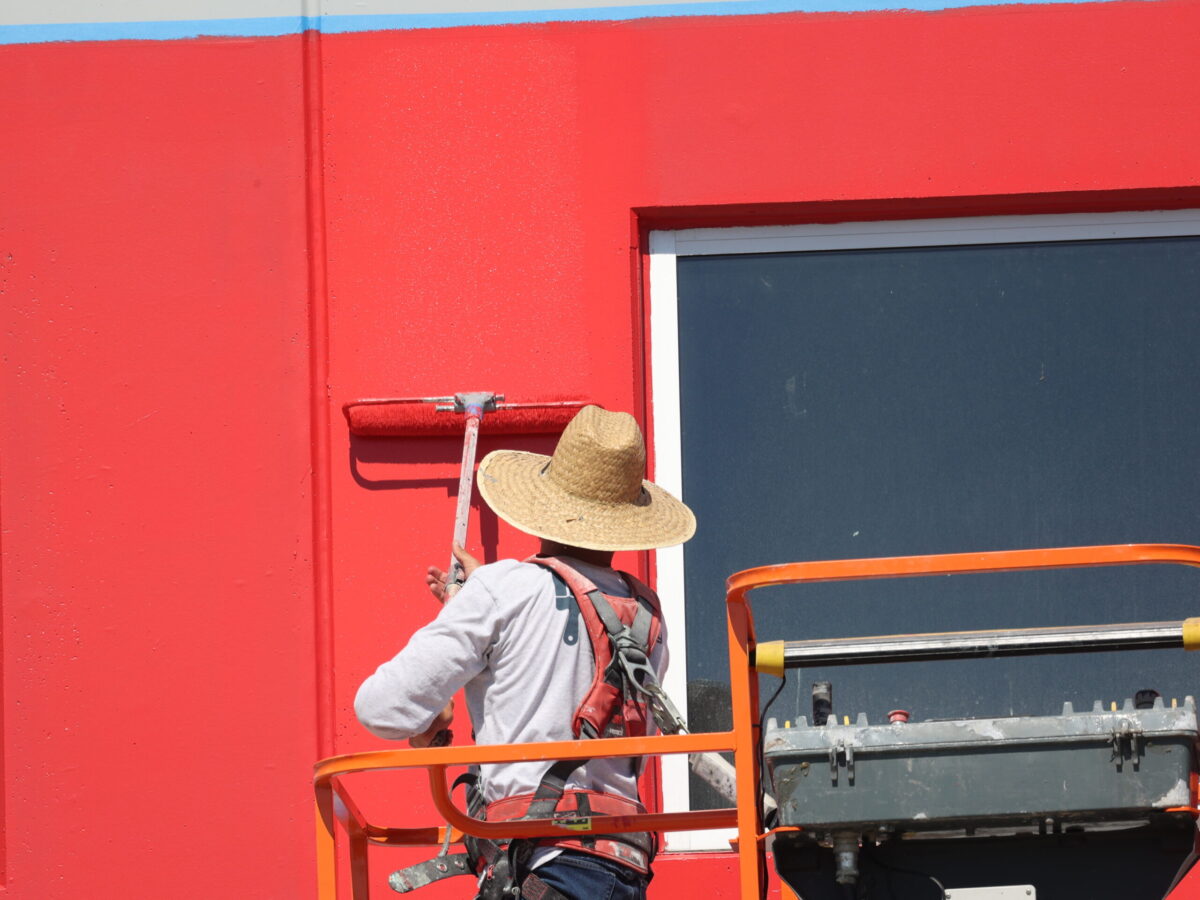
Industrial facilities take constant wear from moisture, chemicals, heavy equipment, and daily production demands. Investing in the right industrial painting services helps protect surfaces, reduce long term maintenance costs, and keep operations running safely and efficiently. Whether you manage a warehouse, manufacturing facility, or processing plant, working with experienced professionals who understand coatings, corrosion control, and surface preparation can make a major difference. Businesses throughout Boston, MA and surrounding areas rely on durable solutions that keep facilities protected and looking professional year after year.
In this guide, you’ll learn:
- Which industrial painting services provide the most long term value
- How protective coatings help reduce downtime and costly repairs
- What products are commonly used in industrial environments
- How to identify signs your facility needs repainting or restoration
- What to look for when choosing an industrial painting contractor
Why Industrial Painting Matters for Commercial Facilities

Industrial painting is about much more than appearance. In demanding environments, paint systems and protective coatings serve as a first line of defense against corrosion, water intrusion, chemical exposure, and structural deterioration. Without the right protection in place, facilities can experience costly repairs, safety concerns, and operational interruptions.
For facility managers and property owners, proactive maintenance often costs significantly less than emergency restoration work. High quality coatings help extend the life of surfaces while maintaining a cleaner, safer, and more professional environment.
- Corrosion Protection: Industrial coatings help shield metal surfaces, piping, tanks, and structural steel from rust and deterioration.
- Reduced Downtime: Proper surface preparation and durable coating systems minimize frequent repairs and interruptions to daily operations.
- Improved Safety: Slip resistant flooring systems, line striping, and protective coatings help create safer work environments.
- Long Term Cost Savings: Investing in durable systems now helps avoid expensive replacements and structural repairs later.
- Professional Appearance: Clean, well maintained facilities create a stronger impression for employees, clients, and inspectors.
Facilities across Boston, MA and surrounding areas often deal with seasonal weather changes, humidity, and heavy use conditions that accelerate wear on industrial surfaces. Preventative maintenance through industrial painting helps keep these environments functional and protected.
5 Industrial Painting Services Worth Investing In
Choosing the right industrial services depends on your facility type, operating conditions, and long term maintenance goals. Some projects focus on corrosion prevention, while others prioritize sanitation, durability, or workplace safety.
Below are some of the most valuable industrial painting and coating services businesses should consider.
1. Corrosion Control Coatings
Corrosion is one of the biggest threats to industrial structures and equipment. Rust and oxidation can weaken steel, damage infrastructure, and create serious safety concerns over time.
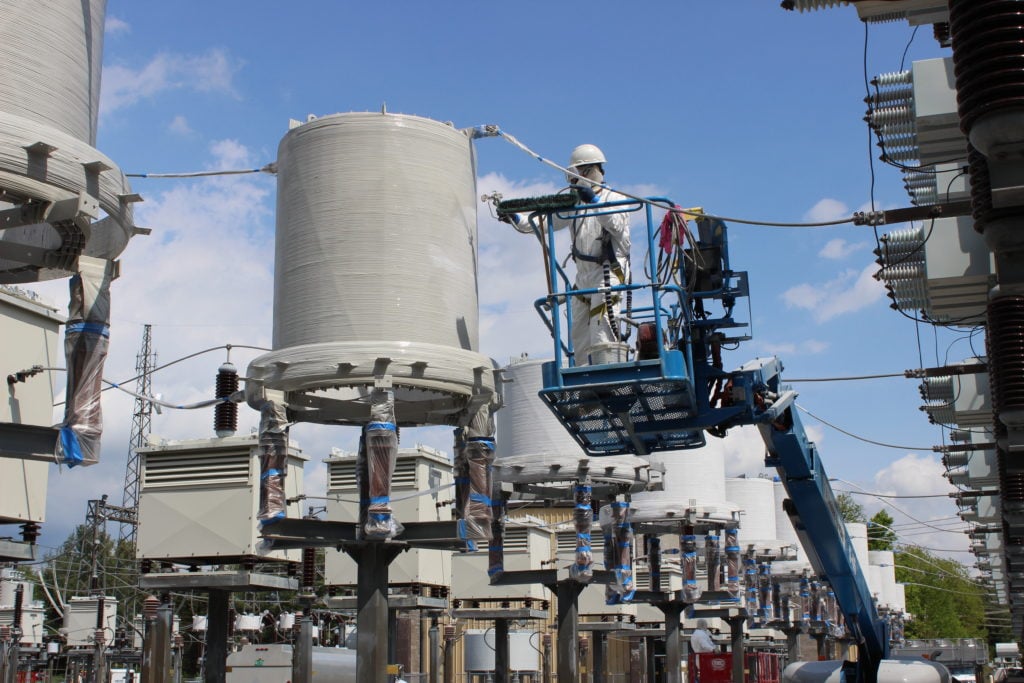
Protective coating systems are designed to create a barrier between metal surfaces and environmental exposure. These systems are commonly used in manufacturing plants, warehouses, utility facilities, and processing environments.
Key benefits include:
- Protection against moisture and chemical exposure
- Extended lifespan of structural steel and equipment
- Reduced maintenance and replacement costs
- Improved facility appearance and cleanliness
Industrial contractors typically recommend coatings based on the specific conditions inside the facility. Areas exposed to moisture, chemicals, or extreme temperatures may require specialized systems for long term performance.
2. Epoxy and Urethane Floor Coatings
Industrial floors take constant abuse from forklifts, foot traffic, machinery, spills, and impact damage. Bare concrete surfaces can crack, stain, and deteriorate quickly without proper protection.
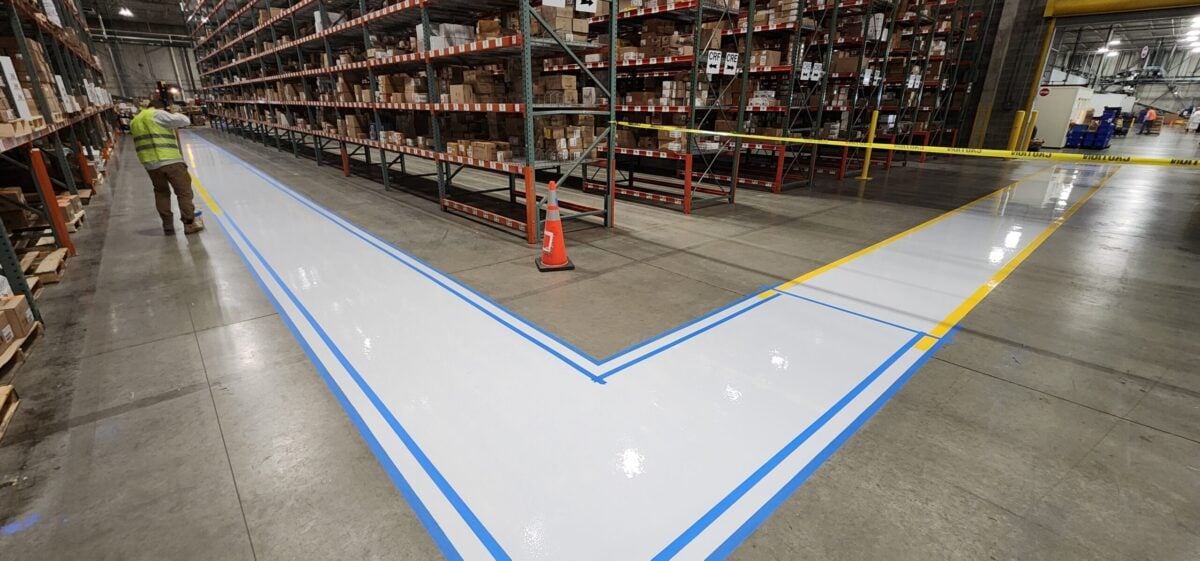
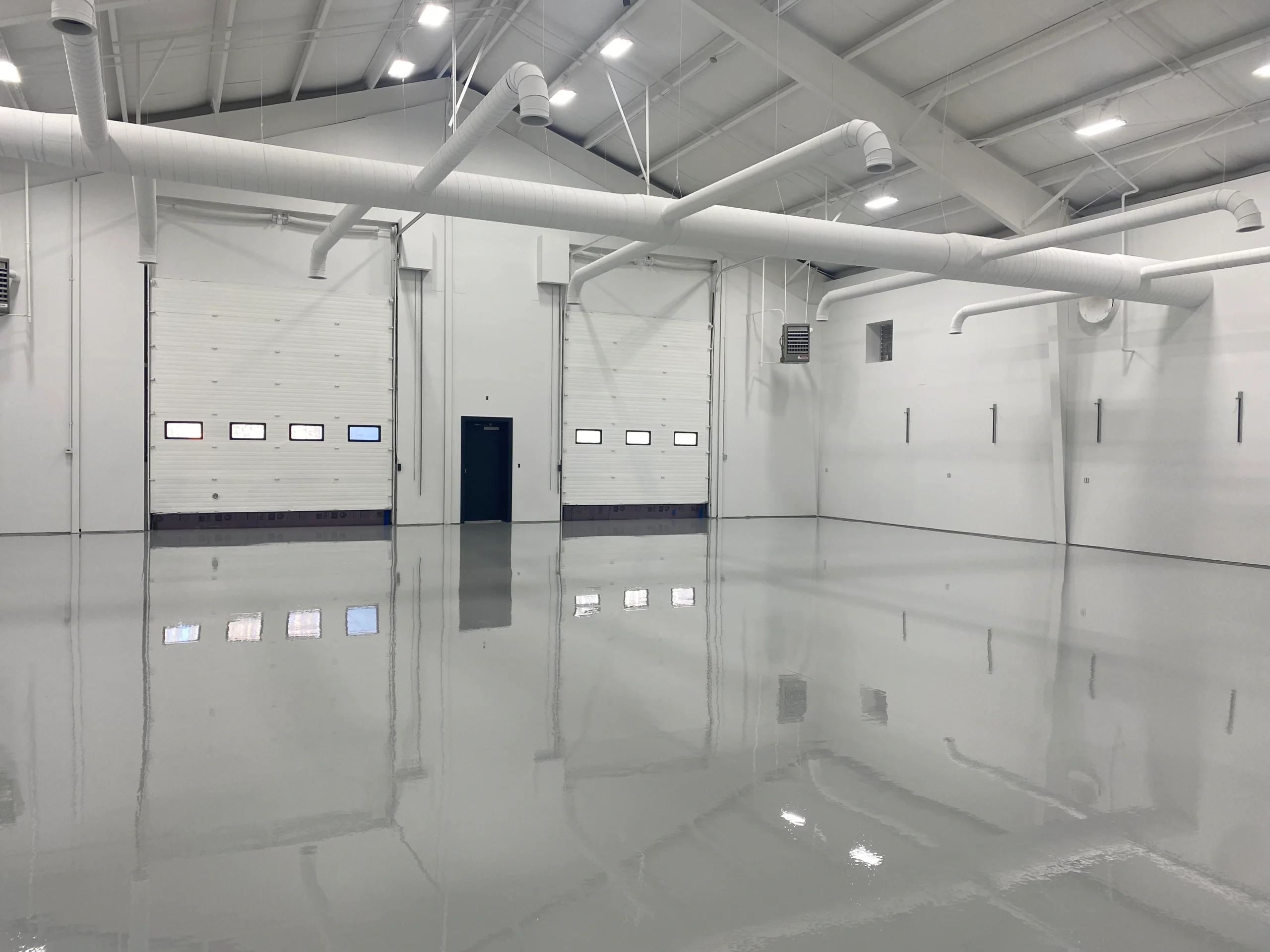
Epoxy and urethane flooring systems create durable, easy to maintain surfaces that improve both functionality and appearance. These coatings are commonly installed in manufacturing facilities, warehouses, distribution centers, and processing plants.
Benefits of industrial floor coatings include:
- Resistance to chemicals and abrasion
- Easier cleaning and maintenance
- Improved light reflectivity inside facilities
- Enhanced safety with slip resistant additives
- Reduced concrete dusting and surface wear
Facility managers in Boston, MA and surrounding areas often invest in floor coatings as part of long term maintenance planning because they help reduce future repair costs while improving daily operations.
3. Waterproofing and Moisture Protection
Water intrusion can cause major damage to industrial and commercial buildings. Moisture problems often lead to peeling coatings, mold growth, structural deterioration, and interior damage.
Industrial waterproofing solutions help protect masonry, concrete, and exterior surfaces from water penetration. These systems are especially important in climates that experience snow, rain, humidity, and freeze thaw cycles.
Common waterproofing applications include:
- Exterior masonry sealing
- Foundation waterproofing
- Concrete surface protection
- Joint and crack sealing
- Protective wall coatings
Addressing water intrusion early helps prevent larger structural problems that can become significantly more expensive over time.
4. Ceiling Deck Cleaning and Painting
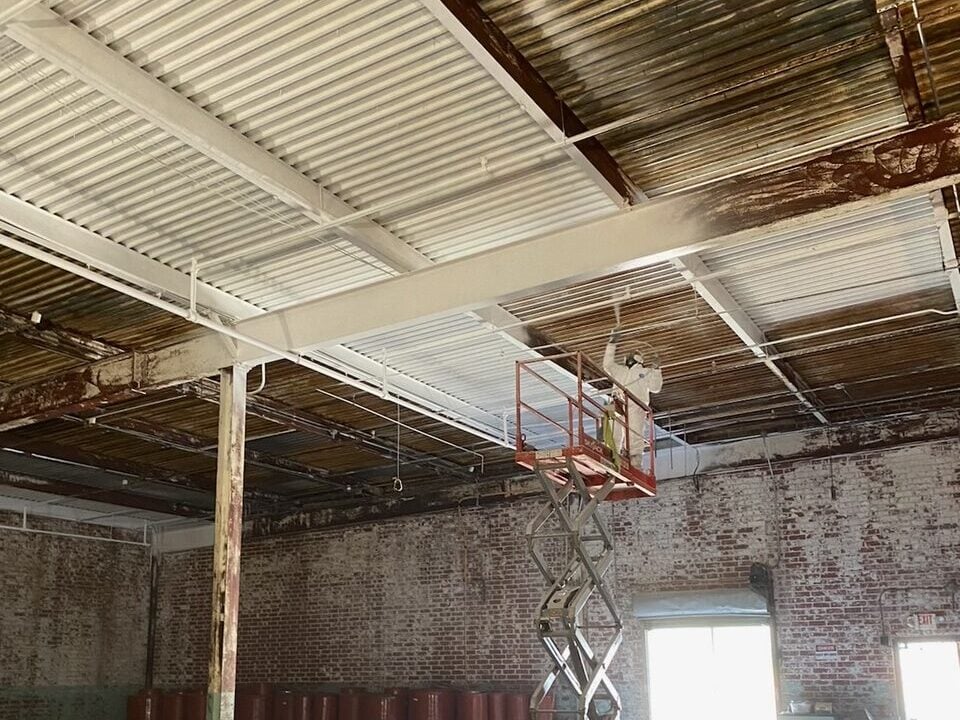
Industrial ceiling decks often collect dust, grease, moisture, and debris over years of operation. Dirty or deteriorating ceiling surfaces can negatively impact lighting efficiency, cleanliness, and the overall appearance of a facility.
Ceiling deck cleaning and painting helps brighten interior spaces while protecting overhead surfaces from deterioration.
This service is especially valuable for:
- Manufacturing facilities
- Distribution centers
- Warehouses
- Food processing environments
- Commercial facilities with exposed ceilings
Fresh coatings also improve light reflection, which can help create a cleaner and more productive work environment.
5. Surface Preparation and Coating Removal
Long lasting industrial painting results always begin with proper preparation. Applying coatings over damaged or contaminated surfaces often leads to premature failure.
Professional surface preparation may involve:
- Power washing
- Steam cleaning
- Sandblasting
- Grinding and scarification
- Coating removal
- Surface repairs
Proper preparation helps coatings bond correctly and perform as intended. Investing in thorough prep work often determines how long a coating system will last.
How to Choose the Right Industrial Coating Products

Not all industrial coatings are designed for the same environment. Selecting the right products depends on exposure conditions, traffic levels, surface materials, and maintenance expectations.
A knowledgeable contractor will evaluate the environment before recommending products or systems. Choosing the wrong coating can lead to premature peeling, cracking, or chemical breakdown.
Epoxy Coatings
Epoxy systems are known for their durability, chemical resistance, and strong adhesion. They are commonly used on industrial floors and high traffic areas.
Epoxy coatings work well for:
- Warehouses
- Manufacturing facilities
- Distribution centers
- Mechanical rooms
- Utility areas
These systems provide excellent durability and are available in a variety of finishes depending on the facility’s needs.
Urethane Coatings
Urethane coatings are highly resistant to abrasion, impact, and UV exposure. They are often used as topcoats in flooring systems or on surfaces exposed to heavy use.
Advantages include:
- Excellent flexibility
- Resistance to scratching and wear
- UV stability for exterior applications
- Long lasting performance in demanding conditions
Elastomeric Coatings
Elastomeric coatings are commonly used on exterior masonry and concrete surfaces. These coatings help bridge small cracks while creating a waterproof barrier.
They are frequently applied to:
- Concrete walls
- Brick surfaces
- Masonry structures
- Exterior building facades
These systems are especially useful in regions with frequent temperature changes and moisture exposure.
Rust Inhibitive Coatings
Facilities with exposed steel and metal structures often require coatings specifically designed to combat corrosion.
Rust inhibitive systems help protect:
- Structural steel
- Tanks and piping
- Equipment surfaces
- Loading docks
- Metal roofing systems
Choosing high quality products helps extend service life while reducing ongoing maintenance costs.
Signs Your Facility May Need Industrial Painting Services
Many facility owners wait until damage becomes obvious before scheduling industrial painting work. Unfortunately, delayed maintenance often leads to larger repairs and higher costs.
Recognizing early warning signs allows businesses to address issues before they become major problems.
Peeling or Flaking Paint
When coatings begin to peel, crack, or blister, surfaces are no longer properly protected. This often indicates moisture intrusion, aging coatings, or poor adhesion.
Ignoring these signs can expose surfaces to corrosion and structural deterioration.
Rust and Corrosion
Visible rust on steel surfaces is a clear sign protective coatings have failed. Corrosion spreads quickly once metal becomes exposed to moisture and oxygen.
Addressing corrosion early helps prevent expensive structural repairs later.
Concrete Dusting or Surface Wear
Concrete floors that produce dust or show heavy wear may need sealing or coating systems. Surface deterioration can create safety concerns while shortening the life of the concrete.
Floor coatings help strengthen and protect high traffic surfaces.
Water Stains or Moisture Damage
Water stains, bubbling paint, or visible moisture issues often point to waterproofing failures.
Professional evaluation can help determine whether the issue involves surface coatings, masonry deterioration, or drainage concerns.
Faded or Deteriorated Surfaces
Industrial environments naturally experience wear over time. Faded surfaces, staining, and aging coatings can negatively impact the appearance and professionalism of a facility.
Routine maintenance helps preserve both aesthetics and long term durability.
What to Look for in an Industrial Painting Contractor

Industrial painting projects require specialized experience, safety procedures, and knowledge of protective coating systems. Choosing the right contractor helps ensure projects are completed efficiently and correctly.
Not every painter has the experience or equipment necessary for industrial environments. Facility managers should look for contractors with a strong track record handling commercial and industrial work.
Experience With Industrial Facilities
Industrial projects involve different challenges than residential or light commercial painting. Contractors should understand:
- Surface preparation requirements
- Coating specifications
- Safety compliance
- Scheduling around operations
- Industrial equipment and access needs
An experienced contractor can recommend practical solutions based on the facility’s conditions and long term goals.
Strong Communication and Project Planning
Clear communication is essential for minimizing disruption during industrial projects.
A reliable contractor should provide:
- Clear project timelines
- Detailed scope of work
- Coordination with facility operations
- Consistent updates throughout the project
Businesses throughout Boston, MA and surrounding areas often operate on tight schedules, making organization and responsiveness especially important.
Safety Focus
Industrial environments require strict safety procedures. Contractors should follow OSHA standards and maintain proper training for crews working in active facilities.
Safety planning may include:
- Lift and fall protection procedures
- Containment systems
- Ventilation planning
- Traffic management inside facilities
- Proper handling of coatings and materials
Long Term Value Instead of Short Term Fixes
The lowest bid is not always the best investment. High quality preparation, materials, and workmanship help coatings last longer and perform better over time.
Choosing durable solutions often reduces future maintenance costs while helping facilities avoid repeated shutdowns and repairs.
Protect Your Facility With the Right Industrial Painting Solutions
Industrial painting is a critical part of protecting commercial and industrial facilities from wear, corrosion, moisture, and daily operational stress. From floor coatings and corrosion control to waterproofing and surface restoration, investing in the right solutions helps businesses maintain safer, cleaner, and more efficient environments.
McLean Company has been helping businesses throughout New England protect and maintain their facilities since 1979 with dependable service, attention to detail, and durable coating solutions built for demanding environments. If your facility is showing signs of wear or you are planning proactive maintenance improvements, contact us today to discuss your project and learn how McLean Company can help.