(978) 774-4330

Choosing the right flooring system can have a major impact on safety, durability, maintenance costs, and overall facility performance. The best industrial flooring ideas combine long term durability with practical design features that hold up against heavy traffic, moisture, chemicals, and daily wear. From warehouses and manufacturing plants to commercial facilities and processing environments, businesses throughout Framingham, MA and surrounding areas often rely on high performance surface protection solutions to help extend floor lifespan while improving functionality.
In this guide, you’ll learn:
- Which industrial flooring systems offer the best durability for 2026
- How flooring choices impact safety and maintenance costs
- The advantages of epoxy, polished concrete, and urethane systems
- What to consider when selecting flooring for industrial environments
- Which flooring designs work best for different facility types
Why Durable Industrial Flooring Matters More Than Ever

Industrial flooring plays a critical role in protecting facilities from wear, moisture damage, heavy equipment traffic, and operational hazards. Flooring systems are not just about appearance. They directly impact productivity, maintenance requirements, workplace safety, and long term operational costs.
As facilities continue to prioritize efficiency and durability in 2026, flooring systems are becoming more advanced and better designed for demanding commercial and industrial environments.
- Improved Durability: Modern flooring systems resist abrasion, impact, chemicals, and constant traffic better than untreated concrete.
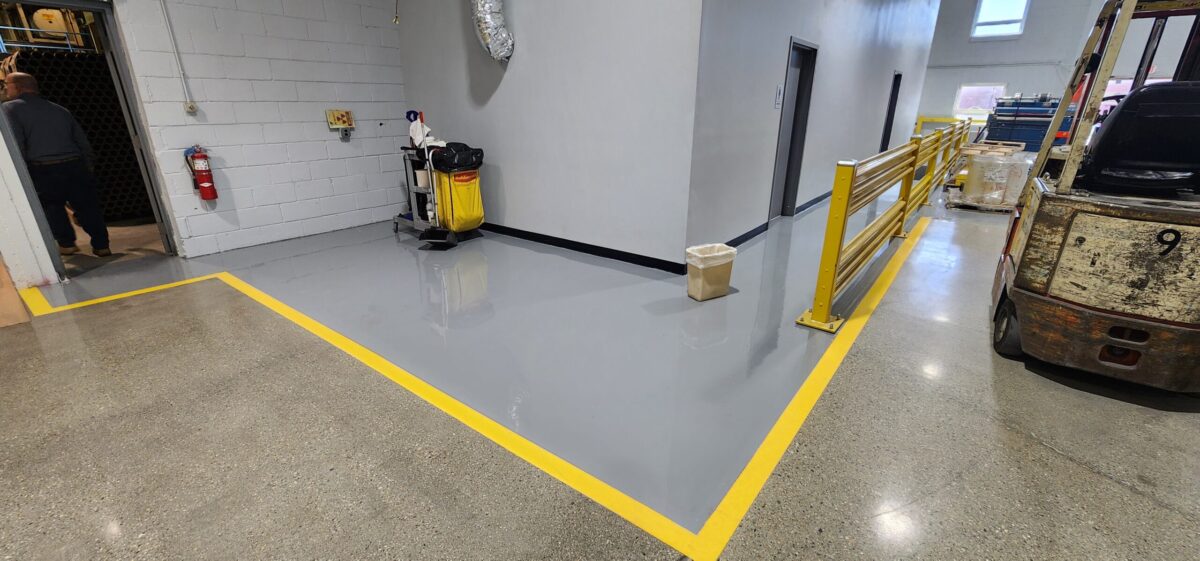
- Enhanced Safety: Slip resistant coatings and line striping improve workplace safety and organization.
- Reduced Maintenance Costs: Durable flooring systems minimize repairs and extend surface lifespan.
- Cleaner Appearance: High quality flooring creates a more professional and organized environment.
- Moisture Protection: Protective coatings help prevent water penetration and concrete deterioration.
Facilities throughout Framingham, MA and surrounding areas often experience changing seasonal conditions that can accelerate wear on untreated concrete surfaces. Investing in durable flooring systems helps businesses avoid premature deterioration and costly repairs.
6 Industrial Flooring Ideas Built for Durability in 2026
Industrial flooring systems continue evolving to meet the demands of modern facilities. Businesses are looking for flooring solutions that improve performance while reducing maintenance and downtime.
The following flooring ideas are among the most durable and practical options for commercial and industrial environments in 2026.
1. Epoxy Flooring Systems
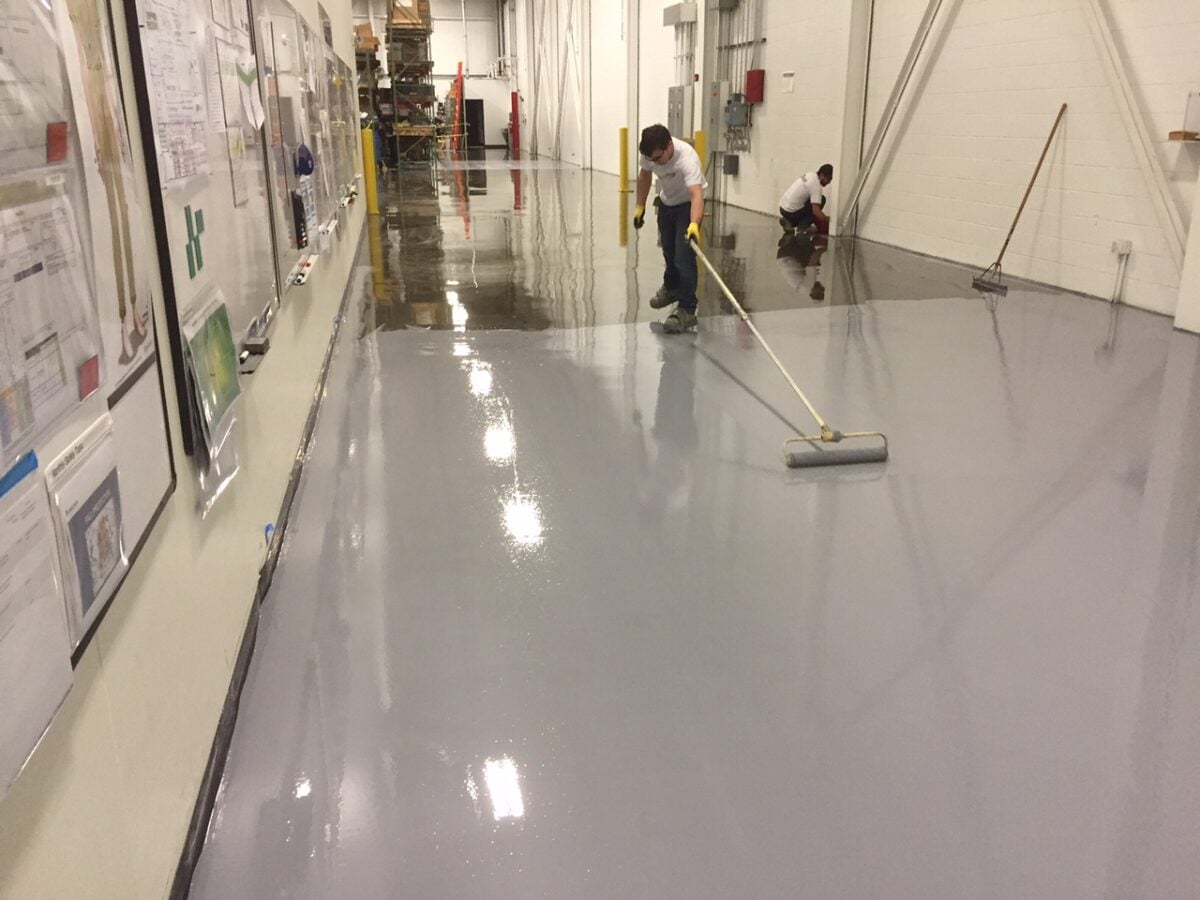
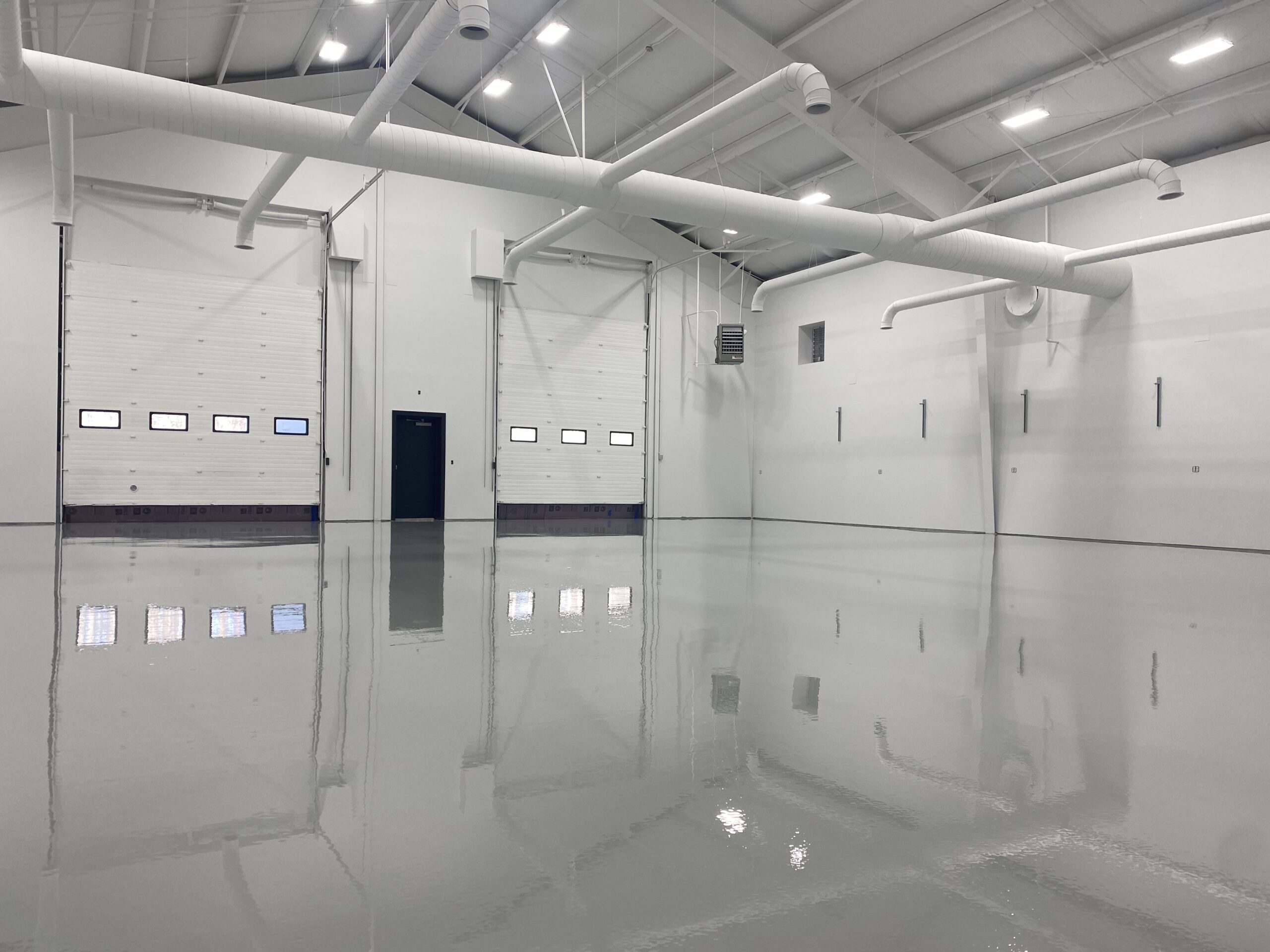
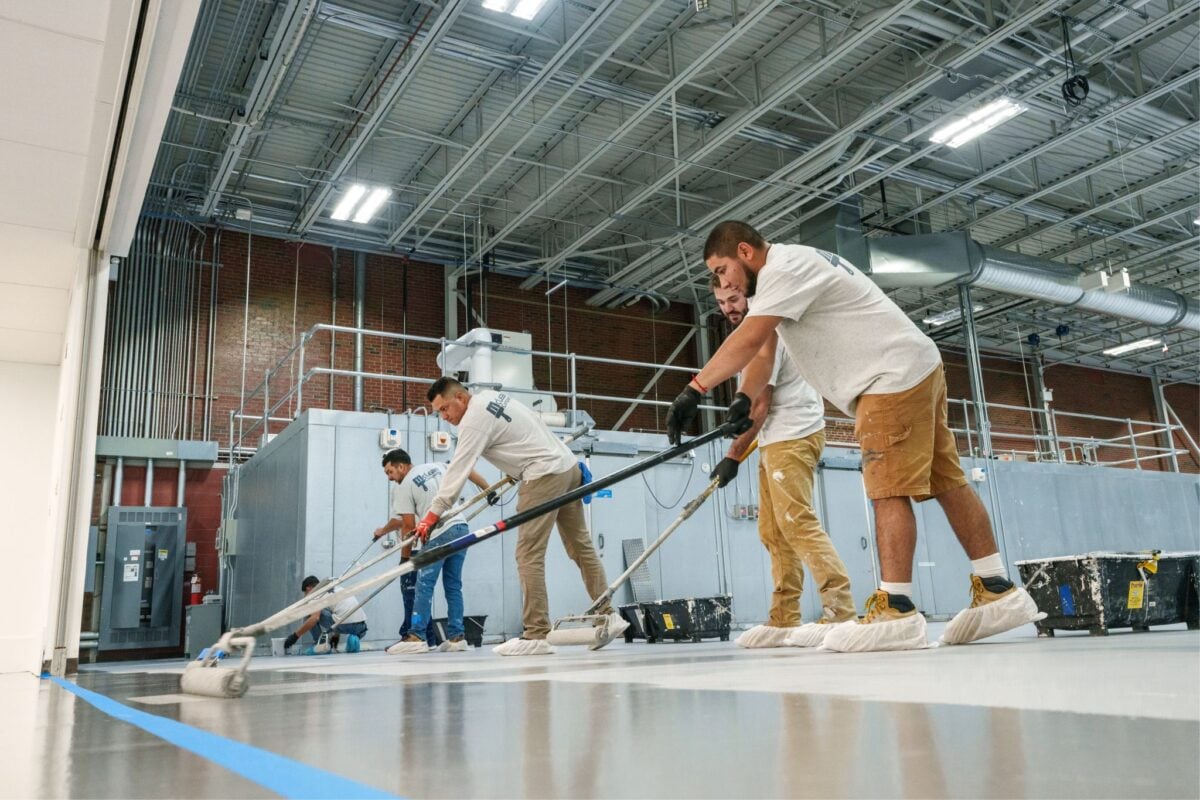
Epoxy flooring remains one of the most popular industrial flooring options because of its durability, chemical resistance, and long term performance.
Epoxy systems create a seamless protective layer over concrete surfaces that helps resist:
- Chemical spills
- Abrasion
- Heavy equipment traffic
- Moisture intrusion
- Surface cracking
Epoxy flooring works well in:
- Warehouses
- Manufacturing facilities
- Distribution centers
- Mechanical rooms
- Automotive facilities
Businesses throughout Framingham, MA and surrounding areas often choose epoxy flooring because it provides long lasting protection while maintaining a clean and professional appearance.
2. Polished Concrete Floors
Polished concrete continues gaining popularity because of its low maintenance requirements and modern appearance.
The polishing process strengthens the concrete surface while creating a smooth and durable finish.
Advantages of polished concrete include:
- Reduced concrete dusting
- Improved light reflectivity
- Easy cleaning and maintenance
- Long lifespan
- Modern industrial appearance
Polished concrete is commonly used in:
- Distribution facilities
- Retail spaces
- Manufacturing buildings
- Showrooms
- Large commercial facilities
This flooring system works especially well for facilities looking to combine durability with a clean and modern design aesthetic.
3. Urethane Cement Flooring
Urethane cement flooring systems are designed for environments exposed to extreme temperatures, moisture, and chemical exposure.
These systems are commonly installed in:
- Food processing facilities
- Industrial kitchens
- Manufacturing plants
- Pharmaceutical facilities
- Wet production environments
Benefits of urethane cement flooring include:
- Thermal shock resistance
- Chemical resistance
- Slip resistant texture options
- Moisture tolerance
- Exceptional durability
Facilities requiring sanitation and durability often choose urethane cement because of its ability to perform in harsh operating conditions.
4. Decorative Flake Flooring Systems
Decorative flake flooring combines durability with enhanced appearance. Colored flakes are incorporated into the coating system to create texture and visual depth.
These systems are frequently used in:
- Commercial facilities
- Locker rooms
- Showrooms
- Healthcare environments
- High visibility workspaces
Advantages include:
- Slip resistance
- Decorative appearance
- Easy maintenance
- Surface durability
- Improved floor traction
Decorative systems help facilities improve aesthetics without sacrificing performance.
5. Heavy Duty Concrete Sealers
Concrete sealers provide an affordable way to improve durability and reduce moisture penetration in industrial environments.
While not as heavy duty as epoxy or urethane systems, sealers still offer valuable protection for many facilities.
Concrete sealers help:
- Reduce dusting
- Protect against staining
- Improve cleaning efficiency
- Limit moisture intrusion
- Extend concrete lifespan
This option works well for facilities looking for practical surface protection with lower installation costs.
6. Methyl Methacrylate (MMA) Flooring Systems
MMA flooring is a high performance option for facilities that need a fast return to service. These systems cure in as little as one to two hours, making them practical for operations with limited downtime windows.
MMA flooring is commonly used in:
- Cold storage and refrigerated environments
- Healthcare and pharmaceutical facilities
- Parking structures and ramps
- High traffic commercial spaces
Key advantages include:
- Rapid cure even in low temperatures
- Strong abrasion and impact resistance
- Chemical and moisture resistance
- Slip resistant finish options
For facilities where extended shutdowns are not an option, MMA is one of the most practical high performance flooring systems available.
How to Choose the Right Industrial Flooring System

Every facility has different operational demands, traffic levels, and environmental conditions. Choosing the right flooring system requires evaluating how the space is used and what type of performance is needed.
Selecting the wrong flooring system can lead to premature failure, increased maintenance costs, and operational disruptions.
Evaluate Traffic and Equipment Use
Facilities with heavy forklift traffic or constant equipment movement require flooring systems with strong impact and abrasion resistance.
Important considerations include:
- Vehicle traffic levels
- Weight loads
- Frequency of movement
- Impact exposure
- Surface wear patterns
High traffic environments often benefit from epoxy or urethane based systems.
Consider Chemical Exposure
Industrial environments frequently expose floors to chemicals, oils, solvents, and cleaning agents.
Chemical resistant flooring systems help protect concrete surfaces from:
- Surface breakdown
- Staining
- Cracking
- Premature wear
Facilities with chemical exposure typically require more specialized coating systems.
Assess Moisture Conditions
Moisture intrusion is one of the leading causes of flooring failure.
Before installation, contractors should evaluate:
- Concrete moisture levels
- Drainage conditions
- Humidity exposure
- Water intrusion concerns
Facilities throughout Framingham, MA and surrounding areas often experience seasonal humidity and moisture conditions that make moisture resistant flooring systems especially important.
Prioritize Long Term Maintenance Goals
Different flooring systems require different levels of maintenance.
Property owners should consider:
- Cleaning requirements
- Repair expectations
- Coating lifespan
- Future touch up needs
- Downtime during maintenance
Choosing the right system helps reduce long term operating costs.
Industrial Flooring Design Trends for 2026
Industrial flooring is no longer focused only on functionality. Modern facilities are also prioritizing appearance, safety, and workplace organization.
The following trends continue shaping industrial flooring design in 2026.
Improved Slip Resistant Finishes
Safety remains one of the biggest priorities in industrial flooring design.
Many facilities now choose flooring systems with enhanced traction to help reduce slips and falls.
Common slip resistant features include:
- Textured coating systems
- Aggregate additives
- Anti slip topcoats
- High traction surfaces
Brighter and More Reflective Floors
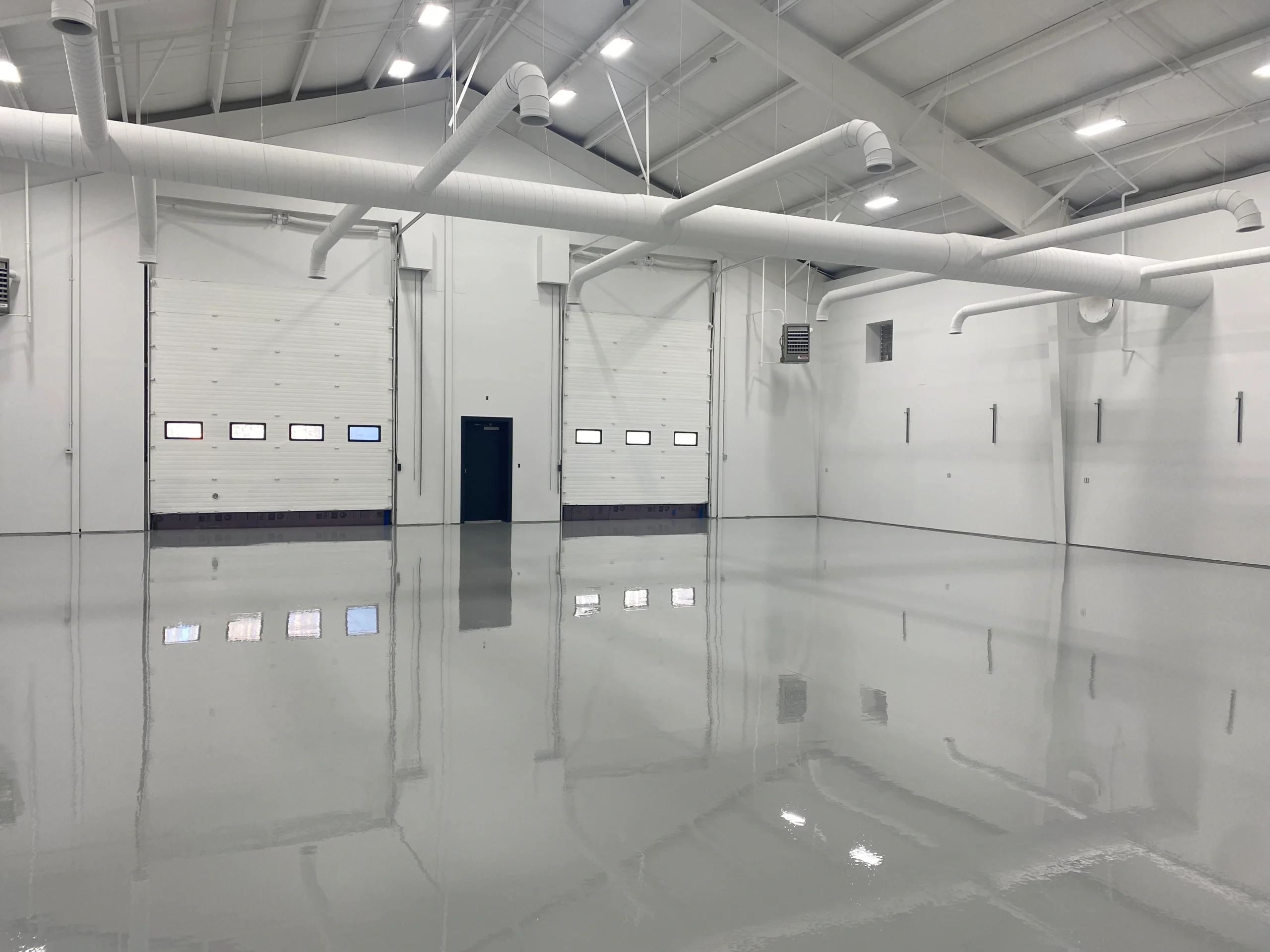
Lighter colored floors and polished surfaces help improve light reflectivity throughout facilities.
Benefits include:
- Better visibility
- Reduced lighting costs
- Cleaner appearance
- Improved workplace aesthetics
Color Zoned Work Areas
Many industrial facilities use color coded flooring systems to improve organization and workflow.
Color zoning can help identify:
- Walkways
- Equipment zones
- Safety areas
- Storage sections
- Traffic lanes
This trend helps improve both efficiency and workplace safety.
Seamless Flooring Systems
Seamless flooring systems continue growing in popularity because they are easier to clean and maintain.
Seamless finishes help reduce:
- Dirt buildup
- Moisture penetration
- Surface cracking
- Bacteria accumulation
This makes seamless systems especially valuable in healthcare, manufacturing, and processing environments.
Comparing Popular Industrial Flooring Systems
Different flooring systems offer different strengths depending on the facility type and operational requirements.
The table below compares several commonly used industrial flooring options.
| Flooring System | Best Used For | Main Advantage |
| Epoxy Flooring | Warehouses and manufacturing facilities | Excellent durability and chemical resistance |
| Polished Concrete | Commercial and distribution facilities | Low maintenance and modern appearance |
| Urethane Cement | Food processing and wet environments | Thermal shock and moisture resistance |
| Decorative Flake Flooring | Commercial and high visibility areas | Enhanced appearance and slip resistance |
| Concrete Sealers | General industrial surfaces | Affordable moisture protection |
Choosing the right flooring system depends on balancing durability, maintenance requirements, safety, and budget considerations.
Why Professional Installation Matters
Even the best flooring materials can fail if the installation process is rushed or incomplete.
Professional installation helps ensure:
- Proper surface preparation
- Strong coating adhesion
- Consistent application thickness
- Moisture testing and correction
- Long term durability
Surface preparation is especially important because contaminants or moisture issues can lead to premature coating failure.
The Risks of Delaying Flooring Upgrades
Worn or damaged flooring can create operational problems and safety concerns.
Delaying flooring upgrades may lead to:
- Increased repair costs
- Concrete deterioration
- Workplace accidents
- Surface cracking
- Moisture intrusion
- Production disruptions
Proactive flooring improvements often help facilities avoid more expensive repairs later.
Planning the Best Flooring Upgrade for Your Facility

Industrial flooring systems are a long term investment in the safety, durability, and performance of a facility. Choosing the right flooring design requires understanding how the space operates and what environmental conditions the floor must withstand.
Working with experienced professionals helps property owners select systems designed for long term performance and reduced maintenance.
Focus on Operational Needs
The best flooring solution should support daily operations without creating unnecessary maintenance challenges.
Facility managers should evaluate:
- Traffic patterns
- Equipment usage
- Moisture exposure
- Cleaning requirements
- Safety priorities
Balance Appearance and Durability
Modern industrial flooring systems can improve both appearance and performance.
Businesses no longer have to choose between durable flooring and professional aesthetics.
Invest in Long Term Performance
Cheaper flooring solutions often lead to higher maintenance and replacement costs later.
Durable systems with proper preparation typically provide better long term value and fewer operational interruptions.
Partner With Experienced Flooring Professionals
Industrial flooring projects require specialized knowledge, preparation methods, and installation techniques.
An experienced contractor can recommend flooring systems tailored to the facility’s operational demands and long term goals.
Upgrade Your Facility With Durable Industrial Flooring Solutions
The right industrial flooring system can improve safety, reduce maintenance costs, protect concrete surfaces, and enhance the overall functionality of a facility. From epoxy coatings and polished concrete to urethane cement systems and decorative finishes, modern industrial flooring ideas offer long lasting performance built for demanding environments.
McLean Company has been helping commercial and industrial clients throughout New England protect and improve their facilities since 1979 with dependable workmanship, responsive service, and durable flooring solutions designed for real world performance. If your facility is planning a flooring upgrade or evaluating long term maintenance improvements, contact us today to discuss your project and learn how McLean Company can help protect your investment.