(978) 774-4330

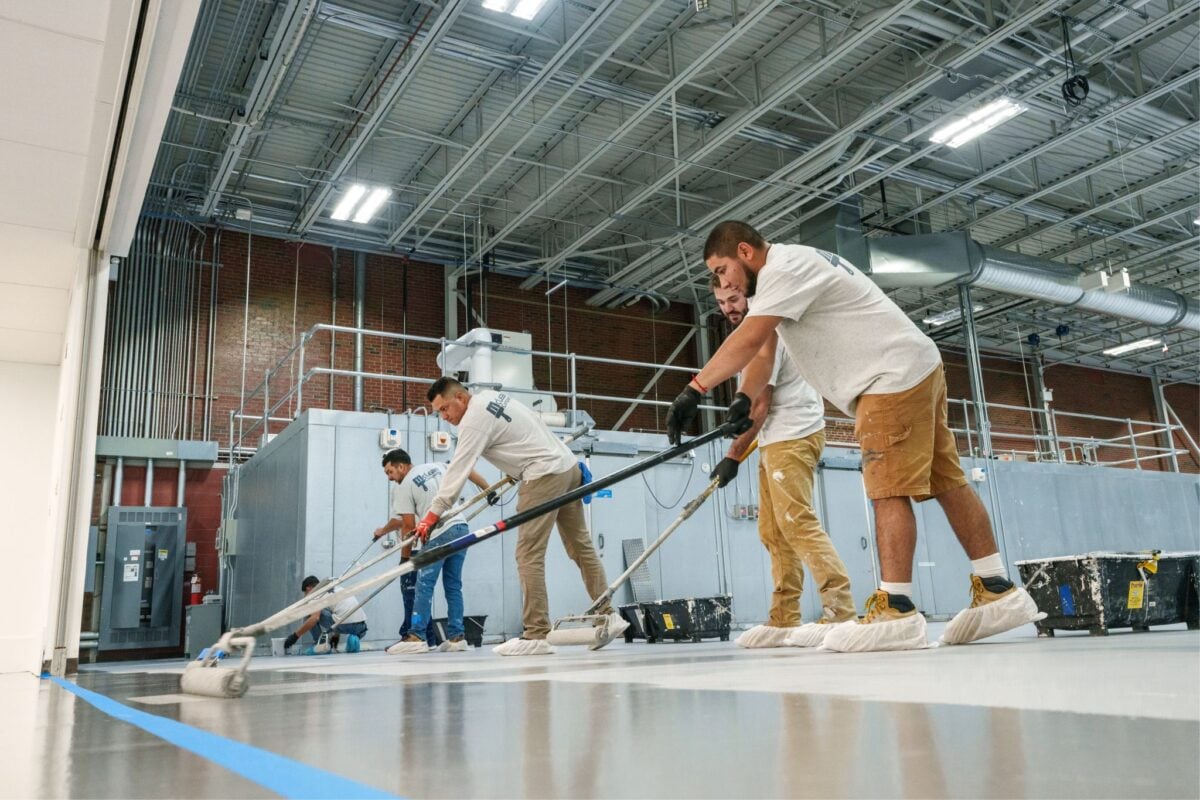
Floor safety plays a major role in protecting employees, visitors, and daily operations in commercial and industrial facilities. Investing in the right slip resistance treatment helps reduce accident risks while improving the durability and performance of high traffic surfaces. From warehouses and manufacturing facilities to office buildings and commercial spaces, businesses throughout Lowell, MA and surrounding areas often rely on high performance surface protection solutions to improve floor safety while maintaining long term durability.
In this guide, you’ll learn:
- Why slip resistant flooring is important for commercial and industrial environments
- The most effective slip resistance treatments available in 2026
- How flooring conditions contribute to slip and fall hazards
- What to consider when selecting anti slip flooring solutions
- How professional floor coatings improve long term safety and durability
Why Slip Resistance Matters in Commercial and Industrial Facilities

Slip and fall accidents remain one of the leading causes of workplace injuries across commercial and industrial environments. Floors exposed to moisture, heavy traffic, oils, or dust can quickly become hazardous without proper surface protection.
Modern slip resistance treatments are designed to improve traction while helping facilities maintain cleaner, safer, and more durable flooring systems.
- Improved Workplace Safety: Slip resistant surfaces help reduce the risk of employee and visitor injuries.
- Lower Liability Risks: Safer flooring systems may help reduce accident related claims and disruptions.
- Enhanced Surface Durability: Protective floor treatments help resist wear and moisture damage.
- Better Facility Appearance: Clean and professionally maintained floors improve the overall appearance of a facility.
- Reduced Maintenance Costs: Durable coatings help extend floor lifespan and reduce repair needs.
Facilities throughout Lowell, MA and surrounding areas often prioritize slip resistant flooring systems because changing weather conditions, moisture, and heavy foot traffic can quickly create unsafe walking surfaces.
7 Ways to Improve Floor Safety With Slip Resistance Treatments
Different environments require different floor safety solutions depending on moisture exposure, traffic levels, and operational demands. Modern slip resistant flooring systems are designed to improve traction while maintaining durability and ease of maintenance.
The following slip resistance treatments are among the most effective options for improving floor safety in 2026.
1. Anti Slip Epoxy Floor Coatings
Epoxy floor coatings remain one of the most popular slip resistant flooring solutions for industrial and commercial environments.
Anti slip additives can be incorporated into epoxy systems to improve traction without sacrificing durability.
Benefits of anti slip epoxy flooring include:
- Improved traction in wet conditions
- Strong abrasion resistance
- Chemical resistance
- Seamless surface protection
- Long term durability
Epoxy systems work especially well in:
- Warehouses
- Manufacturing facilities
- Mechanical rooms
- Commercial kitchens
- Distribution centers
Businesses throughout Lowell, MA and surrounding areas often choose epoxy flooring systems because they balance durability, safety, and long term maintenance value.
2. Textured Floor Coatings
Textured coatings create additional surface grip by incorporating aggregates or specialized materials into the flooring system.
These coatings help improve traction on surfaces exposed to:
- Water
- Oil
- Grease
- Dust buildup
- Heavy foot traffic
Common textured coating options include:
- Sand infused coatings
- Quartz systems
- Flake flooring systems
- Aggregate enhanced coatings
Textured finishes are commonly used in industrial workspaces where safety and durability are equally important.
3. Polished Concrete With Slip Resistant Treatments
Polished concrete remains popular because of its durability and clean appearance, but additional slip resistance treatments are often necessary in high traffic or moisture prone areas.
Slip resistant polished concrete systems may include:
- Surface conditioning treatments
- Specialized sealers
- Micro texture enhancements
- Anti slip additives
Advantages include:
- Easy maintenance
- Modern appearance
- Improved light reflectivity
- Durable long term performance
This option works well for facilities looking to balance appearance and functionality.
4. Floor Sealers and Surface Treatments
Surface sealers help protect concrete floors while improving traction and moisture resistance.
Slip resistant sealers are commonly applied in:
- Commercial entryways
- Retail facilities
- Office buildings
- Industrial walkways
- Storage facilities
Benefits of floor sealers include:
- Reduced moisture penetration
- Easier cleaning
- Improved surface durability
- Better resistance to staining
Properly maintained sealers help preserve floor safety over time.
5. Line Striping and Safety Markings
Improving floor safety involves more than traction alone. Clear line striping and visual safety markings help organize traffic flow and reduce workplace hazards.
Safety markings can identify:
- Pedestrian walkways
- Forklift traffic lanes
- Hazard zones
- Emergency exits
- Equipment areas
6. Rubberized Safety Flooring Systems
Rubberized flooring systems provide additional cushioning and traction in areas where employees spend long periods standing or walking.
These systems are commonly used in:
- Production facilities
- Assembly lines
- Locker rooms
- Commercial kitchens
- Employee workstations
Benefits of rubberized flooring include:
- Improved slip resistance
- Better employee comfort
- Reduced fatigue
- Noise reduction
- Enhanced impact absorption
Rubberized systems work especially well in areas where safety and comfort are both important priorities.
7. Anti Slip Stair and Ramp Coatings
Stairs, ramps, and elevated walkways often present higher slip and fall risks than flat flooring surfaces.
Specialized anti slip coatings and tread systems help improve traction in these high risk areas.
Common applications include:
- Metal stairways
- Loading dock ramps
- Exterior walkways
- Industrial platforms
- Emergency exit routes
These treatments help improve visibility and traction while reducing safety risks in areas exposed to moisture and heavy foot traffic.
Common Causes of Slippery Floors in Industrial Environments

Many floor safety issues develop gradually over time as surfaces wear down or environmental conditions change.
Understanding the most common causes of slippery floors helps businesses take preventative action before accidents occur.
Moisture and Water Intrusion
Water is one of the most common causes of slip hazards.
Moisture problems often result from:
- Roof leaks
- Wet weather conditions
- Condensation
- Poor drainage
- Cleaning processes
Facilities in Lowell, MA and surrounding areas often deal with snow, rain, and seasonal moisture that increase the risk of slippery surfaces.
Oil and Chemical Spills
Industrial facilities frequently work with oils, lubricants, and chemicals that reduce floor traction.
Without proper coatings and cleaning procedures, these substances can quickly create hazardous walking conditions.
Worn or Damaged Flooring
As flooring systems age, they may lose texture and traction.
Common warning signs include:
- Smooth worn surfaces
- Cracking coatings
- Surface peeling
- Concrete deterioration
- Uneven floor conditions
Routine inspections help identify areas that require maintenance or resurfacing.
Dust and Debris Accumulation
Dust buildup can reduce traction on both coated and uncoated concrete surfaces.
Warehouses and manufacturing facilities often require regular cleaning to maintain safe walking conditions.
Improper Flooring Selection
Not all flooring systems are designed for high moisture or industrial environments.
Choosing the wrong flooring system can lead to:
- Reduced traction
- Premature wear
- Increased maintenance costs
- Frequent repairs
Selecting flooring systems based on the facility’s operational demands helps improve long term safety.
Floor Safety Trends Businesses Are Prioritizing in 2026
Commercial and industrial facilities are increasingly investing in flooring systems designed to improve both safety and operational efficiency.
The following trends continue shaping floor safety improvements in 2026.
Increased Use of Seamless Flooring Systems
Seamless flooring systems are becoming more common because they reduce cracks and joints where moisture and contaminants can collect.
Benefits include:
- Easier cleaning
- Reduced moisture intrusion
- Improved sanitation
- Better long term durability
Seamless systems are especially popular in manufacturing and processing facilities.
More Slip Resistant Additives
Modern floor coatings now offer a wider variety of anti slip additives that improve traction without significantly impacting appearance.
Common additive materials include:
- Quartz
- Aluminum oxide
- Polymer grit
- Silica aggregates
These additives help customize flooring systems based on the level of slip resistance required.
Improved Workplace Organization Through Floor Markings
Businesses are using line striping and color coded floor systems more strategically to improve workplace organization and safety.
Color zoning helps identify:
- Safe walking areas
- Equipment zones
- Hazard locations
- Emergency pathways
This trend improves visibility while reducing confusion in busy facilities.
Easier to Maintain Flooring Systems
Modern facilities are prioritizing flooring systems that balance safety with lower maintenance requirements.
Businesses want flooring systems that:
- Resist staining
- Simplify cleaning
- Maintain traction longer
- Reduce repair frequency
Facilities throughout Lowell, MA and surrounding areas often prioritize durable systems that can handle seasonal moisture and heavy traffic conditions.
Comparing Popular Slip Resistant Flooring Solutions

Different flooring systems offer different levels of traction, durability, and maintenance requirements.
The table below compares several commonly used slip resistant flooring options.
| Flooring Solution | Best Used For | Main Benefit |
| Anti Slip Epoxy | Warehouses and manufacturing facilities | Excellent durability and traction |
| Textured Coatings | High moisture workspaces | Improved grip and surface safety |
| Polished Concrete Treatments | Commercial and office facilities | Modern appearance with added traction |
| Slip Resistant Sealers | Entryways and walkways | Moisture protection and easier maintenance |
| Safety Line Striping | Industrial facilities | Improved traffic organization and visibility |
Choosing the right flooring solution depends on balancing safety requirements, operational demands, and long term maintenance expectations.
Why Professional Installation Matters
Even the best slip resistant flooring materials can fail if surfaces are not properly prepared or installed.
Professional flooring contractors help ensure:
- Proper moisture testing
- Surface preparation
- Consistent coating application
- Correct texture levels
- Long term durability
Proper installation plays a major role in maintaining both floor safety and coating performance.
The Risks of Delaying Floor Safety Improvements
Ignoring slippery or deteriorating flooring conditions can create serious operational and liability concerns.
Delaying upgrades may lead to:
- Workplace injuries
- Increased liability exposure
- Concrete deterioration
- Costly emergency repairs
- Operational disruptions
Proactive floor safety improvements often help businesses avoid larger expenses and safety concerns later.
Improve Workplace Safety With Durable Slip Resistant Flooring
Slip resistant flooring systems help businesses create safer, cleaner, and more durable environments for employees and visitors. From anti slip epoxy coatings and textured surfaces to floor sealers and safety striping, modern slip resistance treatments offer practical ways to improve floor safety while protecting long term facility performance.
McLean Company has been helping commercial and industrial clients throughout New England improve and protect their facilities since 1979 with dependable workmanship, responsive service, and durable flooring solutions built for demanding environments. If your facility is experiencing slippery floor conditions or planning long term flooring improvements, contact us today to discuss your project and learn how McLean Company can help improve safety and durability throughout your space.