(978) 774-4330

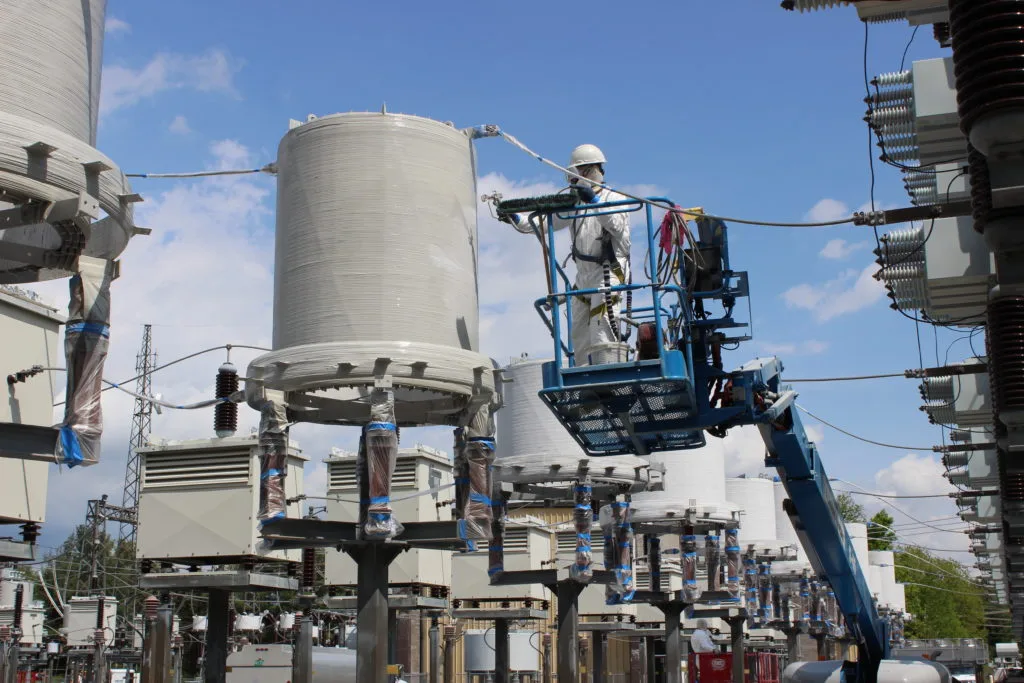
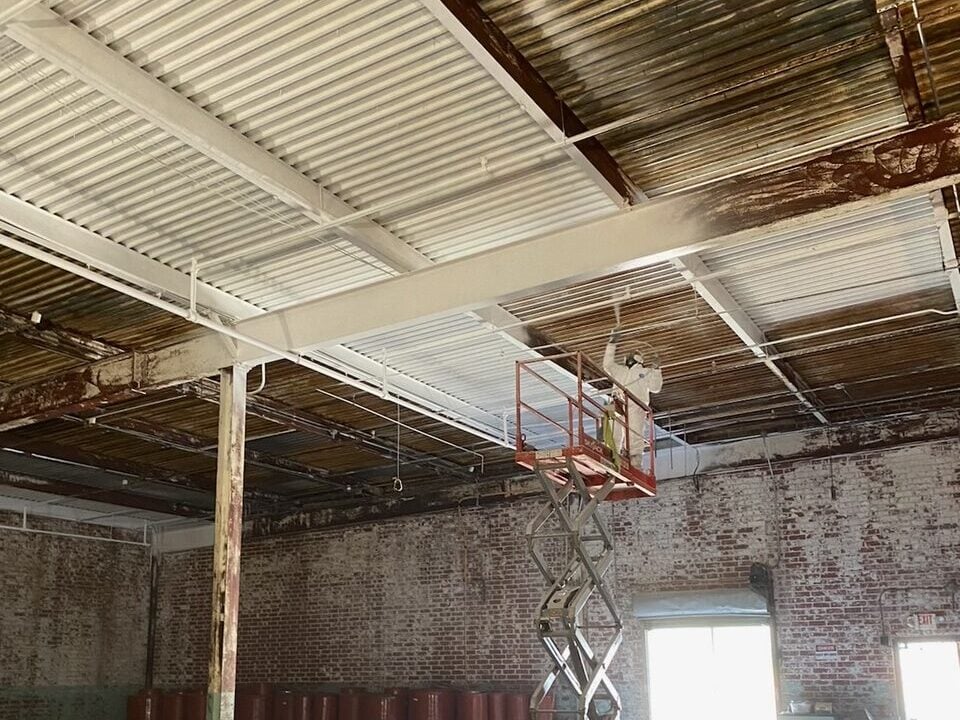
Maintaining structural integrity and appearance in demanding environments requires more than standard coatings. Industrial blasting and painting is a proven method for preparing and protecting surfaces exposed to wear, corrosion, and heavy use. Many facility owners explore solutions like high-performance coating applications for industrial environments to ensure long-term durability and reliable results.
In this guide, you will learn:
- What industrial blasting and painting involves
- Why proper surface preparation is critical
- The main benefits for industrial and commercial properties
- How to choose the right approach for your facility

Why Industrial Blasting and Painting Is Essential for Long-Term Protection
Industrial surfaces are constantly exposed to harsh conditions such as moisture, chemicals, abrasion, and temperature changes. Without proper preparation and coating, these surfaces can deteriorate quickly, leading to costly repairs and downtime.
In Boston, MA and surrounding areas, seasonal weather shifts combined with industrial activity can accelerate wear on metal and concrete surfaces. Blasting and painting together create a system that prepares and protects surfaces effectively.
Here are the key benefits of this approach:
- Surface Restoration: Blasting removes rust, old coatings, and contaminants, creating a clean foundation
- Improved Adhesion: Proper preparation allows coatings to bond securely to the surface
- Extended Lifespan: Protective coatings help surfaces last longer under demanding conditions
- Enhanced Safety: Clean, well-coated surfaces reduce hazards and improve visibility
- Reduced Maintenance Costs: Durable finishes minimize the need for frequent repairs
Understanding these benefits highlights why blasting and painting are often used together.
4 Key Stages of Industrial Blasting and Painting
This process involves several important steps that work together to achieve long-lasting results. Each stage plays a critical role in ensuring performance and durability.
1. Surface Inspection and Evaluation
Before any work begins, the condition of the surface must be assessed.
- Identify corrosion, damage, or contamination
- Determine the type of material being treated
- Evaluate environmental conditions that may affect the process
This step helps ensure the correct methods and materials are selected.
2. Abrasive Blasting for Surface Preparation
Blasting is used to clean and prepare the surface by removing unwanted materials.
- Eliminates rust, scale, and old coatings
- Creates a rough profile for better adhesion
- Ensures a uniform surface for painting
Different blasting methods may be used depending on the material and project requirements.
3. Application of Protective Coatings
Once the surface is prepared, coatings are applied to protect and enhance performance.
- Epoxy coatings for durability and chemical protection
- Urethane coatings for flexibility and finish quality
- Specialized systems for specific environments
The choice of coating depends on the conditions the surface will face.
4. Inspection and Quality Control
After application, the work is inspected to ensure it meets standards.
- Check for even coverage and proper thickness
- Verify adhesion and curing
- Address any inconsistencies before completion
This final step ensures the system performs as intended.

Types of Blasting and Coating Options
Different projects require different approaches. Understanding available options helps you choose the best solution for your needs.
Abrasive Blasting Methods
Blasting techniques vary based on the surface and desired outcome.
- Sandblasting: Common for removing rust and coatings
- Shot Blasting: Ideal for heavy-duty surface preparation
- Soda Blasting: Suitable for more delicate surfaces
Each method provides a different level of cleaning and surface profile.
Coating Systems
The type of coating applied depends on the environment and performance requirements.
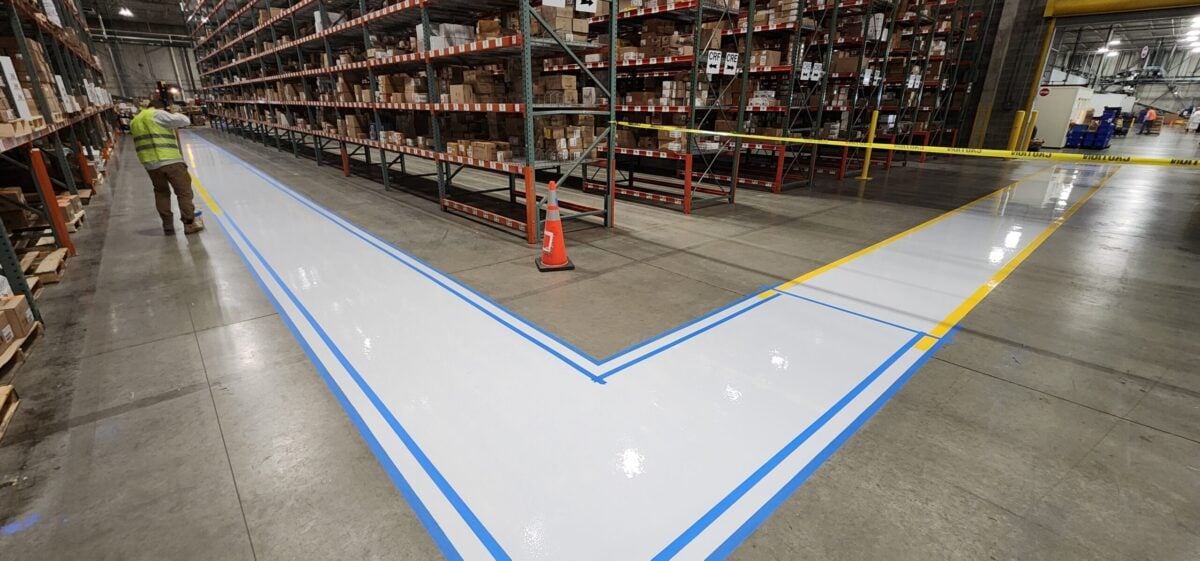
- Epoxy Coatings: Durable and chemical resistant, ideal for industrial settings
- Polyurethane Coatings: Provide flexibility and a smooth finish
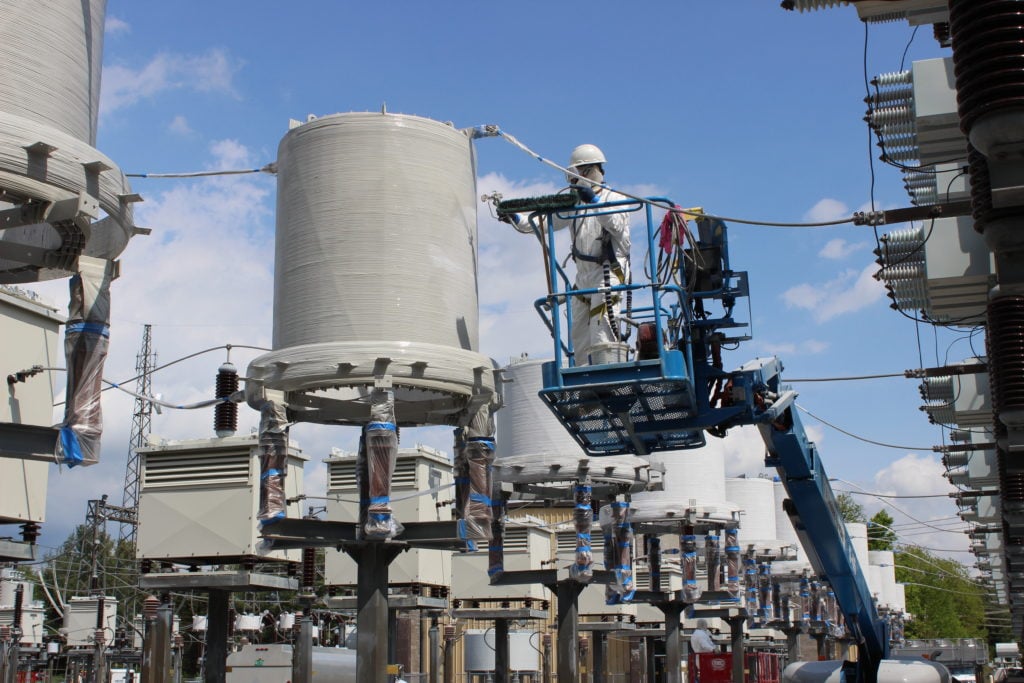
- Corrosion Protection Systems: Designed for metal structures exposed to moisture
Selecting the right system ensures long-term performance.
Comparison of Common Coating Types
| Coating Type | Best Use Case | Durability | Maintenance |
| Epoxy | Industrial floors and steel | Very High | Low |
| Polyurethane | Exterior surfaces | High | Low |
| Corrosion Systems | Metal structures | High | Moderate |
This comparison helps highlight which option may be best for your project.
How to Choose the Right Blasting and Painting Approach
Selecting the right approach involves more than choosing a method. It requires understanding your environment, materials, and long-term goals.
Taking a strategic approach helps ensure better results.
Consider the Environment
Different environments require different levels of protection.
- Indoor versus outdoor exposure
- Moisture and humidity levels
- Exposure to chemicals or heavy use
In Boston, MA and surrounding areas, weather conditions play a significant role in coating performance.
Evaluate Surface Material
The type of material affects both preparation and coating selection.
- Steel requires corrosion protection
- Concrete may need sealing and reinforcement
- Mixed materials may require multiple systems
Matching the process to the material ensures better results.
Plan for Long-Term Maintenance
A successful project includes a plan for ongoing care.
- Schedule regular inspections
- Address minor issues early
- Reapply coatings as needed
This helps extend the life of the system.
Work with Experienced Professionals
Professional expertise is essential for achieving consistent results.
- Proper surface preparation techniques
- Use of high-quality materials
- Attention to detail throughout the process
Experienced contractors ensure every step is handled correctly.

Common Mistakes to Avoid in Industrial Blasting and Painting
Even with the right materials, mistakes can impact the outcome. Being aware of these issues helps you avoid costly problems.
Skipping Proper Preparation
Preparation is the foundation of the entire process.
- Poor adhesion leads to coating failure
- Contaminants remain on the surface
- Results are inconsistent
Choosing the Wrong Coating
Not all coatings are suitable for every environment.
- Reduced durability
- Increased maintenance needs
- Shorter lifespan
Ignoring Environmental Conditions
Conditions during application can affect results.
- Temperature fluctuations
- Humidity levels
- Airflow and ventilation
Rushing the Process
Each stage requires time to be completed properly.
- Insufficient curing
- Uneven application
- Reduced performance
Avoiding these mistakes helps ensure a successful project.
Protect Your Investment with the Right Process
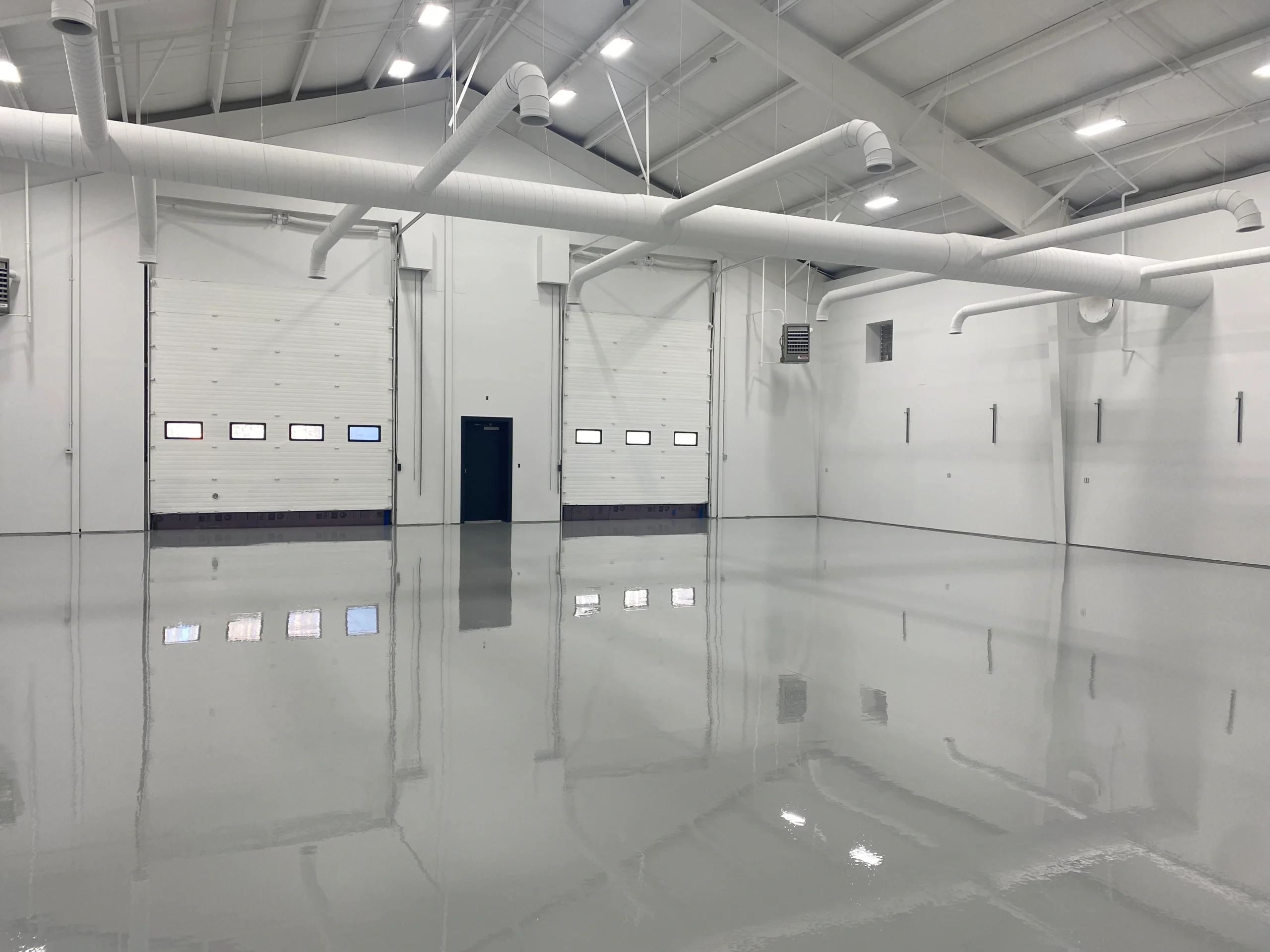
Industrial blasting and painting provide a reliable way to restore and protect surfaces in demanding environments. By combining proper preparation with high-quality coatings, this process delivers long-lasting results that support safety, efficiency, and performance.
For property owners in Boston, MA and surrounding areas, investing in the right approach can significantly reduce maintenance costs and extend the life of critical assets. Whether you are maintaining a facility or planning a major upgrade, the right process makes a measurable difference.
If you are ready to protect and improve your property, McLean Company is here to help. Reach out to contact us today to discuss your project and find the best solution for your needs.