(978) 774-4330

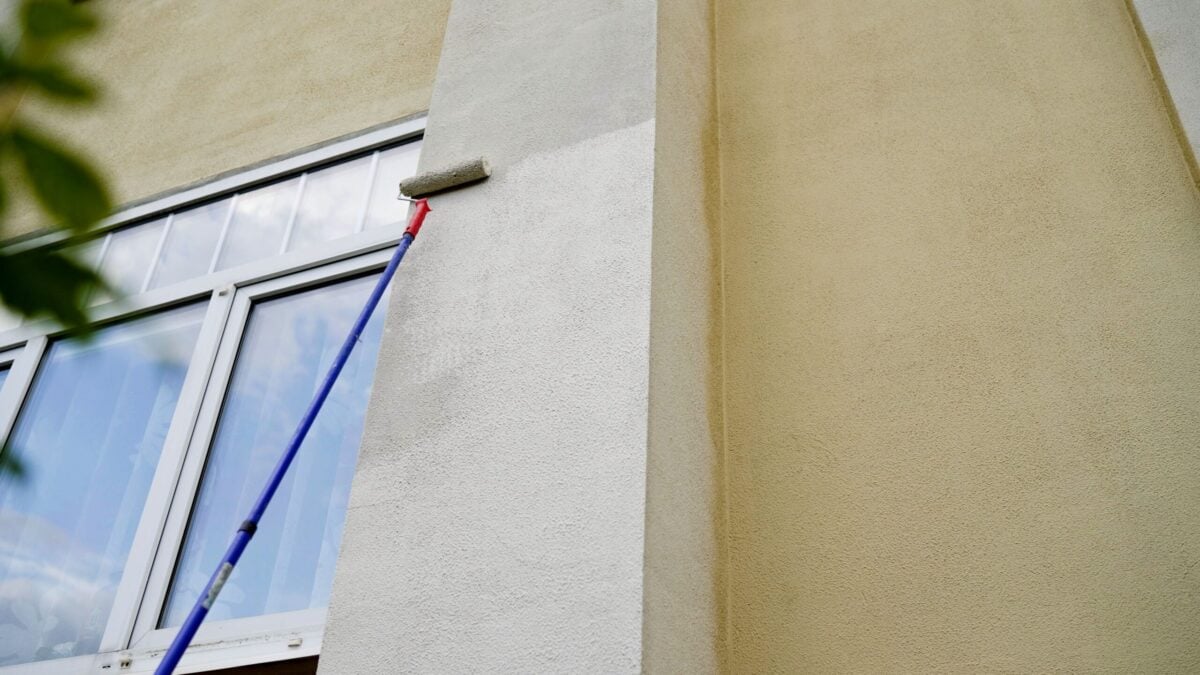
Hiring the wrong painting contractor for a commercial project in a competitive market like Boston costs more than just the price of the job. It costs time, disruption, and often the full expense of having the work redone correctly. Commercial painters Boston facilities and property managers rely on need to bring more than a brush and a ladder. They need the specification knowledge, surface preparation discipline, and project management capability to deliver work that performs for years in a market where standards are high and timelines are tight. The difference between a contractor who can handle commercial work and one who actually specializes in it shows up in the quality of the prep, the coating system selected, and how the finished surface holds up under real building conditions.
Here is what you will learn in this guide:
- What separates qualified commercial painters from general contractors in the Boston market
- The key qualities to look for when hiring commercial painters in Boston, MA and surrounding areas
- Which commercial painting applications require the most specialized expertise
- How to evaluate proposals and avoid the most common hiring mistakes
- Why experience in the Boston, MA and surrounding areas market specifically matters for your project
What Sets Qualified Commercial Painting Contractors Apart in the Boston Area

Commercial painting in Boston, MA and surrounding areas operates in one of the most demanding built environments in New England. The building stock ranges from pre-war brick masonry to modern curtain wall construction, and the requirements for working in occupied commercial buildings, active healthcare facilities, historic properties, and high-rise structures add layers of complexity that general contractors and residential painters are not equipped to handle.
Local knowledge matters in this market. A commercial painting contractor who works regularly in Boston, MA and surrounding areas understands the permitting environment, the access restrictions on busy downtown streets, the seasonal windows for exterior coating work, and the specific substrate challenges that older New England building stock presents. A contractor based two states away, bidding remotely from square footage numbers and photos, does not have that context. Here is what that distinction delivers for the building owner or facility manager:
- Substrate Familiarity: Boston’s commercial building stock includes aging brick, granite block, precast concrete, EIFS, and mixed-material facades that each require different preparation and coating strategies. Local experience means those strategies are well-practiced, not improvised.
- Access and Logistics Knowledge: Working on commercial properties in dense urban neighborhoods requires familiarity with lane closure permits, sidewalk protection requirements, and building access coordination that contractors without local experience consistently underestimate.
- Seasonal Scheduling Expertise: New England’s painting season has real windows. Contractors who work regularly in Boston, MA and surrounding areas know how to schedule exterior work efficiently within those windows and how to manage conditions when weather does not cooperate.
- Relationship with Local Inspectors and Authorities: Projects that require inspection or permit coordination move faster when the contractor has existing relationships with the relevant local authorities and understands the documentation they expect.
- Responsive Project Management: A contractor based in the region can respond to site issues, unexpected substrate conditions, and scheduling changes faster than one managing from a distance. In commercial projects where time is money, that responsiveness has real value.
5 Qualities That Define the Best Commercial Painters in Boston
Evaluating commercial painting contractors in a competitive market requires a clear framework. Price is visible and easy to compare. Quality, reliability, and technical capability are harder to assess from a proposal alone. The seven qualities below are what distinguish the best commercial painters in Boston, MA and surrounding areas from the field of general contractors who occasionally take on commercial painting work.
1. Documented Commercial Portfolio
The most reliable indicator of whether a painting contractor can handle your project is whether they have successfully handled similar ones. A qualified commercial painter should be able to provide references and documented examples of completed commercial projects at comparable scale, in comparable building types, and with comparable complexity to your scope.
Residential painting experience does not transfer to commercial work in a meaningful way. Surface areas are larger, coating specifications are more demanding, scheduling constraints are more complex, and the consequences of getting it wrong are more significant. Ask specifically for commercial references, not just general ones.
- Request references from projects of similar building type, scale, and occupancy condition to your own
- Ask references specifically about schedule adherence, communication quality, and how the contractor handled unexpected conditions mid-project
- A portfolio that includes before-and-after documentation of surface preparation demonstrates that the contractor treats prep as a real deliverable, not a line item to minimize
2. Surface Preparation Standards and Methodology

Every experienced commercial painter in Boston, MA and surrounding areas will tell you that preparation is where the job is won or lost. The question is whether they actually execute it at that standard or use it as a talking point while minimizing prep costs in the proposal. The coating system applied over inadequate preparation will fail, and it will fail faster in a demanding New England environment than in a more forgiving climate.
Ask any prospective commercial painter how they assess existing surface condition before pricing a project, what preparation method they specify for the substrate type your building has, and how they document that preparation has been completed before coating begins.
- Pressure washing, hand scraping, spot priming, and caulking are minimum preparation components for most commercial exterior projects in the Boston market
- Masonry crack filling and joint recaulking prior to painting are frequently omitted from low proposals and added back as change orders. Confirm they are in scope before signing
- Surface preparation documentation, including photos before and after each stage, is a standard deliverable from qualified commercial contractors
3. Commercial-Grade Coating Specification Knowledge
The products used on a commercial building exterior or interior are not the same products available at a hardware store, and a qualified commercial painter needs to know which system is appropriate for each substrate, exposure condition, and performance requirement. Specifying the wrong coating for a Boston commercial building exterior means a system that will fail within two to three years of application rather than the seven to ten years a correctly specified system would deliver.
Coating knowledge includes understanding the difference between water-based and solvent-based formulations for specific applications, when a primer coat is required versus optional, which topcoat chemistry provides adequate UV and moisture resistance for New England exterior exposures, and how coating selection affects the number of coats required to achieve full hide and film build.
- A contractor who cannot name the specific manufacturer and product line they are proposing for your project is not specifying at a professional standard
- Request the technical data sheet for every product proposed on your project and verify that the specified application conditions match your building’s situation
- Coating systems for occupied commercial buildings in Boston often require low-VOC or zero-VOC products. Confirm the proposed system meets those requirements if your building has occupancy constraints
4. Project Management and Communication Capability
A commercial painting project in an occupied Boston building is a logistics challenge as much as it is a craft challenge. Coordinating access with tenants, managing crew schedules around building operations, communicating daily progress to the property manager, and responding to unexpected conditions without derailing the project timeline all require active project management that not every painting contractor is equipped to provide.
The best commercial painters in Boston, MA and surrounding areas assign a dedicated project manager to each job who is the single point of contact for the property manager or owner throughout the project. That person is reachable, proactive, and capable of making real-time decisions that keep the project moving without requiring escalation on every minor issue.
- Ask how communication will be handled during the project, who the primary contact will be, and what the expected response time is for site issues
- Confirm that the project manager will be on site regularly, not just at the start and end of the job
- Request a written project schedule with milestones before work begins and ask how the contractor handles schedule changes when they arise
5. Insurance, Licensing, and Compliance Documentation
Commercial painting work in Boston requires contractors to carry appropriate levels of general liability insurance, workers compensation coverage, and in some cases contractor licensing specific to the work type or building classification. A contractor who cannot produce current certificates of insurance and applicable licensing documentation before the project starts is a liability risk that no commercial property owner should accept.
For projects on public property, historically designated buildings, or facilities subject to environmental regulations around lead paint or other hazardous materials, compliance documentation requirements go beyond standard insurance. Verify that the contractor has the relevant certifications and experience before proceeding.
- General liability coverage for commercial painting contractors should be verified at project-appropriate limits, not just confirmed to exist
- Lead paint certification is required for renovation work on pre-1978 buildings under EPA RRP rules. Confirm the contractor’s certification status if your building falls in that category
- Request a copy of the contractor’s written safety program for commercial projects. A contractor without a documented safety program is not operating at a professional commercial standard
Commercial Painting Services That Require the Most Expertise in Boston

Not all commercial painting projects carry the same complexity or risk. The following project types consistently require the highest level of technical expertise, project management capability, and local market knowledge from commercial painters in Boston, MA and surrounding areas.
- Historic Masonry Restoration: Pre-war brick and granite buildings in Boston require specialized coating systems, compatible caulking products, and preparation methods that do not damage historic substrates. Incorrect product selection on historic masonry can cause irreversible surface damage.
- High-Rise Exterior Recoats: Buildings above four stories require swing stage rigging, certified riggers, and engineering documentation that goes well beyond standard ladder and lift access. The logistics of high-rise exterior painting in dense Boston neighborhoods add another layer of planning complexity.
- Healthcare and Laboratory Facilities: Painting in active healthcare environments requires zero-VOC product specification, strict infection control protocols, off-hours scheduling, and documentation that satisfies Joint Commission or other regulatory requirements.
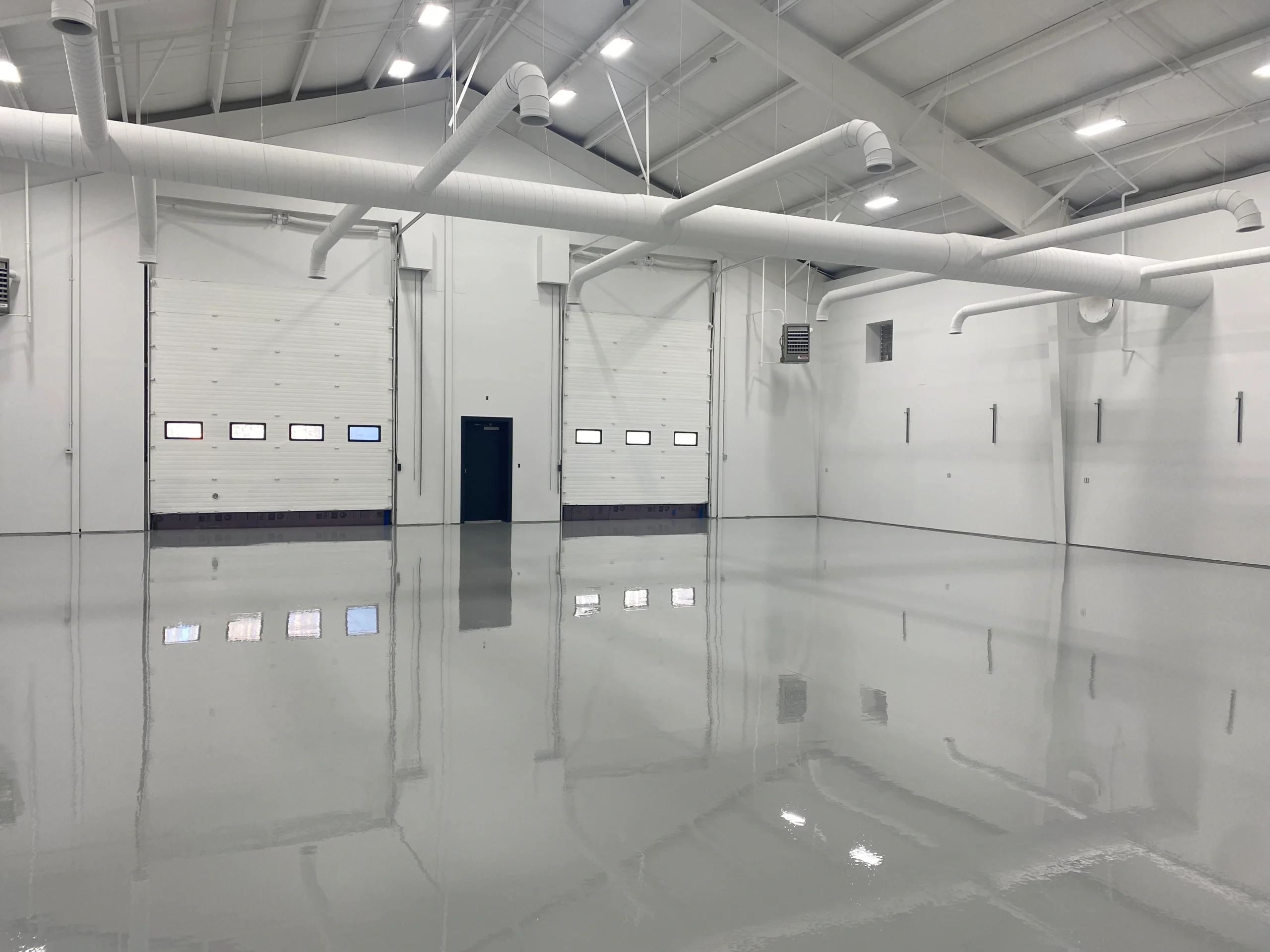
- Industrial Interior Coating: Manufacturing and processing facilities require coating systems with specific chemical resistance, slip resistance, or food-grade compliance characteristics that standard commercial interior paint cannot provide.
- Occupied Retail and Office Interiors: Tenant-in-place painting in retail centers and office buildings requires phased scheduling, low-odor products, and tenant communication protocols that minimize disruption while keeping the project moving on schedule.
How to Hire the Right Commercial Painters for Your Boston Project
The selection process for commercial painters in Boston, MA and surrounding areas should be methodical rather than reactive. Getting multiple proposals, verifying credentials, checking references, and evaluating scope specificity before making a selection is the process that consistently produces better outcomes than selecting on price alone.
Issue a Detailed RFP
Provide prospective contractors with a written scope of work that specifies the building type, the surfaces to be painted, the access constraints, the occupancy conditions, and any specific product or performance requirements you are aware of. A detailed RFP produces more comparable proposals and signals to qualified contractors that you are a serious client who expects professional-level responses.
Compare Scope, Not Just Price
When proposals come back at significantly different price points, the first question should be what is different about the scope rather than what is wrong with the higher-priced proposal. Scope exclusions, preparation method differences, coat count variations, and product substitutions all account for price differences that look like efficiency but are actually risk transferred to the building owner.
Verify Everything Before Signing
Insurance certificates, licensing documentation, references, and warranty terms should all be verified and confirmed before a contract is signed. Any contractor who is reluctant to provide these items before signing is not a contractor worth working with in a commercial environment.
Work With Commercial Painters Who Know Boston
Commercial painting in Boston, MA and surrounding areas requires more than the ability to apply paint to a wall. It requires local market knowledge, technical coating expertise, professional project management, and the accountability that comes from a contractor who has been building a reputation in this market for years.
McLean Company has been delivering commercial painting work to properties across New England for decades. We bring the surface preparation standards, coating specification knowledge, and project management capability that commercial buildings in the Boston market require, and we stand behind the work with documented warranty terms.
Contact us today to schedule a site visit and talk through your commercial painting project with a team that knows this market and knows how to get the work done right.