(978) 774-4330


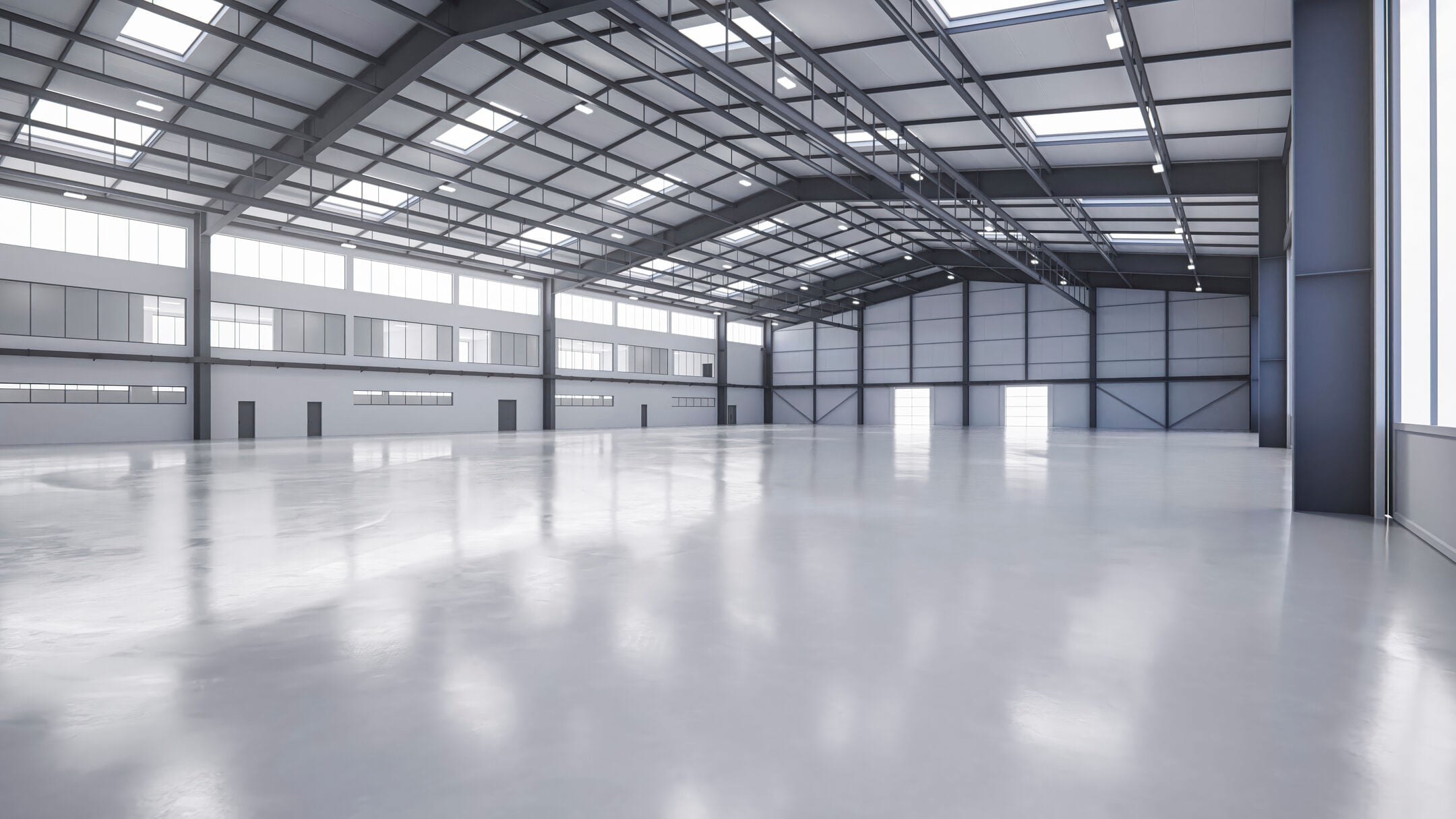
Polished concrete has a reputation for being maintenance-free, and that reputation gets facility managers into trouble. The surface is durable, but it still needs a plan. Good polished concrete maintenance protects the gloss, controls costs, and extends the life of the floor by years. For facilities in Nashua, NH and surrounding areas, where winter salt and moisture are tracked in daily, a routine matters even more. The same long-term thinking behind durable commercial floor systems built to perform for decades applies to keeping polished floors looking their best.
Here is what you will learn in this guide:
- Why polished concrete still needs a defined maintenance plan despite its durability
- The core steps of a maintenance program, from daily cleaning to periodic restoration
- Which products and habits damage polished floors and should be avoided
- How to build a realistic maintenance schedule and recognize when a floor needs restoration
- What Nashua, NH and surrounding areas facility managers should plan for in New England conditions
Why Polished Concrete Still Needs a Maintenance Plan

Polished concrete is ground and refined with progressively finer diamond abrasives, then treated with a densifier that hardens the surface. The result is a dense, reflective floor with no coating to peel or wear off. That is the source of its durability, and it is also the source of the myth that it never needs care. In reality, the polish is a surface condition, and that surface can be dulled by grit, etched by chemicals, and stained by spills that are left to sit.
The cost of neglect adds up slowly. Fine grit carried in on shoes acts like sandpaper under foot traffic and gradually scuffs the sheen, particularly in entries and main corridors. Salt and moisture from New England winters can etch the surface and leave marks that are difficult to remove. For facility managers in Nashua, NH and surrounding areas, a modest, consistent routine is far less expensive than periodic re-polishing of a floor that was allowed to deteriorate. Here is what a good maintenance program protects:
- Gloss and Appearance: Regular cleaning removes the grit and residue that dull the surface, which keeps the floor looking the way it did when it was installed.
- Slip Resistance: Clean, properly maintained floors maintain consistent traction, while residue and the wrong products can make a polished surface slick.
- Lower Lifecycle Cost: Routine care postpones costly restoration and keeps the original investment performing for many years.
- Stain and Etch Prevention: Quick response to spills and the right cleaning products keep acids, oils, and salts from marking the surface.
- Healthier Environment: A dense, sealed-feeling surface with no grout lines is easy to sanitize, and consistent cleaning reduces dust and allergens in the building.
6 Steps in a Polished Concrete Maintenance Program
A good maintenance program is a set of simple, repeatable tasks. None of them is difficult, but all of them need to happen on a schedule and be done with the right tools and products. The six steps below make up the foundation of a program that works in nearly any commercial facility.
1. Daily Dust Mopping
Dust and grit are the primary enemies of a polished floor. A microfiber dust mop removes them before foot traffic grinds them into the surface. In high-traffic areas, dust mopping should happen at least once a day, and more often in entries and corridors where the most dirt is brought in.
Use clean, soft microfiber pads and replace or launder them regularly. A dirty mop spreads grit around instead of removing it, and a stiff-bristled broom can scratch the surface.
- Dust mop daily, and increase frequency in entries and high-traffic zones
- Use microfiber pads and keep them clean
- Avoid stiff brooms and abrasive tools that can mark the surface
2. Regular Damp Mopping or Auto Scrubbing
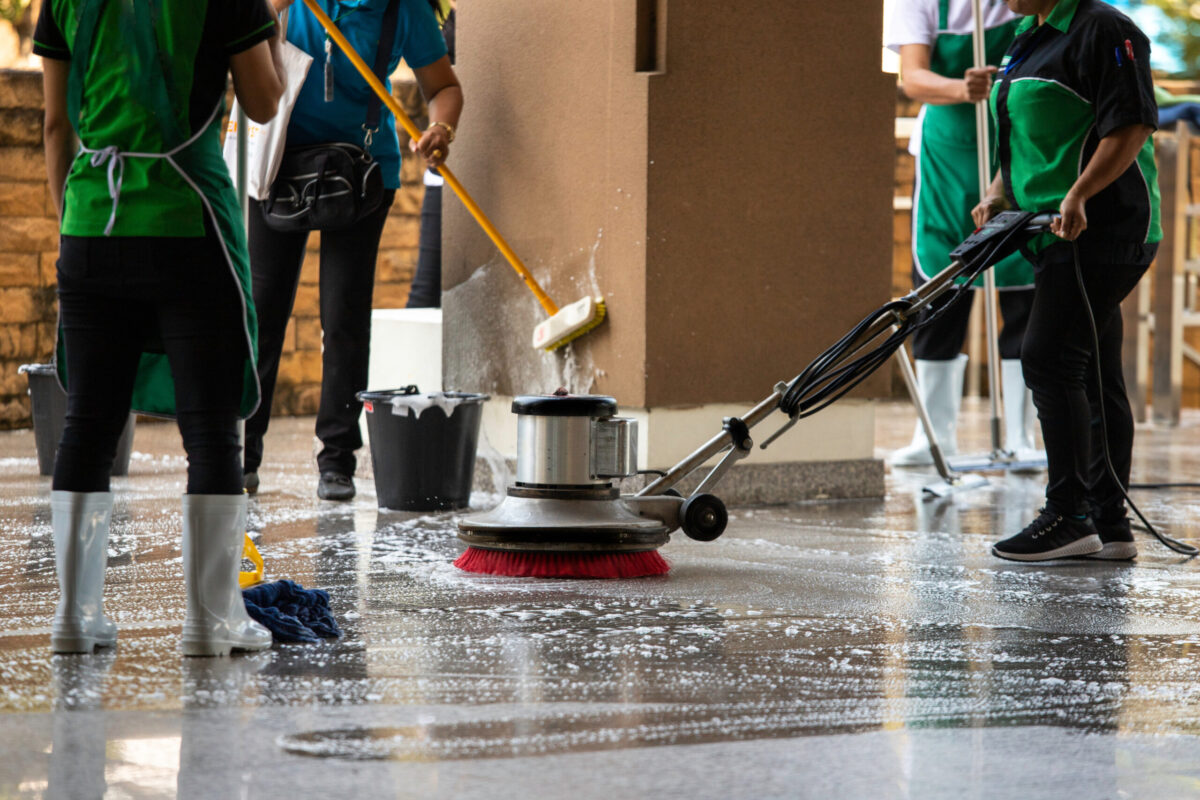
Dust mopping removes loose grit, but a floor also needs periodic wet cleaning to lift residue and film. Damp mopping or scrubbing with a neutral pH cleaner, which is specifically formulated to be safe for polished concrete, cleans without dulling or etching the surface. Auto scrubbers work well in larger facilities and can cover big areas efficiently.
The cleaner matters as much as the method. Acidic or highly alkaline products can damage the surface, while neutral cleaners dissolve soils and rinse cleanly. Rinsing or following with a clean-water pass prevents cleaner residue from building up and creating a hazy film.
- Use a neutral pH cleaner approved for polished concrete
- Follow dilution instructions, since too much cleaner leaves residue
- Rinse or follow with clean water in areas where residue tends to build up
3. Prompt Spill Response
Concrete is more porous than it appears, even when polished, and some substances can etch or stain it quickly. Acidic liquids such as coffee, juice, soda, and vinegar can leave marks if allowed to sit. Oils and chemicals can penetrate and stain if not cleaned promptly.
The simplest and most effective rule is to clean spills as soon as they happen. Blot rather than wipe to avoid spreading the spill, then clean the area with neutral cleaner and rinse. Staff in kitchens, break rooms, and service areas should know the procedure and have supplies at hand.
- Blot spills immediately, and avoid spreading them across the floor
- Pay special attention to acids, oils, and chemicals that can etch or stain
- Keep spill-response supplies in areas where spills are likely
4. Entry Mats and Winter Salt Control
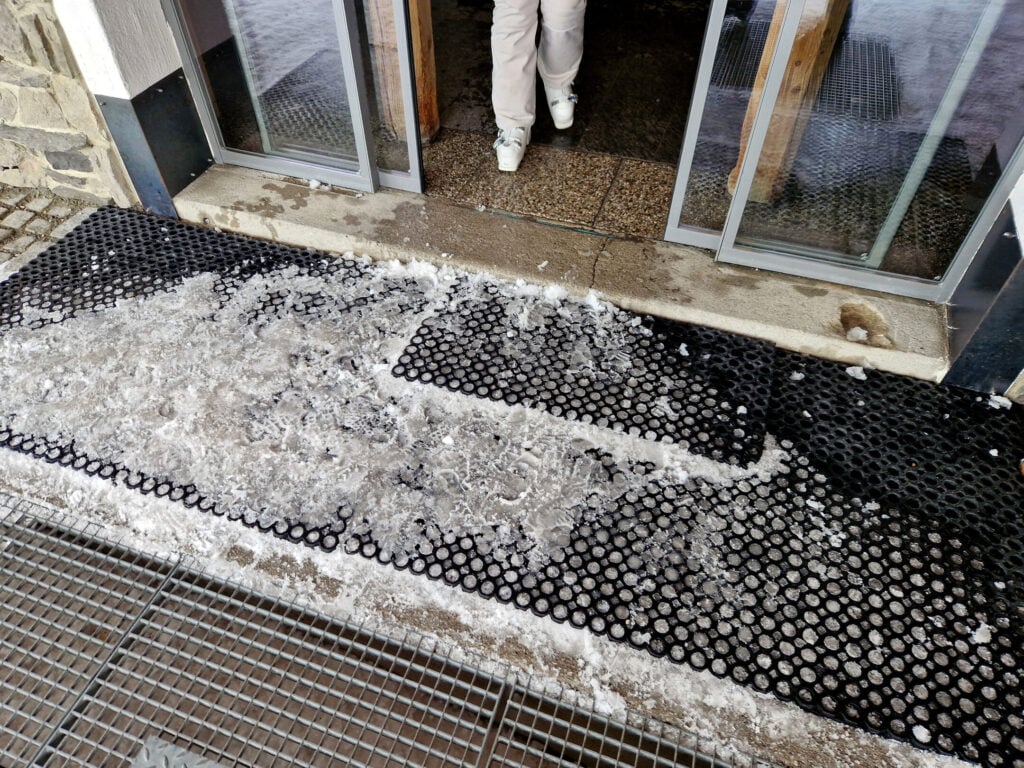
Most grit and moisture enter a building at the door. Walk-off mats at entrances catch a large share of it before it reaches the polished surface, which reduces both cleaning effort and wear. In New England, where winter brings salt, sand, and slush, entry matting is one of the most cost-effective tools available.
Use mats that are large enough for several steps of foot traffic, and keep them clean so they continue to work. Saturated or dirty mats lose effectiveness and can spread what they were meant to catch.
- Place walk-off mats at every entrance, with enough length for multiple steps
- Increase mat cleaning frequency during winter months
- Remove salt residue promptly, since it can etch the surface if left to dry
5. Periodic Burnishing and Maintenance Polishing
Even well-cared-for floors lose some sheen in high-traffic areas over time. Burnishing, which uses a high-speed machine with fine diamond or polishing pads, restores gloss without removing material. Done on a scheduled basis, it keeps the floor looking consistent and prevents the dull paths that develop in main corridors.
Burnishing frequency depends on traffic. Busy retail and institutional spaces may need it quarterly or twice a year, while low-traffic areas may need it less often. Some facilities choose to apply a periodic guard or densifier treatment at the same time to refresh the surface protection.
- Burnish high-traffic areas on a schedule that matches the level of use
- Use pads and equipment matched to the floor’s original polish level
- Consider periodic densifier or guard applications as recommended for the floor
6. Annual Inspection of Joints, Cracks, and Surface Condition
Joints and cracks need attention because they are where moisture and debris collect and where damage tends to start. An annual walkthrough looks at control joints, saw cuts, and any cracks that have developed, and checks whether the surface has been etched, stained, or worn through in particular areas.
Joint fillers can shrink or pull away over time, and fixing them early prevents edge damage and keeps dirt from collecting. Small repairs are inexpensive when done early and expensive when left until they have spread.
- Inspect joints and cracks yearly, and refill or repair them as needed
- Note areas of etching, staining, or uneven wear for targeted treatment
- Document the floor’s condition so changes over time are easy to track
What to Avoid When Maintaining Polished Concrete
Many floor problems come from well-intentioned cleaning that uses the wrong products or tools. Knowing what to avoid is as important as knowing what to do, and training cleaning staff on these points prevents most avoidable damage.
- Acidic Cleaners: Vinegar, citrus-based products, and acid-based cleaners can etch the surface and dull the polish, and they should not be used on polished concrete.
- Harsh Alkaline Degreasers: Strong alkaline products can discolor or damage the surface, and they should be used only when specifically approved for the floor.
- Abrasive Pads and Stiff Brushes: Scouring pads and aggressive brushes scratch the polished surface and create visible marks that are difficult to reverse.
- Wax and Film-Forming Finishes: Waxes and acrylic finishes are unnecessary on properly polished concrete, and they build up, trap dirt, and create a cloudy appearance over time.
- Oil-Based Soaps: These leave residue that attracts dirt and can create a slippery film on the surface.
- Dragging Heavy Equipment: Pallet jacks, carts with hard wheels, and furniture without protectors can scratch and gouge the surface.
Building a Realistic Maintenance Schedule
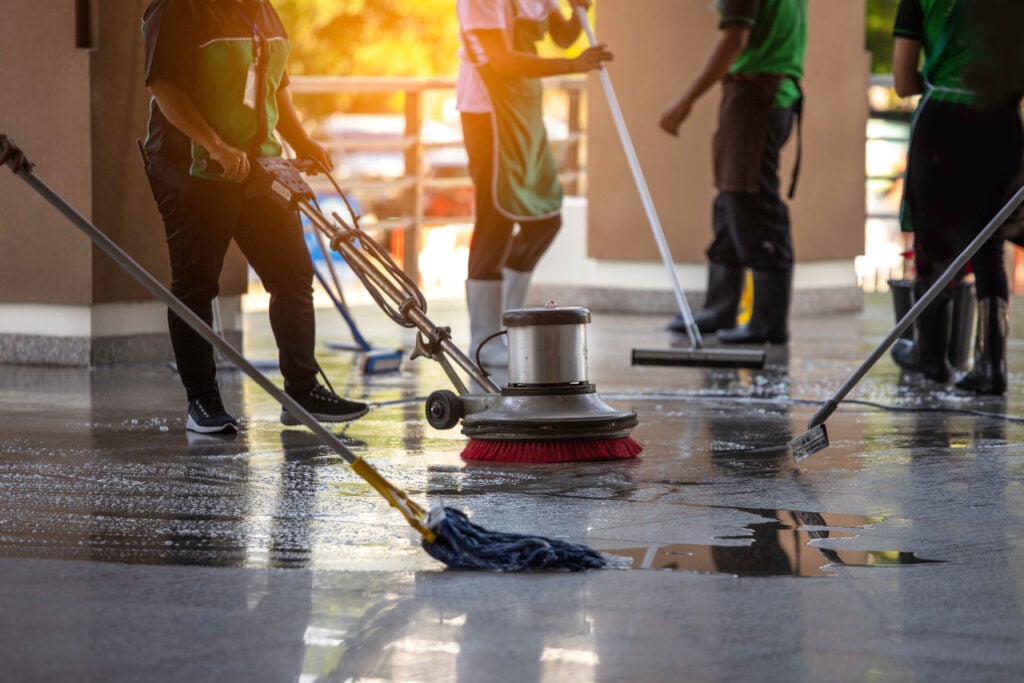
A written schedule turns good intentions into consistent practice. It also helps new staff understand expectations and makes it easier to see where a program is falling short.
| Task | Typical Frequency | Notes |
| Dust mopping | Daily | More often in entries and corridors |
| Damp mopping or auto scrubbing | Daily to weekly | Depends on traffic and soil load |
| Spill cleanup | Immediately | Prevents etching and staining |
| Entry mat cleaning | Daily, more in winter | Reduces grit and salt reaching the floor |
| Burnishing | Quarterly to annually | Frequency set by traffic level |
| Joint and crack inspection | Annually | Repair early to prevent spreading |
| Densifier or guard refresh | As recommended | Based on floor condition and manufacturer guidance |
Signs the Floor Needs Restoration
Even with good care, floors eventually need more than routine maintenance. Visible dull paths that burnishing does not restore, widespread etching, deep scratches, or areas where the polish has worn through all suggest that a restoration is due. Restoration typically involves re-grinding and re-polishing some or all of the floor to bring back the original level of sheen.
Planning Maintenance in New England Conditions
For facilities in Nashua, NH and surrounding areas, the winter months are the most demanding season for polished floors. Increasing mat maintenance, cleaning more often, and removing salt promptly help prevent seasonal damage from becoming permanent. Planning heavier maintenance, such as burnishing or guard applications, for spring helps restore the floor after the winter season and sets it up for the year ahead.
- Increase cleaning frequency during winter, particularly near entrances
- Schedule burnishing and refresh treatments after the salt season ends
- Review the floor annually and adjust the program based on how it is performing
Protect Your Polished Floor With a Plan That Works
Polished concrete is one of the most durable and cost-effective floors available, and a simple, consistent maintenance program keeps it that way. Daily dust mopping, appropriate wet cleaning, prompt spill response, good entry matting, periodic burnishing, and an annual inspection are enough to keep a floor looking excellent for years.
McLean Company works with commercial and industrial facility owners across New England to assess polished concrete floors, recommend maintenance programs that fit their facilities, and handle restoration when floors need more than routine care. If your polished floor is losing its sheen, showing etching or wear, or you want to put a maintenance plan in place, we can evaluate it and give you a clear recommendation.
Contact us today to schedule a floor assessment and get a maintenance and restoration plan built around the condition and use of your facility.