(978) 774-4330


A car dealership operates two very different environments under the same roof, and they have almost nothing in common when it comes to what the floor beneath them needs to do. The showroom is a sales environment where first impressions drive purchase decisions. The service bay is an industrial environment where oil, fuel, coolant, and heavy vehicle loads are daily constants. Getting the flooring right in both spaces is not a luxury decision. Car dealership flooring that underperforms in either zone creates problems that affect customer perception, technician safety, and the long-term condition of the facility itself. For dealerships in Nashua, NH and surrounding areas competing in a demanding retail automotive market, the floor is part of the brand. Understanding what each zone actually requires is the starting point for a specification that works. The expertise behind high-performance concrete floor systems built for demanding commercial and industrial use applies directly to what dealership floors face every day.
Here is what you will learn in this guide:
- Why car dealership flooring requires different specifications for different zones within the same facility
- The primary flooring systems suited to dealership showrooms, service bays, and transitional areas
- What surface preparation involves and why it determines long-term floor performance
- How to evaluate your current dealership floor and plan for maintenance or replacement
- What Nashua, NH and surrounding areas dealerships should prioritize when specifying or upgrading their floor systems
Why Auto Dealership Flooring Is a Brand and Operations Decision

The floor of a car dealership works harder than almost any other commercial floor system in the retail sector. In the showroom, it needs to support the visual presentation of vehicles costing tens of thousands of dollars while withstanding the foot traffic of customers, the rolling weight of display vehicles, and the cleaning chemicals used to keep the space looking polished day after day. In the service bay, it faces a completely different set of demands: chemical spills from automotive fluids, vehicle lift loads, heavy tool impact, abrasive tire debris, and cleaning programs aggressive enough to remove embedded grease and oil contamination.
Neither zone can tolerate a floor that looks dated, fails prematurely, or creates safety hazards. For dealerships in Nashua, NH and surrounding areas, where customer expectations for facility quality are high and franchise standards often specify minimum appearance requirements, a floor that has worn, stained, or delaminated is a liability that affects both the customer experience and the technician work environment. Here is what a correctly specified dealership floor delivers across both zones:
- Brand Alignment: A polished, well-maintained showroom floor reinforces the premium presentation that vehicle brands and franchise agreements expect. A worn or stained floor communicates deferred maintenance regardless of how well the vehicles themselves are presented.
- Technician Safety: Service bay floors with adequate anti-slip performance, good lighting reflectance, and chemical resistance reduce the slip, trip, and chemical exposure incidents that create workers’ compensation and OSHA liability for dealership operators.
- Durability Under Dual Demands: Showroom floors that withstand vehicle rolling loads without surface crazing and service bay floors that resist automotive fluid penetration both contribute to a facility that maintains its appearance and function over a realistic service life rather than requiring premature replacement.
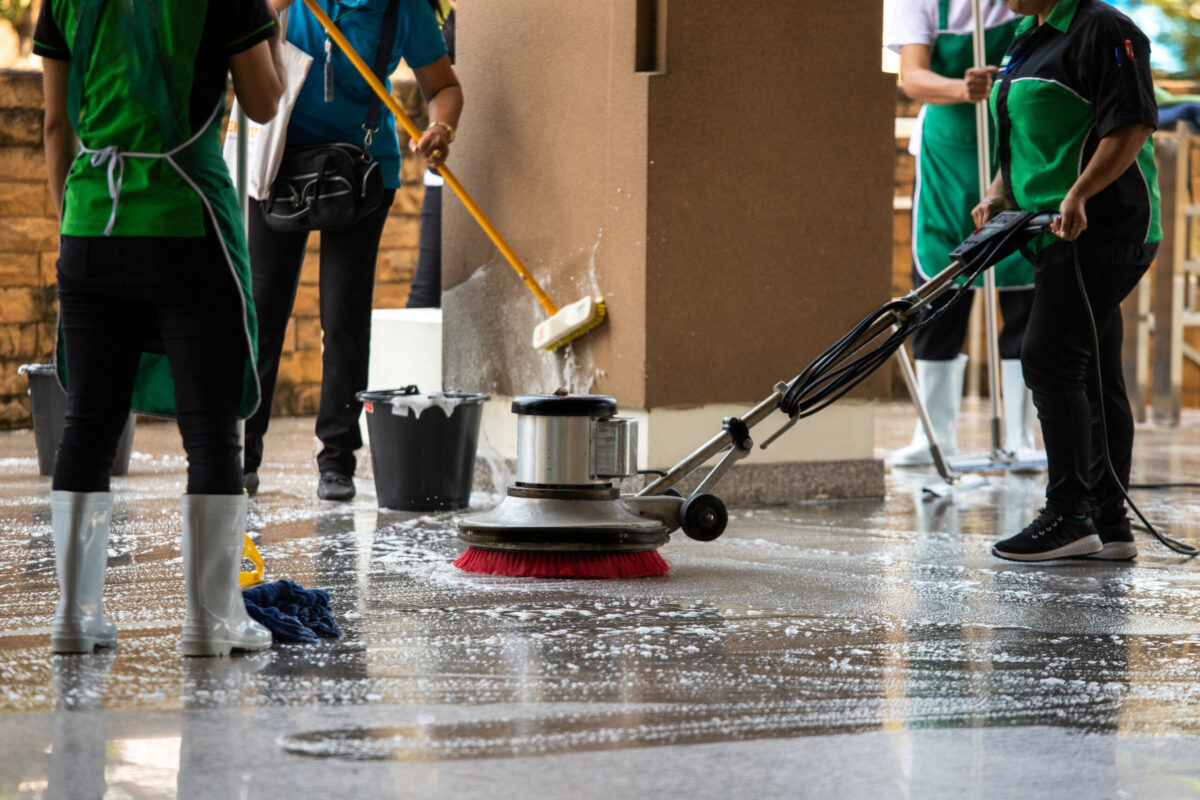
- Cleanability: Sealed, non-porous floor surfaces in both zones support the cleaning programs dealerships run daily, which keeps the facility looking customer-ready without the excessive labor required to clean contaminated concrete that has no surface protection.
- Compliance and Inspection Readiness: Franchise audits and manufacturer inspection programs often include facility appearance standards that flooring condition directly affects. A floor that meets or exceeds those standards is one less variable in a franchise relationship.
Dealership Flooring by Zone: What Showrooms and Service Bays Need
A car dealership is not a single flooring project. It is at minimum two distinct projects with different performance requirements, different products, and often different installation sequences. Understanding what each zone requires before specifying a system is what keeps a flooring project from delivering a showroom-appropriate product in a service bay or a service-appropriate product in a customer-facing space.
1. Showroom Flooring
The showroom is where the customer experience begins and where the visual standards of the dealership brand are most visible. Showroom flooring needs to present well, hold up under vehicle display loads, resist the cleaning chemicals used in daily maintenance, and maintain its appearance over a service life long enough to justify the investment.
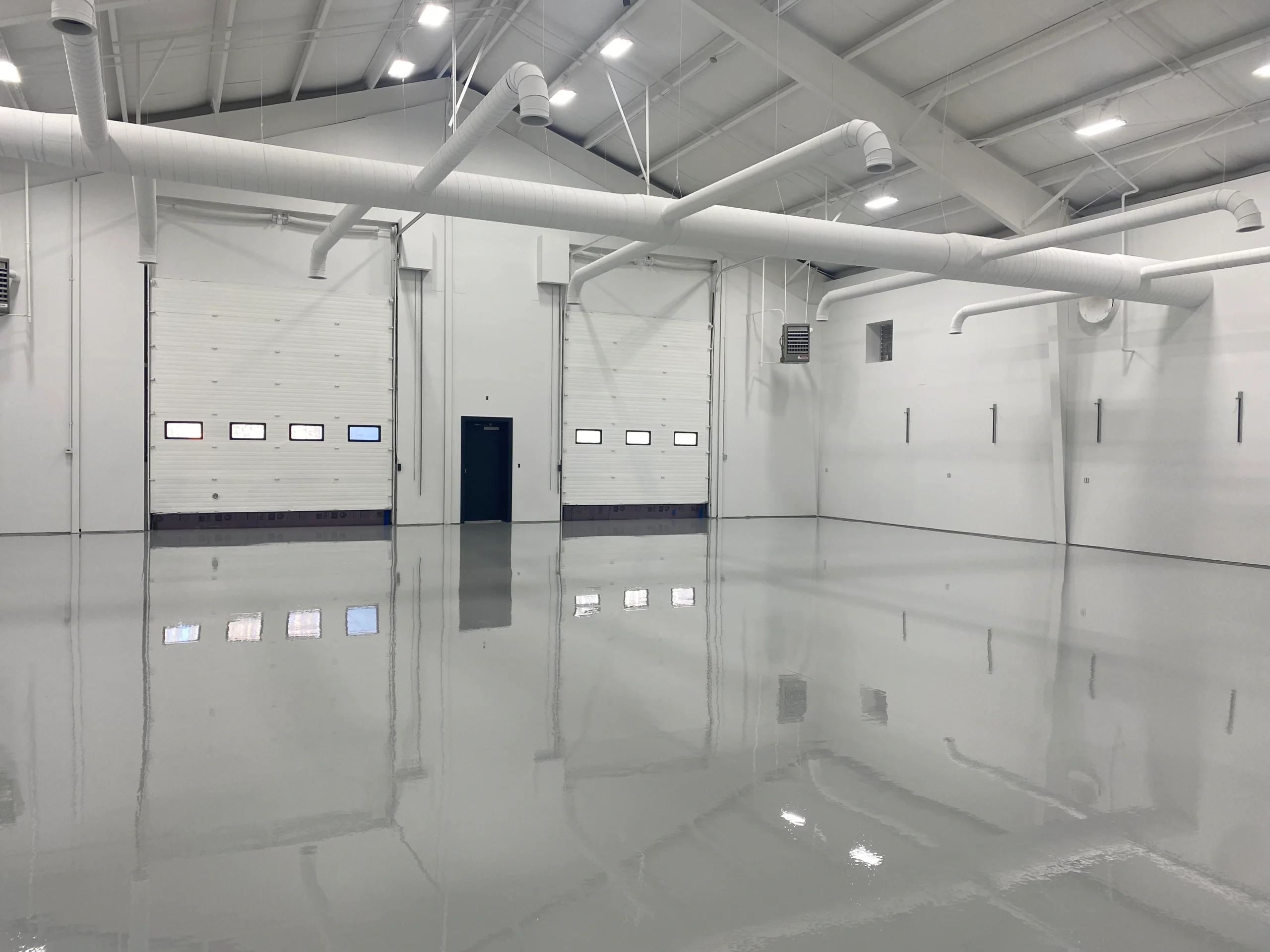
Polished concrete is the most widely specified showroom floor system for automotive dealerships, and for good reason. It produces a clean, reflective surface that complements vehicle presentation, requires no topical coating that can wear or delaminate under display vehicle loads, and is maintained with standard auto-scrubber equipment using pH-neutral cleaners. The polished concrete process mechanically refines the concrete surface through progressive diamond grinding passes and treats it with a chemical densifier that hardens and tightens the surface matrix.
- A mid-range showroom polish, typically GRIT 400 to 800 with a semi-gloss finish, provides the reflective surface that vehicle display requires without the maintenance demands of a high-gloss finish that shows every footprint and cleaning streak
- Concrete dye or stain applied before the final polish passes allows color customization that aligns the floor with the dealership’s interior design palette or brand standards without the film-forming coating that can peel or delaminate
- Showroom concrete must be verified for flatness before polishing begins. Display vehicles on floors with significant flatness variation create visual distortions in highly polished surfaces that undermine the presentation effect
2. Service Bay Flooring for Auto Dealerships and Independent Dealers
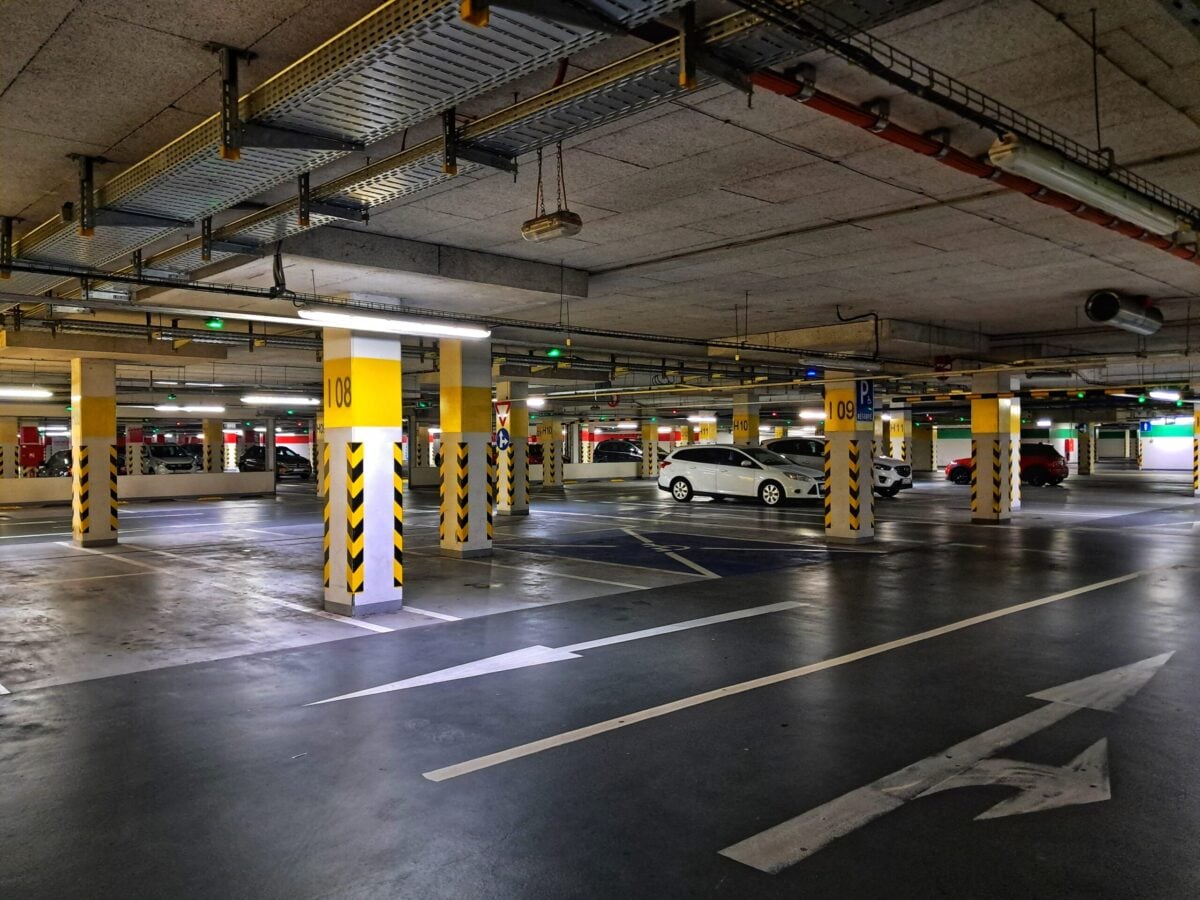
The service bay is the hardest-working floor in any automotive dealership. It faces vehicle lift loads of 10,000 pounds or more applied repeatedly to the same small pad areas, daily exposure to motor oil, transmission fluid, coolant, brake fluid, and fuel, impact from dropped tools and parts, abrasion from tire contact and foot traffic, and aggressive cleaning programs using degreasers that would destroy a polished concrete sealer within weeks.
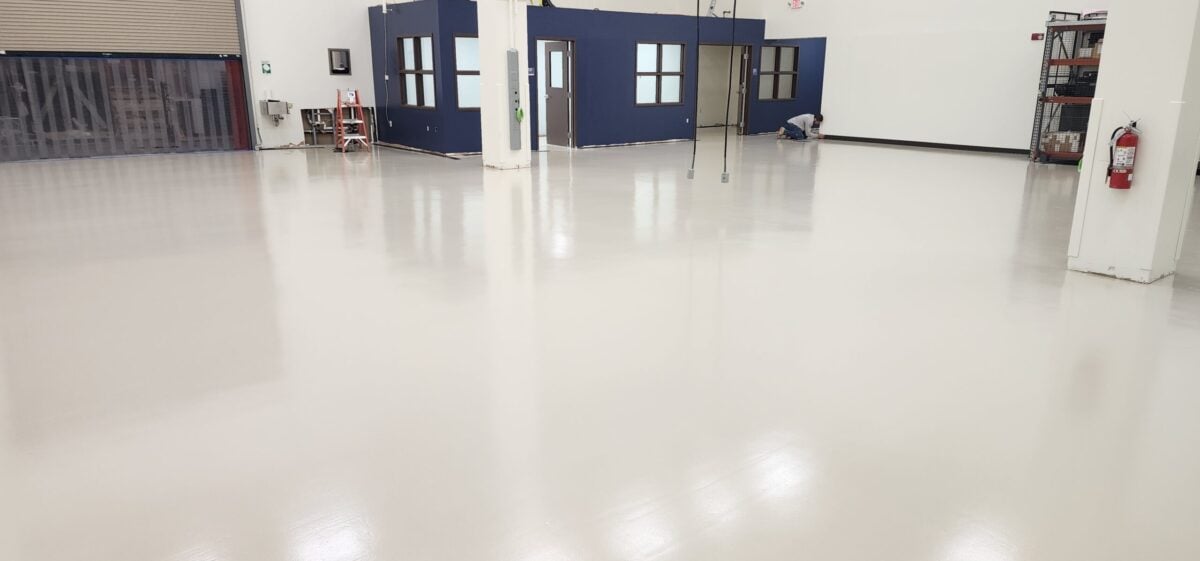
Broadcast epoxy systems with full-aggregate anti-slip texture are the standard specification for automotive service bays because they combine the chemical resistance of 100 percent solids epoxy with a surface texture that provides traction on wet surfaces and wear resistance that handles the mechanical abuse the service environment creates. Applied as a primer coat, epoxy base coat, full-broadcast quartz or aluminum oxide aggregate, and sealed epoxy topcoat, these systems deliver a surface that is cleanable, slip-resistant, and durable enough to handle the specific demands of automotive service work. This holds true whether the facility is a franchise location or one of the many independent dealers that run high-volume service operations with the same daily demands.
- 100 percent solids epoxy base coats provide maximum film build per coat without solvent evaporation loss, which is critical for achieving the total system thickness that resists the point loads from vehicle lift pads
- Full-broadcast aggregate systems conceal surface wear and minor staining better than smooth-troweled systems, which extends the visual service life of the floor between recoat cycles
- Coved base details at service bay walls, installed using the same epoxy mortar system, eliminate the floor-to-wall joint where oil and cleaning solution accumulate and degrade unprotected concrete
3. Parts Department and Customer Waiting Areas

Parts departments and customer waiting areas occupy the middle ground between showroom and service bay in terms of both foot traffic and appearance expectations. They need more durability than a polished concrete sealer can provide but a better visual finish than a service bay broadcast aggregate system delivers.
Polyaspartic floor coatings with a decorative vinyl flake broadcast are increasingly specified for these transitional zones because they provide the visual variety and professional appearance appropriate to a customer-adjacent space while delivering chemical and abrasion resistance that standard polished concrete or thin-film coatings cannot match. Vinyl flake systems conceal surface wear and minor contamination better than solid-color systems and are available in color palettes that complement dealership interior design schemes.
- Full-broadcast vinyl flake systems applied at high density provide a terrazzo-like appearance at a fraction of the cost and installation time of actual terrazzo, which makes them practical for mid-sized transitional zones that need a premium look
- Polyaspartic topcoats over vinyl flake provide UV stability that prevents yellowing in areas with natural light exposure from skylights or storefront glazing
- Decorative flake color combinations can be customized to align with dealership brand colors or franchise standards, which supports consistent visual identity across facilities
4. Wash Bays and Detail Areas
Vehicle wash bays and detail areas present the most chemically aggressive floor environment in a dealership facility. Wash chemicals, pressure washing at sustained flow rates, hot water, vehicle runoff containing road salt and grit, and continuous moisture create conditions that standard epoxy systems handle poorly over time.
Urethane cement systems are the appropriate specification for dealership wash bays because they bond through residual moisture in the slab, resist thermal shock from hot water contact, and tolerate the alkaline and acidic wash chemicals used in vehicle preparation without degrading at the rate that epoxy systems do. Applied in coved configurations that extend up the wall six to eight inches, urethane cement in wash bay areas eliminates the floor-to-wall joint that harbors bacterial growth and allows water infiltration in high-moisture environments.
- Urethane cement systems applied at a minimum of 3/16 inch thickness provide the mass and thermal resistance that hot water wash applications require
- Anti-slip aggregate profiles in wash bay urethane cement should be more aggressive than in dry service areas because the constant water film reduces traction more severely than intermittent wet conditions
- Floor drain surrounds in wash bays are high-stress points that require specific attention during installation to ensure the coating system is fully bonded and sealed at the most moisture-concentrated location in the space
Surface Preparation: The Non-Negotiable Starting Point
Every flooring system discussed above performs only as well as the substrate preparation beneath it allows. A polished concrete finish that does not achieve the expected gloss is almost always a substrate flatness or concrete quality issue, not a grinding problem. An epoxy system that delaminates in a service bay is almost always a preparation failure, not a product failure. For dealerships in Nashua, NH and surrounding areas specifying new installations or replacing failed systems, the preparation scope is where the investment is protected or squandered.
Concrete Assessment
Before any flooring product is specified, the concrete substrate should be assessed for moisture vapor emission, surface hardness, existing contamination, flatness, and crack condition. Service bay concrete with years of oil contamination requires chemical degreasing, verification of degreaser removal, and mechanical profiling before any coating will achieve durable adhesion. Showroom concrete with flatness defects may require grinding or self-leveling overlay before polishing begins.
Mechanical Profiling
Shot blasting is the preferred preparation method for service bay epoxy applications because it opens the concrete surface profile, removes contamination, and provides the mechanical anchor that high-build epoxy systems require. Diamond grinding is used for showroom polishing sequences and for perimeter work around equipment and drains where blast equipment cannot access.
Moisture Testing
Moisture vapor emission from within the concrete slab is one of the most common causes of epoxy delamination in both showroom and service bay applications. Testing per ASTM F1869 before product selection determines whether a moisture-tolerant primer is needed and prevents the common failure mode of applying a standard epoxy primer to a slab with elevated moisture emission.
Planning Your Dealership Floor Plan and Flooring Project Around Operations

Dealerships cannot close for a week while flooring is installed. A flooring project in an active dealership requires phased installation planning that keeps service operations running and customer areas accessible throughout the work, and that plan needs to be developed before installation begins rather than improvised on site.
Phased Installation Sequence
A typical dealership flooring project is phased by zone, starting with the service bay because it generates the most odor and requires the most preparation time, followed by transitional areas, followed by the showroom during a period when vehicle display can be temporarily consolidated. Each phase requires a clear return-to-service timeline that the dealership’s operations team can plan around.
Scheduling Coordination
Off-hours and weekend installation is common on dealership flooring projects to avoid interfering with sales and service operations during peak business hours. For dealerships in Nashua, NH and surrounding areas, coordinating installation schedules with the service department’s operating calendar prevents the conflicts that delay projects and increase costs when crews and operations compete for the same floor space.
Vehicle and Equipment Management
Lifts, toolboxes, parts storage, and display vehicles all need to be relocated during installation and kept off freshly coated surfaces during cure. Confirming with the flooring contractor how vehicle weight and equipment movement will be managed during each phase of the project prevents the common problem of freshly applied coatings being damaged by equipment before they have reached full cure.
Get the Right Floor for Every Zone in Your Dealership
Car dealership flooring is not a single-product decision. It is a zone-by-zone specification that matches the right system to the specific demands of each area, applied over properly prepared concrete, and maintained with the cleaning and inspection programs that extend service life to match the investment.
McLean Company works with automotive dealerships and commercial facility owners across New England to specify and install flooring systems that meet the visual, performance, and durability requirements of every zone in the building. We assess the substrate, match the product to the environment, and execute the work with the preparation discipline that produces results that last.
Contact us today to schedule a dealership floor assessment and get a zone-by-zone specification built around what your facility actually requires.