(978) 774-4330

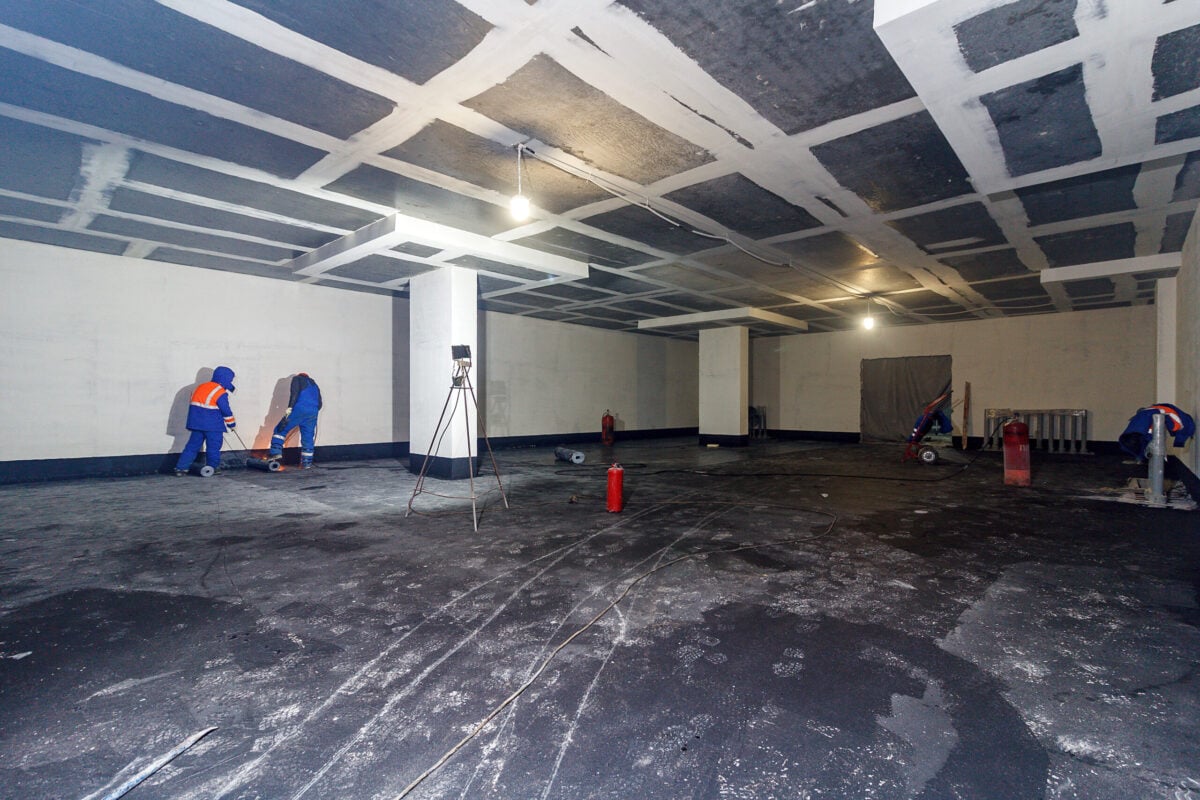
A parking structure looks like a simple building, but its relationship with water is uniquely destructive. Every vehicle that enters carries moisture, road salt, and chemical residue that gets deposited directly onto the deck surface. Rain drives in through open facades. Freeze-thaw cycles attack every crack and joint. Without a functioning waterproofing system protecting the concrete beneath, the result is chloride-induced rebar corrosion, spalling, delamination, and structural repair costs that are orders of magnitude higher than the waterproofing program that would have prevented them. Hiring the right parking garage waterproofing contractor is not just a maintenance decision. It is a structural investment in the longevity of a significant asset. For parking structure owners and property managers in Nashua, NH and surrounding areas, understanding why waterproofing matters and exactly how it is done is the foundation for making that investment count. The same discipline behind high-performance deck coating and concrete protection systems definhttps://homeguide.com/costs/commercial-painting-costes what professional parking garage waterproofing looks like in practice.
Here is what you will learn in this guide:
- Why water and chloride infiltration are the primary drivers of parking structure deterioration
- How parking garage waterproofing is done correctly, from assessment through coating application
- Which waterproofing systems are appropriate for different parking structure zones and exposure conditions
- What to look for when hiring a parking garage waterproofing contractor
- How Nashua, NH and surrounding areas parking structure owners can protect their investment proactively
Why Parking Garage Waterproofing Is a Structural Necessity, Not Optional Maintenance

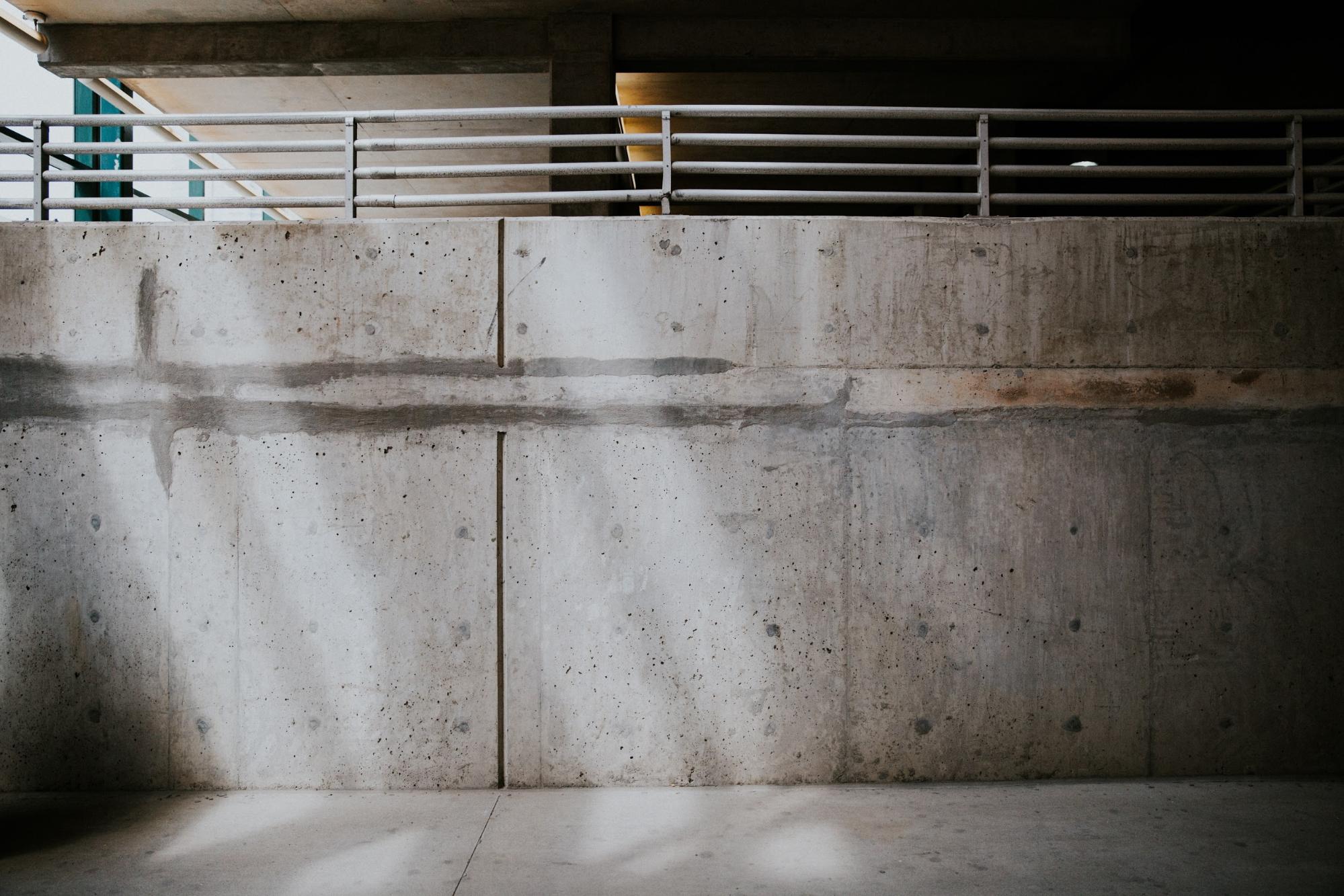
Concrete is strong, but it is porous. In a parking structure, that porosity means every rain event, snowmelt, and vehicle drip carries chlorides from road salt directly into the slab. Once chlorides reach the embedded reinforcing steel, corrosion begins. Corroding rebar expands as it oxidizes, generating internal pressure that fractures the concrete from within. The result is the delamination and spalling visible on neglected parking structures everywhere in New England, and it is entirely preventable with a correctly specified and maintained waterproofing system.
The economic argument for parking garage waterproofing is clear when the numbers are laid out. Applying a deck coating system to a sound, well-prepared parking structure costs a fraction of the structural repair that becomes necessary when waterproofing is deferred. Partial structural repair on a deteriorated deck can cost ten to twenty times the cost of a proactive waterproofing program per square foot. For property owners in Nashua, NH and surrounding areas who manage multi-level parking structures, the math consistently favors early intervention. Here is what a correctly specified waterproofing program protects:
- Structural Integrity: A continuous waterproof membrane prevents chloride infiltration that triggers rebar corrosion, spalling, and the structural capacity loss that eventually forces costly remediation or deck replacement.
- Extended Asset Life: Parking structures with maintained waterproofing programs routinely serve their intended life without major structural intervention. Those without them can require significant repair within fifteen to twenty years of construction.
- Liability Reduction: Spalling concrete, delaminated surfaces, and surface irregularities from deterioration create trip hazards and vehicle damage risk that generate liability exposure. A maintained deck eliminates those conditions.
- Reduced Long-Term Cost: The total cost of a proactive waterproofing and maintenance program over thirty years is significantly lower than the combined cost of reactive structural repair plus eventual waterproofing that deferred maintenance programs produce.
- Tenant and User Confidence: A clean, well-maintained parking structure signals active property management. A deteriorated one signals deferred maintenance, which affects tenant perception and property value.
5 Reasons Parking Garage Waterproofing Matters and How It Is Done
Parking garage waterproofing is not a single product applied in a single step. It is a system-based process that involves assessing the existing structure, preparing the substrate, addressing cracks and joints, applying the appropriate membrane or coating for each zone of the structure, and verifying performance before the structure returns to service. Understanding each of those steps is what allows a property owner to evaluate whether a contractor is proposing to do the work correctly.
1. Structural Condition Assessment
Every parking garage waterproofing project should begin with a systematic assessment of the existing deck condition before any product is specified or any work is priced. A condition assessment identifies areas of existing delamination and spalling, maps active crack locations and patterns, evaluates the condition of expansion joints and control joints, and identifies any areas where chloride contamination of the concrete may have already progressed to a level that requires structural repair before waterproofing.
For parking structures in Nashua, NH and surrounding areas that have been operating without a maintained waterproofing system for years, this assessment frequently reveals conditions that require repair before coating can be applied. Applying a waterproofing membrane over delaminated concrete, active cracks, or structurally compromised areas produces a membrane that cannot perform its function and fails prematurely.
- Sounding the deck with a chain drag or hammer tap is the standard method for identifying delaminated concrete that must be removed and repaired before coating
- Core sampling and chloride content testing identify areas where salt infiltration has progressed to a level that requires evaluation by a structural engineer before repair and coating decisions are finalized
- Expansion joint and control joint condition assessment must include evaluation of the existing sealant, the substrate on each side of the joint, and the joint width to determine whether sealant replacement or a more extensive cover system is required
2. Concrete Repair and Surface Preparation
Concrete repair precedes surface preparation in any well-executed parking garage waterproofing project. Delaminated areas identified during the condition assessment must be saw-cut, removed, and replaced with concrete repair mortar that achieves adequate compressive strength and bonds reliably to the surrounding substrate before any coating is applied over them.
Surface preparation for the deck coating follows concrete repair. Shot blasting is the preferred method for large open deck areas because it produces a consistent surface profile across the entire deck, removes surface contamination including tire rubber, oil, and road salt residue, and opens the concrete pore structure for mechanical adhesion of the waterproofing membrane. Diamond grinding is used for edges, drains, ramps, and any areas where blast equipment cannot access.
- Expansion joints and control joints require complete removal of existing failed sealant and substrate preparation before new sealant or cover systems are installed. Applying new sealant over old sealant is one of the most common causes of premature joint repair failure
- Drain surrounds require specific attention during preparation because they are high-stress points where the coating system transitions from the field to a penetration, and incomplete preparation at these locations produces early failure
- Moisture vapor emission testing should be conducted after surface preparation on any deck where the slab-on-grade relationship or weather exposure conditions suggest elevated moisture content
3. Expansion Joint and Crack Treatment

Expansion joints, control joints, and structural cracks in parking decks are the highest-risk locations for water infiltration in any parking structure. They are designed movement points that the surrounding concrete cannot bridge, and the waterproofing system must address them with materials and details specifically engineered for movement accommodation rather than simple sealant fill.
Active expansion joints in parking structures require flexible sealant systems or mechanical cover assemblies with movement ratings appropriate to the joint’s design movement range. Hairline cracks can be addressed with crack filler or membrane bridging. Structural cracks require evaluation to determine whether they are dormant or active before the appropriate treatment is selected.
- Polyurea crack filler provides rapid cure and good adhesion to concrete substrates for dormant crack treatment on parking decks. Active cracks require flexible sealant treatment to accommodate ongoing movement without fracturing the repair
- Traffic-bearing expansion joint cover systems are specified for joints in vehicle travel lanes where sealant alone cannot withstand the mechanical loads from vehicle traffic
- All joint and crack treatment must be completed and cured before the membrane coating system is applied over the treated areas
4. Membrane System Application
The membrane coating system is the primary waterproofing layer of any parking garage waterproofing program. System selection is driven by the specific exposure conditions of each zone in the structure. Exposed upper decks that receive direct rain, snow, UV exposure, and vehicle deicing chemical contact require a different system than interior deck levels protected from direct weather but still subject to vehicle drip and cleaning chemical exposure.
Polyurea membrane systems are the most widely specified for exposed parking deck applications because they provide excellent waterproofing performance, high elongation for crack bridging, rapid return to service after application, and strong resistance to the deicing chemicals that New England parking structures contend with every winter. Interior deck levels are frequently coated with traffic-grade epoxy systems that provide chemical resistance and wear resistance without the higher cost of polyurea.
- Application of polyurea membrane systems typically involves a primer coat, a base membrane coat applied to the full deck area, and a UV-stable aliphatic topcoat that provides color retention and surface wear resistance in sun-exposed areas
- Anti-slip aggregate is broadcast into the wet topcoat in pedestrian areas and ramp surfaces to provide OSHA-compliant traction in areas subject to water accumulation
- Return-to-vehicle-traffic timelines for polyurea systems vary by product and ambient conditions, but most systems allow return to service within 24 to 48 hours under typical conditions, which is a significant operational advantage over slower-curing systems
5. Quality Verification and Documentation
A correctly executed parking garage waterproofing project includes verification that the applied membrane achieves the specified thickness and integrity across the entire deck before the project is closed out. Holiday detection testing identifies pinholes and thin spots in the membrane that would allow water infiltration despite the appearance of a complete coating. Dry film thickness measurements verify that the system build matches the specified mil thickness that the manufacturer has designed the system to perform at.
For parking structures in Nashua, NH and surrounding areas whose owners want documented evidence that the waterproofing system was installed to specification, requesting a quality control report that includes thickness readings by area and holiday detection test results is a standard expectation on professional projects. That documentation also supports warranty claims if issues arise within the warranty period.
What to Look for When Hiring a Parking Garage Waterproofing Contractor
The technical demands of parking garage waterproofing separate qualified contractors from general coatings crews in specific and identifiable ways. Property owners who know what to look for can evaluate contractor qualifications accurately rather than relying on price as the primary selection criterion.
Documented Parking Structure Experience
Parking garage waterproofing involves access to occupied or semi-occupied structures, traffic management, phased installation to maintain partial operations, and coordination with building management that general commercial coating projects do not require. A contractor without documented parking structure experience will improvise these logistics and produce disruption that a more experienced contractor would have anticipated and managed.
Request project references from parking structure owners specifically, and follow up with at least two of them. Ask about how the contractor managed operations during the project, whether the phase plan was followed, and whether the deck condition at project completion and twelve months post-completion met expectations.
Product Knowledge and Manufacturer Relationships
Parking garage waterproofing systems from reputable manufacturers require certified or approved applicators to access certain warranty tiers. A contractor who cannot identify the specific system they are proposing by manufacturer and product name, and who cannot explain why that system is appropriate for the exposure conditions at your structure, is not specifying at a professional level.
Ask prospective contractors whether they are certified or approved applicators for the systems they are proposing. That status typically reflects training, technical knowledge, and a track record of successful installations that generic applicators do not have.
Proposal Completeness
A complete parking garage waterproofing proposal specifies the condition assessment process and documentation, the concrete repair scope and product specification, the joint and crack treatment approach and products, the membrane system by manufacturer and product name for each zone of the structure, the anti-slip aggregate specification for applicable areas, the quality verification methods to be used, and the warranty terms for both materials and workmanship.
Any proposal that does not include all of these elements cannot be fairly compared to one that does, regardless of what the total price looks like. The elements that are missing from a lower-priced proposal are the elements that determine whether the installed system actually performs.
Comparing System Types for Different Parking Garage Zones

Not every area of a parking structure has the same waterproofing requirements, and a qualified contractor specifies by zone rather than applying a single system across the entire structure. The table below provides a practical reference for matching system type to zone.
| Zone | Primary Exposure | Recommended System |
| Exposed upper deck | UV, rain, snow, deicers | Polyurea membrane with aliphatic topcoat |
| Covered interior levels | Vehicle drip, cleaning chemicals | Traffic epoxy, 2 to 3 coat |
| Ramps and transitions | Vehicle traffic, abrasion, moisture | Polyurea or traffic-grade polyaspartic |
| Pedestrian areas and stairwells | Foot traffic, moisture | Epoxy with anti-slip aggregate |
| Below-grade walls and foundations | Hydrostatic pressure | Crystalline or sheet membrane waterproofing |
| Expansion joints, field | Movement, water infiltration | Polyurethane or polyurea sealant |
| Expansion joints, traffic lanes | Vehicle load plus movement | Mechanical cover system |
Protect Your Parking Structure Before the Damage Compounds
Parking garage waterproofing is most effective and most cost-efficient when it is applied before chloride infiltration has reached the reinforcing steel and before structural deterioration has begun. Every season a deck operates without a functioning waterproofing membrane is another season of salt, water, and freeze-thaw damage progressing toward structural repair costs that dwarf the cost of the waterproofing program that would have stopped it.
McLean Company works with parking structure owners and property managers across New England to assess deck conditions, specify the right waterproofing system for each structure and zone, and execute installations with the preparation standards and quality verification that professional parking garage waterproofing requires. If your structure has a failing waterproofing system, has never been coated, or is showing early signs of deck deterioration, we can assess it and give you a straight picture of what it needs.
Contact us today to schedule a parking structure assessment and get a waterproofing recommendation built around the actual condition and exposure requirements of your deck.