(978) 774-4330

Parking garage decks operate in one of the harshest surface environments in commercial construction. Vehicle traffic, road salt, oil and fuel drips, freeze-thaw cycling, and hydrostatic moisture pressure from below all work simultaneously against an unprotected concrete slab. The concrete itself is structural, but without a correctly specified surface system, it deteriorates faster than the building around it. A parking garage floor coating is not a cosmetic treatment. It is a moisture barrier, a chloride barrier, a wear surface, and a safety system all in one installation. For property owners and facility managers in Hartford, CT and surrounding areas, understanding which system is right for your structure and what a correct installation involves is the difference between a floor that protects the garage for a decade and one that needs remediation within a few seasons. The same performance standards that define durable concrete floor systems in demanding commercial environments apply directly to parking structure deck coatings.
Here is what you will learn in this guide:
- Why parking garage concrete requires a dedicated coating system rather than standard paint or sealer
- The primary parking garage floor coating systems and how they compare in performance and cost
- What the installation process involves from surface preparation through topcoat
- How to evaluate coating condition and plan maintenance or replacement
- What Hartford, CT and surrounding areas property owners should know before specifying a parking garage coating project
Why Unprotected Parking Garage Concrete Fails Faster Than You Expect

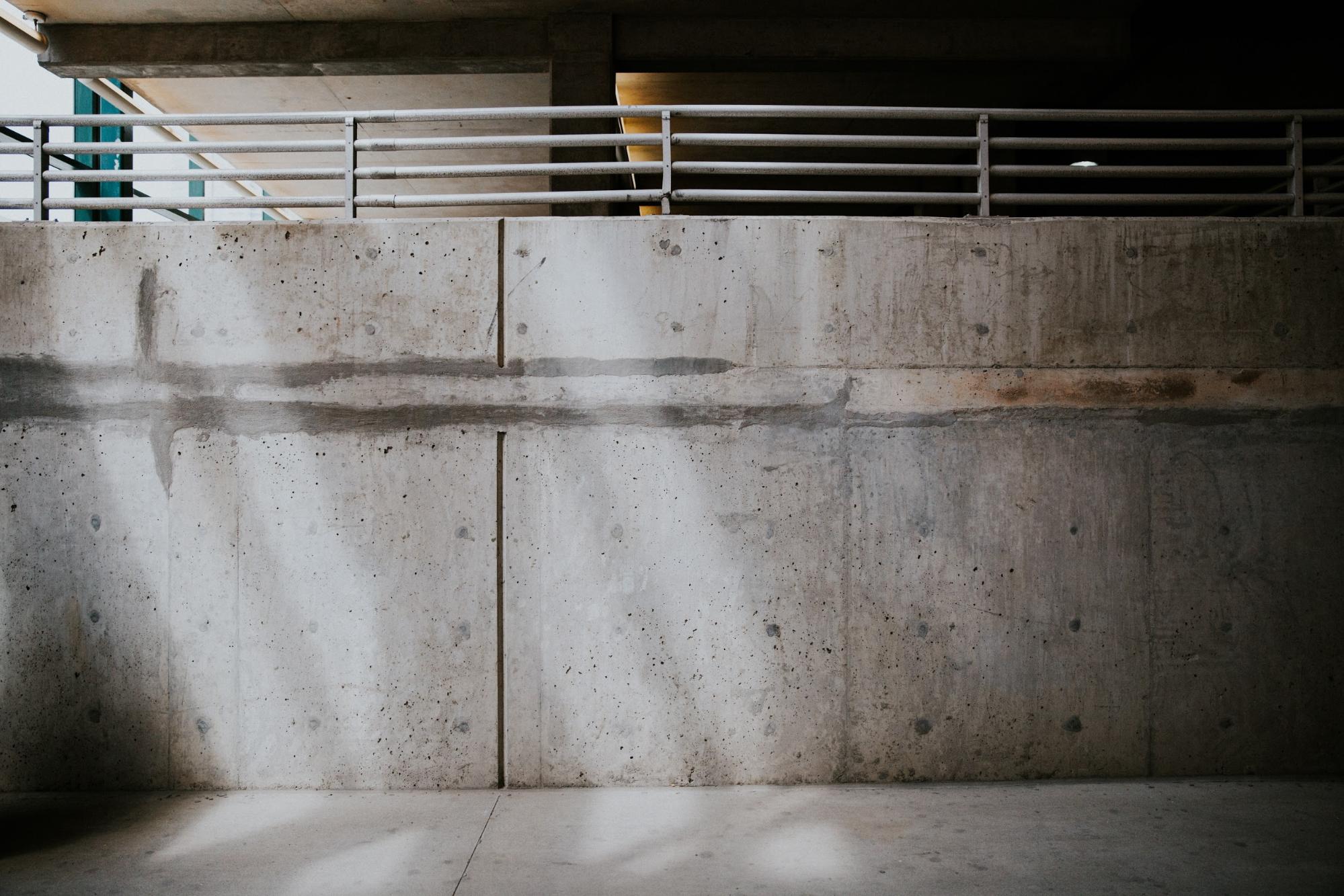
Concrete is porous. In a parking garage, that porosity means every rain event, snowmelt, and vehicle drip carries chlorides, oils, and moisture directly into the slab matrix. Road salt applied for winter traction in Hartford, CT and surrounding areas is particularly aggressive because sodium chloride in solution migrates through the concrete pore structure and reaches the embedded reinforcing steel, where it breaks down the passive oxide layer that protects the rebar from corrosion. Once corrosion begins, the expansion of the rust byproduct causes internal pressure that fractures the concrete from within, producing the delamination and spalling that defines a structurally compromised parking deck.
The progression from unprotected slab to structurally damaged concrete is not slow. In a New England climate with consistent road salt application and significant freeze-thaw cycling, an unprotected parking deck can develop active spalling within ten to fifteen years of construction. Structural repair of spalled parking deck concrete is expensive, disruptive, and entirely preventable with a correctly specified and maintained coating system installed before chloride infiltration begins. Here is what a properly specified parking garage floor coating protects against:
- Chloride Infiltration: A continuous coating membrane stops chloride-laden water from reaching the concrete pore structure and the embedded reinforcement, preventing the corrosion chain reaction that leads to structural spalling.
- Freeze-Thaw Damage: Water that enters unprotected concrete freezes and expands in cold temperatures, progressively fracturing the concrete matrix from within. A waterproof coating eliminates the water entry that makes this possible.
- Oil and Chemical Penetration: Vehicle fluids, fuel spills, and tire rubber compounds stain and degrade unprotected concrete surfaces. A coating system resists these materials and makes cleanup practical rather than remedial.
- Surface Wear: Traffic from vehicles and pedestrians progressively abrades unprotected concrete, generating dust and creating surface irregularities. A coating system provides a renewable wear surface above the structural concrete.
- Slip Hazard: Wet concrete without surface texture is a significant slip hazard for pedestrians. Anti-slip aggregate in the coating topcoat provides measurable traction improvement that reduces incident risk and liability exposure.
4 Parking Garage Floor Coating Systems: Benefits and What to Expect
Parking garage floor coatings are not a single product category. Several distinct system types exist, each with different chemistry, performance profile, installation requirements, and cost. The right system for a given structure depends on the deck exposure conditions, the traffic volume and type, the structural condition of the existing concrete, and the budget and timeline available for installation and return to service.
1. Polyurea Deck Coating Systems
Polyurea is the most widely specified parking garage floor coating system for exposed upper decks and rooftop parking structures where maximum waterproofing performance and flexibility are the primary requirements. Polyurea systems are applied as a seamless, fully bonded membrane that provides excellent elongation to bridge moving cracks, outstanding chemical resistance, and rapid cure times that minimize parking structure downtime during installation.
Applied systems typically consist of a crack-bridging base membrane coat followed by a traffic-bearing topcoat with anti-slip aggregate broadcast into the surface. The rapid cure chemistry of polyurea allows return to vehicle traffic within hours of topcoat application under optimal conditions, which is a significant operational advantage for high-occupancy parking structures that cannot sustain extended closure.
- Polyurea systems provide elongation values of 200 to 400 percent, which allows the membrane to bridge dynamic cracks without rupturing as the deck structure flexes under thermal and load cycling
- Chemical resistance to fuel, oil, brake fluid, and deicing chemicals is stronger in polyurea than in standard epoxy systems, making it the appropriate specification for exposed deck applications
- Color and aggregate options allow parking stall markings and pedestrian path differentiation to be integrated into the coating system during installation
2. Epoxy Traffic Coating Systems

Epoxy-based traffic coatings are specified for interior parking deck levels where the primary concerns are wear resistance, chemical resistance, and ease of cleaning rather than the maximum waterproofing performance required on exposed upper decks. Interior deck levels in multi-story parking structures are protected from direct rain and snowmelt by the decks above them, which reduces the waterproofing demand while maintaining the need for a durable, cleanable surface that resists vehicle fluid contamination.
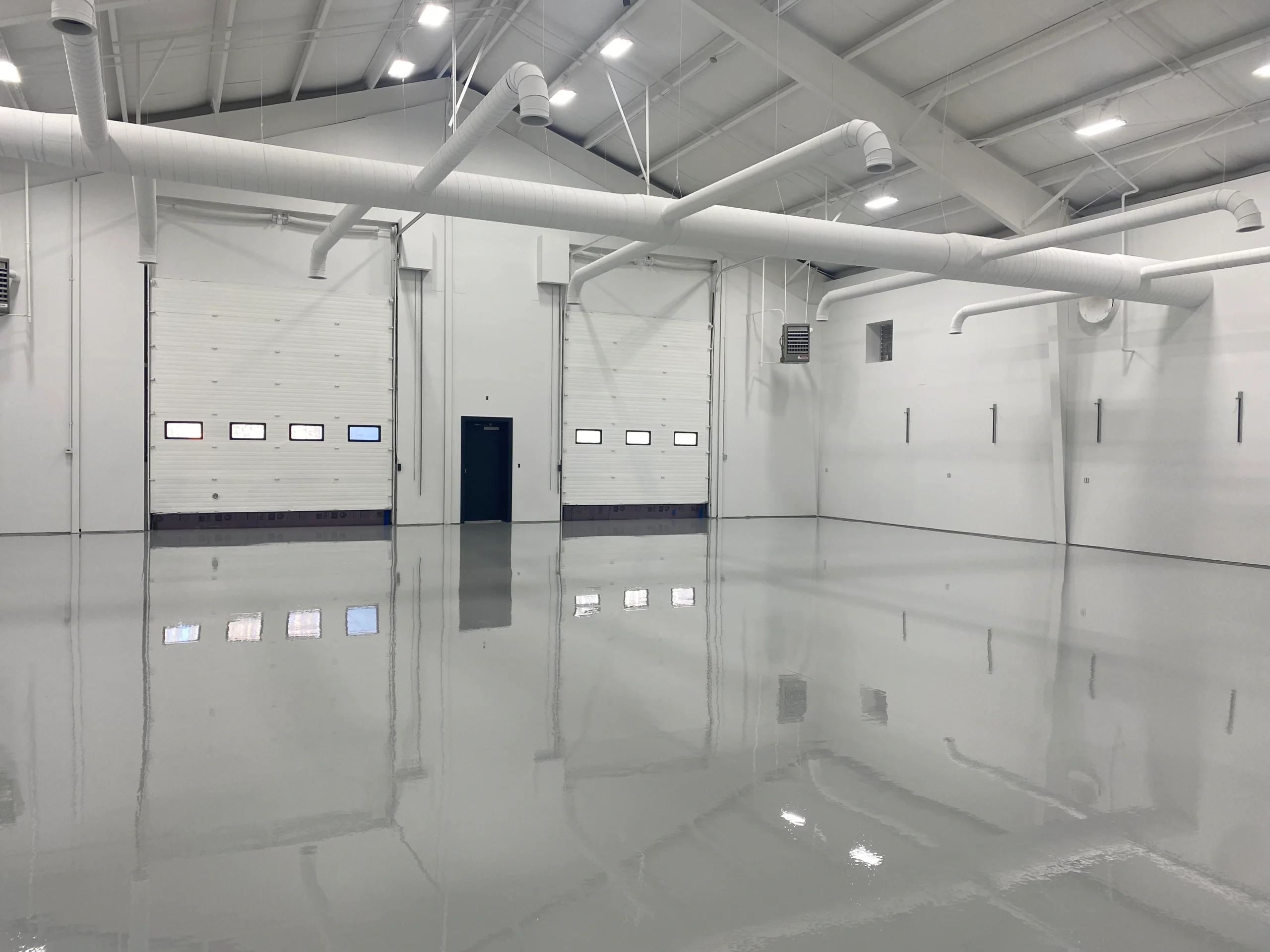
High-build 100 percent solids epoxy systems applied at 15 to 25 mils dry film thickness provide the abrasion and chemical resistance that interior parking deck traffic requires. Anti-slip aggregate broadcast into the topcoat provides pedestrian traction in areas where moisture from vehicle underbodies and tracked-in water creates slip conditions.
- 100 percent solids epoxy systems convert entirely to protective film without solvent evaporation loss, providing maximum film build per coat compared to water-based or solvent-based alternatives
- Interior parking levels specified with epoxy traffic coatings should still include a crack treatment protocol for existing cracks to prevent water from tracking through the slab at uncoated crack locations
- Light-reflective colors in interior parking deck coatings improve visibility in spaces with limited natural light, which has both safety and energy efficiency implications for the parking structure
3. Methyl Methacrylate (MMA) Deck Systems
Methyl methacrylate systems provide exceptional chemical resistance and are particularly well-suited for parking structures where return to service time is the most critical constraint. MMA systems cure through a catalytic reaction rather than through moisture or ambient temperature, which means they can be applied and returned to service at temperatures as low as 20 degrees Fahrenheit, a performance characteristic that no other parking deck coating chemistry can match.
For parking structures in Hartford, CT and surrounding areas that require coating application or repair during cold-weather months when polyurea and epoxy cure windows are limited or unavailable, MMA provides a viable option that does not require waiting for warmer conditions. The trade-off is odor during application that requires ventilation management in enclosed parking structures and higher material cost per square foot than epoxy or polyurea systems.
- MMA systems achieve functional cure in 45 to 90 minutes at ambient temperatures, which allows same-day return to traffic on repaired areas without extended closure
- Cold-temperature application capability makes MMA a practical specification for winter repair programs on parking structures that cannot sustain extended service disruption
- Odor management during MMA application in enclosed parking structures requires ventilation planning and may require temporary exclusion of the occupied portions of the structure during application
4. Polyurethane Traffic Membrane Systems
Polyurethane traffic membranes occupy a middle position between polyurea and epoxy in the parking garage coating spectrum. They provide better flexibility and waterproofing performance than standard epoxy but cure more slowly than polyurea, which affects installation scheduling. Polyurethane membranes are frequently specified for transition zones between exposed deck areas coated with polyurea and interior deck areas coated with epoxy, providing a compatible system at the interface between the two exposure zones.
Two-component aliphatic polyurethane topcoats are also commonly specified over polyurea or epoxy base coats in parking structures where UV stability is required. Unlike aromatic epoxy topcoats, which amber and chalk with UV exposure, aliphatic polyurethane maintains its color and gloss in sunlit parking areas, which is important for the visual presentation of customer-facing parking facilities.
- Aliphatic polyurethane topcoats are specified for exposed deck areas where UV stability is required to maintain marking visibility and surface appearance over time
- Polyurethane membrane systems provide crack-bridging capability intermediate between rigid epoxy and high-elongation polyurea, which makes them appropriate for deck structures with moderate crack movement
- Two-component polyurethane systems have shorter pot life than single-component alternatives and require controlled mixing ratios that affect application crew requirements and production efficiency
What the Installation Process Actually Involves

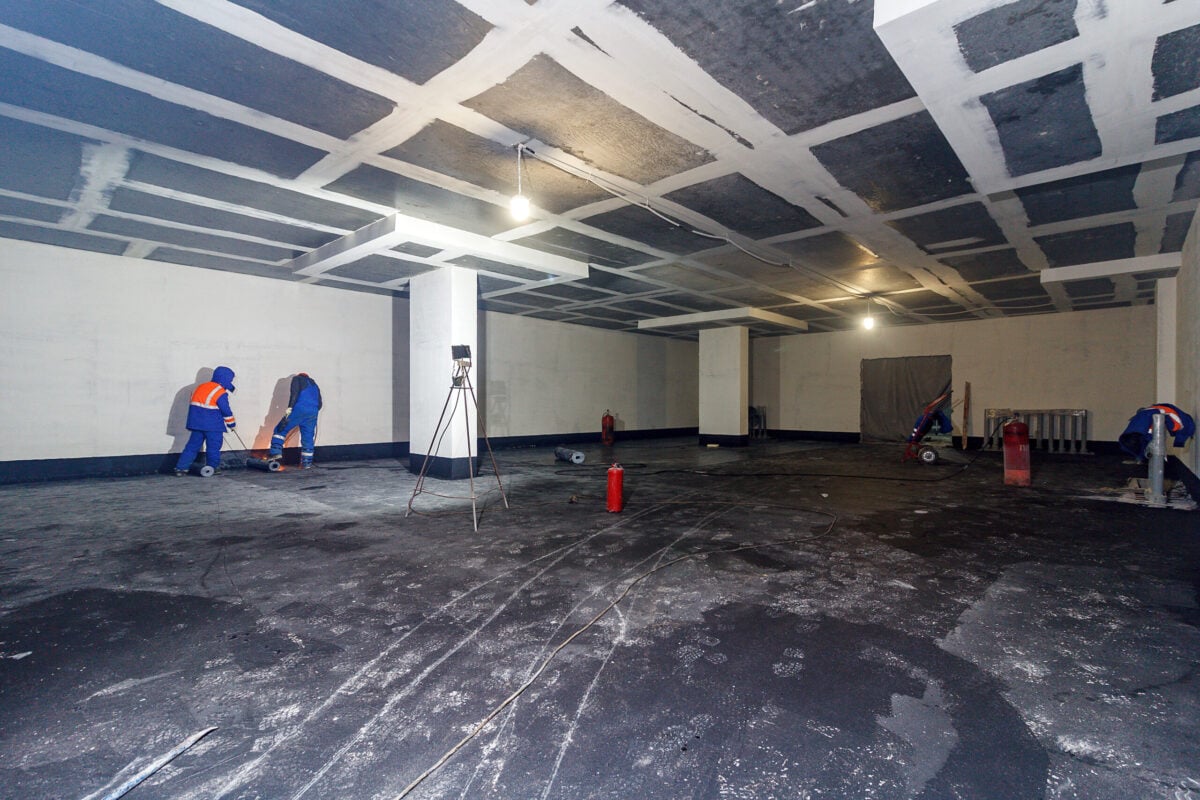
Understanding what a correctly executed parking garage floor coating installation looks like helps property managers evaluate contractor proposals accurately and plan the operational logistics of a project that requires temporary parking closure. The most critical stages of any parking deck coating project are the ones that happen before the first coat goes down.
- Condition Assessment and Testing: Before any product is specified, the deck concrete should be assessed for existing crack patterns, delamination, spalling, moisture vapor emission, and chloride contamination levels. Cores and chloride content testing on parking structures with an unknown maintenance history provide the information needed to determine whether a standard coating system is appropriate or whether structural repair must precede coating.
- Crack and Joint Preparation: All existing cracks require routing, cleaning, and filling with compatible sealant or rigid filler before the coating membrane is applied. Cracks not treated before coating will reflect through the membrane and provide a water infiltration path regardless of how intact the surrounding coating is.
- Mechanical Surface Preparation: Shot blasting is the preferred preparation method for parking deck concrete because it removes surface laitance, opens the concrete pore structure for maximum adhesion, and produces a consistent surface profile across the entire deck in a single pass. Diamond grinding is used for perimeter work and areas inaccessible to blast equipment.
- Primer Application: The primer coat establishes the adhesion bond between the prepared concrete and the coating system. Primer selection should match the substrate condition, with moisture-tolerant formulations used where vapor emission testing indicates elevated moisture levels in the slab.
- Membrane and Topcoat Application: Each coat is applied at the specified coverage rate and within the manufacturer’s recoat window to ensure inter-coat adhesion. Anti-slip aggregate is broadcast into the wet topcoat at the specified density and locked in with a clear seal coat where the system design requires it.
- Cure and Return to Service: The deck must be closed to traffic for the full cure period specified by the coating manufacturer before vehicles are permitted on the surface. Premature return to service is one of the most common causes of early coating failure in parking structures and produces damage that requires costly repair.
Maintenance and Recoat Planning for Parking Garage Coatings
A correctly specified and installed parking garage floor coating is not a permanent solution. It is a durable, renewable system that requires periodic inspection and maintenance to continue performing at the level the initial installation delivered. Planning for maintenance from the day the initial installation is completed is what separates parking structures that maintain their concrete protection over decades from those that cycle through premature failure and expensive structural repair.
Annual Inspection Protocol
Annual visual inspection of the parking deck coating identifies developing problems before they compromise the membrane’s waterproofing function. Key indicators to document include surface wear in high-traffic lanes and turning areas, edge delamination at perimeter details and drain surrounds, crack reflection through the coating surface, and any areas of blistering or bubbling that indicate moisture migration beneath the membrane.
Drain surrounds and ramp transitions are the highest-frequency failure locations in most parking deck coating systems because they experience concentrated traffic loads, thermal movement stress, and standing water exposure simultaneously. These areas deserve specific attention during annual inspections and are frequently the first locations to require spot repair between full recoat cycles.
Maintenance Cleaning Program
Parking deck coatings require regular cleaning to remove chloride-laden debris, oil deposits, and the tire rubber compounds that accumulate in traffic lanes and abrade the coating surface if not removed. Pressure washing with clean water on a seasonal basis, with particular attention to removing salt accumulation before it can dry and concentrate on the coated surface, extends coating service life measurably compared to decks that are not maintained between recoat cycles.
Recoat Cycle Planning
Most parking garage floor coating systems in active service in Hartford, CT and surrounding areas require a maintenance recoat every five to ten years depending on traffic volume, exposure severity, and whether the system has been maintained with regular cleaning and prompt spot repair. A maintenance recoat applied before the existing membrane has worn through to the concrete substrate costs significantly less than a full removal and reinstallation, which is required when the membrane has failed to the point where the concrete below has been contaminated or damaged.
Building the recoat cycle into the facility’s capital maintenance plan, with budget allocated and scope planned before the system reaches failure, keeps the parking structure protected without the emergency remediation costs that deferred maintenance consistently produces.
Protect Your Parking Structure Before the Next Season
Parking garage concrete is not self-protecting. Every season that passes without a functional coating system in place is another season of chloride infiltration, freeze-thaw cycling, and progressive concrete deterioration that brings the structure closer to the structural repair thresholds that make parking deck projects genuinely disruptive and expensive.
McLean Company works with parking structure owners and property managers across New England to assess deck conditions, specify the right coating system for the structure’s exposure and service requirements, and execute installations with the preparation standards and application discipline that produce coatings that last. Whether your parking structure needs a new installation, a maintenance recoat, or an assessment of a system that is showing early signs of failure, we are ready to take a look.
Contact us today to schedule a parking deck assessment and get a coating recommendation built around what your structure actually needs.