(978) 774-4330


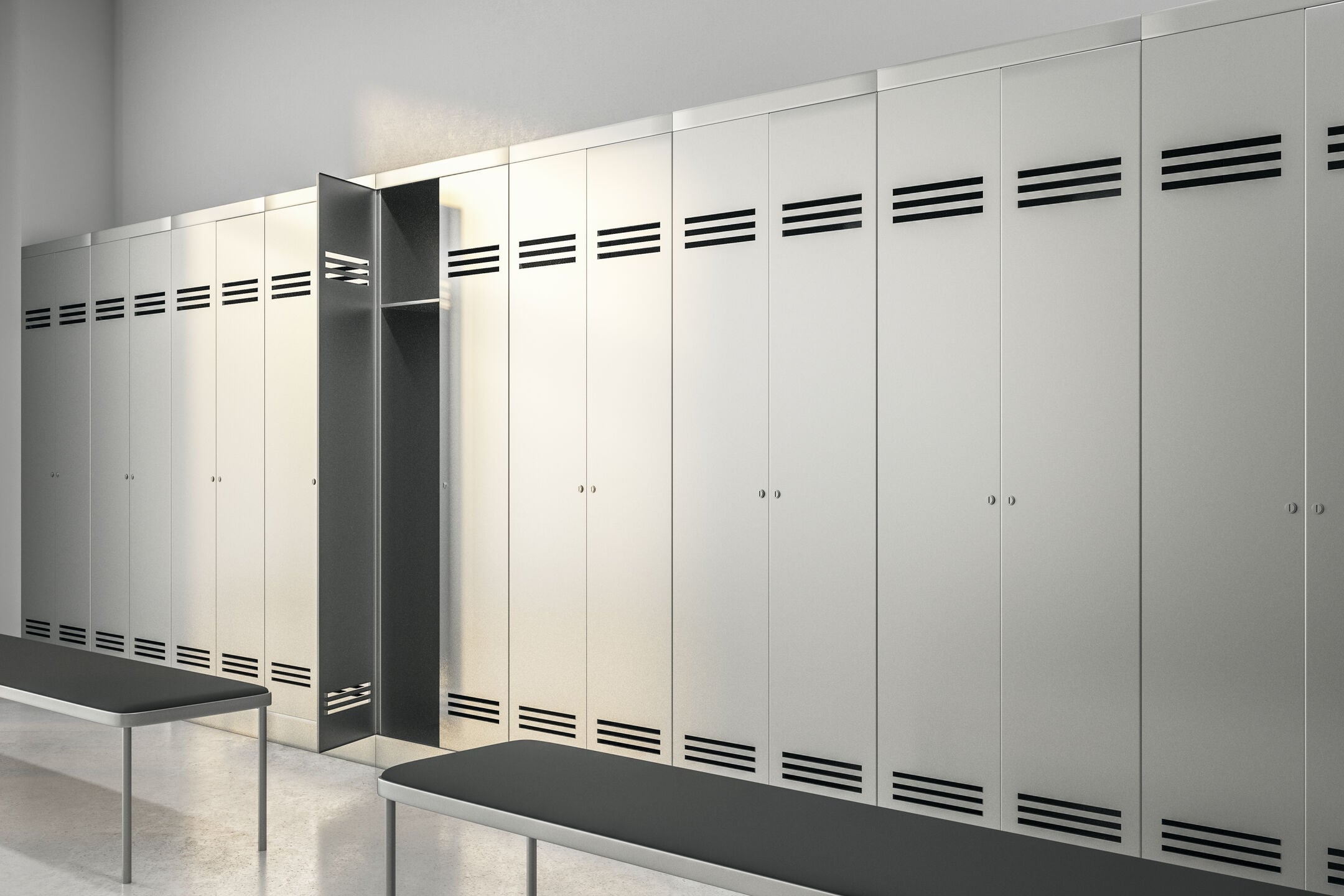
Locker rooms combine standing water, humidity, bare feet, and heavy daily use, which makes them one of the toughest environments for any floor. The wrong surface becomes slippery, harbors mold, and fails in months. Locker room flooring has to resist moisture, provide traction, and clean easily without breaking down. For schools, gyms, and recreation facilities in Waltham, MA and surrounding areas, choosing correctly protects both users and budgets. The same moisture-focused approach behind commercial floor systems built for wet, high-traffic spaces applies directly here.
Here is what you will learn in this guide:
- Why locker rooms are among the most demanding spaces to floor in any facility
- The moisture-resistant flooring systems that perform best and how they compare
- What preparation work, including moisture testing and drainage, determines long-term success
- How to maintain a locker room floor so it stays safe, clean, and intact
- What Waltham, MA and surrounding areas facility managers should consider before choosing a system
Why Locker Rooms Are Among the Hardest Spaces to Floor
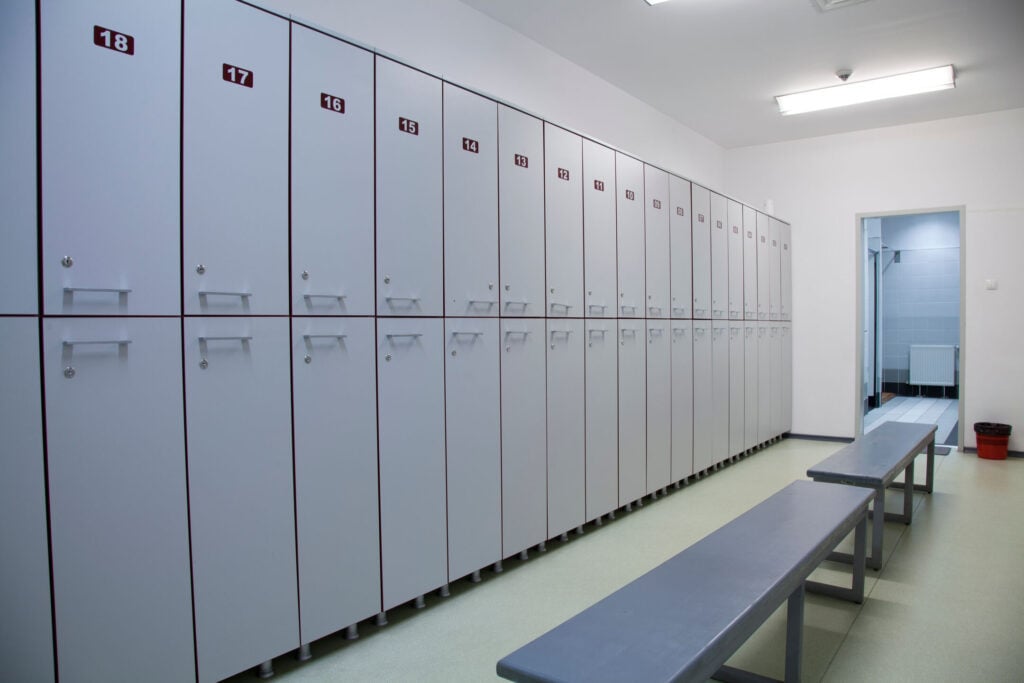
Few rooms in a building see water the way a locker room does. Showers run constantly, wet feet track moisture across every surface, and humidity stays high long after the last person leaves. That moisture soaks into porous materials, softens adhesives, and creates the damp, warm conditions where mold, mildew, and bacteria thrive. Add chemical cleaners, heavy foot traffic, and the physical load of benches and lockers, and a floor that works well elsewhere in a building can fail here within a single season.
Safety is the other major factor. Wet floors are slip hazards, and bare feet have no protection from rough or cracked surfaces. A floor that is too smooth causes falls, while one that is too rough is uncomfortable and hard to clean. For facilities in Waltham, MA and surrounding areas, including school gyms, health clubs, and municipal recreation centers, the right floor is a balance of traction, comfort, hygiene, and durability. Here is what a well-chosen locker room floor delivers:
- Moisture Resistance: A nonporous, sealed surface keeps water from soaking into the substrate, which prevents mold growth, odors, and the structural damage that persistent moisture causes.
- Slip Resistance: Textured surfaces provide traction when floors are wet and soapy, reducing falls and the injury claims that follow them.
- Hygiene and Cleanability: Seamless or tightly sealed surfaces leave no grout lines or seams for bacteria to collect, so routine cleaning actually removes contamination.
- Durability: A floor engineered for wet, high-traffic use withstands chemical cleaners, rolling carts, and heavy daily use without cracking, peeling, or wearing through.
- Comfort: Many systems can be specified with surface textures and thicknesses that are comfortable underfoot, which matters when users spend time barefoot.
5 Moisture-Resistant Locker Room Flooring Options That Last
Several systems are well suited to locker rooms, and the best choice depends on moisture levels, budget, comfort requirements, and the condition of the existing slab. The five options below are the ones most commonly specified for commercial and institutional locker rooms.
1. Epoxy Broadcast Systems
Epoxy flooring is applied as a liquid and cures into a hard, seamless surface that bonds directly to the concrete. In locker rooms, epoxy is usually installed with colored flakes or aggregate broadcast into the wet coating, which adds both texture for traction and a decorative finish that hides wear and dirt. The seamless surface leaves no joints for water or bacteria to collect.
Epoxy performs well in most locker room conditions, provided the substrate is properly prepared and moisture is addressed beforehand. Standard epoxy is hard, which some users find less comfortable underfoot, but it is extremely durable and easy to maintain.
- Seamless installation eliminates grout lines and seams where moisture and mold can collect
- Broadcast aggregate and flakes provide traction and hide scuffs and dirt
- Proper moisture testing and primer selection prevent bond failure over damp slabs
2. Urethane Cement Systems
Urethane cement is a hybrid material that combines the durability of cement with the flexibility and chemical resistance of urethane. It is the premium choice for locker rooms that see extreme moisture, hot water, steam, and aggressive cleaning. It tolerates thermal shock, bonds well to slightly damp concrete, and holds up under sustained wet conditions better than most alternatives.
Urethane cement is thicker than standard epoxy and creates a very tough surface. It can be installed with a coved base at the walls, which creates a continuous watertight transition and eliminates the corner where water often collects and leaks.
- Withstands steam, hot water, and repeated wet cleaning without losing adhesion
- Tolerates residual moisture in the slab better than most coating chemistries
- Often chosen for pool-adjacent locker rooms and facilities with heavy shower use
3. Polyaspartic Systems
Polyaspartic coatings cure much faster than epoxy, often allowing a floor to return to service within a day. That speed is valuable in facilities that cannot afford extended closures, such as schools that need to finish work between sessions or health clubs that want to minimize downtime. Polyaspartic topcoats also resist UV, stains, and abrasion, and they maintain their appearance over time.
These systems are frequently used as topcoats over epoxy base layers, combining the strength of epoxy with the fast cure and durability of polyaspartic. Their fast working time requires experienced installers, but the schedule benefits can be significant.
- Fast cure reduces closure time compared with traditional coatings
- Excellent abrasion, stain, and chemical resistance in the finished surface
- Commonly paired with an epoxy base for a complete, durable system
4. Welded-Seam Sheet Vinyl
Heavy-duty sheet vinyl with heat-welded seams creates a continuous, waterproof surface when installed correctly. It is softer and warmer underfoot than coatings, which many users prefer, and it comes in a range of colors and patterns. Coved at the walls, it forms a watertight surface that prevents moisture from reaching the substrate.
Sheet vinyl depends on a well-prepared, flat, dry substrate and careful seam welding. If moisture reaches the adhesive or the substrate, the vinyl can lift or blister. It is a good choice where comfort and appearance are priorities and moisture is well controlled.
- Heat-welded seams create a continuous waterproof surface when properly executed
- Softer underfoot than hard coatings, which improves comfort for barefoot users
- Requires reliable moisture control in the slab to protect the adhesive bond
5. Rubber Flooring
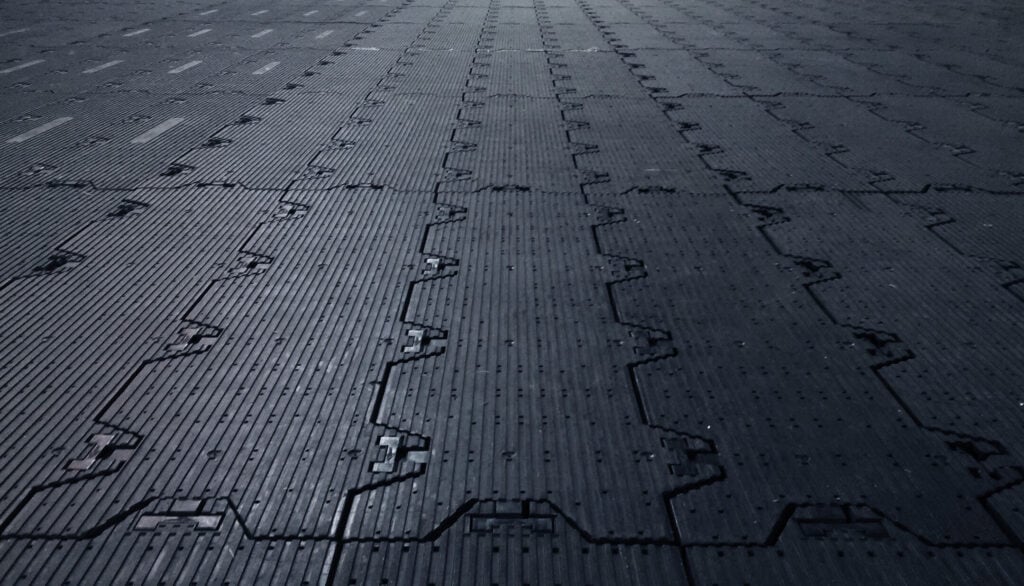
Rubber flooring is durable, slip resistant, and comfortable underfoot, which makes it a popular choice for athletic facilities and training areas. In locker rooms, it is often used in dry zones and walkways rather than in showers, because seams and edges can trap moisture in continuously wet areas. It also absorbs sound, which can help in busy facilities.
Rubber works best where the space has good drainage and ventilation, and where the floor is not constantly saturated. In wet zones, a seamless coating system is usually a better fit.
- Naturally slip resistant and comfortable, with good sound absorption
- Better suited to dry areas and walkways than to constantly wet shower zones
- Tiles and sheets must be installed with attention to seams and perimeter sealing
Preparing the Substrate: What Determines Long-Term Success
The product matters, but the work done before the floor goes down matters more. Locker room floors fail most often because of problems below the surface, and these are best addressed before installation rather than after a failure.
Moisture Testing
Concrete slabs release moisture vapor, and in a locker room that moisture is added to everything else the floor faces. Testing the slab before choosing a system tells you whether a moisture-tolerant product or a vapor barrier is required. Skipping this step is the most common cause of blistering and delamination in wet-area floors.
Slope and Drainage
Water has to go somewhere. Floors should slope toward drains so that water does not pool, and pooling is often a sign that the slab needs leveling or a sloped underlayment before coating. Drain surrounds and transitions also need careful detailing, because they are the most likely leak points in any wet-area floor.
Cove Base and Wall Transitions
A coved base carries the floor surface several inches up the wall, creating a continuous, watertight transition that prevents moisture from getting behind the baseboard or into the wall assembly. Cove details are especially important in showers and wet zones, and they simplify cleaning by removing the corner where dirt and water collect.
- Test moisture vapor emission before selecting a coating or vinyl system
- Confirm slopes direct water to drains, and correct low spots before installation
- Specify integral cove bases in all wet areas to keep water out of walls and subfloors
Comparing Options and Planning the Project
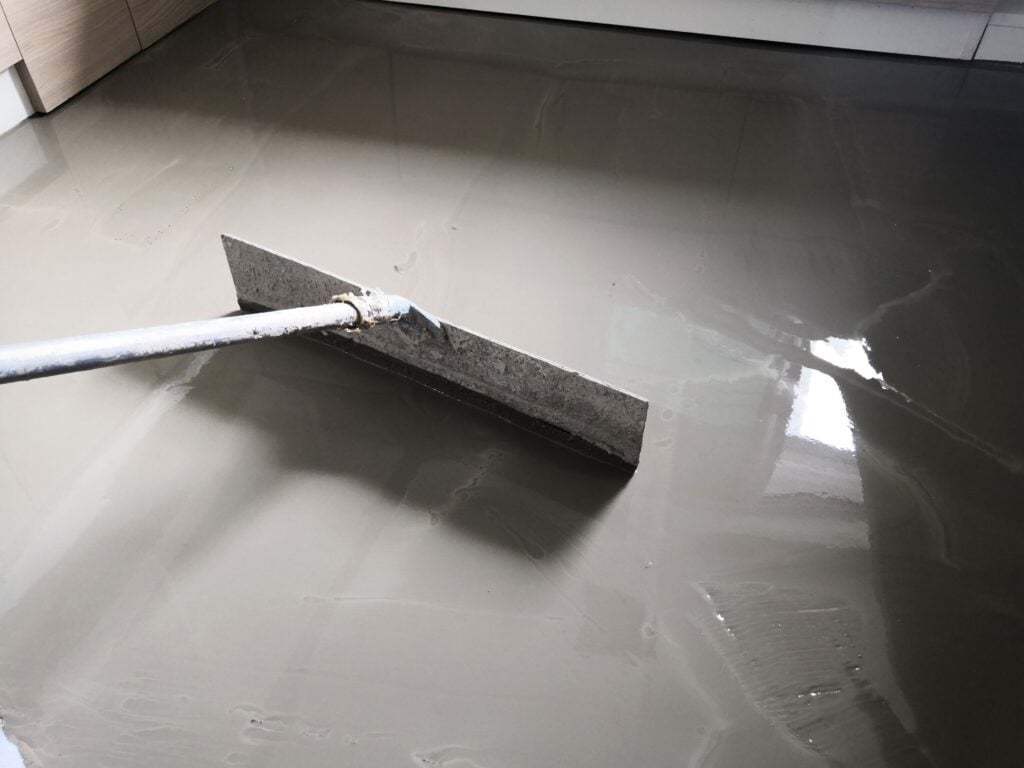
Choosing between systems comes down to the conditions in the space and the priorities of the facility. The table below summarizes how the five options compare, and it is a starting point for a facility-specific discussion.
| System | Moisture Performance | Comfort Underfoot | Cure and Downtime | Best Fit |
| Epoxy broadcast | Very good | Firm | Moderate | General locker rooms, schools, gyms |
| Urethane cement | Excellent | Firm | Moderate | Heavy shower use, pool-adjacent rooms |
| Polyaspartic | Very good | Firm | Fast | Facilities that need fast turnaround |
| Welded-seam vinyl | Good with controlled moisture | Softer | Moderate | Comfort-focused spaces with good moisture control |
| Rubber | Good in dry zones | Softer, cushioned | Moderate | Walkways and dry areas |
Scheduling Around Facility Use
Locker rooms in schools and recreation centers often have natural downtime, such as summer breaks, holiday closures, and seasonal gaps between programs. Planning the project for those windows avoids disrupting users. For facilities in Waltham, MA and surrounding areas, off-peak scheduling is a practical way to minimize disruption while allowing the floor to cure fully before it returns to service.
Maintenance and Long-Term Care
A good floor still needs good care. Daily cleaning with compatible, non-abrasive products keeps surfaces hygienic without damaging the coating. Periodic inspection of seams, cove bases, and drain surrounds catches small problems early, and periodic topcoat renewal restores traction and appearance before wear becomes damage.
- Use cleaners compatible with the flooring system, and avoid harsh abrasives
- Inspect drains, seams, and wall transitions regularly for early signs of failure
- Plan for periodic topcoat renewal to maintain slip resistance and finish
Build a Locker Room Floor That Stays Dry, Safe, and Clean
Locker room flooring is a long-term investment, and the right system pays off every day through safer footing, easier cleaning, and fewer repairs. The best results come from matching the system to the conditions in the room, preparing the substrate carefully, and installing with attention to drainage, cove details, and moisture control.
McLean Company works with schools, athletic clubs, and institutional facilities across New England to assess locker room conditions, recommend the right moisture-resistant system, and install it with the preparation and quality standards these spaces require. If your locker room floor is slippery, failing, or approaching the end of its life, we can evaluate it and give you a clear recommendation.
Contact us today to schedule a locker room floor assessment and get a recommendation built around the actual moisture conditions and use of your facility.