(978) 774-4330

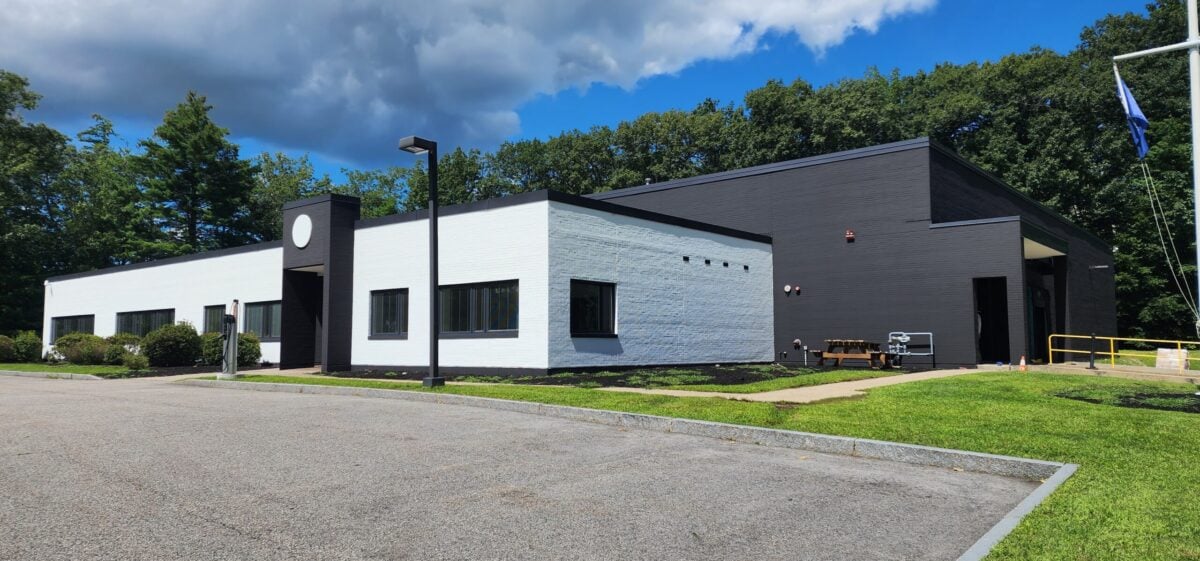
New England weather does not give exterior surfaces much of a break. Freeze-thaw cycles, driving rain, and punishing UV exposure work together to crack, blister, and erode building envelopes faster than most standard paint systems can handle. Elastomeric coating is built for exactly these conditions, offering a flexible, waterproof membrane that moves with the substrate rather than cracking under pressure. For commercial and industrial properties in Nashua, NH and surrounding areas, where temperature swings between seasons are severe and moisture infiltration is a persistent concern, elastomeric systems offer a level of protection that conventional coatings simply cannot match. The same durability principles that make high-performance flooring systems last under demanding conditions apply to how elastomeric coatings protect walls, masonry, and concrete from the outside in.
Here is what you will learn in this guide:
- What makes elastomeric coatings fundamentally different from standard exterior paints
- The 7 primary benefits that make them worth the investment for commercial buildings
- Which substrates and building types benefit most from elastomeric application
- How surface preparation affects long-term performance
- What property owners in Nashua, NH and surrounding areas should know before specifying an elastomeric system
Why Standard Paint Falls Short on Commercial Exteriors

Most commercial buildings are not painted with the expectation that the coating will do heavy structural work. Standard exterior paints are designed to provide color, minor weather resistance, and a clean appearance. They are not engineered to span cracks, resist hydrostatic pressure, or flex repeatedly through thousands of thermal cycles without losing adhesion or integrity.
That limitation becomes a real problem on masonry, concrete block, tilt-up concrete, and stucco surfaces, all of which are common in commercial and industrial construction and all of which are prone to hairline cracking, surface porosity, and moisture wicking. When a standard paint film fails on these substrates, it does not just look bad. It allows water into the wall assembly, where it migrates, causes efflorescence, triggers corrosion of embedded reinforcement, and creates interior moisture problems that are far more expensive to address than a proper exterior coating system would have been. Here is what elastomeric coatings deliver that standard paints cannot:
- Crack Bridging Ability: Elastomeric films can span hairline cracks up to 1/16 of an inch wide without fracturing, preventing water from finding a path into the wall.
- Waterproof Membrane Formation: Applied at sufficient thickness, elastomeric coatings form a continuous waterproof membrane across the entire surface rather than a permeable paint film.
- Thermal Movement Tolerance: The elastic nature of these coatings allows them to stretch and recover as substrates expand and contract through temperature cycles without delaminating.
- Extended Service Life: Properly applied elastomeric systems on commercial masonry regularly achieve 10 to 20 years of effective service before recoating is needed.
- Reduced Maintenance Costs: Fewer recoat cycles and significantly reduced moisture-related repair costs make elastomeric systems a sound long-term investment for commercial property owners.
7 Benefits for Weather Protection
Elastomeric coatings earn their place in commercial exterior coating specifications because of what they actually deliver under real-world conditions. The following seven benefits explain why specifiers, property managers, and facility owners choose elastomeric systems when long-term weather protection is the priority.
1. Superior Waterproofing Performance
The most fundamental benefit of an elastomeric coating is its ability to stop water at the surface rather than allowing it to penetrate. Standard paint films are thin and permeable. Elastomeric systems are applied in multiple coats at a total dry film thickness that is several times greater than conventional paint, creating a membrane that resists liquid water under sustained pressure.
- Elastomeric coatings applied at 10 to 20 dry mils total thickness create a measurably waterproof surface
- Waterproofing performance is particularly critical on below-grade walls, parapet walls, and areas exposed to wind-driven rain
- Properly applied elastomeric membranes reduce interior humidity levels in masonry buildings by limiting vapor-carried moisture infiltration
2. Crack Bridging Without Repainting
Commercial masonry buildings develop hairline cracks constantly. Thermal movement, minor settlement, and the natural shrinkage of concrete and mortar all produce small cracks that become moisture entry points. Standard paint cracks when the substrate cracks. Elastomeric coatings stretch across those cracks and remain intact, maintaining the waterproof barrier without requiring crack-by-crack patching and repainting.
This benefit is especially valuable in Nashua, NH and surrounding areas, where freeze-thaw cycles cause concrete and masonry to move repeatedly throughout the winter months, opening and closing fine cracks with every temperature swing.
- Dynamic crack bridging means the coating stays effective even as substrate movement continues
- Elastomeric systems handle repeated crack cycling without fatiguing the film
- Buildings with existing hairline cracking can often be coated without extensive crack repair as a prerequisite
3. UV Resistance and Color Retention
Extended UV exposure degrades standard exterior paints relatively quickly, causing chalking, fading, and film breakdown that accelerates moisture infiltration. Elastomeric coatings formulated with UV-stable pigments and binders resist this degradation significantly better than standard acrylic paint systems. Color retention over time is noticeably stronger, which matters for commercial properties where exterior appearance is part of the brand and building presentation.
- UV-stable formulations maintain color and sheen level across multiple years of sun exposure
- Reduced chalking means less surface degradation between recoat cycles
- Longer color retention reduces the frequency of cosmetic repainting driven by appearance rather than protection needs
4. Wind-Driven Rain Resistance

Coastal and inland commercial properties in New England regularly face wind-driven rain events that push water horizontally against wall surfaces with significant force. Standard paint provides almost no resistance to this type of moisture loading. Elastomeric membranes, because of their thickness and continuous film formation, are specifically tested for resistance to wind-driven rain and are routinely specified for buildings in high-exposure locations.
For commercial properties in Nashua, NH and surrounding areas that face nor’easters and fall storms with sustained wind and rain, this is not a theoretical benefit. It is a measurable reduction in the moisture that enters the building envelope during severe weather events.
5. Breathability While Blocking Liquid Water
One of the most important and frequently misunderstood characteristics of quality elastomeric coatings is that they are designed to be vapor permeable while still blocking liquid water. This means moisture vapor that originates inside the building can still pass outward through the wall assembly, reducing the risk of condensation and trapped moisture within the wall. A coating that blocks both liquid water and vapor would cause moisture to accumulate within the wall, leading to the very problems the coating is meant to prevent.
- Vapor permeability ratings should be reviewed during product selection to ensure compatibility with the wall assembly
- Breathable elastomeric systems are appropriate for most above-grade masonry and concrete applications
- Lower permeability products are specified for below-grade or specific waterproofing applications where vapor drive is managed differently
6. Impact and Abrasion Resistance
Commercial building exteriors face physical abuse that residential surfaces do not. Loading dock walls, parking structure columns, ground-floor masonry along high-traffic walkways, and mechanical yard enclosures all take regular contact from equipment, vehicles, and maintenance activity. The thickness and flexibility of elastomeric coatings provide meaningful impact and abrasion resistance compared to thin-film paint systems, reducing the frequency of touch-up and patch work from minor physical contact.
- Thick elastomeric films absorb minor impact without cracking or delaminating
- Abrasion resistance is particularly relevant on horizontal surfaces like parking deck ceilings and exposed slab edges
- Impact resistance is a functional benefit that reduces maintenance labor costs over the coating lifecycle
Which Substrates Benefit Most from Elastomeric Coatings
Elastomeric coatings are not the right choice for every exterior surface, but they are the right choice for a specific and very common set of commercial building substrates. Understanding where they perform best helps property owners make informed decisions during the specification process.
- Concrete Masonry Units (CMU): The most common application. CMU buildings are porous, prone to hairline cracking, and highly susceptible to moisture infiltration. Elastomeric coatings are the standard of care for CMU exterior waterproofing.
- Tilt-Up Concrete Panels: Tilt-up construction is common in warehouse and light industrial buildings throughout New England. Panel joints, bug holes, and form tie holes all benefit from the crack-bridging and gap-filling properties of elastomeric systems.
- Poured Concrete Walls: Above-grade concrete walls on commercial and industrial buildings experience thermal movement and shrinkage cracking that elastomeric coatings handle well.
- Stucco and EIFS Surfaces: Both stucco and exterior insulation and finish systems develop surface cracking over time. Elastomeric topcoats extend the life of these assemblies and restore waterproofing performance.
- Brick Masonry: Older brick buildings, particularly those with deteriorating mortar joints, benefit from elastomeric coatings that seal the surface and reduce moisture infiltration while the underlying masonry is stabilized.
Surface Preparation: Where Elastomeric Performance Is Won or Lost

An elastomeric coating applied over a poorly prepared surface will not perform as specified. The flexibility and crack-bridging properties of the material depend on a strong bond to the substrate. If that bond is compromised by contamination, loose material, or inadequate surface profile, the coating will delaminate rather than stretch.
Cleaning and Decontamination
Commercial masonry surfaces accumulate biological growth, efflorescence, oil contamination, and previous coating residue that all interfere with adhesion. Professional surface preparation for elastomeric coating applications starts with pressure washing, chemical cleaning where needed, and manual removal of any loose or flaking material. Efflorescence must be treated and neutralized before coating rather than painted over.
Crack and Joint Treatment
While elastomeric coatings bridge hairline cracks, larger cracks, open control joints, and deteriorated mortar joints need to be addressed before coating. Elastomeric caulk or appropriate joint filler compatible with the coating system should be used to treat any gaps wider than a hairline. Control joints that are designed to move should be treated with backer rod and elastomeric sealant rather than rigid filler.
Primer Selection
Many elastomeric coating systems require a specific primer to achieve the specified adhesion values, particularly on porous or previously coated substrates. Skipping the primer to reduce cost is a common mistake that reduces adhesion strength and shortens the effective life of the coating. For facilities in Nashua, NH and surrounding areas where freeze-thaw cycling puts significant stress on the coating-to-substrate bond, proper priming is not optional.
Moisture Content Verification
Elastomeric coatings applied over substrates with elevated moisture content can experience blistering and adhesion failure as trapped moisture migrates outward through the coating. Surface moisture content should be verified with a moisture meter prior to application, particularly on north-facing walls, shaded areas, and any masonry that has experienced recent water infiltration.
Protect Your Building Envelope Before Weather Takes Over
Weather does not wait for a convenient time to expose the gaps in your building’s exterior coating system. Once moisture finds its way into the wall assembly, the damage accumulates quietly and expensively. Elastomeric coatings stop that process at the surface, where it is cheapest and most effective to address.
McLean Company applies elastomeric coating systems to commercial and industrial buildings across New England, with the surface preparation discipline and application expertise that these systems require to perform as specified. If your building’s exterior is showing signs of moisture infiltration, coating failure, or simply age, we will take a look and tell you what it actually needs.
Contact us today to schedule a site assessment and find out whether an elastomeric system is the right solution for your building envelope.