(978) 774-4330

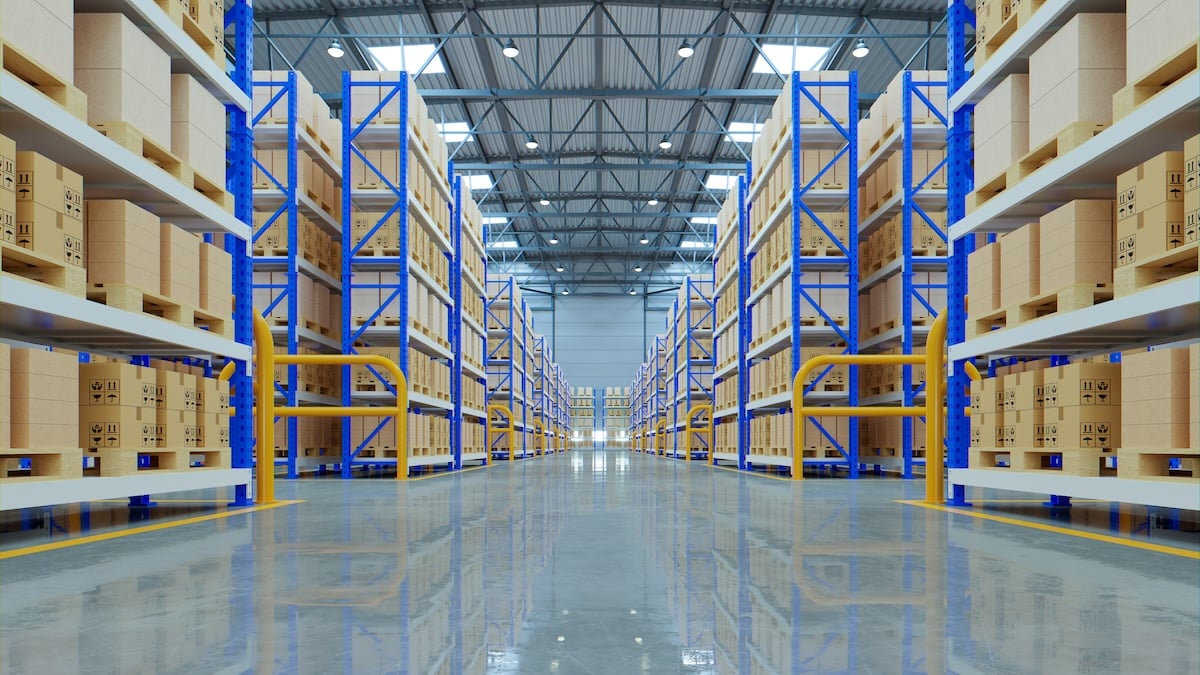
Choosing the right flooring is one of the most important decisions for any property, whether it’s a commercial space or a residential area. The variety of types of flooring materials available today can feel overwhelming, but understanding the key characteristics of each option can make the decision easier and more effective. The perfect flooring not only elevates the aesthetic appeal but also enhances durability and functionality for your specific needs. For commercial environments, selecting the right type that stands up to heavy use is crucial. Exploring professional commercial flooring solutions can provide tailored insights that simplify this process.
- Learn about the most popular flooring material categories and their unique advantages.
- Discover factors that influence which flooring material is best for different environments.
- Understand the maintenance and durability considerations for each flooring type.
- Explore eco-friendly and modern flooring options gaining popularity today.
Why Understanding Flooring Materials Matters
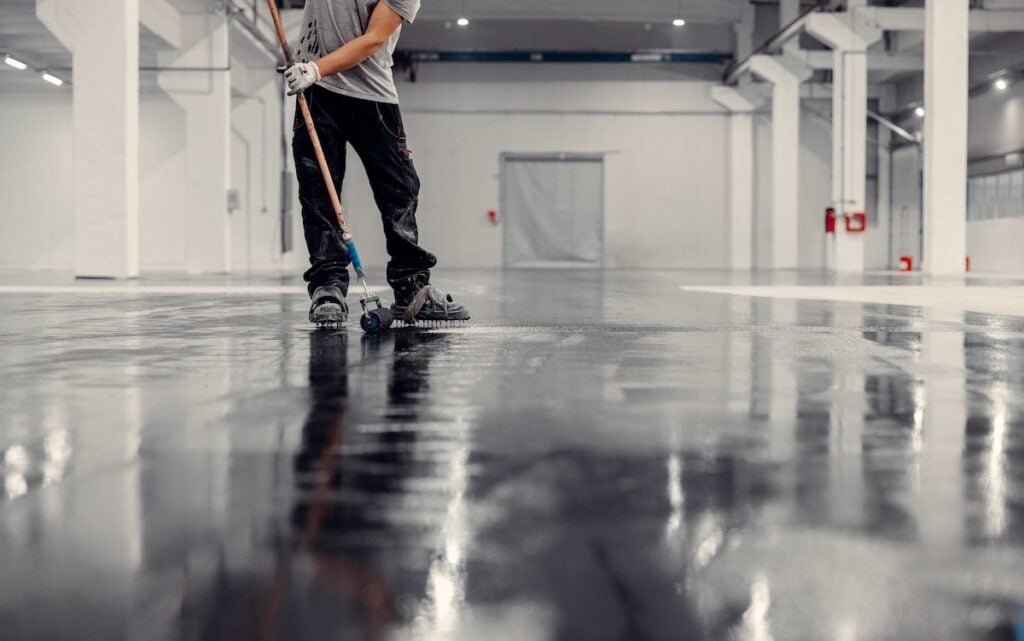
The choice of flooring affects more than just the look of a space. It impacts comfort, safety, maintenance costs, and the overall lifespan of the floor. Whether you are designing an office, retail space, or a home, the flooring needs to work in harmony with the surroundings and usage patterns. Here are some essential reasons why knowing about the major flooring materials is vital:
- Durability: Different materials offer varying levels of wear resistance and longevity, which is crucial for commercial spaces with high foot traffic.
- Maintenance: Some floors require minimal upkeep, while others need regular care, impacting time, effort, and costs.
- Safety: Certain flooring materials provide better traction, reducing slip hazards, especially in busy environments.
- Aesthetic Versatility: From classic hardwood to sleek vinyl, flooring sets the tone for interior design and brand identity.
- Cost Efficiency: Making the right choice upfront can save money over time by reducing replacement needs and repairs.
6 Common Types of Flooring Materials Explained
When a facility needs a flooring upgrade, the priority is performance, durability, and solving real operational issues—not aesthetics. Below are six common flooring materials used across commercial and industrial environments, with straightforward benefits and limitations.
1. Hardwood Flooring
A classic, long-lasting material with a professional finish.
- Strong visual appeal
- Can dent or scratch under heavy use
- Requires periodic refinishing
- Best for low–medium traffic spaces needing a high-end look
2. Laminate Flooring
A budget-friendly alternative that replicates wood or stone.
- Scratch-, stain-, and fade-resistant
- Quick installation, low maintenance
- Vulnerable to moisture
- Works well for general office environments
3. Vinyl Flooring (Including LVT)
A versatile, resilient option for demanding spaces.
- Highly water-resistant
- Comfortable underfoot and easy to maintain
- Strong performance in high-traffic commercial areas
- LVT delivers realistic textures and patterns
4. Carpet Flooring
Used where sound control and comfort matter.
- Excellent noise reduction
- Wide range of durability levels
- Higher maintenance due to staining and buildup
- Ideal for offices, conference rooms, and hospitality areas
5. Tile Flooring
A long-term solution for wet or heavy-use areas.
- Waterproof and highly wear-resistant
- Simple to clean
- Hard, cold surface may need mats for comfort
- Ideal for restrooms, break rooms, and kitchens
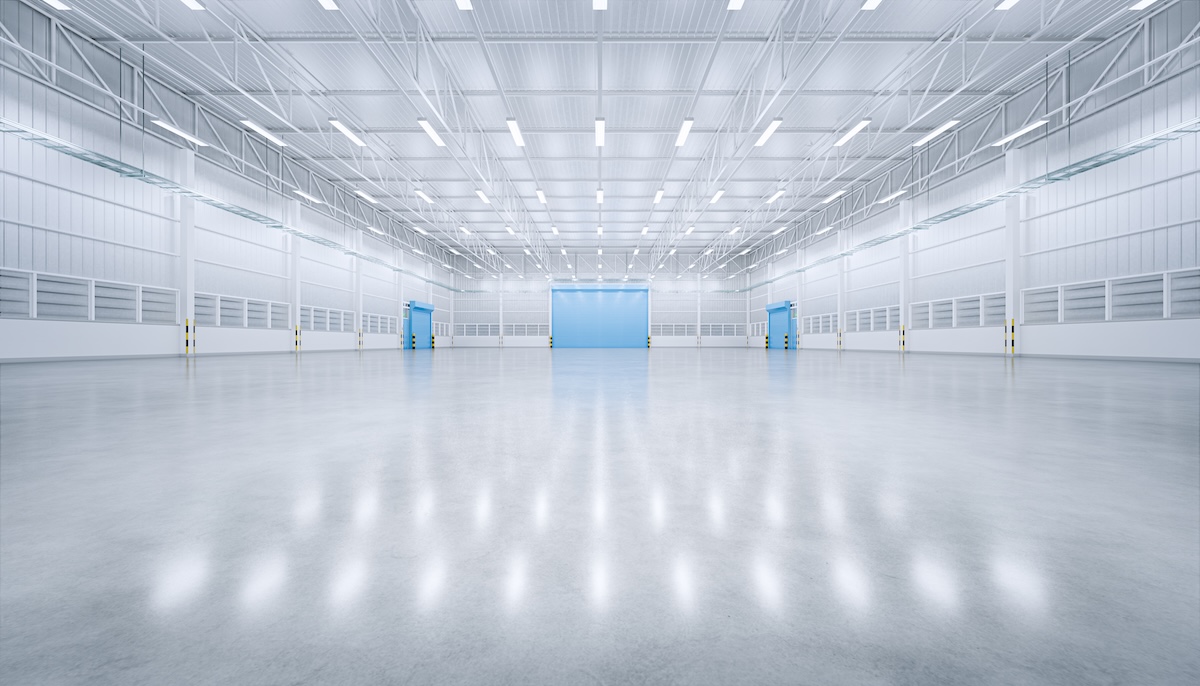
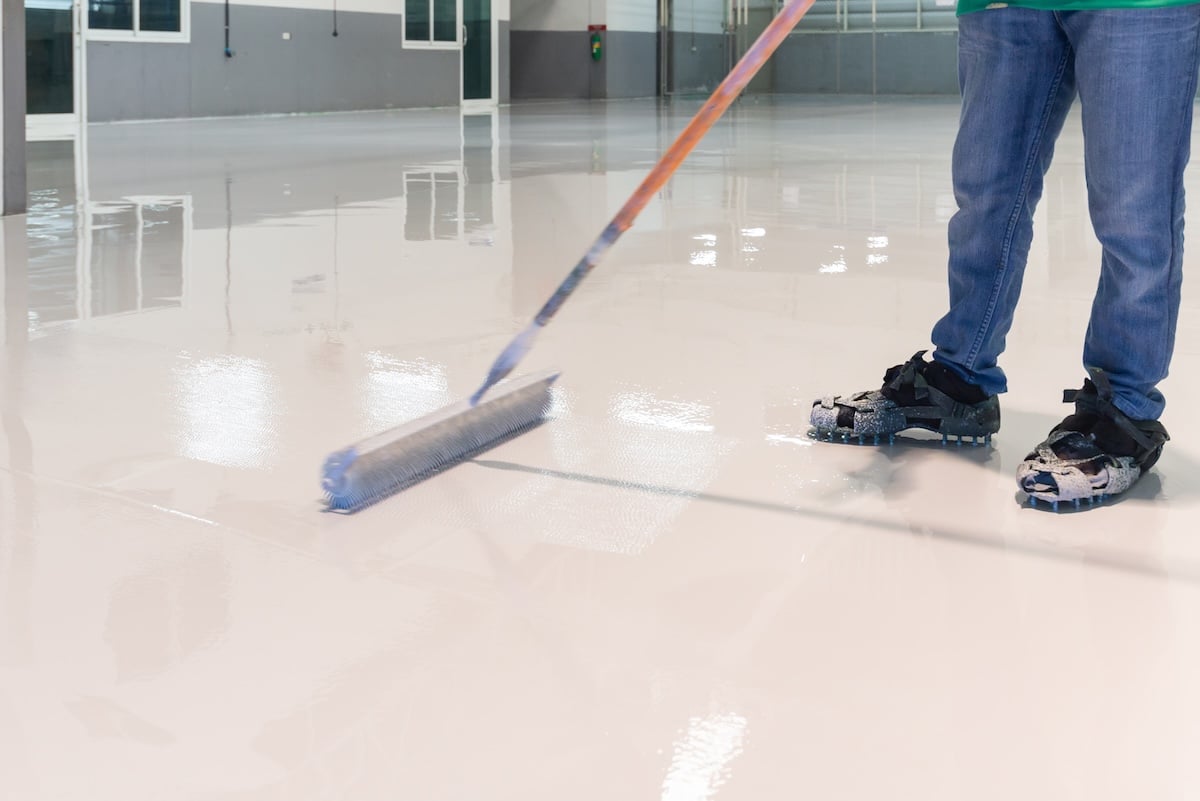
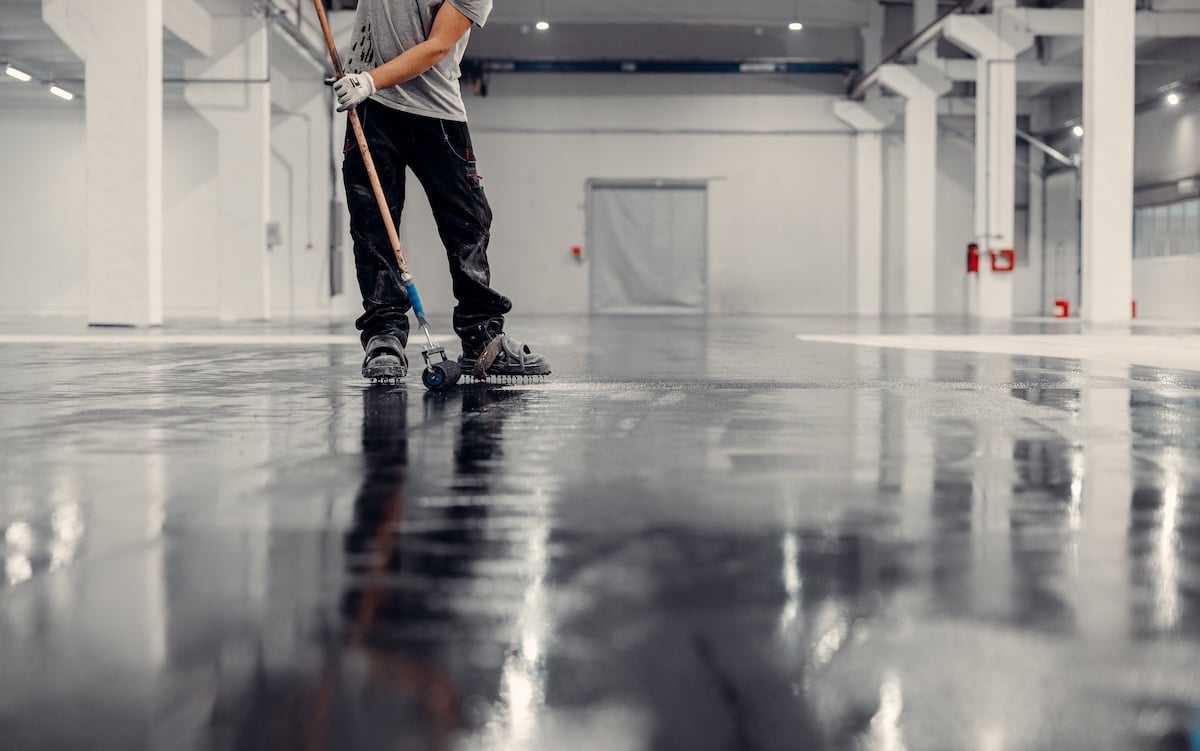
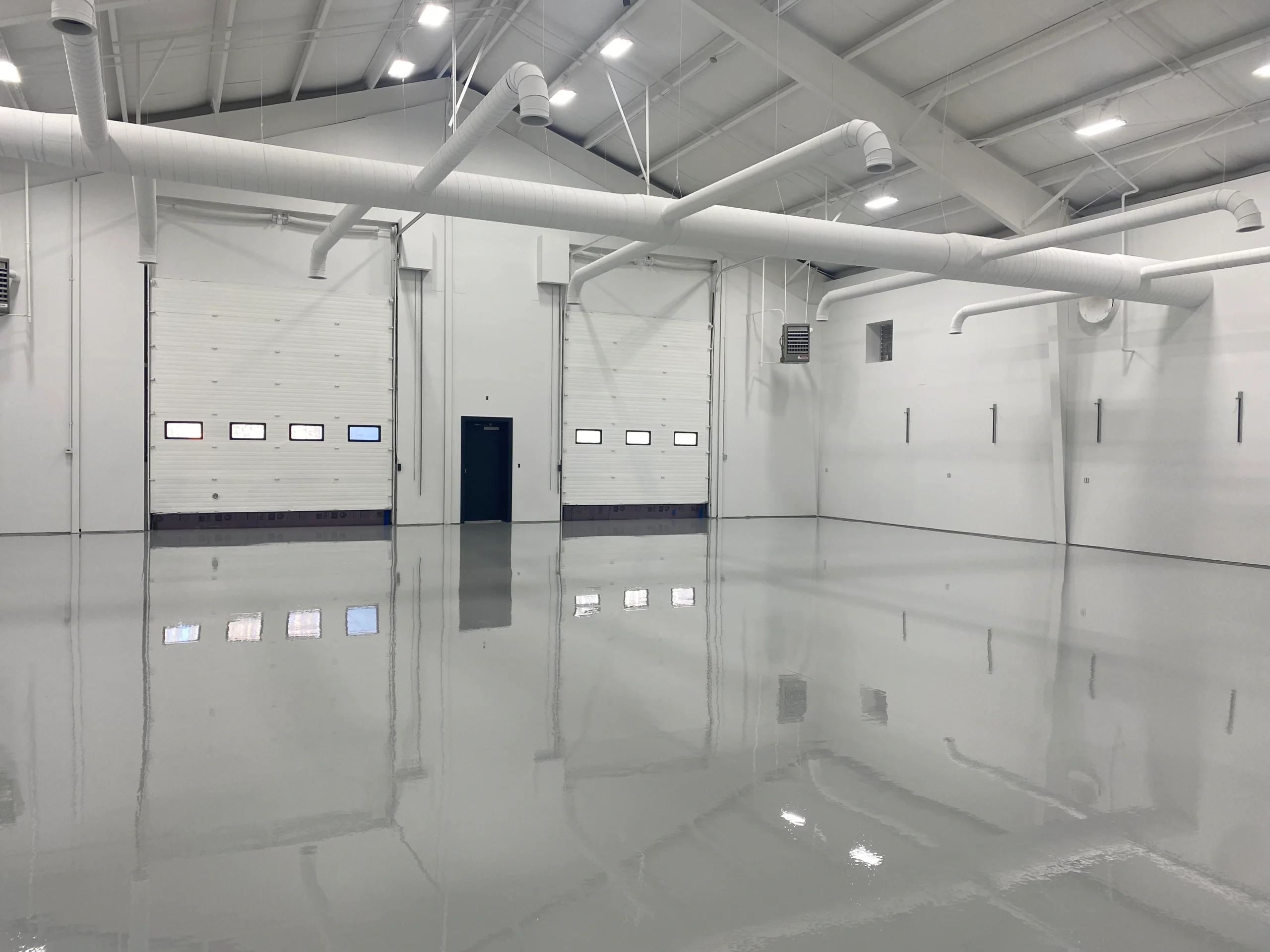
6. Concrete-Based Flooring (Polished & Epoxy)
A high-performance option built for industrial and commercial reliability. To better understand how polished surfaces perform in real-world applications, explore our detailed guide on modern polished concrete floors, which breaks down benefits, finishes, and ideal use cases.
- Extremely durable with minimal maintenance
- Can be polished for a clean, reflective finish
- Epoxy systems provide chemical, impact, and slip resistance
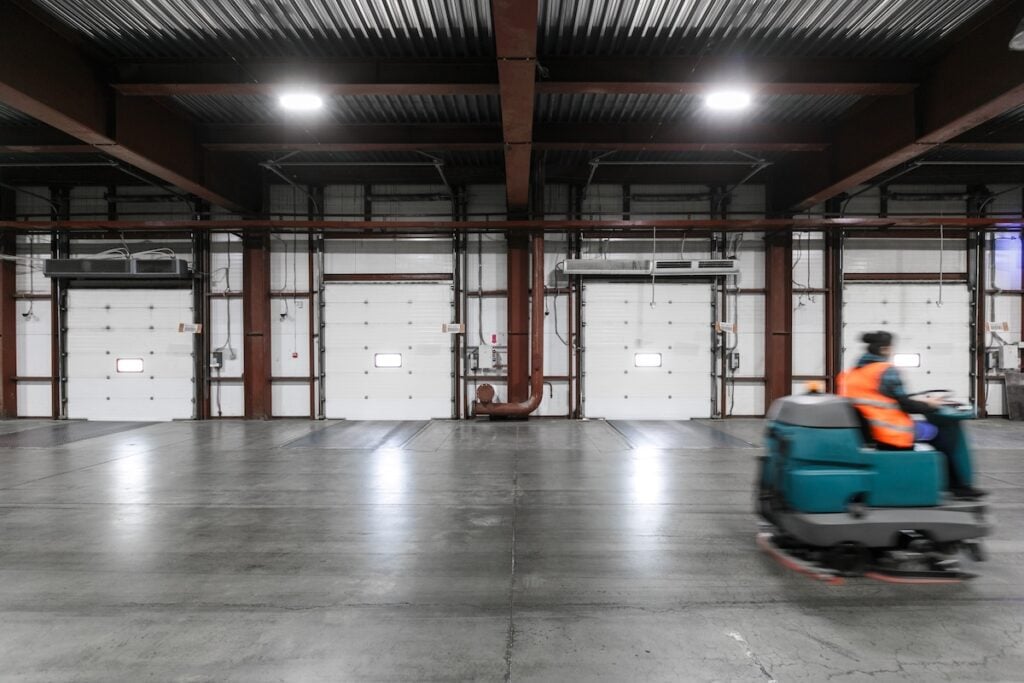
- Ideal for warehouses, manufacturing plants, and service areas
- McLean is Husqvarna-certified for polished concrete and installs epoxy systems from leading manufacturers
If you’re evaluating epoxy for industrial use, our article on the 5 benefits of epoxy flooring in your warehouse explains why it’s one of the most reliable flooring solutions available.
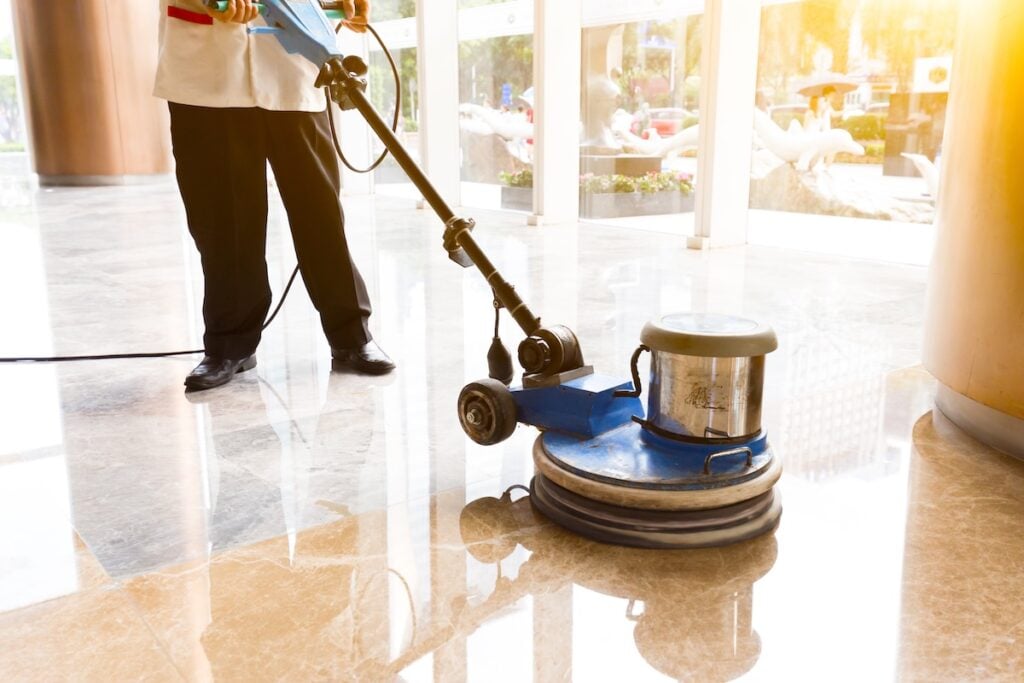
How to Choose the Best Flooring Material for Your Space
Beyond just knowing the types, it pays to consider your specific needs and constraints to select the most fitting flooring material. These practical factors often determine the best overall choice:
- Traffic Level: Floors in areas with heavy footfall require tougher materials like tile or commercial-grade vinyl.
- Budget Constraints: Balance upfront costs with maintenance and longevity expenses.
- Installation Complexity: Some materials require professional fitting, which can add to project timelines and costs.
- Environmental Factors: Moisture exposure, temperature fluctuations, and sunlight can affect flooring longevity.
- Design Intentions: The style and ambiance you want to create can narrow down your material options.
This breakdown of epoxy vs laminate flooring cost highlights why epoxy often delivers better long-term performance in demanding commercial and industrial settings.
Eco-Friendly Flooring Options
In recent years, there is increasing interest in sustainable flooring alternatives. Consider these options if environmental impact matters to your project:
- Bamboo: A fast-growing, renewable hardwood alternative with comparable strength.
- Cork: Harvested from bark, providing comfort and natural insulation.
- Recycled Materials: Vinyl and rubber floors made from recycled plastics help reduce landfill waste.
Maintenance Tips for Different Flooring Types
Proper care extends the life and appearance of your floors:
- Hardwood: Use a soft broom or vacuum; avoid excess water; refinish as needed.
- Laminate: Clean spills quickly; avoid abrasive tools; use manufacturer-approved cleaners.
- Vinyl: Sweep regularly; mop with mild detergent; protect from sharp objects.
- Carpet: Vacuum frequently; arrange professional deep cleaning periodically.
- Tile: Sweep and mop; seal grout lines annually to prevent staining.
Comparing Flooring Materials for Commercial Needs
Companies looking for dependable solutions can explore professional epoxy flooring services in Worcester, MA designed specifically for demanding industrial and commercial applications. Cost, durability, and appearance all weigh heavily in choosing commercial flooring. Below is a comparison summary to help clarify your decision:
| Flooring Type | Durability | Maintenance | Initial Cost | Best Use Case |
| Hardwood | High | Moderate | High | Executive offices, lobbies |
| Laminate | Moderate | Low | Low to Moderate | Retail spaces, classrooms |
| Vinyl | High | Low | Moderate | Kitchens, healthcare areas |
| Carpet | Low to Moderate | High | Low to Moderate | Office areas, hotels |
| Tile | Very High | Low | Moderate to High | Restrooms, restaurants |
Integrating Flooring with Commercial Design
Consider how your flooring choice fits with the overall design scheme and function. For example, combining tile in entryways with carpet in seating zones can optimize both durability and comfort. Consulting with experts can ensure your flooring aligns with budget, style, and performance goals. Businesses looking for durable epoxy solutions in the Boston area can benefit from specialized epoxy flooring services in Boston, MA, designed to meet the performance requirements of commercial and industrial spaces.
Final Thoughts On Flooring Materials and Next Steps
Understanding the various types of flooring materials and their distinct properties is essential for making the best choice for your space. Whether you prioritize longevity, aesthetics, or maintenance ease, aligning these priorities with your unique environment is key. For commercial premises, exploring specialized flooring solutions tailored to high-traffic needs can greatly enhance outcomes and satisfaction. If your project is located in the Greater Lowell area, our team provides specialized polished concrete flooring services in Lowell, MA to deliver high-performance results tailored to your operational needs.
If you’re ready to select the ideal flooring or want to discuss your options in more detail, contact us today for expert guidance and professional service. Companies seeking expert installation and tailored solutions can explore professional epoxy flooring services in Worcester, MA to ensure their floors are built for durability, safety, and long-term value.