(978) 774-4330

Commercial and Industrial Flooring Solutions Built to Last
Trusted Local Experts in Flooring Installation & Refinishing
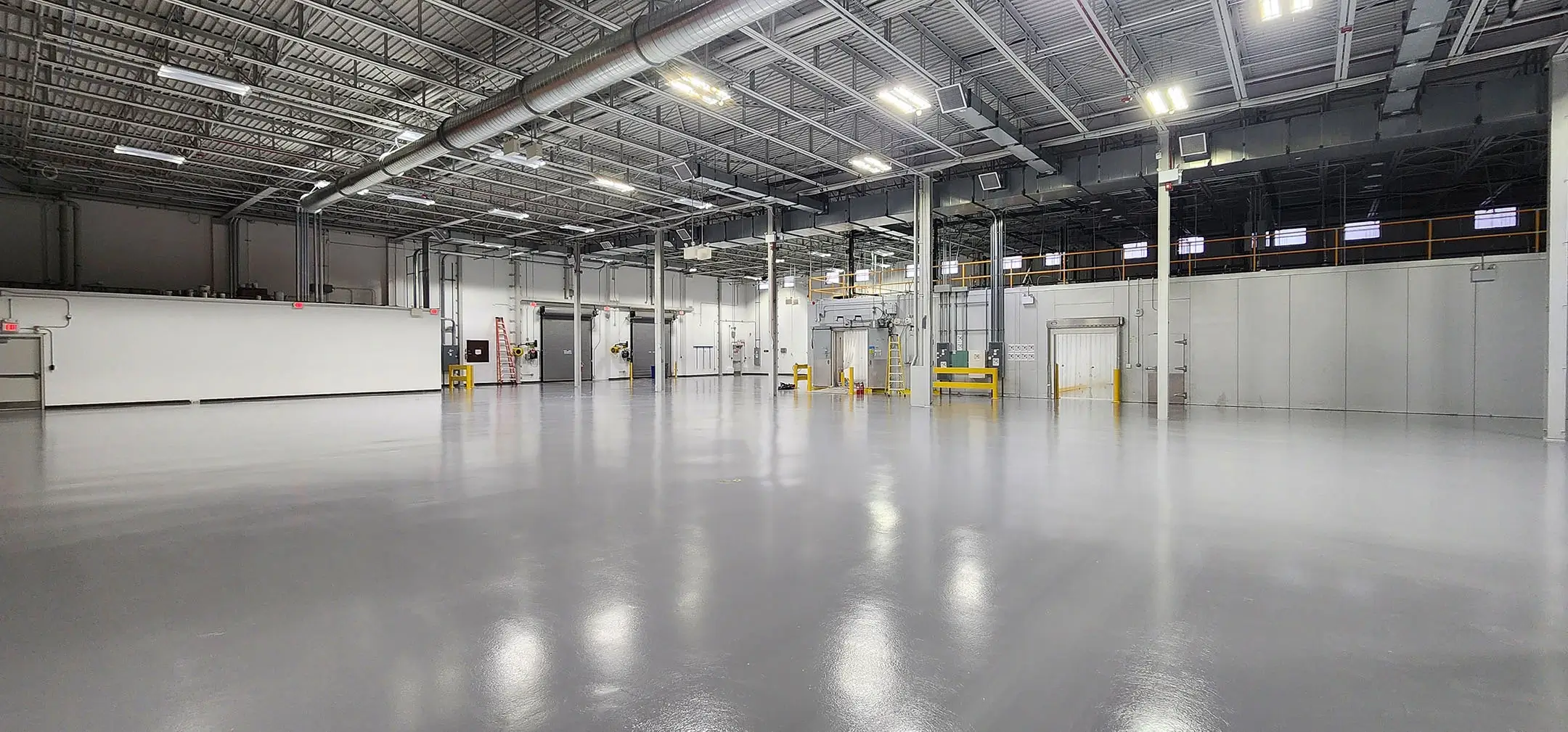
McLean Company delivers high-performance flooring systems designed for commercial and industrial environments. From polished concrete to epoxy coatings, our certified team provides durable, low-maintenance floors that stand up to heavy use while keeping your facility safe and efficient.
-
 Upfront, Transparent Estimates
 -
Service-Specific Warranties
-
Certified Epoxy & Concrete Installers
 Upfront, Transparent Estimates
 Get Started Today


How We Deliver Effective Commercial and Industrial Flooring Services
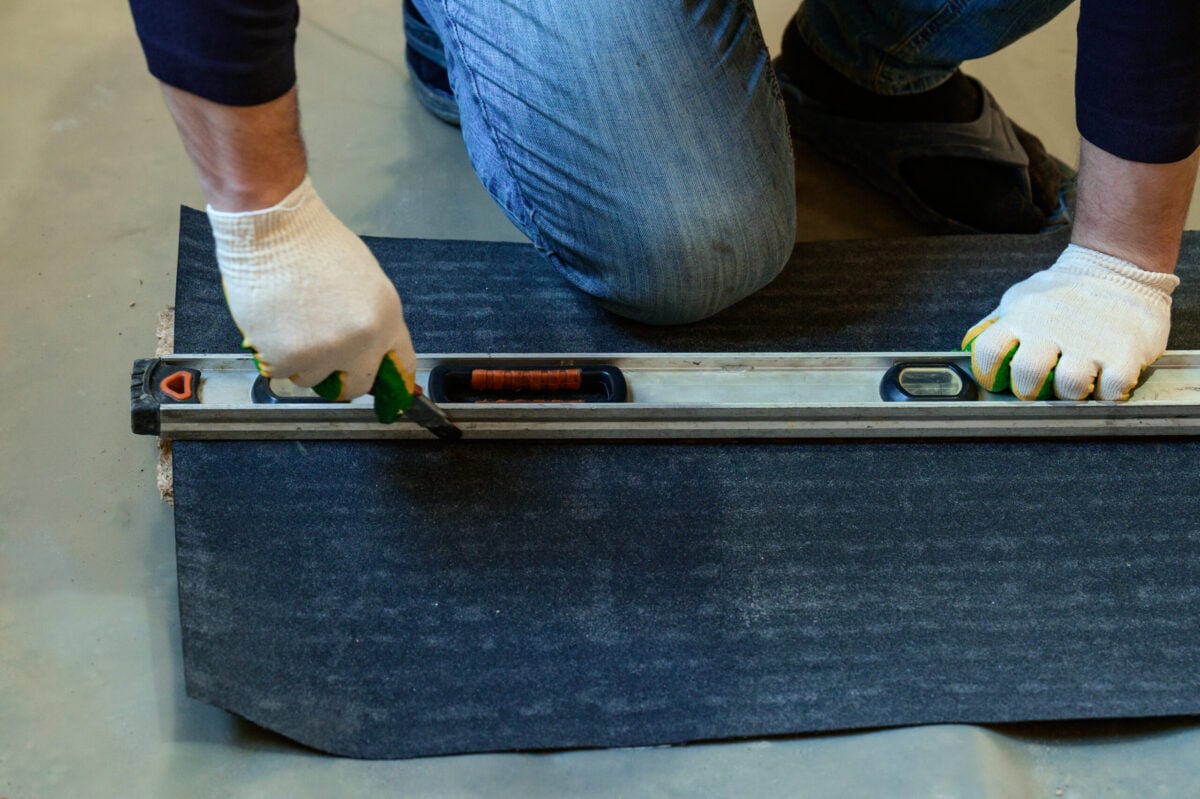
McLean Company installs epoxy, polished concrete, moisture mitigation, ESD, and specialty floors that are built to last. Every project begins with proper surface preparation and ends with a durable, low-maintenance finish.
- Grinding, shot blasting, and moisture mitigation for a strong base
- Seamless installation with high-performance materials
- Floors designed for heavy traffic and chemical resistance
- Long-lasting results with minimal maintenance
Flooring Solutions For Every Facility
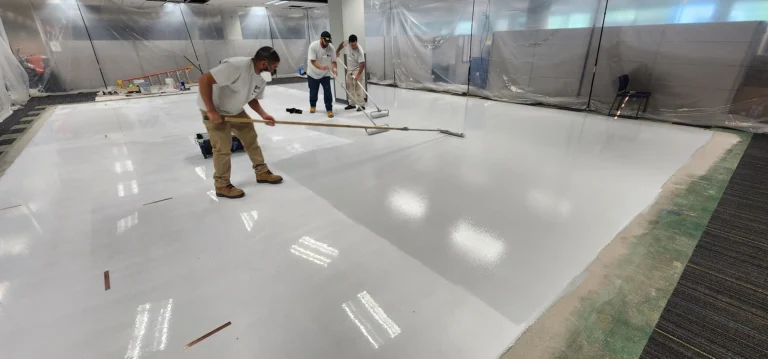
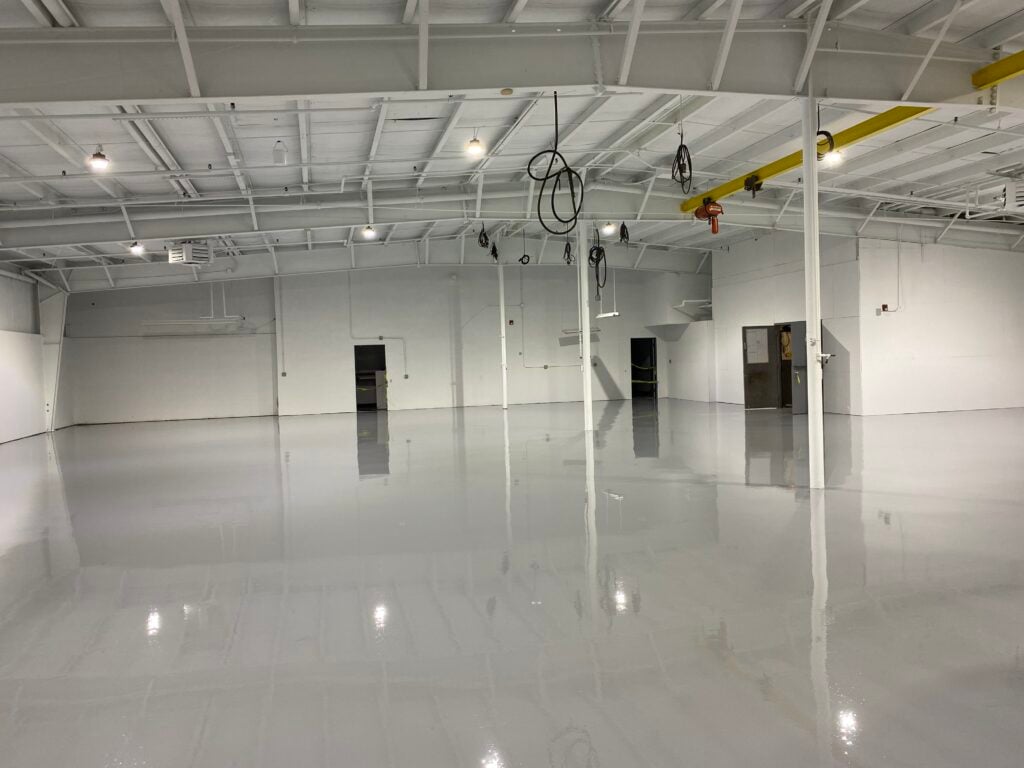
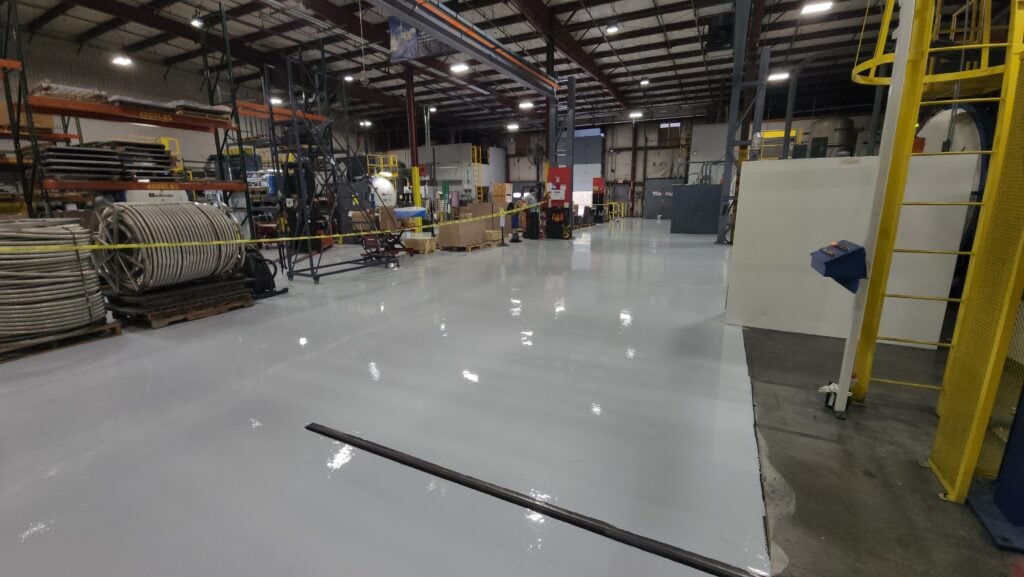
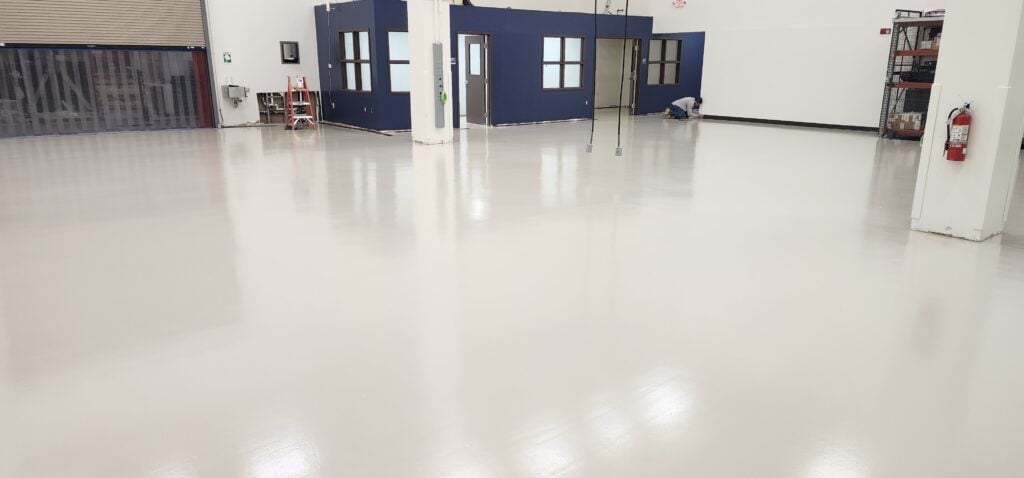
Epoxy Coating
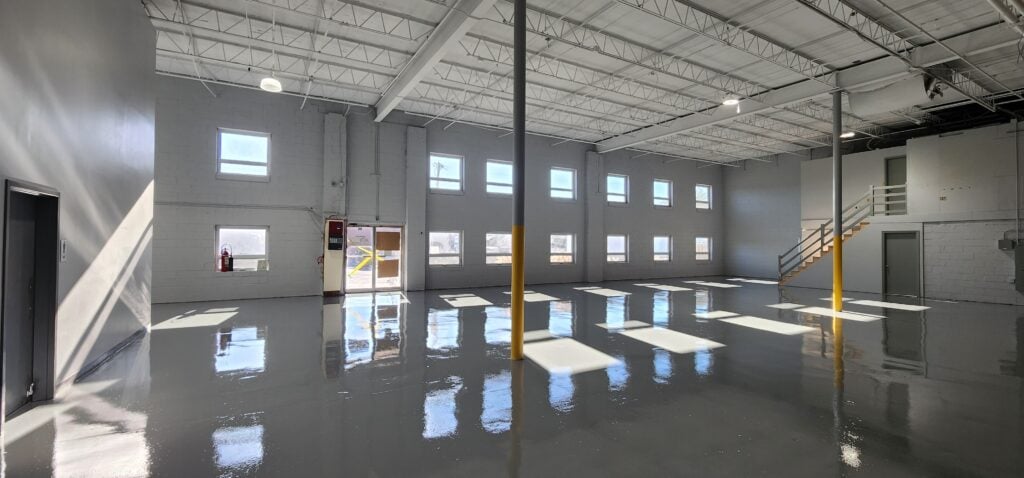
Durable, seamless epoxy and urethane floor coatings designed to handle heavy traffic, chemicals, and demanding environments.
- Provides superior resistance to chemicals and abrasion
- Creates a seamless, easy-to-clean surface
- Enhances safety with non-slip options
- Extends the lifespan of industrial and commercial floors
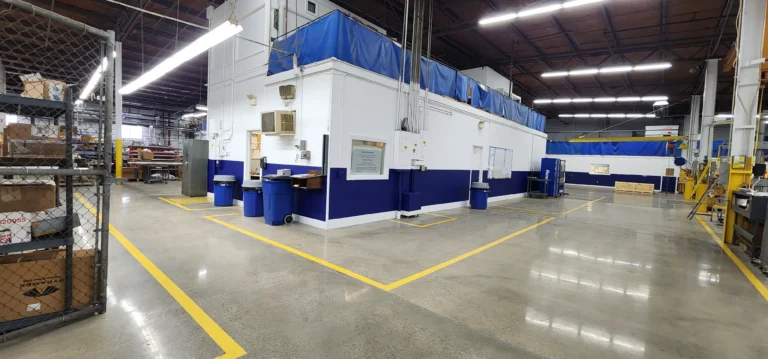
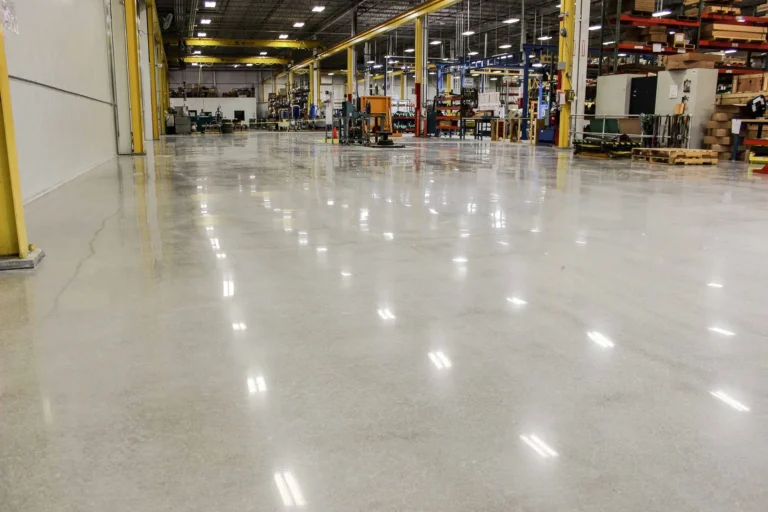
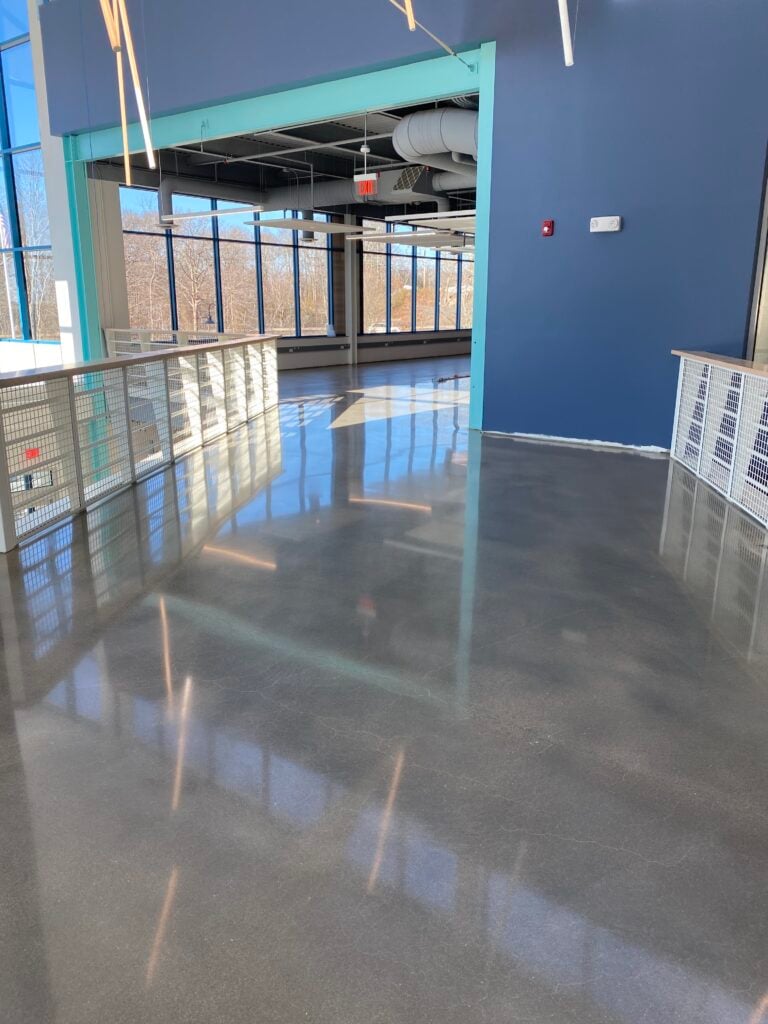
Concrete Floor Polishing
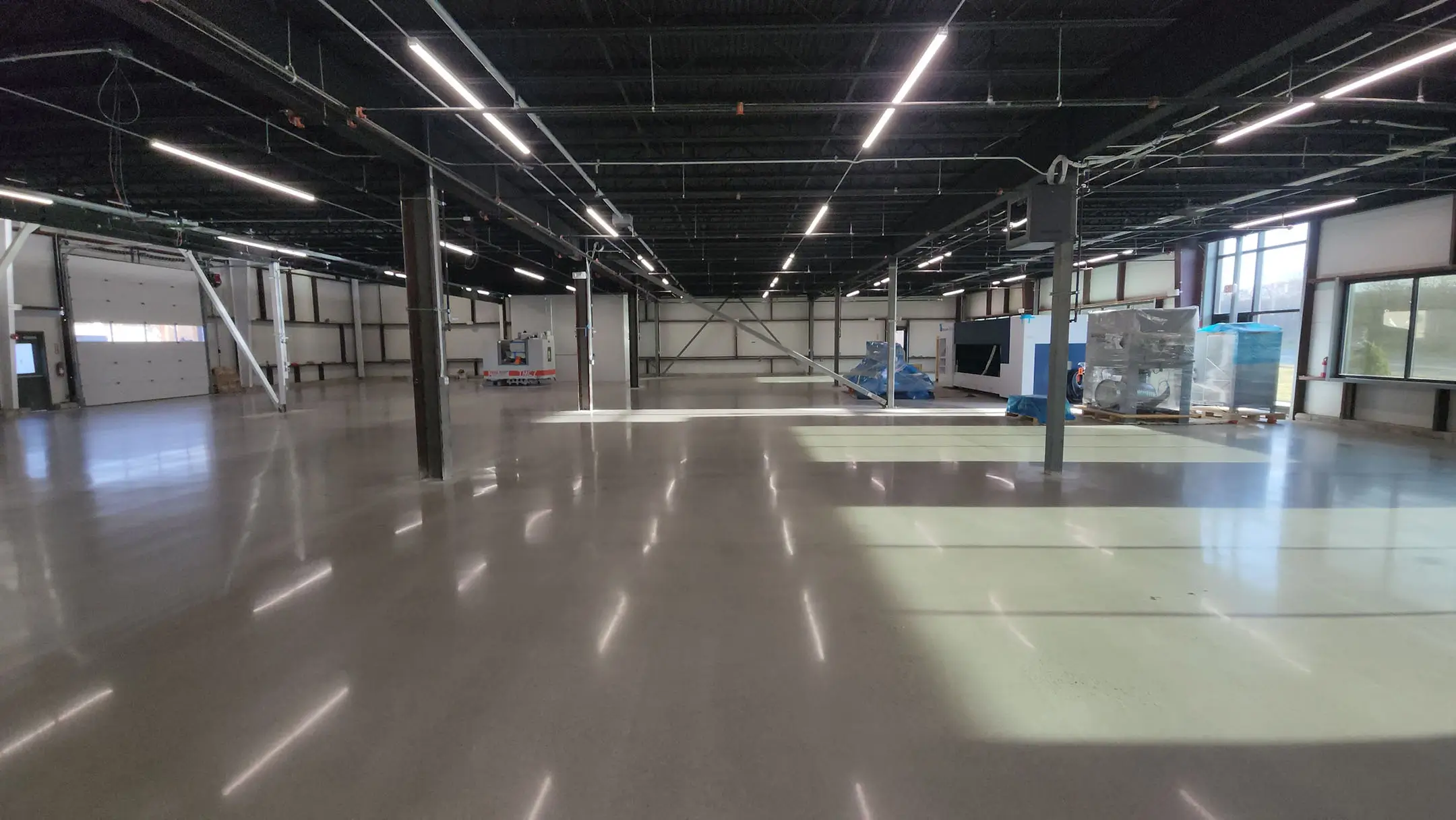
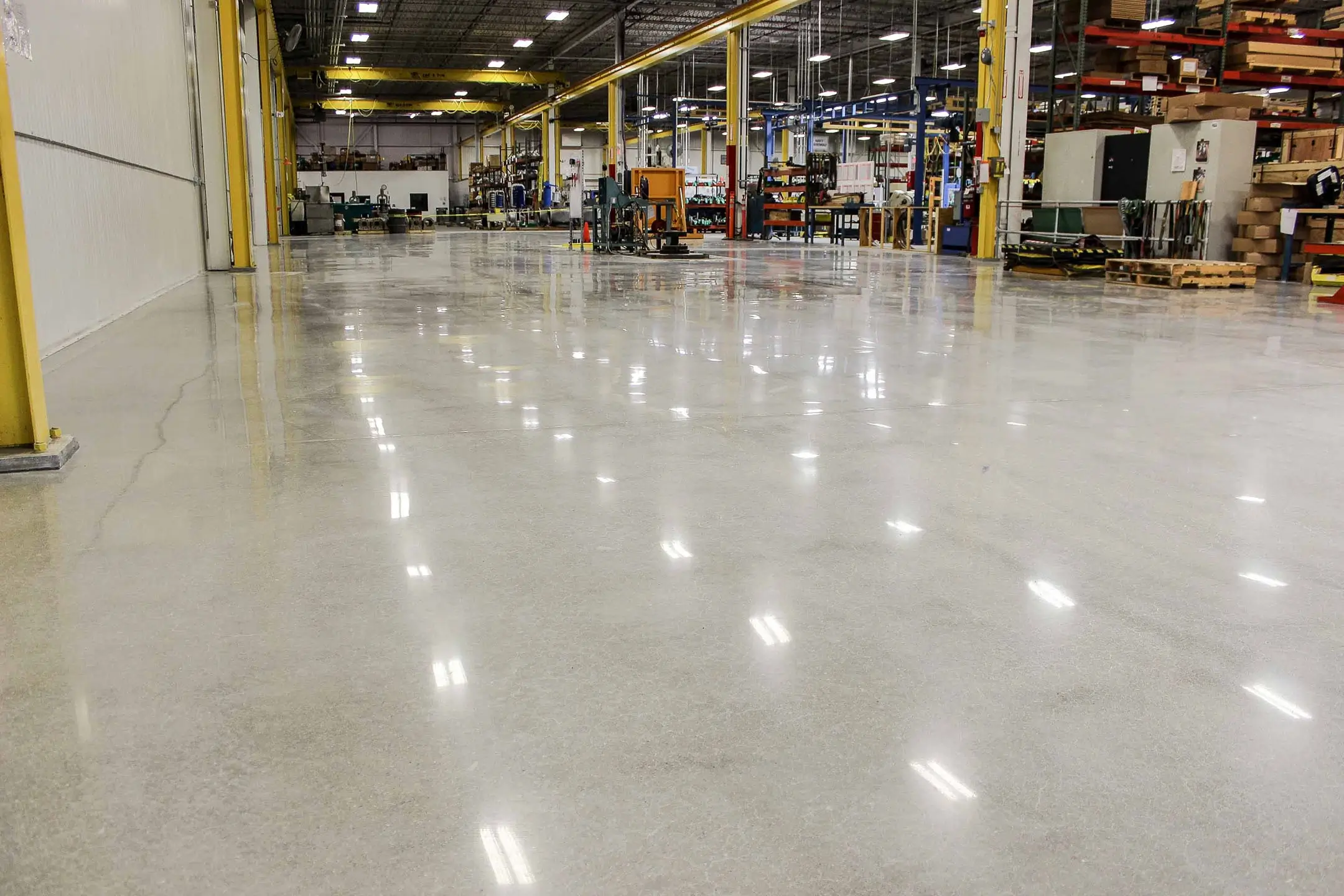
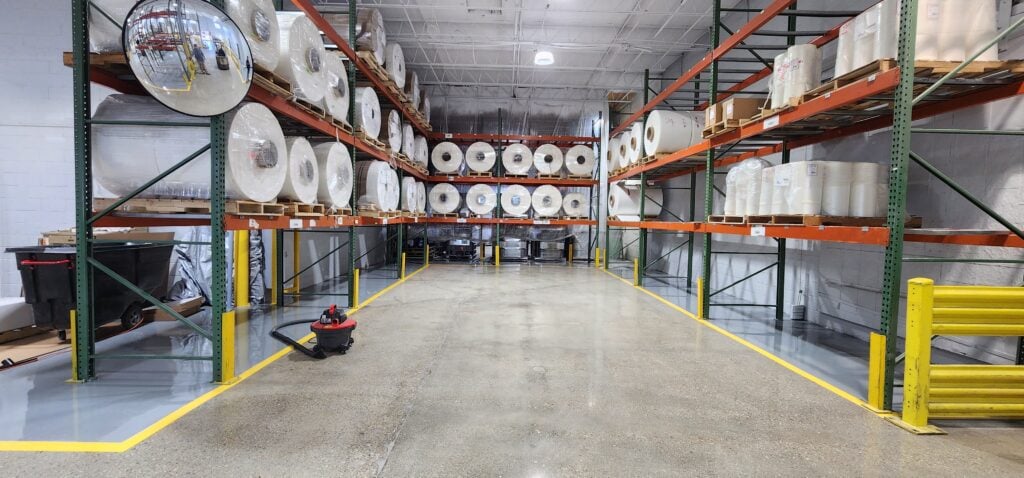
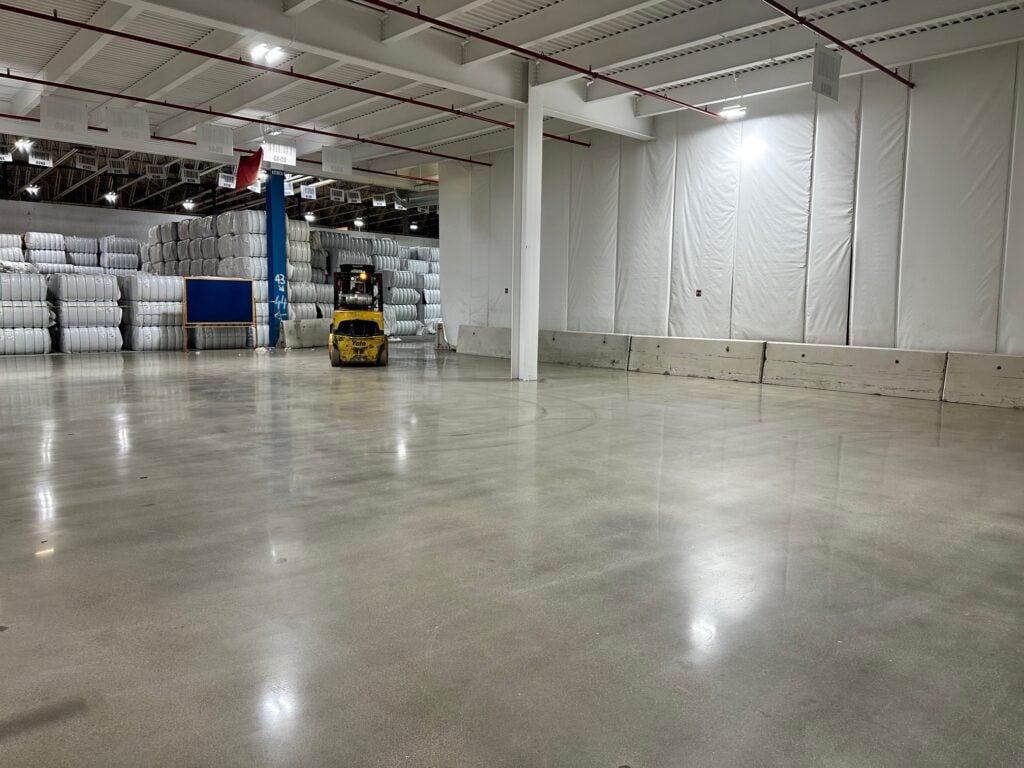
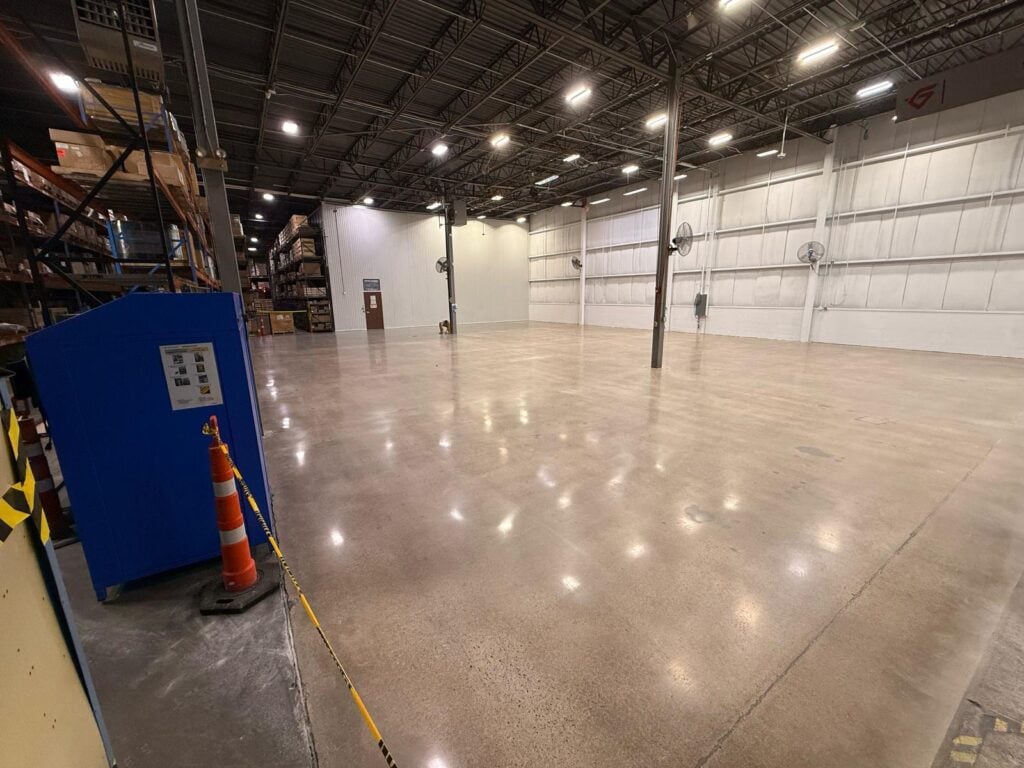
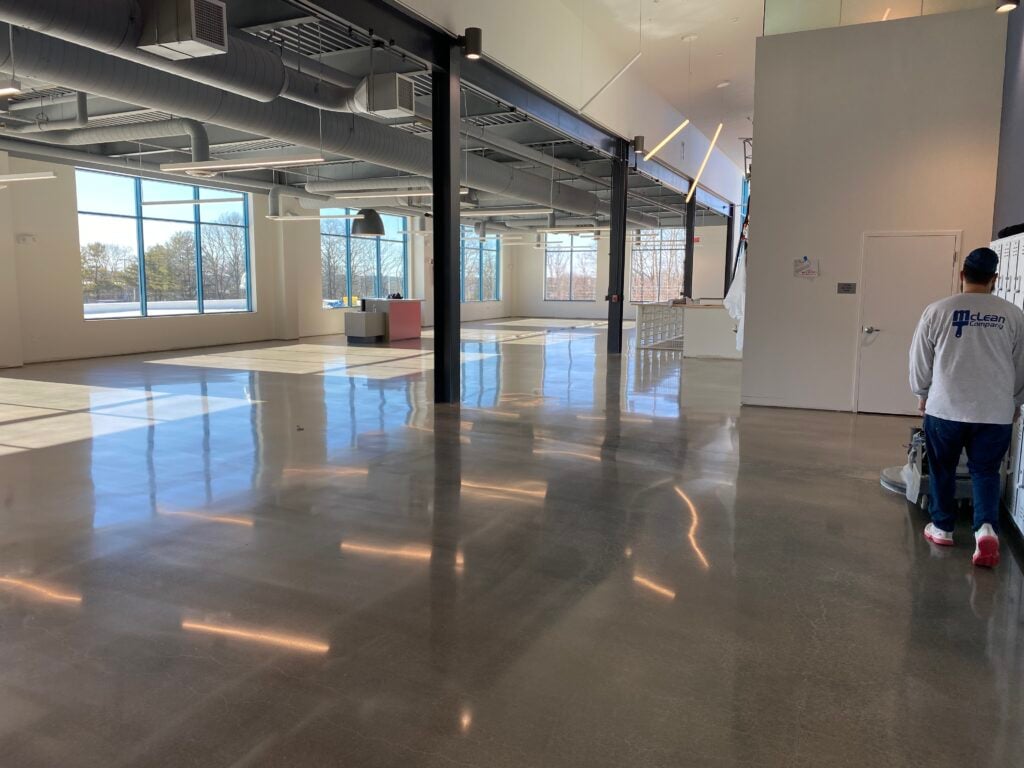
Transform dull concrete into a high-performance polished surface that is strong, low-maintenance, and visually appealing.
- Densifies and strengthens concrete for long-term durability
- Delivers a smooth, reflective finish that improves lighting efficiency
- Requires minimal maintenance with no waxing or coatings
- Cost-effective solution with long lifecycle value
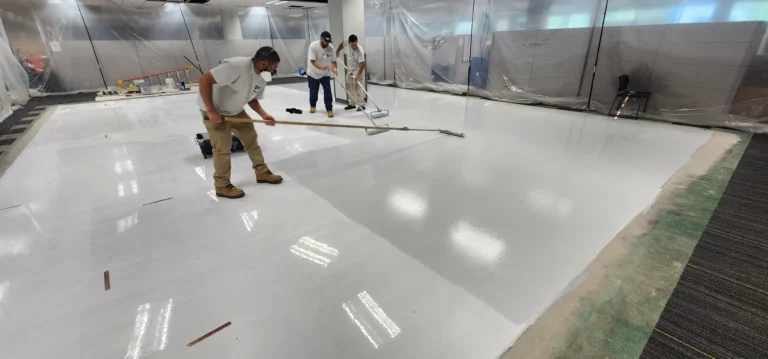
Floor Dust Proofing & Sealing
Protect your facility from dust and surface breakdown with penetrating sealers that harden and protect concrete floors.
- Reduces airborne dust and improves air quality
- Strengthens and seals concrete to prevent surface wear
- Increases resistance to moisture and contaminants
- Extends the life of existing flooring at low cost
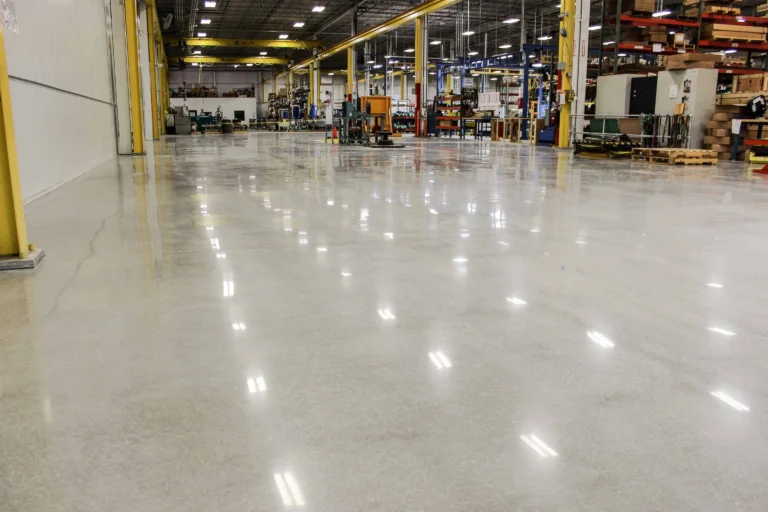
Coatings Removal and Concrete Repair
Professional removal and repair techniques ensure your concrete floors are properly prepared for new systems that last. McLean uses specialized equipment and proven methods to restore and strengthen damaged surfaces:
- Shot-blasting and diamond grinding to remove old coatings and adhesives
- Crack and joint repair to restore floor integrity
- Spall and surface patching for a smooth, even finish
- Moisture mitigation and leveling systems to ensure proper adhesion of new coatings
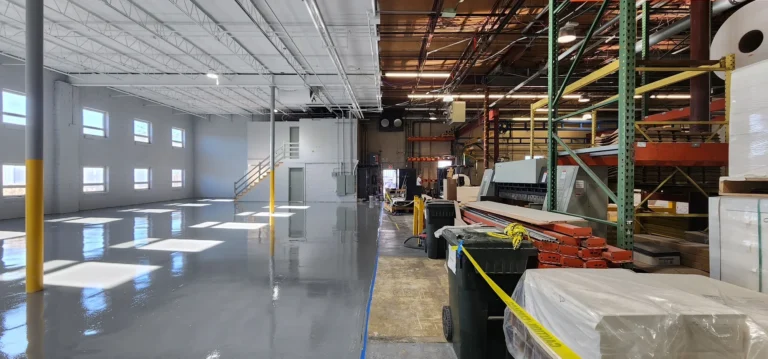
Flooring Solutions That Keep Businesses Moving
Downtime is expensive, which is why McLean crews work efficiently and safely to keep your operations running. We deliver durable floors on your schedule, without unnecessary disruption.
- Large, mobile crews ready for fast turnaround
- Flexible scheduling including nights and weekends
- Clean, professional work that minimizes disruption
- Projects finished on time and on budget
What Puts Us Above The Rest?

McLean Company
Typical Contractor
Markets We Serve

Industrial Manufacturing
Oil & Gas
Water, Wastewater Systems & Infrastructure
Transportation
Food & Beverage
Commercial Facilities
Manufacturing Facilities
Warehouse Facilities
Hospitality, Retail, & Entertainment
Healthcare
Government & DOD Facilities
Marine Vessels & Infrastructure
Schools & Universities
Power Generation
Service Area
Epoxy Flooring Expertise Across New England
McLean Company provides epoxy flooring, polished concrete, and specialty floor systems to businesses across New England. From distribution centers and manufacturing plants to retail and office spaces, our crews deliver durable flooring solutions that stand up to heavy use.
Featured Projects
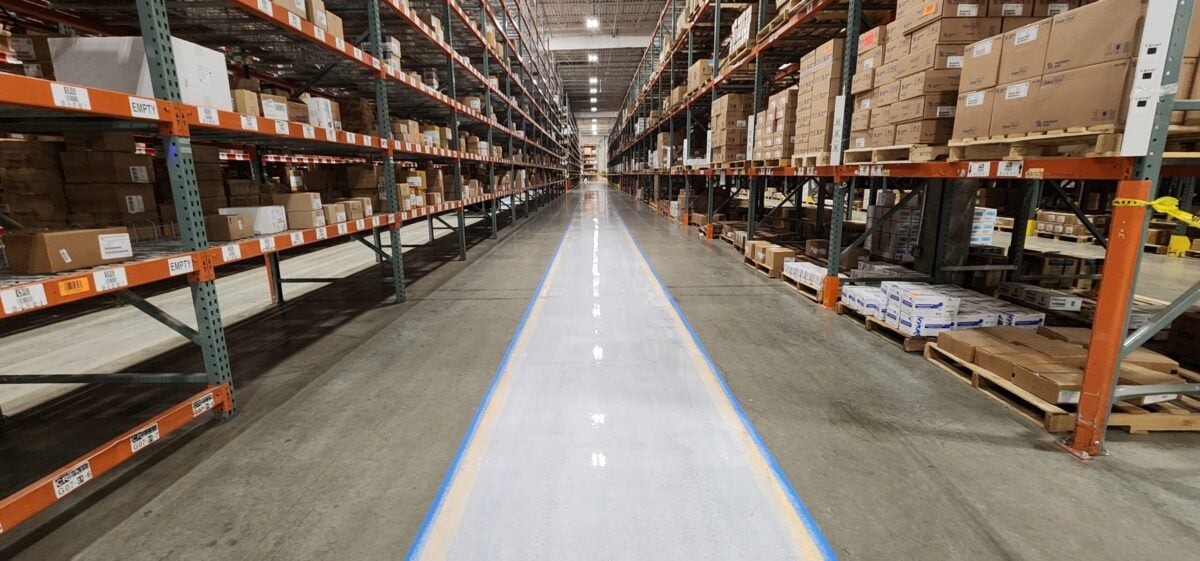
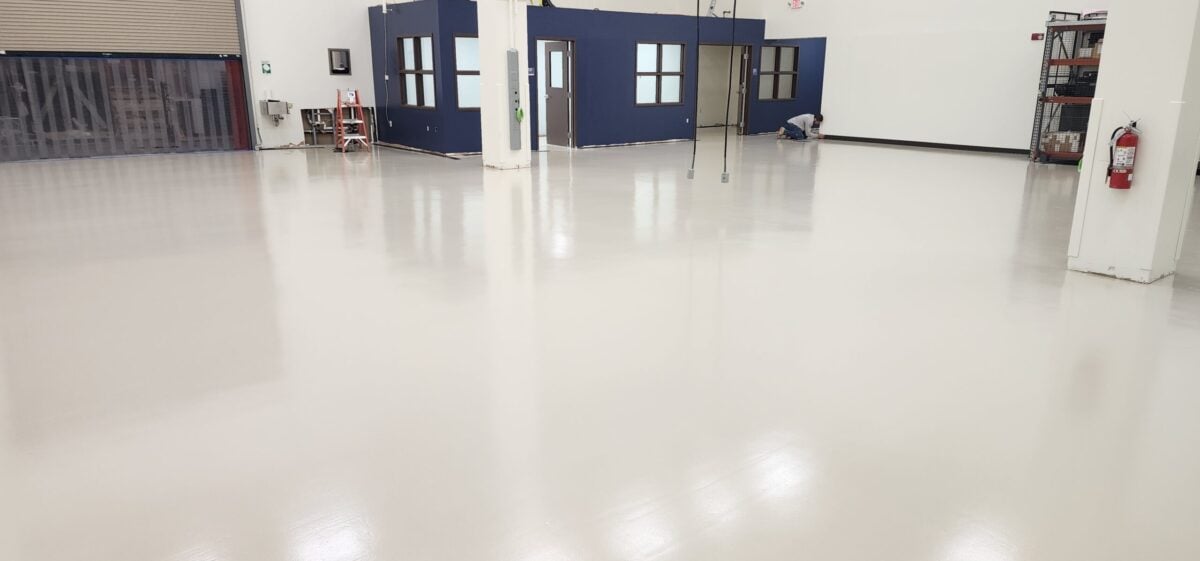
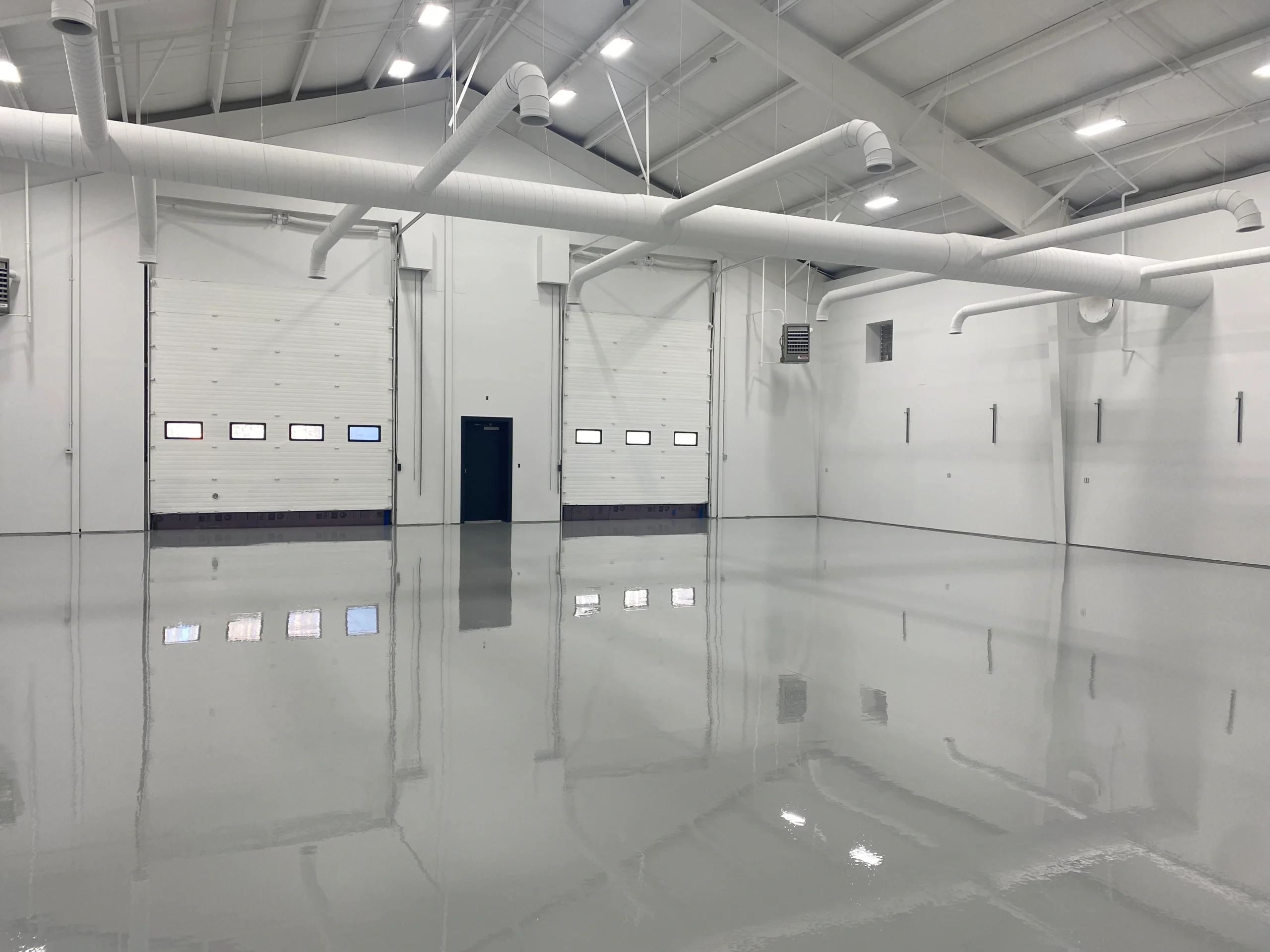
Our Work In Action
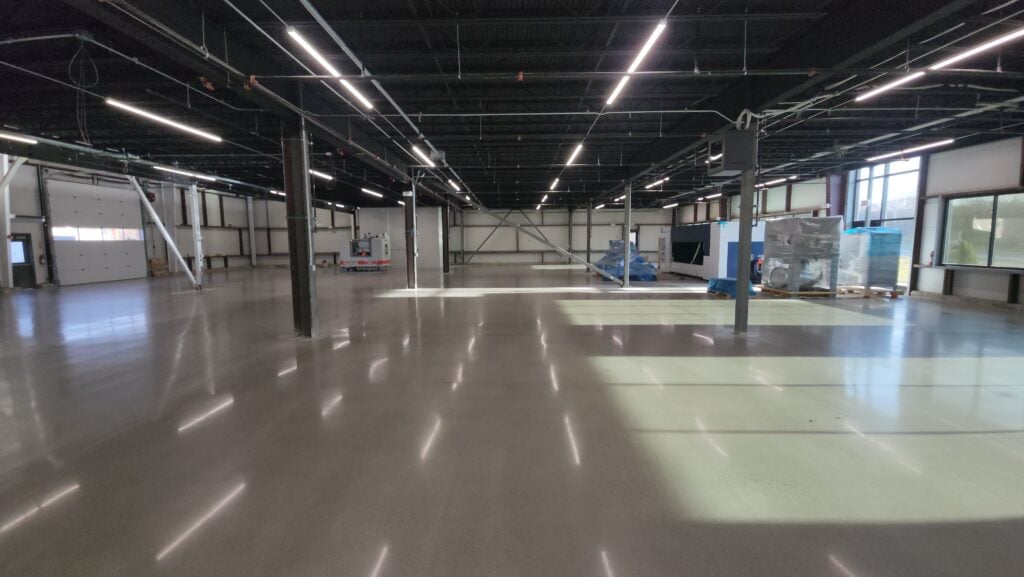
Before
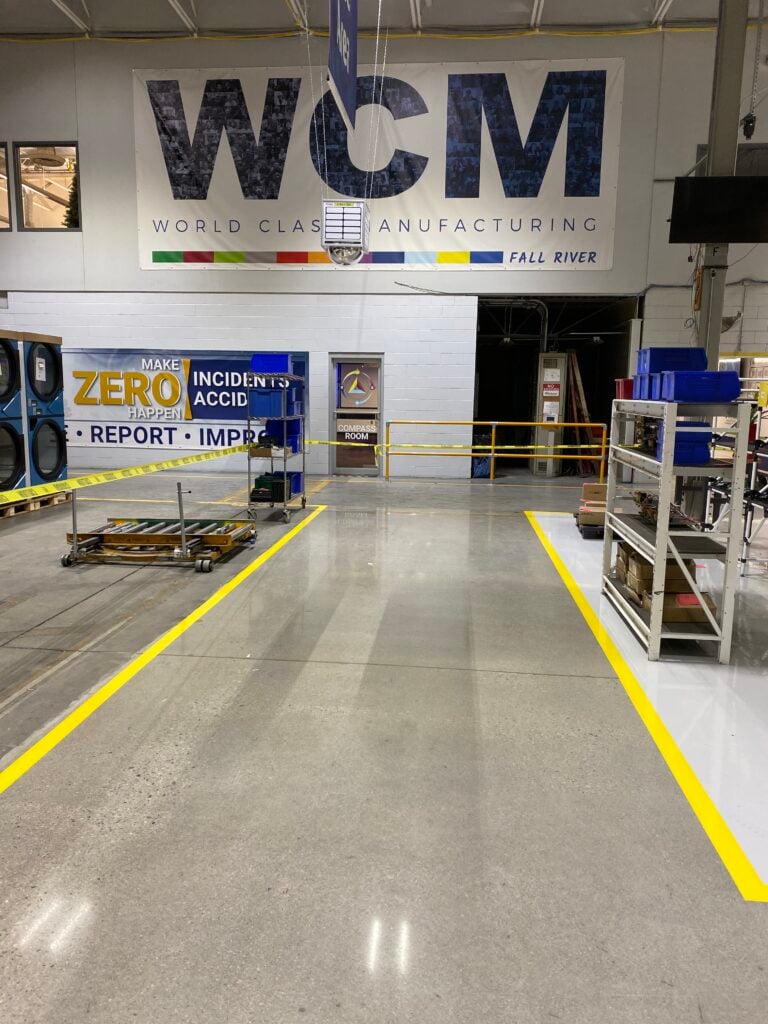
After
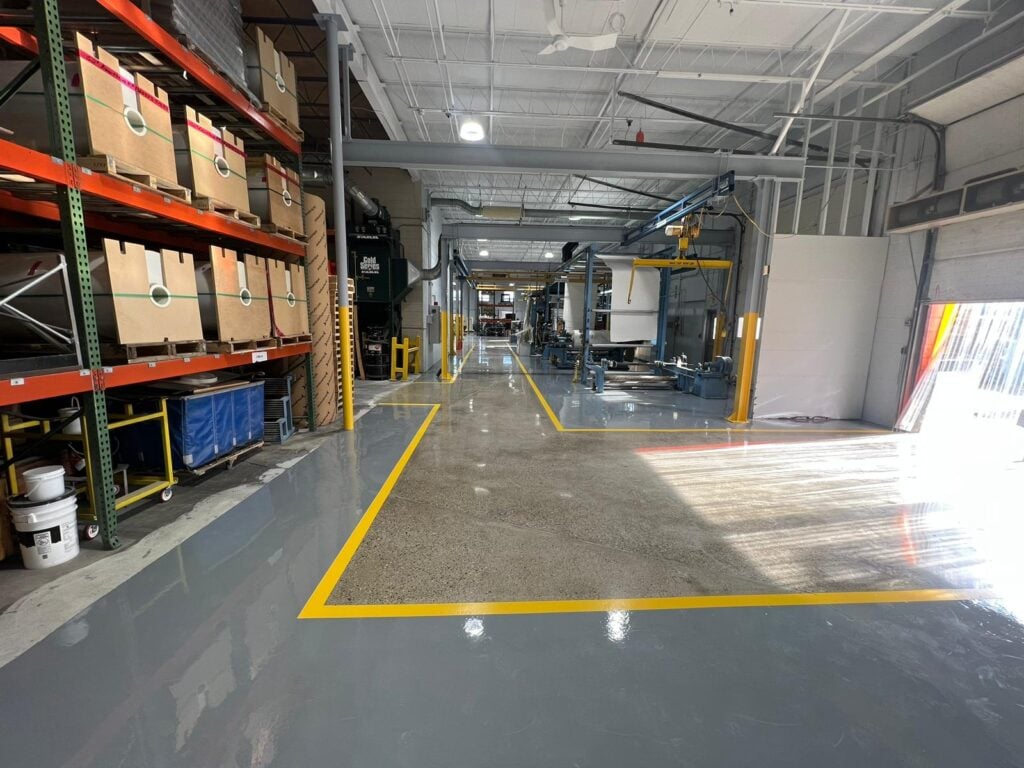
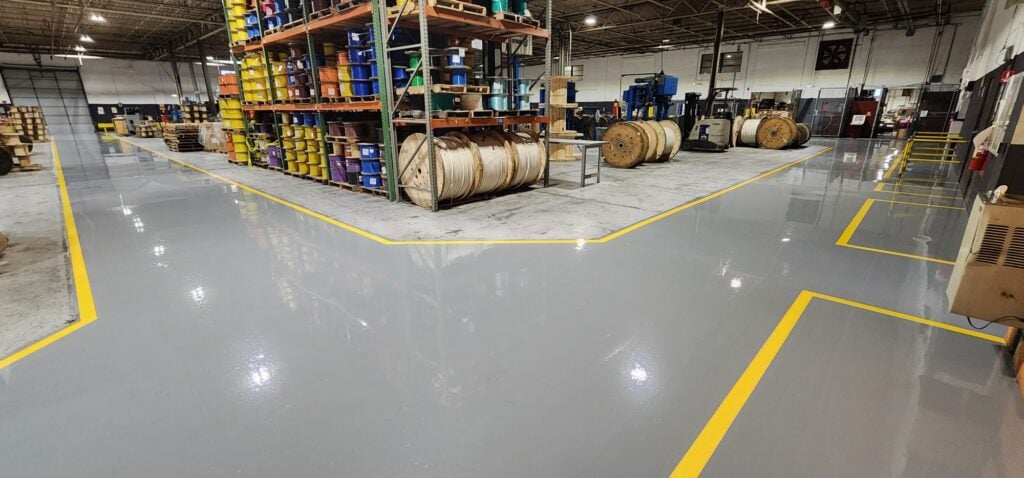
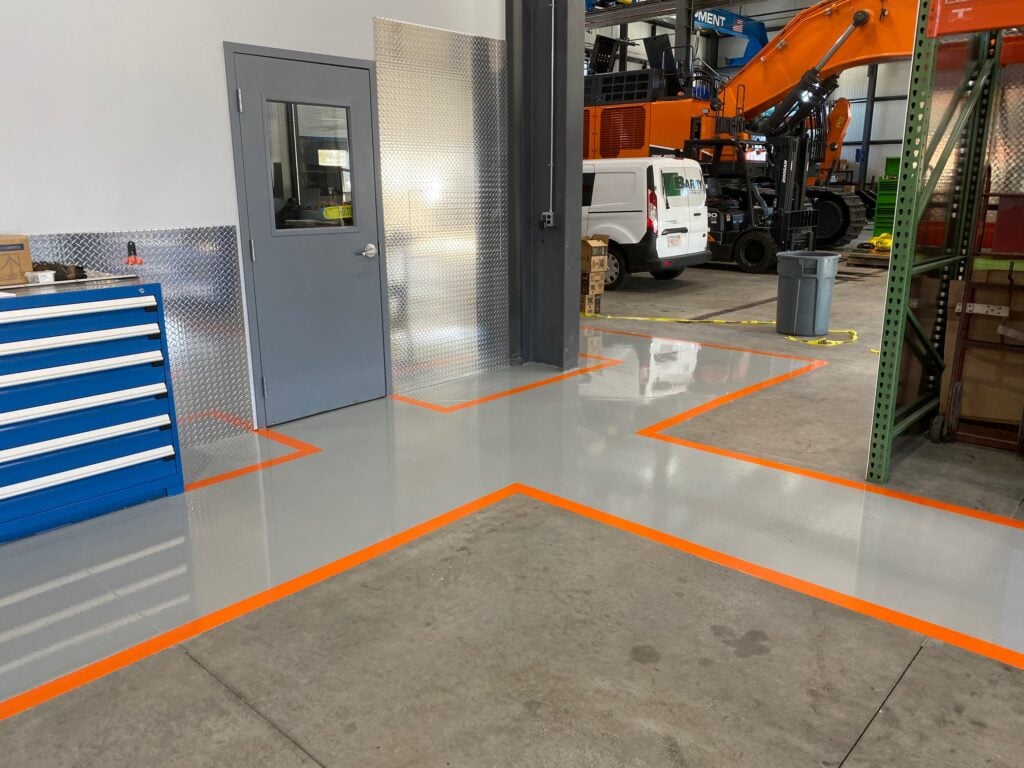
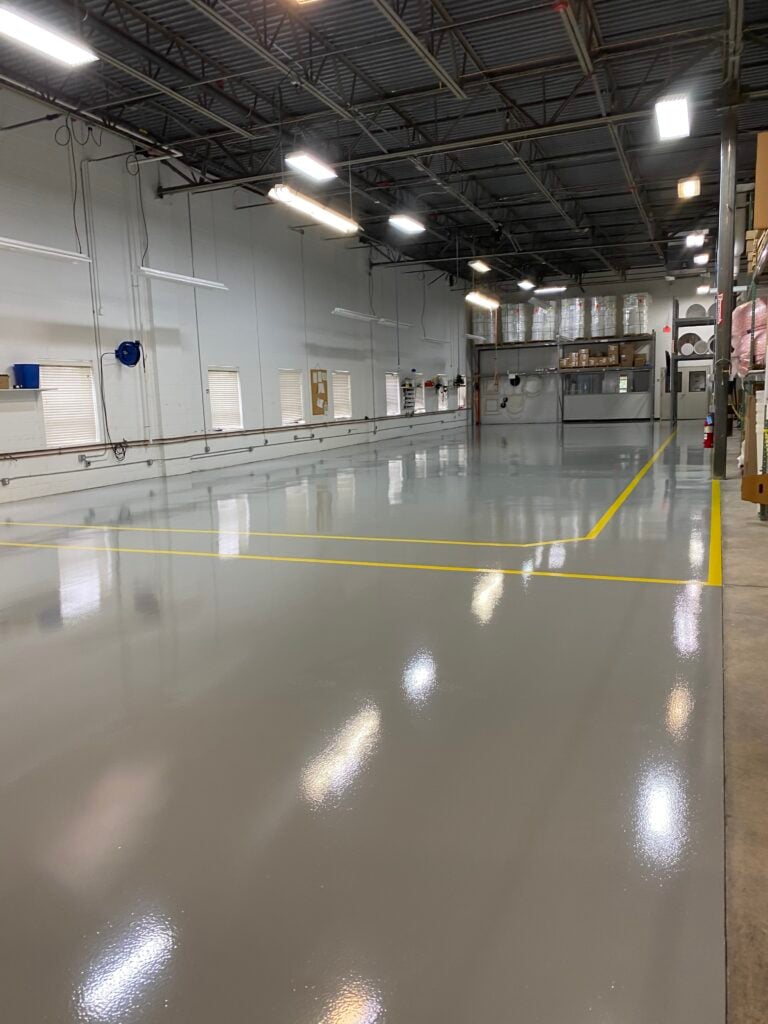
Service Area
Polished Concrete Flooring Expertise Near You
Based in Danvers, Massachusetts, we are equipped to handle projects of every scale throughout Boston, Worcester, Providence, Portland, and beyond. For more than 45 years, facility managers have relied on McLean for floors that last.
Frequently Asked Questions
Common Questions
What’s the difference between epoxy and polished concrete?
Epoxy offers a seamless, chemical-resistant surface, while polished concrete provides a durable, low-maintenance finish with a clean, professional look. We’ll help you choose based on your facility’s needs.
Can flooring be installed over existing concrete?
Yes. In most cases, we prepare and resurface the existing concrete before applying epoxy or polishing, saving time and cost.
How long before new flooring can be used?
Cure times vary by system. Some epoxy floors are ready in 24–48 hours, while polished concrete can often be used almost immediately after installation.

Recent Articles
The McLean Journal