(978) 774-4330

Industrial Painting That Protects, Complies, and Lasts
Industrial Painting Experts You Can Rely On
McLean Company provides durable industrial painting solutions that guard against rust, corrosion, and wear. Our crews deliver precise, large-scale painting services with minimal disruption, ensuring your facility stays protected, efficient, and looking its best.
-
 Free Estimates & Consultations
 -
Service-Specific Warranties
-
Experienced Crews For Large-Scale Facilities
 Free Estimates & Consultations
 Get Started Today


What Does Industrial Painting Include?
Industrial painting goes far beyond standard walls and ceilings. It focuses on protecting the critical assets and infrastructure that keep facilities running safely and efficiently.
- Structural Steel beams, supports, mezzanines, catwalks
- Silos grain silos, bulk material silos, cement silos
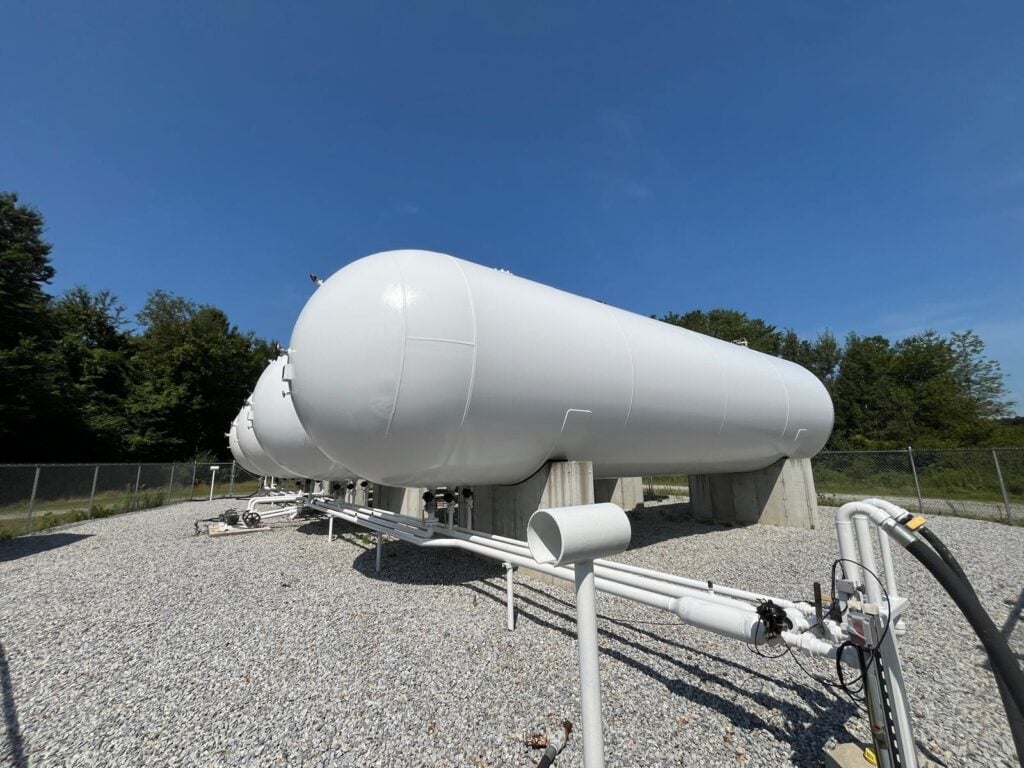
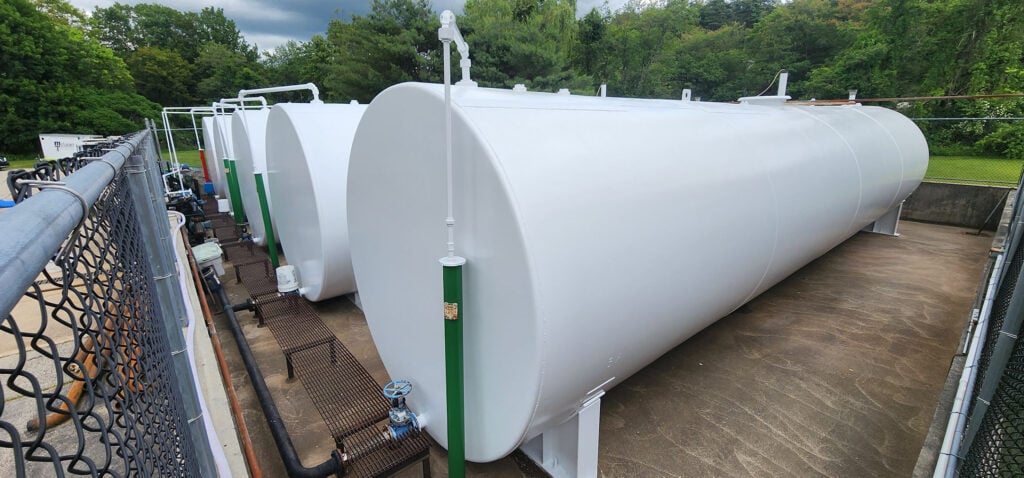
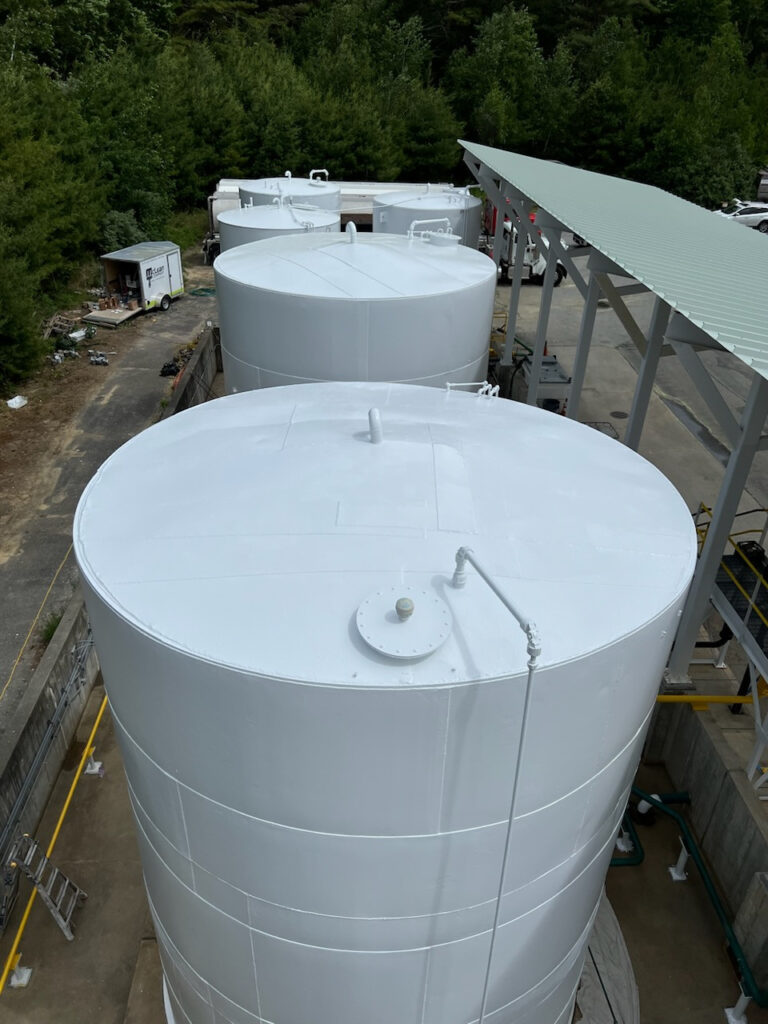
- Storage Tanks oil, fuel, chemical, and water tanks (above and below ground)
- Process Vessels pressure vessels, reaction tanks, and mixing vessels
- Piping & Ductwork protection from corrosion, chemicals, and weathering
- Secondary Containment Areas spill containment floors, berms, and basins
- Mechanical Equipment pumps, compressors, conveyors, and machinery housings
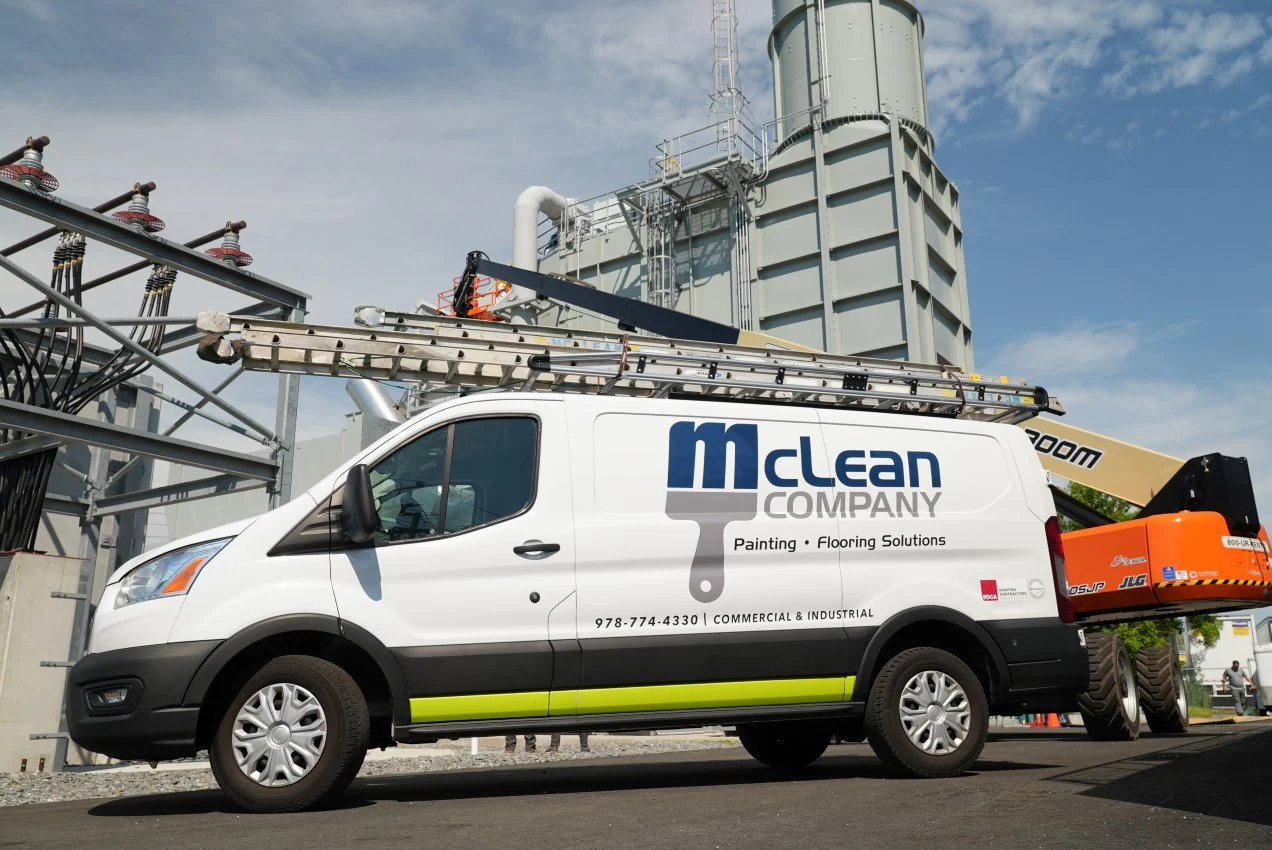
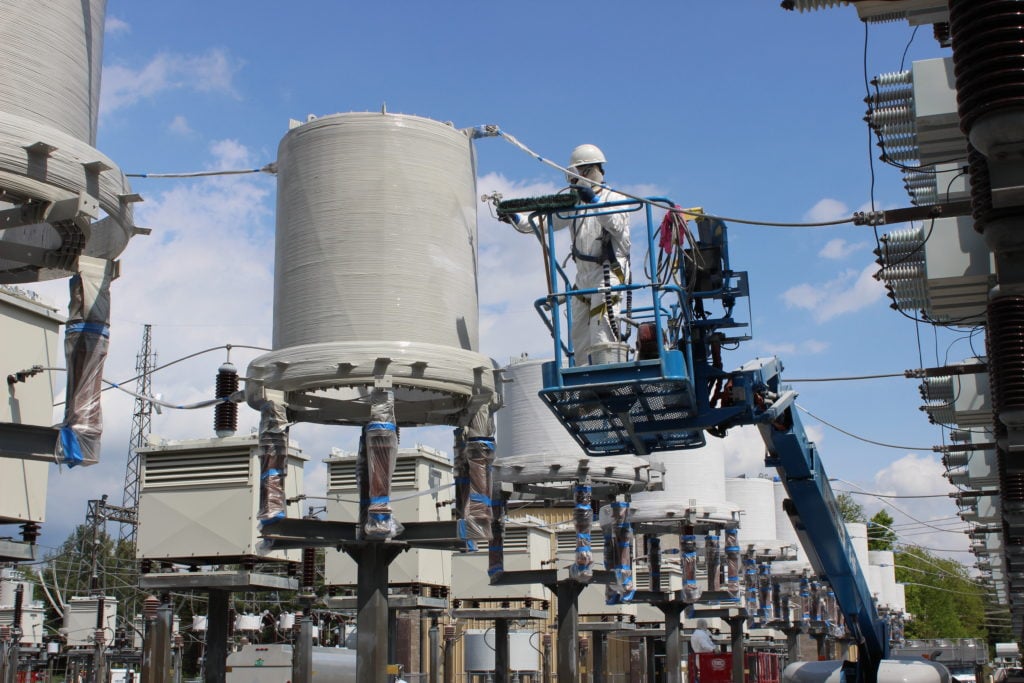
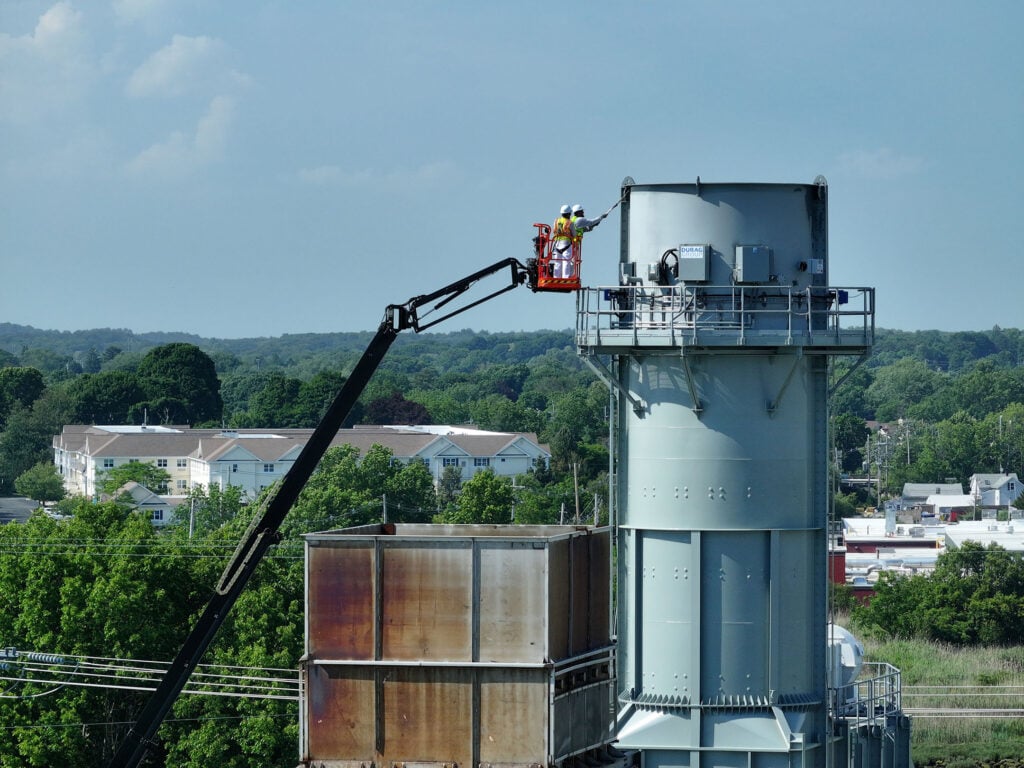
- Power & Energy Infrastructure substations, turbines, transformers, and utility structures
- Water & Wastewater Infrastructure clarifiers, digesters, aeration tanks, and associated steel/piping
- Specialty Surfaces & Coatings fireproofing, antimicrobial, anti-graffiti, and chemical/abrasion-resistant systems
Industrial Painting Services Built for Demanding Environments
Industrial facilities operate under tough conditions where downtime, safety risks, and structural wear can quickly become costly problems. Industrial painting isn’t cosmetic, it’s essential for safety, compliance, and long-term facility performance.
McLean Company plans every job with your facility’s workflow in mind. Our crews are trained to work efficiently and safely, delivering results that protect your assets and help avoid unexpected interruptions.
- Minimize operational disruptions with experienced project planning
- Improve workplace safety through clear markings and well-maintained surfaces
- Extend the service life of buildings and equipment by preventing early deterioration
- Support compliance with health, safety, and industry regulations
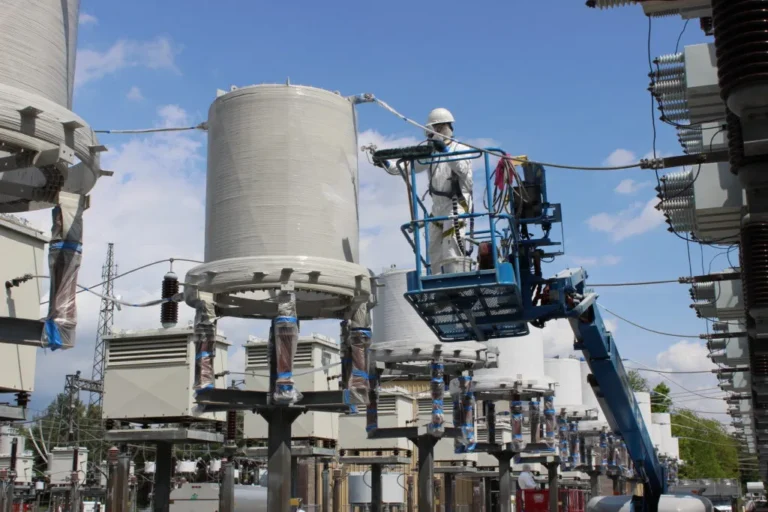
Comprehensive Industrial Surface Prep & Coatings
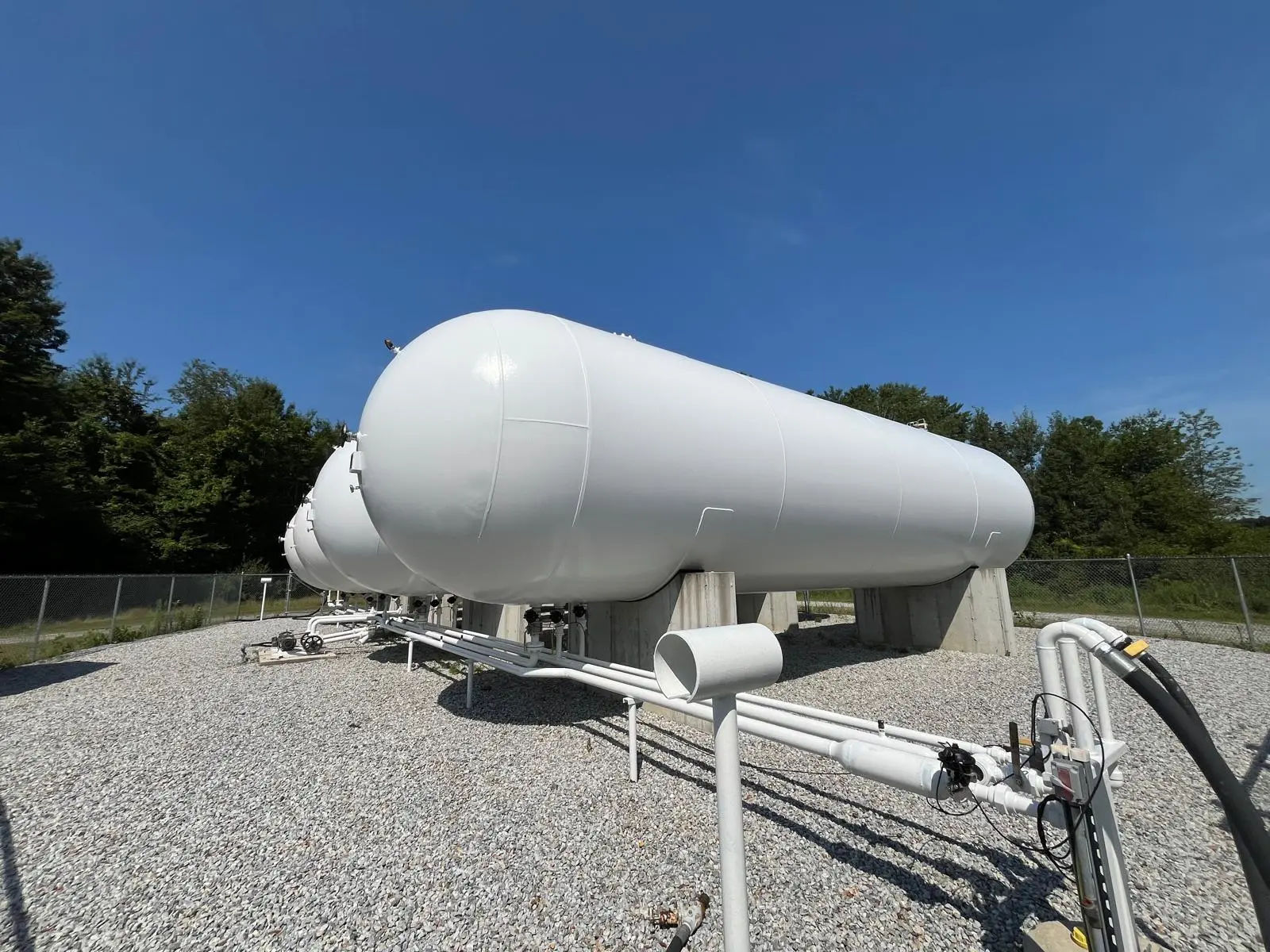
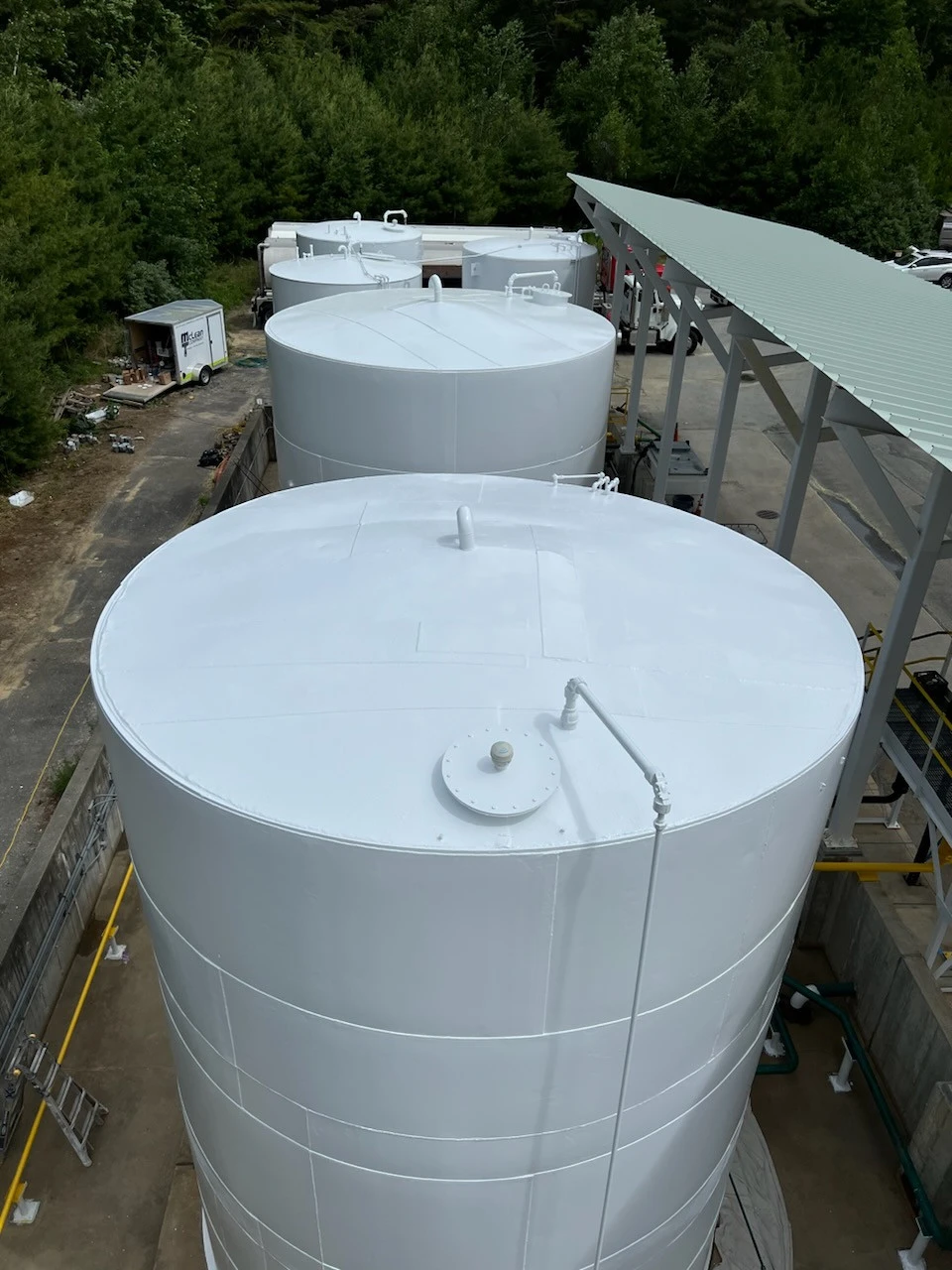
Tanks and structural steel
Protect silos and tanks from rust, chemical wear, and surface damage with durable coatings and expert preparation. McLean ensures long-term performance and compliance for critical storage assets.
- Abrasive blasting for complete surface preparation
- Rust removal to restore structural integrity
- Epoxy and urethane coatings for extended service life
- Thorough preparation for maximum adhesion and durability
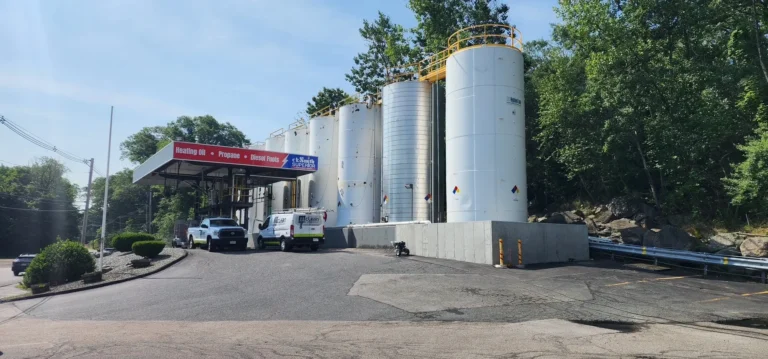
Corrosion Control and Protective Coatings
Stop corrosion before it spreads with proven protective systems. Our crews specialize in corrosion mitigation, containment coatings, and chemical-resistant systems tailored to regulated industrial environments. McLean applies coatings and containment solutions that safeguard steel, concrete, and equipment against harsh industrial environments.
- Rust removal and protective recoating solutions
- Secondary containment coatings to prevent leaks and spills
- Epoxy and urethane coatings for chemical resistance
- High-performance systems for demanding environments
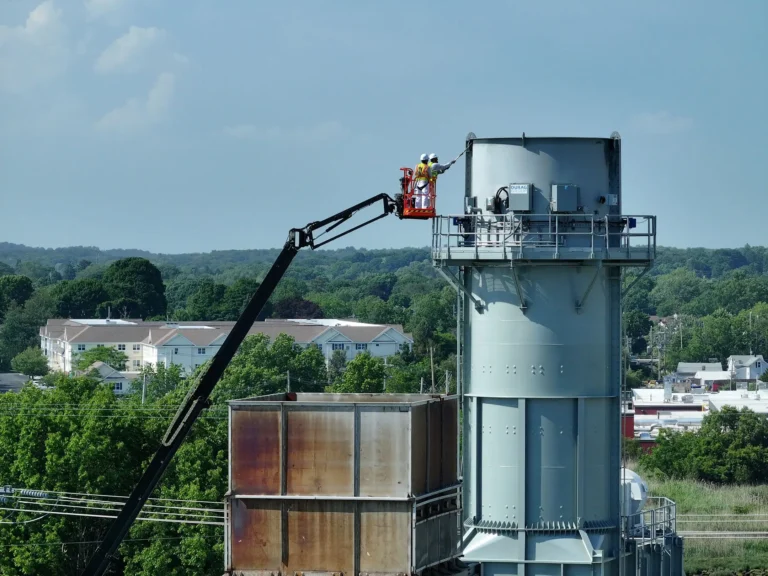
Facility Maintenance Repaints
Maintain a clean, professional, and safe environment with scheduled repainting and cleaning services. McLean helps extend the life of your facility while reducing downtime.
- Dry ice blasting for sensitive surface cleaning
- Graffiti removal to maintain professional appearance
- Industrial cleaning for equipment and facility upkeep
- Industrial cleaning for equipment and facility upkeep
Products That Protect, Strengthen, and Enhance Your Facility
McLean Company delivers more than just paint. Our industrial solutions combine preparation, coatings, and protection systems designed for long-term performance in the most demanding environments.
- Full interior and exterior painting for large facilities
- Structural steel, equipment, and storage tank coatings
- Corrosion-resistant and chemical-resistant systems
- Specialty coatings such as fireproofing, environmental, and antimicrobial
- Facility enhancements including line striping, color coding, and acoustic systems
What Puts Us Above The Rest?
Feature

McLean Company
Typical Contractor
Additional Industrial Services

High Bay & Dryfall Ceiling Coating Systems
Internal Structural Steel Coating & Recoating
Corrosion Control & Protective Coatings
Fireproofing Coating Application
Shutdown & Turnaround Painting Services
Industrial Maintenance Painting Programs
Service Area
Partnering With New England Facilities For Decades
Content:McLean Company delivers industrial painting services across New England with large, mobile crews equipped for demanding schedules. Based in Massachusetts, we’re local to the region but built to take on projects of any scale — from single-facility maintenance to multi-site industrial portfolios. For more than four decades, facility managers have trusted McLean for results that keep operations protected, compliant, and looking professional. As a family-owned company, we combine the resources to handle large-scale work with the accountability and responsiveness of a trusted local partner.
Featured Projects
See Our Work in Action


Frequently Asked Questions
Common Questions
What types of facilities do you paint?
We serve manufacturing plants, warehouses, distribution centers, water treatment facilities, and other industrial environments.
Can you handle corrosion or rusted surfaces?
Yes. We provide surface prep, sandblasting, and coatings designed to stop corrosion and protect long-term.
Do you work around active operations?
Absolutely. We coordinate schedules and safety procedures to minimize downtime while work continues in your facility.
What coatings do you use for industrial painting?
We work with high-performance paints and protective coatings from trusted manufacturers like Rust-Oleum and PPG.

Recent Articles
The McLean Journal