(978) 774-4330

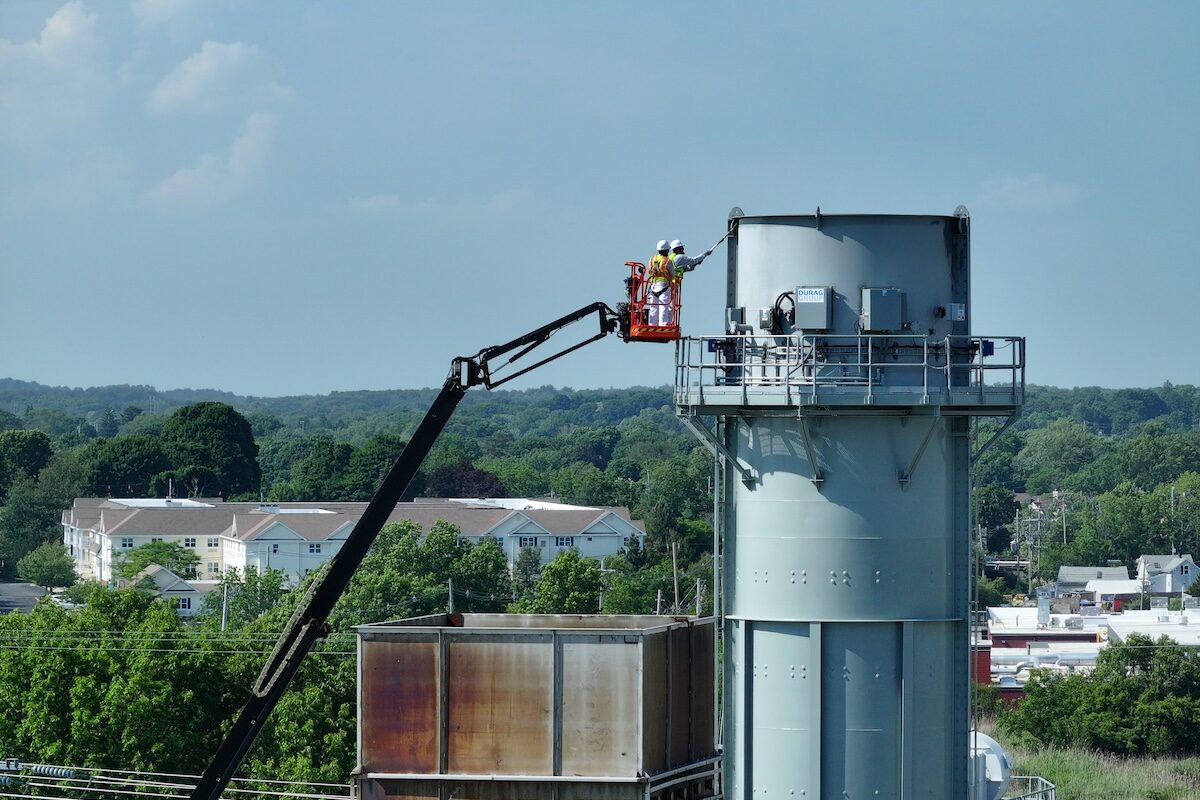
When it comes to maintaining the longevity and safety of storage silos, understanding the industrial silo painting process is essential. Silos play a critical role in various industries by safely storing bulk materials, but they are constantly exposed to harsh environmental conditions that can cause damage over time. Proper painting not only improves the aesthetic but significantly enhances corrosion resistance and structural integrity. For those seeking expert assistance in protective coatings, considering specialized industrial coatings and painting services can make all the difference.
Businesses in Lowell, MA can count on professional industrial painting services that prioritize durability, safety, and long-term asset protection.
- Discover why an appropriate industrial silo painting process is vital for durability and safety.
- Learn the key steps involved in preparing and applying protective paints to silos.
- Explore various types of coatings and their benefits for different environments.
- Understand maintenance practices to extend the life of painted silos.
- Get insights into choosing professional painting services that guarantee quality results.
Why the Industrial Silo Painting Process is Essential
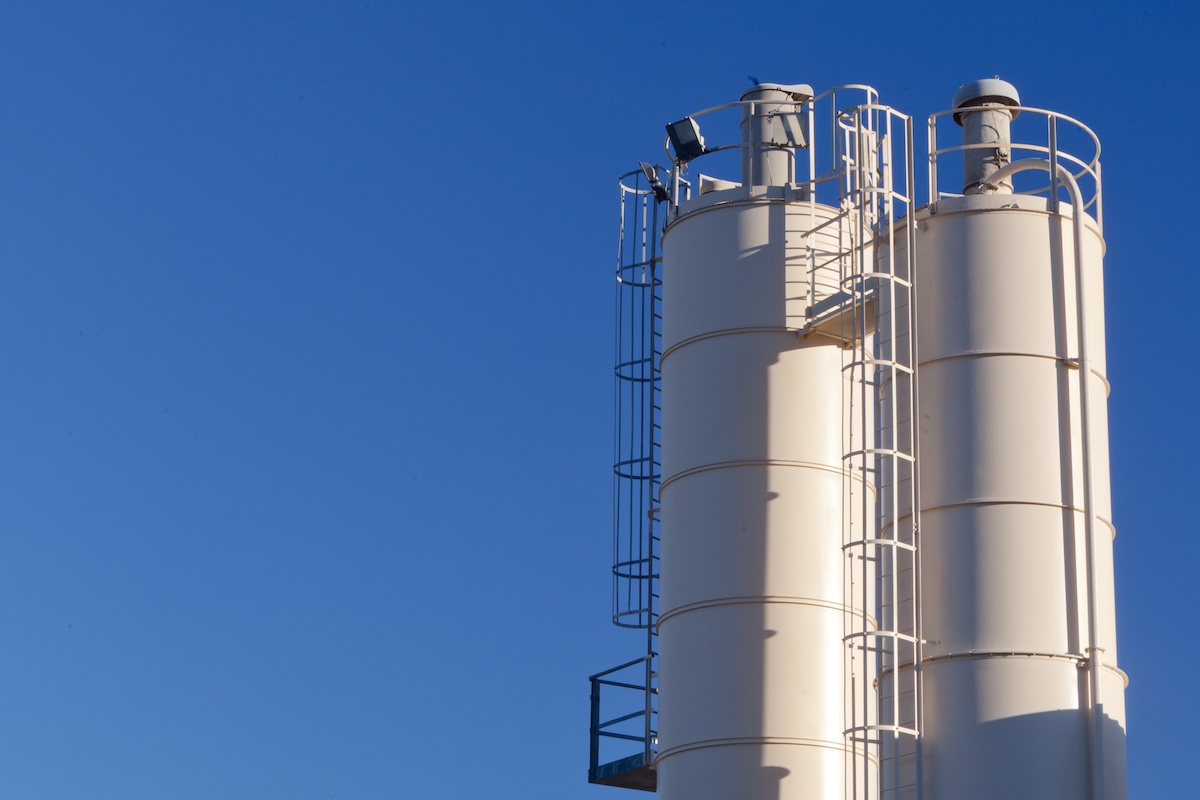
Silage storage silos are constantly subjected to weather elements, mechanical wear, and chemical exposure. Each of these factors can degrade the silo’s surface and compromise its function. That’s why understanding the industrial silo painting process is key to protecting this vital infrastructure.
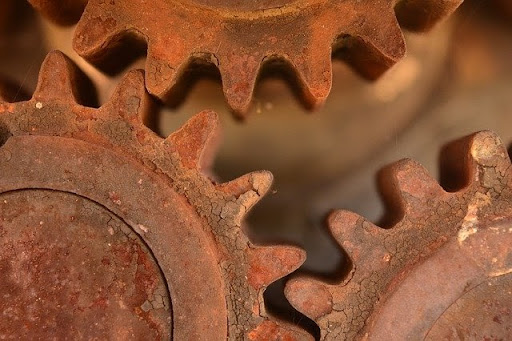
- Corrosion Protection: Painting shields steel and metal silos from rust and corrosion caused by moisture and oxygen exposure.
- Extended Lifespan: A well-applied protective coating minimizes surface degradation, effectively lengthening the lifespan of the silo.
- Safety Assurance: Reducing rust and structural wear helps maintain the silo’s integrity, ensuring safe operation and storage.
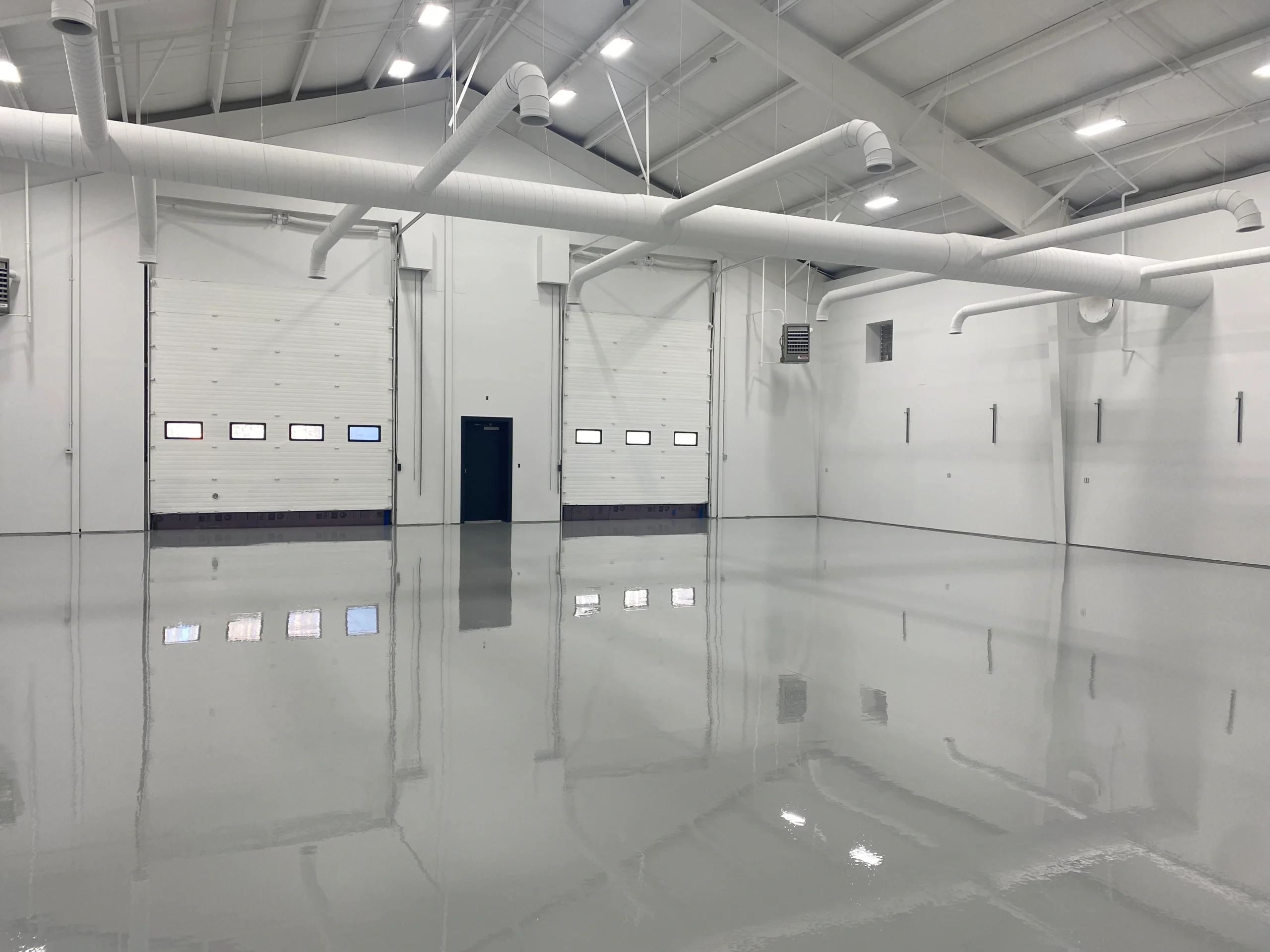
- Aesthetic Improvement: A fresh, uniform coat enhances the silo’s appearance, important for industrial facilities and regulatory compliance.
- Cost Efficiency: Proper painting prevents costly repairs and premature replacements, providing long-term savings.
6 Main Steps of the Industrial Silo Painting Process
Applying the correct process is crucial for the paint to adhere properly and perform as expected. Below are the essential steps that professionals follow during silo painting projects.
1. Surface Inspection and Assessment
Before any painting begins, it is important to assess the silo’s current condition. This involves checking for rust, old paint layers, structural damage, and contaminants.
- Identify areas with corrosion or peeling paint that require repair.
- Evaluate surface smoothness and cleanliness.
2. Surface Preparation and Cleaning
Proper cleaning is the foundation of a successful paint job. This step removes dirt, grease, rust, and old paint to create a receptive surface for coating. To better understand when this step is necessary, refer to our detailed guide on industrial sandblasting and when it’s needed, which explains how blasting improves coating durability and corrosion resistance.
- Use abrasive blasting, such as sandblasting or shot blasting, to clean metal surfaces thoroughly.
- Apply chemical cleaners or solvent wipes if necessary to eliminate residues.
- Ensure the surface is dry and free of loose particles before proceeding.
3. Priming the Silo Surface
Primers enhance paint adhesion, inhibit rust, and establish a protective base layer.
- Select a primer suitable for metal silos and the environmental conditions.
- Apply primer evenly using spray or brush methods for thorough coverage.
- Allow sufficient curing according to product specifications before painting.
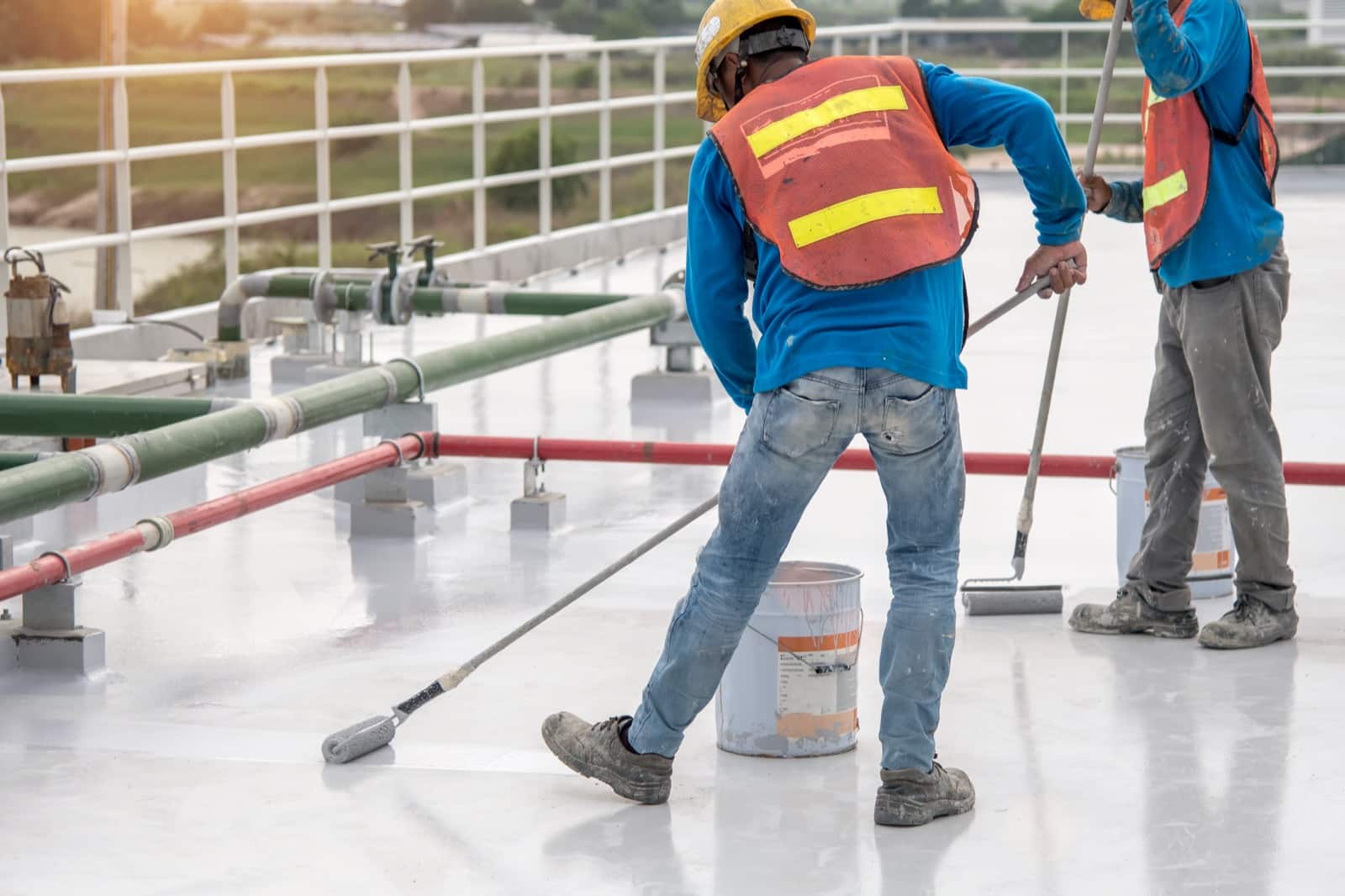
4. Applying the Topcoat
The topcoat provides the main protection against weather, chemicals, and mechanical damage. Choosing the right paint is critical.
- Common options include epoxy, polyurethane, and zinc-rich coatings, each offering unique benefits.
- Apply multiple layers if required for optimal thickness and performance.
- Ensure each layer dries completely before applying the next.
5. Inspection and Quality Control
After painting, a careful inspection is vital to verify coating integrity and coverage.
- Check for paint thickness, uniformity, and absence of defects such as bubbles or cracks.
- Address any imperfections immediately to maintain protection effectiveness.
6. Final Curing and Protection
The final stage involves curing the paint fully and implementing protective measures for transport, handling, or environmental exposure during drying.
- Follow manufacturer curing times closely to reach maximum coating performance.
- Restrict silo usage or exposure to harsh elements until curing is complete.
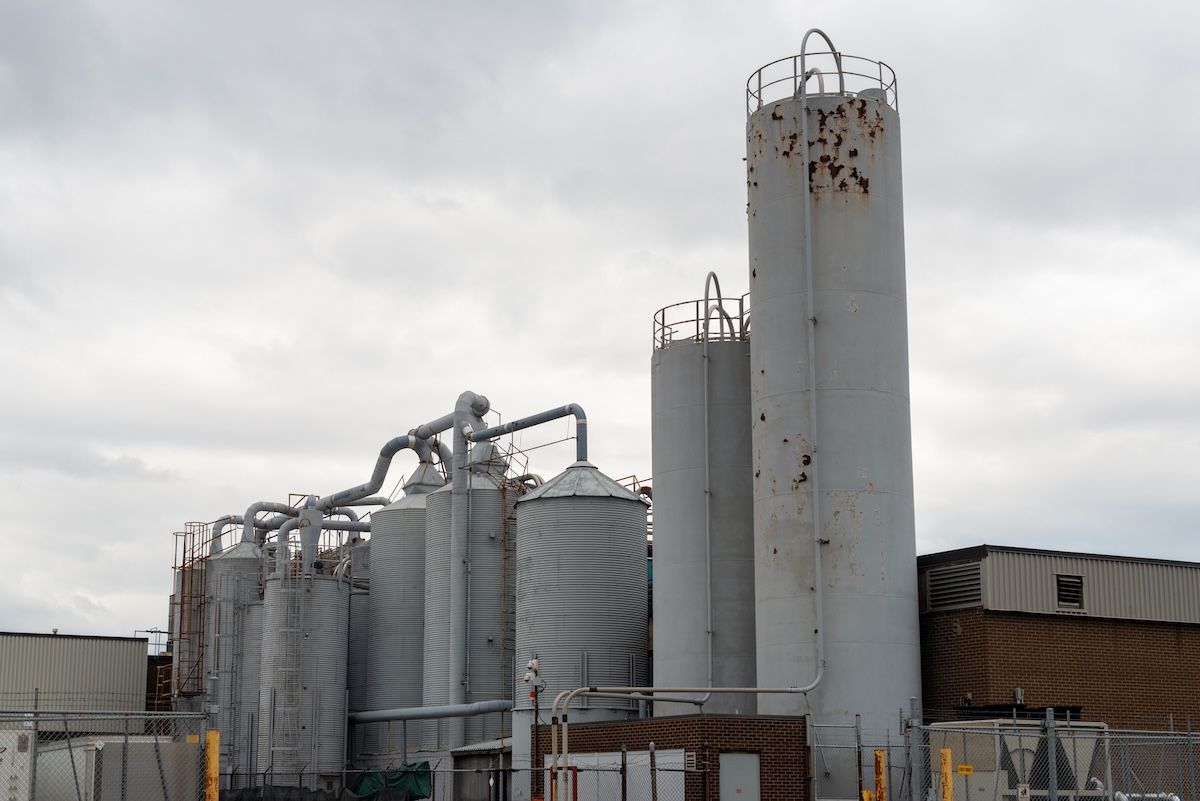
Enhancing the Industrial Silo Painting Process with Coating Options
Choosing the correct coating for a silo depends on factors such as the material stored, environmental stresses, and budget. Here are some common types along with their features:
- Epoxy Coatings: Provide excellent chemical resistance and adhesion, suitable for silos storing corrosive materials.
- Polyurethane Coatings: Known for superior UV protection and flexibility, ideal for outdoor exposures.
- Zinc-Rich Primers: Act as sacrificial layers, protecting steel by galvanic action, especially in highly corrosive environments.
- Polyurea Coatings: Fast curing and durable, useful for projects requiring quick turnaround.
Combining appropriate primers with compatible topcoats is essential for maximizing coating performance in various industrial conditions. If your facility requires additional moisture protection alongside painting, exploring commercial waterproofing options can help extend the lifespan of both the structure and its protective coatings.
Maintenance and Long-Term Care of Painted Industrial Silos
The painting process lays a strong foundation, but ongoing maintenance ensures the silo continues to perform and look its best. For businesses seeking durable industrial coating solutions in Boston, MA, McLean Company provides expert surface preparation and coating systems designed to withstand heavy industrial demands.
Regular Inspections
Schedule routine checks to detect early signs of paint failure or corrosion.
- Look for cracks, peeling, rust spots, or surface discoloration.
Cleaning Practices
Remove dirt, debris, and contaminants regularly to prevent surface degradation.
- Use gentle pressure washing or manual cleaning methods to avoid damaging the coating.
Touch-Ups and Repairs
Promptly address damaged areas with spot repairs or minor repainting to prevent corrosion progression.
- Match paint types and colors carefully to maintain uniform protection.
Environmental Considerations
Avoid exposing silos to chemicals or pollutants that could accelerate paint deterioration. Implement protective barriers or coatings if necessary.
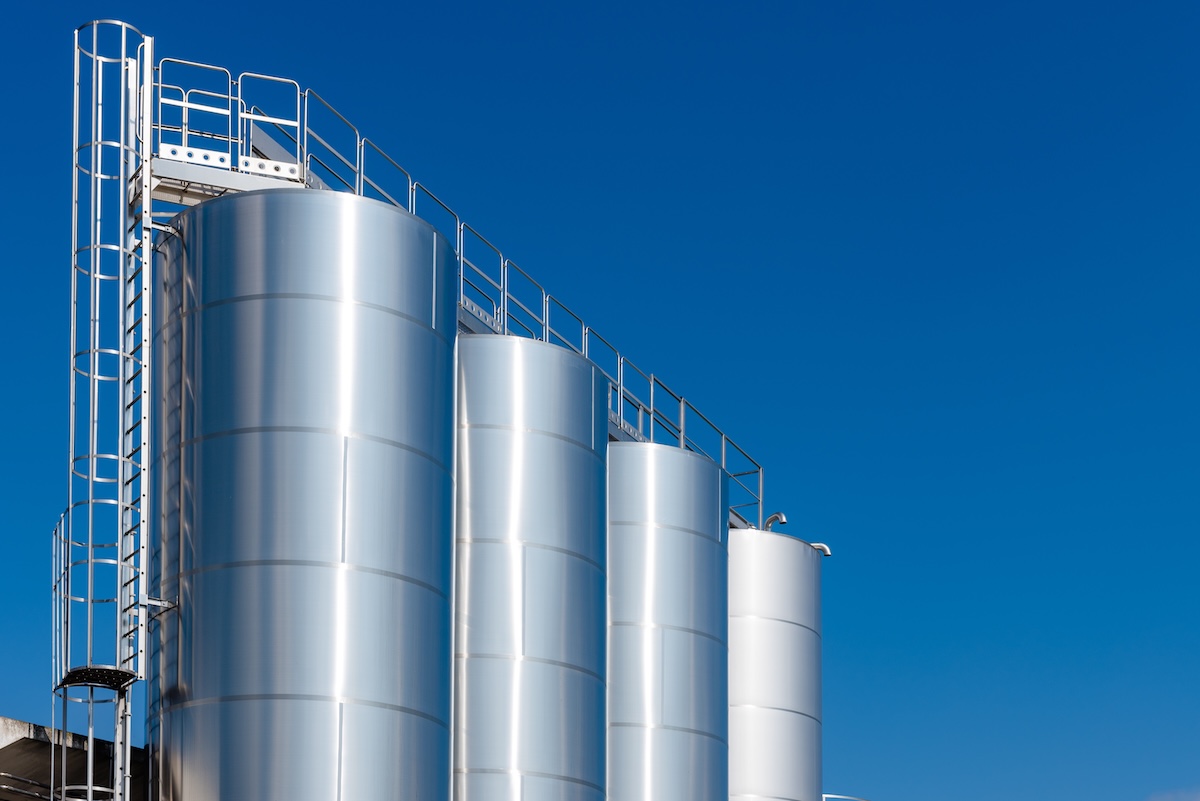
The Silo Painting Process
Understanding the industrial silo painting process is fundamental to protecting valuable storage assets from corrosion, wear, and environmental damage. By following a comprehensive multi-step approach and selecting appropriate coatings, industries can achieve superior durability and operational safety. If your facility requires expert industrial painting services that enhance silo longevity and performance, contact us today at McLean Company to discuss tailored solutions crafted for your needs.
Companies operating in Central Massachusetts can rely on trusted industrial services in Worcester, MA to deliver high-performance coatings that meet strict industrial standards and environmental conditions.