(978) 774-4330

When you’re trying to create a quiet, relaxing indoor space, understanding how to soundproof a room from outside noise is essential. External sounds like traffic, construction, or noisy neighbors can disrupt sleep, concentration, and relaxation. A fully soundproofed room isn’t just about comfort—it can dramatically improve quality of life, especially in busy urban areas.
To achieve this, exploring specialized acoustic solutions and materials is key. Whether you’re soundproofing a bedroom, office, or studio, investing in proven strategies makes all the difference.
- Understand why full-room soundproofing is crucial for peace and focus
- Learn five effective methods to block outside noise
- Explore materials and acoustic technologies tailored for room soundproofing
- Discover how to maintain soundproofing effectiveness over time
Why Soundproofing a Room Is Critical for Noise Control
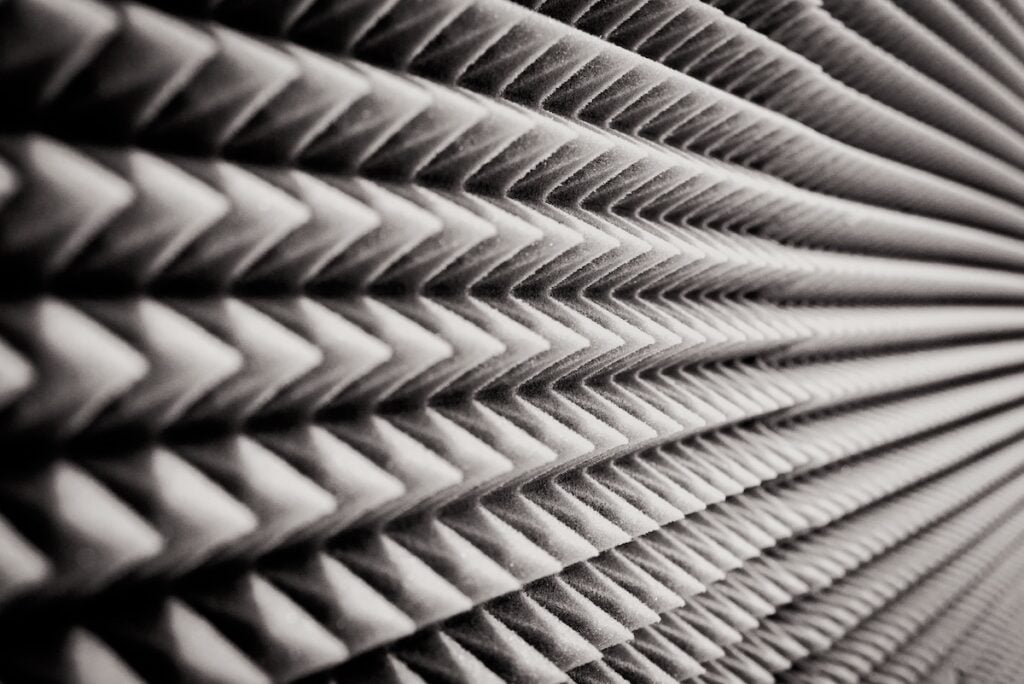
Rooms are naturally vulnerable to noise because sound can travel through walls, windows, floors, ceilings—and even tiny gaps. While windows and doors are obvious entry points, entire wall assemblies and floor systems can transmit vibrations if left untreated.
Ignoring full-room soundproofing means outside noises will continue to filter in despite partial fixes.
Here’s why it matters:
- Multiple Noise Sources: City sounds like horns, sirens, dogs, and loud conversations can penetrate walls and windows.
- Improved Sleep & Focus: Soundproofing improves rest and productivity by minimizing disturbances.
- Increased Privacy: Prevents sound from entering—and exiting—a room, which is especially useful for offices, therapy rooms, or home studios.
- Property Value: Homes with enhanced acoustic privacy are more appealing to potential buyers or renters.
5 Proven Methods to Soundproof a Room from Outside Noise
Soundproofing a room involves a combination of mass, decoupling, absorption, and sealing. These five methods are commonly used by both professionals and DIYers to create acoustic sanctuaries.
1. Add Mass to Walls and Ceilings
Adding dense materials helps block sound transmission by preventing vibrations from passing through walls or ceilings.
- Mass-Loaded Vinyl (MLV): A flexible, heavy material that can be installed under drywall or over existing walls.
- Soundproof Drywall: Thicker and denser than standard drywall, often with gypsum and polymer layers.
- Plywood or Double Drywall: Doubling up layers increases density, reducing sound penetration.
2. Use Acoustic Insulation Inside Wall Cavities
Insulating the inside of your walls and ceiling cavities significantly helps absorb airborne sound.
- Mineral Wool or Rockwool: Excellent sound absorption, resistant to moisture, and fire-retardant.
- Fiberglass Insulation: Affordable and widely available, though slightly less effective than mineral wool.
- Cellulose or Spray Foam: Offers both thermal and acoustic benefits and fills gaps tightly.
3. Install Resilient Channels or Isolation Clips
To stop sound vibrations from traveling through wall studs or ceiling joists, decouple the structure.
- Resilient Channels: Metal rails that attach between drywall and framing to interrupt sound paths.
- Sound Isolation Clips: Combined with furring channels, these create a “floating” wall or ceiling system, dramatically reducing noise transmission.
4. Seal All Gaps and Cracks
Even the smallest opening can let in significant noise. Sealing the room tight is one of the simplest and most affordable ways to block sound.
- Acoustic Caulk or Sealant: Use around window frames, electrical outlets, light switches, and baseboards.
- Weatherstripping & Door Sweeps: Block gaps around doors, especially the threshold area.
- Foam Backer Rods: Ideal for large gaps before applying acoustic sealant.
5. Install Acoustic Panels or Soft Furnishings
After blocking and isolating sound, adding absorption materials helps reduce echo and internal noise buildup.
- Acoustic Wall Panels: Foam or fabric-covered panels absorb mid- to high-frequency sounds.
- Heavy Curtains or Window Inserts: Sound-dampening drapes and acrylic window panels provide added insulation.
- Carpets, Rugs, and Bookshelves: Soft, dense materials inside the room help soak up lingering sound waves.
Top Materials and Technologies for Room Soundproofing
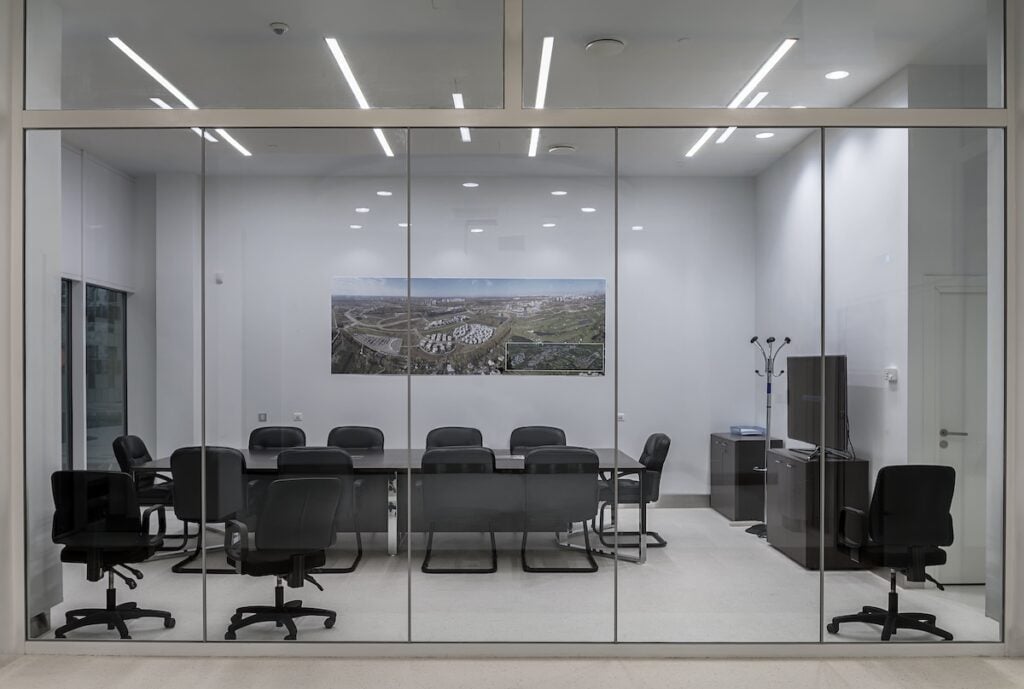
The right combination of materials can make or break your soundproofing results. Modern innovations have made it easier to treat a room without major renovations.
Mass-Loaded Vinyl (MLV)
Highly effective at blocking noise, MLV is a go-to choice for walls, ceilings, and even floors. It’s flexible, easy to cut, and suitable for use behind drywall or under flooring.
Acoustic Foam Panels
Designed to absorb sound rather than block it, foam panels reduce echo, flutter, and reverberation. While not a standalone solution for outside noise, they enhance room acoustics when paired with barrier materials.
Green Glue Noiseproofing Compound
This viscoelastic compound goes between layers of drywall or plywood and transforms sound energy into heat, reducing transmission significantly.
Soundproof Drywall
Made of multiple dense layers and often integrated with damping compounds, this drywall type is excellent for walls and ceilings in high-noise areas.
Door Soundproofing Kits
These include door sweeps, seals, and sometimes panels or backers that turn standard interior doors into sound-blocking barriers.
Frequently Asked Questions About Room Soundproofing
- Q: Can I soundproof a room by myself?
Yes, many methods such as sealing gaps, applying acoustic panels, and adding insulation are DIY-friendly. However, advanced solutions like installing resilient channels or building new wall assemblies may require professional help. - Q: How much does it cost to soundproof a room?
Costs can range from under $200 for basic upgrades (like sealing and curtains) to several thousand for full wall and ceiling treatment. Material choice and labor impact pricing the most. - Q: Will soundproofing help with echo and interior acoustics?
Yes. Materials that block sound (like MLV) reduce noise intrusion, while absorptive materials (like foam panels) improve sound quality inside the room. - Q: Can soundproofing affect ventilation?
Proper planning ensures that soundproofing doesn’t block airflow. Acoustic vents and baffles can preserve both ventilation and noise control. - Q: How long do soundproofing materials last?
Quality materials like MLV or acoustic drywall last for decades. Sealants may need reapplication every few years, depending on conditions.
How to Maintain Your Room’s Soundproofing Over Time
Soundproofing isn’t a one-time fix. To maintain performance and prevent new noise leaks, follow these long-term tips:
- Inspect for Gaps Annually: Over time, buildings shift. Check for new cracks or gaps and reseal as needed.
- Reapply Acoustic Sealant: Especially around windows, doors, and outlets, where movement is most common.
- Update or Replace Panels: Acoustic panels may sag or lose density—swap them every few years for best results.
- Keep Windows Sealed: Use removable window inserts or replace aging weatherstripping to ensure continued insulation.
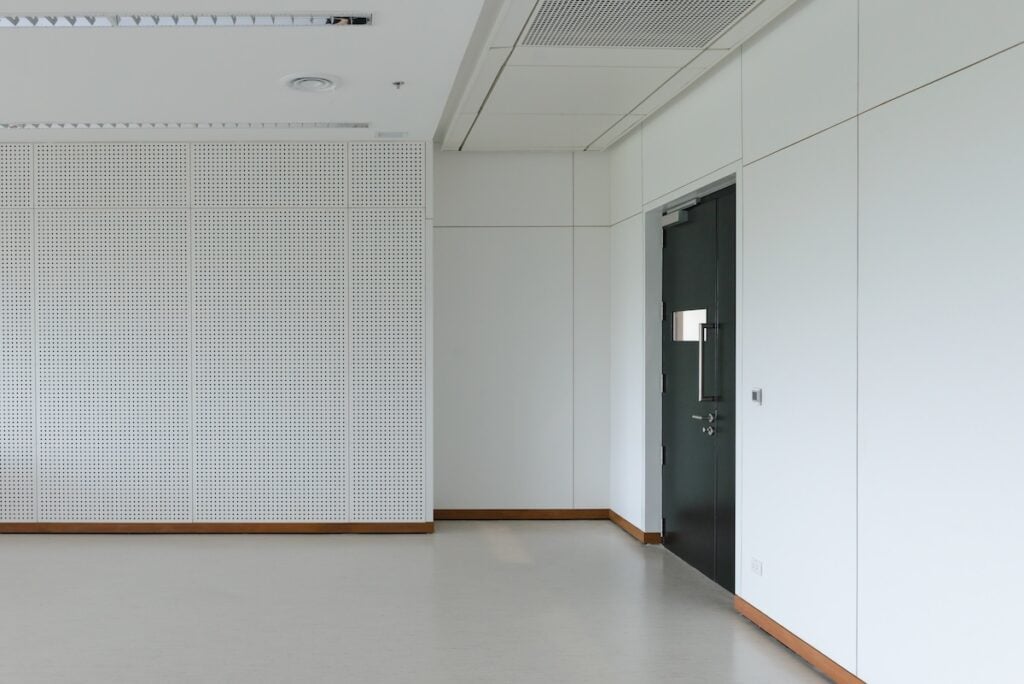
Create a Peaceful Retreat with Mclean
Understanding how to soundproof a room from outside noise opens the door to a quieter, more relaxing space. Whether you’re escaping city chaos or simply want a better night’s sleep, investing in the right acoustic strategies is worth it. McLean offers customized soundproofing solutions using proven materials and modern systems that deliver long-lasting results.
Ready to reclaim your peace and quiet? Contact Mclean today to explore professional options for transforming any room into a true acoustic sanctuary.