(978) 774-4330

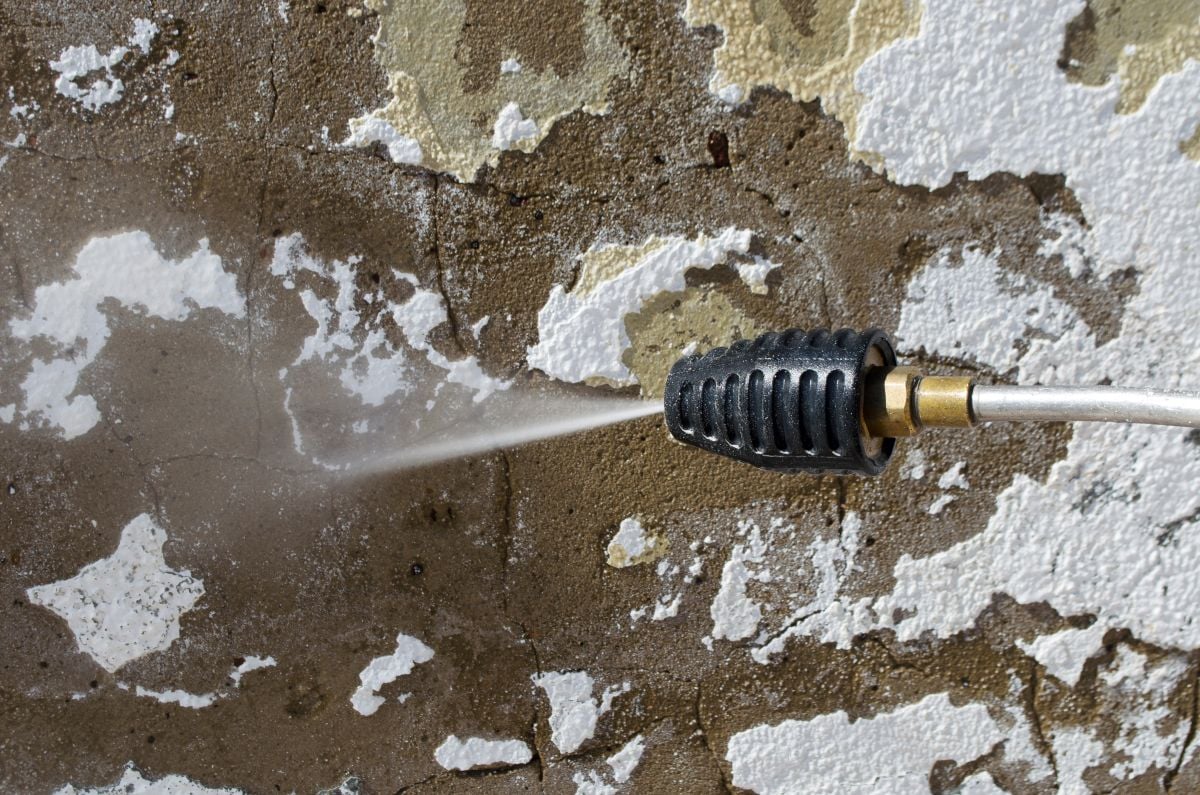
Whether it’s graffiti, accidental overspray, or a faded stencil from a previous project, knowing how to remove spray paint from concrete is essential for restoring curb appeal and maintaining your property’s value. Unfinished concrete is porous, meaning paint settles deep below the surface—making removal tricky without the right method. If you’re working on a cleanup as part of larger improvements or maintenance efforts, this process can tie directly into other upgrades that may benefit from professional attention.
In this guide, you’ll learn:
- Why spray paint is difficult to remove from concrete
- Step-by-step instructions to remove it safely
- Tools and products that work best for different jobs
- Key mistakes to avoid during the removal process
- When to call in a professional for better results
Why Removing Spray Paint from Concrete Isn’t So Simple
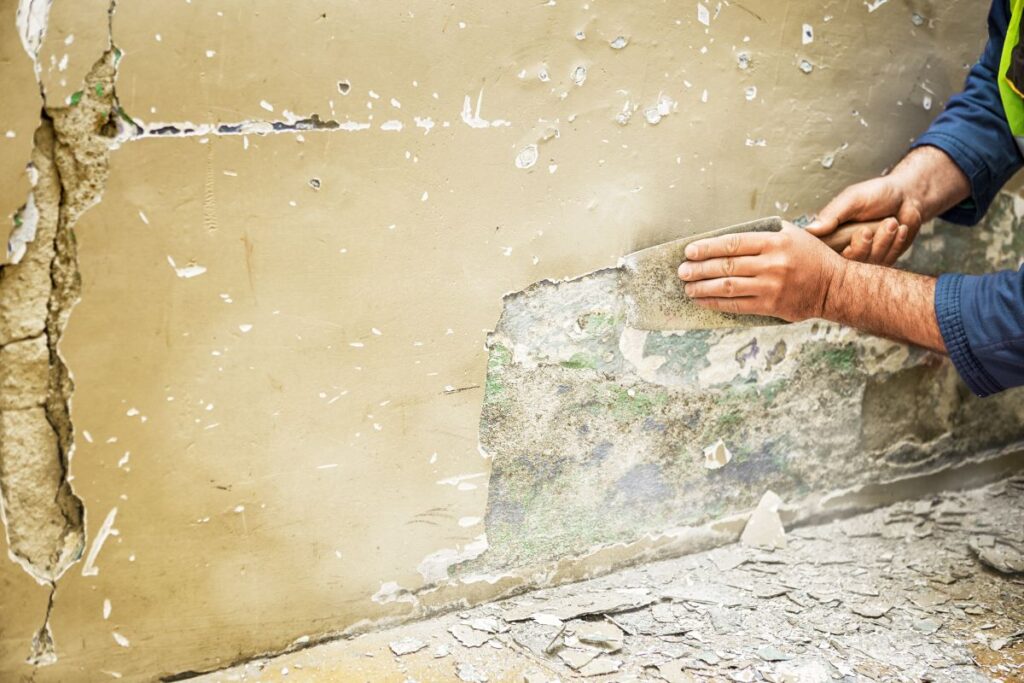
Concrete may look smooth on the surface, but it’s far from it. Unlike wood or drywall, it has open pores that absorb liquids—including paint. That means spray paint doesn’t just sit on top. It sinks in, stains, and cures over time, making it tougher to remove.
- Porous Surface Holds Stains: The absorbent nature of concrete allows paint to penetrate deeply, especially if left untreated for more than a few hours.
- Common in High-Traffic Areas: Spray paint often shows up in public or exposed places like driveways, retaining walls, or sidewalks—areas frequently exposed to the elements.
- Harder Than Other Surfaces: Concrete resists abrasion, which is great for durability, but not ideal for gentle cleaning methods.
- Different Paint Types React Differently: Oil-based vs. water-based paints behave differently on concrete. Solvent selection must match the type.
- Appearance Matters: Especially in neighborhoods like Hartford, CT and surrounding areas, clean and well-maintained concrete adds to property value and visual appeal.
6 Steps to Remove Spray Paint from Concrete
Before starting, it’s important to gather the right supplies, wear proper protective gear, and consider testing a small, hidden patch first.
1. Identify the Paint Type (If Possible)
Knowing whether the paint is oil-based or water-based can help you choose the right remover. Water-based paints may respond better to soap and water or light-duty removers, while oil-based paints often require stronger solvents.
- Check the label if the original can is available
- Consider the age and texture of the stain
- Test a small area using soap and water to see if it lifts
This step isn’t always possible, but it helps tailor the rest of the process.
2. Clean the Area with Soap and Water
Start simple. Use a scrub brush and warm water with mild detergent to remove surface-level dirt and any loosened paint.
- Use a stiff-bristle nylon brush
- Avoid using metal brushes that may scratch or damage the concrete
- Rinse thoroughly and let the surface dry
This won’t remove the paint, but it prepares the surface for deeper cleaning.
3. Apply a Paint Remover or Graffiti Remover
Choose a product designed specifically for concrete. There are biodegradable graffiti removers, paint strippers, and solvents available at most hardware stores.
- Follow the manufacturer’s instructions carefully
- Apply evenly with a roller or sponge
- Allow the product to dwell for the recommended time
Popular options include Motsenbocker’s Lift Off, Goof Off Graffiti Remover, or products from Sherwin-Williams or Behr.
4. Scrub or Pressure Wash the Surface
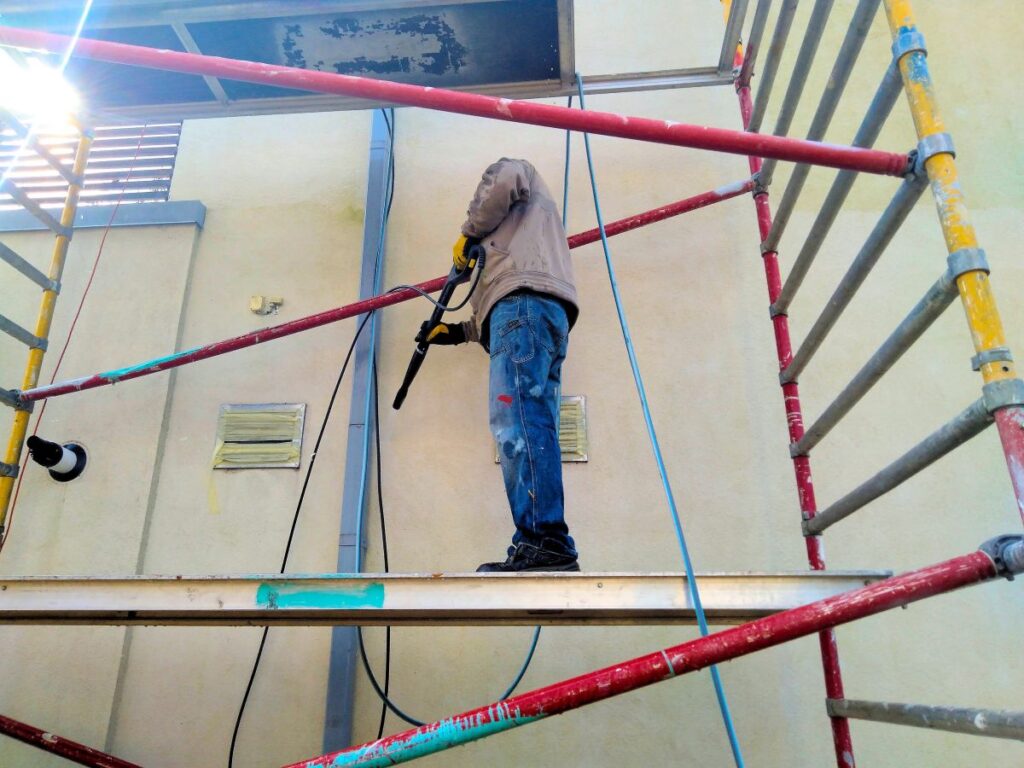
Once the remover has had time to penetrate the paint, agitate the area using a stiff-bristle brush or pressure washer.
- Scrub in circular motions for better lift
- Use a pressure washer at 2000–3000 PSI for deep cleaning
- Be careful not to erode the concrete with too much pressure
This may take multiple passes depending on how old or thick the paint is.
5. Repeat or Reapply if Necessary
One round of treatment may not be enough. Reapply your paint remover and repeat the process, especially for older or darker paint.
- Focus on spot areas rather than recoating the entire section
- Switch to a more aggressive product if necessary
- Avoid overworking the same spot to prevent concrete damage
Persistence is key—some paint has been sitting for years.
6. Rinse Thoroughly and Neutralize Residue
After the paint is removed, rinse the area completely and check for chemical residue. Some removers may leave a white film or streaks.
- Use clean water and scrub again if needed
- Consider neutralizing with a mild vinegar and water rinse if the remover was caustic
- Let the concrete dry for 24–48 hours before sealing or repainting
This helps ensure the concrete is safe, clean, and ready for future treatments or finishes.
Tools and Products That Help the Process
Having the right gear on hand makes this job easier and safer. Here are some key tools and their uses:
- Stiff-Bristle Brush: Ideal for manual scrubbing without damaging the concrete
- Pressure Washer: Effective for large areas or stubborn stains
- Protective Gear: Gloves, goggles, and masks should always be used when applying chemical removers
- Drop Cloths: Protect nearby landscaping or surfaces from overspray or runoff
- Pump Sprayer or Roller: For applying remover evenly across larger areas
Product Considerations
- Citrus-Based Cleaners: Safer for the environment and effective on newer spray paint
- Gel Strippers: Cling better to vertical surfaces like concrete walls
- Solvent-Based Removers: Stronger but require more caution and ventilation
When to Seal or Repaint the Concrete
After the spray paint is gone, you may want to protect or improve the surface further. This is especially helpful in climates like Hartford, CT and surrounding areas where seasonal weather can wear down exposed concrete.
Benefits of Sealing
- Prevents future stains from penetrating the surface
- Enhances appearance with gloss or matte finish
- Reduces dust and erosion from foot or vehicle traffic
Repainting Tips
If you’re planning to repaint the area, make sure the surface is completely clean and dry. Choose a paint designed for concrete or masonry, and apply a bonding primer first.
| Step | Action |
| 1 | Allow the surface to dry for at least 48 hours |
| 2 | Apply concrete bonding primer |
| 3 | Use paint made specifically for concrete |
| 4 | Seal the paint after curing for added protection |
These steps help maintain a cleaner surface long term and reduce future removal needs.
Mistakes to Avoid During Paint Removal
Removing spray paint from concrete is fairly straightforward, but a few missteps can slow you down or damage your property.
Don’t Skip Prep
Cleaning before applying remover improves adhesion and efficiency. Skipping this makes the process harder and less effective.
Don’t Use Metal Scrapers
While tempting, metal scrapers can scratch, chip, or gouge concrete—especially decorative or stamped finishes.
Don’t Ignore Weather Conditions
Avoid applying removers or pressure washing in freezing temperatures or heavy rain. Letting the surface dry thoroughly is critical for success.
Don’t Overuse Harsh Chemicals
Some solvent-based removers can discolor or etch concrete. Always test in a small area and avoid applying too much in one pass.
Should You Hire a Professional?
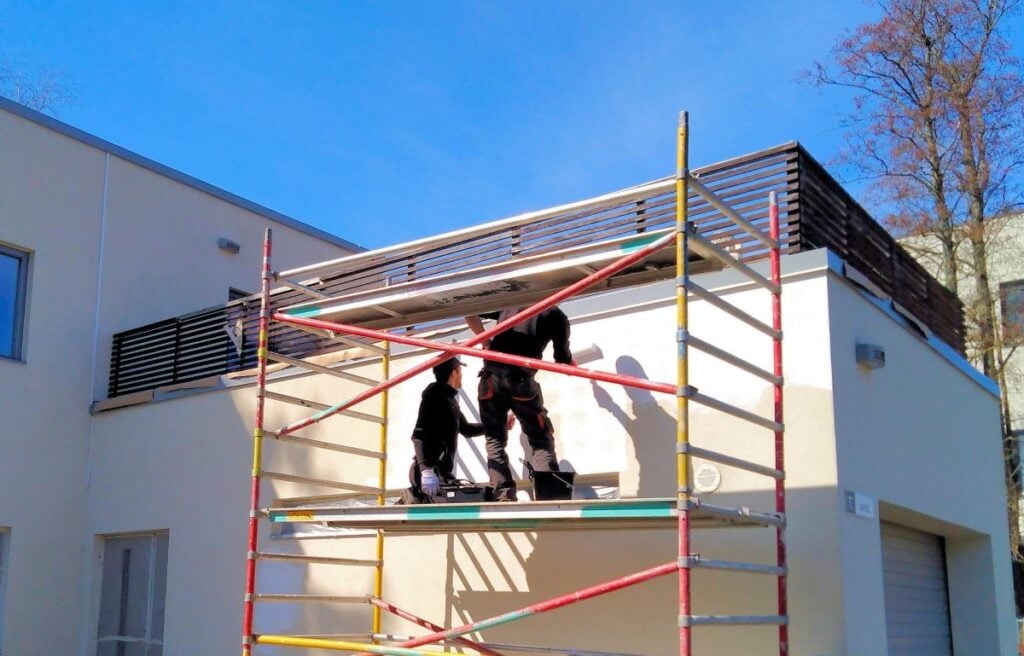
For some homeowners, DIY removal is manageable. But in many cases—especially on commercial properties or public-facing spaces—professional help saves time, money, and hassle.
Here’s when it makes sense to call a pro:
- Large Surface Area: Sidewalks, retaining walls, or commercial parking lots are time-intensive
- Delicate or Decorative Concrete: Stamped or colored concrete requires care to avoid damage
- Tough Paint or Epoxy: Some spray paints are more stubborn or layered with sealers
- Environmental Restrictions: In areas like Hartford, CT and surrounding areas, local regulations may restrict runoff or solvent use
Professionals have access to commercial-grade removers, surface-safe tools, and trained crews who know how to minimize damage while achieving complete removal.
Ready to Restore Your Concrete?
Knowing how to remove spray paint from concrete can help homeowners and property managers maintain clean, attractive spaces year-round. From graffiti on commercial signage to accidental overspray on your front walk, taking the right steps protects both appearance and property value.
If you’re dealing with a tough paint problem or want to make sure it’s done right the first time, contact us today to learn how McLean Company can assist. We offer tailored concrete restoration and painting solutions across Hartford, CT and surrounding areas, ensuring your surfaces are spotless, protected, and professionally finished.