(978) 774-4330

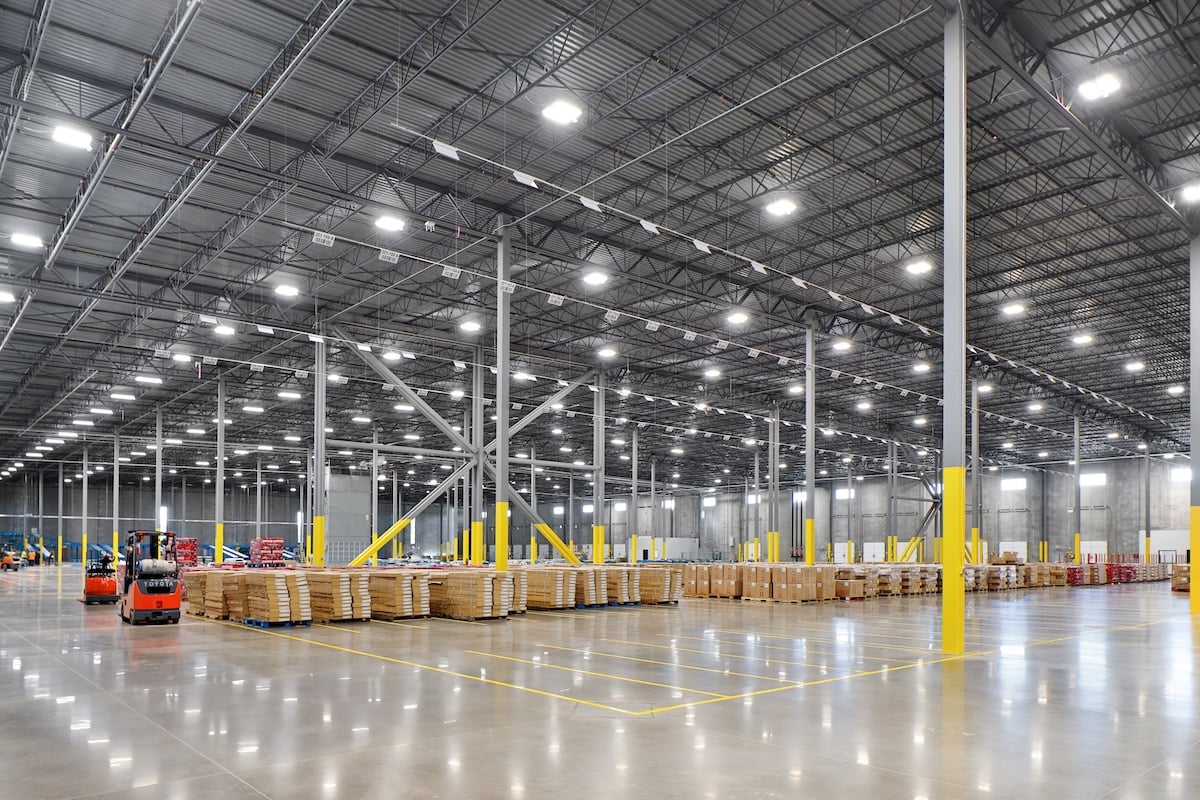
Maintaining a spotless warehouse environment is crucial for safety and efficiency, and knowing how to clean warehouse floor properly can make all the difference. Warehouse floors endure heavy traffic, spills, and dirt accumulation daily, so understanding the right materials and cleaning procedures ensures longevity and a safe workspace. For more details on maintaining your flooring with expert techniques, explore professional commercial flooring services that specialize in durable and effective solutions.
- Learn the importance of clean warehouse floors for safety and durability
- Discover the essential materials and tools needed for effective floor cleaning
- Understand step-by-step processes for cleaning various floor types
- Explore tips for routine maintenance and handling tough stains
Why Cleaning Warehouse Floors Matters
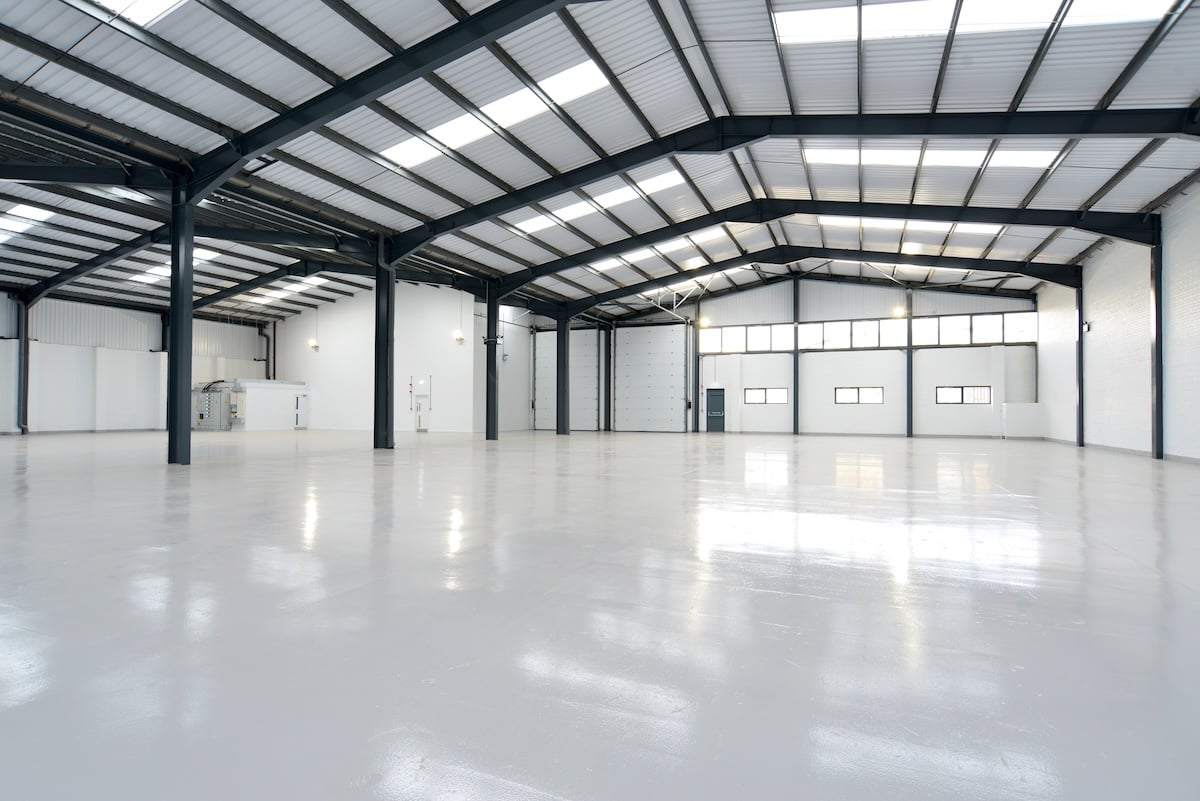
Warehouse floors are the foundation of the entire operation, impacting everything from employee safety to equipment functionality. Proper cleaning is more than aesthetic; it supports operational excellence and preserves your investment. Understanding how surface finishes respond to regular cleaning is key, and this guide on polished concrete floors explains why routine maintenance plays a critical role in preserving appearance, safety, and lifespan in high-traffic environments.
- Enhanced Safety: Clean floors reduce slip-and-fall incidents by removing debris and liquids that can cause accidents.
- Increased Durability: Regular cleaning prevents abrasive dirt and chemicals from degrading the flooring material.
- Improved Productivity: Workers can move more efficiently in clutter-free, hazard-free spaces.
- Regulatory Compliance: Many industries require compliance with health and safety standards involving cleanliness.
- Professional Appearance: A tidy warehouse makes a strong impression on clients and visitors, reflecting good management.
3 Essential Materials and Tools for Cleaning Warehouse Floors
Knowing the right materials and tools is the first step in mastering how to clean warehouse floor surfaces effectively. Depending on the floor type, dirt level, and size of the area, equip yourself accordingly for the best results.
1. Suitable Cleaning Solutions
- Select cleaners made for your specific flooring type — concrete, epoxy, vinyl, or sealed wood are common options.
- For concrete, use a neutral pH cleaner to prevent surface wear or dulling. Avoid acidic or highly alkaline solutions that can break down sealants or coatings.
- Epoxy floors need non-abrasive, mild detergents that maintain the glossy finish and chemical resistance. Stay away from citrus or solvent-based products, which can weaken or discolor the coating.
- Vinyl and sealed wood floors perform best with gentle, low-moisture cleaners. Stick to pH-balanced products to protect the finish and prevent warping.
- In industrial environments, grease-cutting agents help remove oil and chemical buildup from machinery or traffic-heavy areas, keeping floors safe and clean.
This breakdown of types of flooring materials helps facility managers select cleaners that protect coatings, prevent damage, and extend the life of warehouse floors.
2. Cleaning Equipment
Efficiency and thoroughness depend on having the right cleaning equipment.
- Heavy-duty broom and dust mop: For quick debris collection before wet cleaning.
- Industrial floor scrubber or buffer: Speeds up the cleaning process, especially for large areas.
- Wet/dry vacuum: Essential for suctioning liquids or fine dust.
- Mop and bucket with wringer: For manual cleaning in smaller zones or spot cleaning.
3. Safety Gear
Proper safety gear protects workers and ensures cleaning tasks are performed efficiently. Always wear chemical-resistant gloves to prevent skin irritation from detergents or degreasers, and safety eyewear to shield against splashes. Slip-resistant footwear reduces the risk of falls, especially on wet or recently cleaned surfaces.
In larger industrial facilities, consider high-visibility clothing for improved awareness in active work zones and respiratory masks when using stronger cleaning agents or operating machinery that stirs up fine dust. Consistent use of protective gear not only minimizes workplace injuries but also supports compliance with OSHA safety standards and promotes a cleaner, safer work environment for the entire crew.
6 Step Process on How to Clean Warehouse Floor
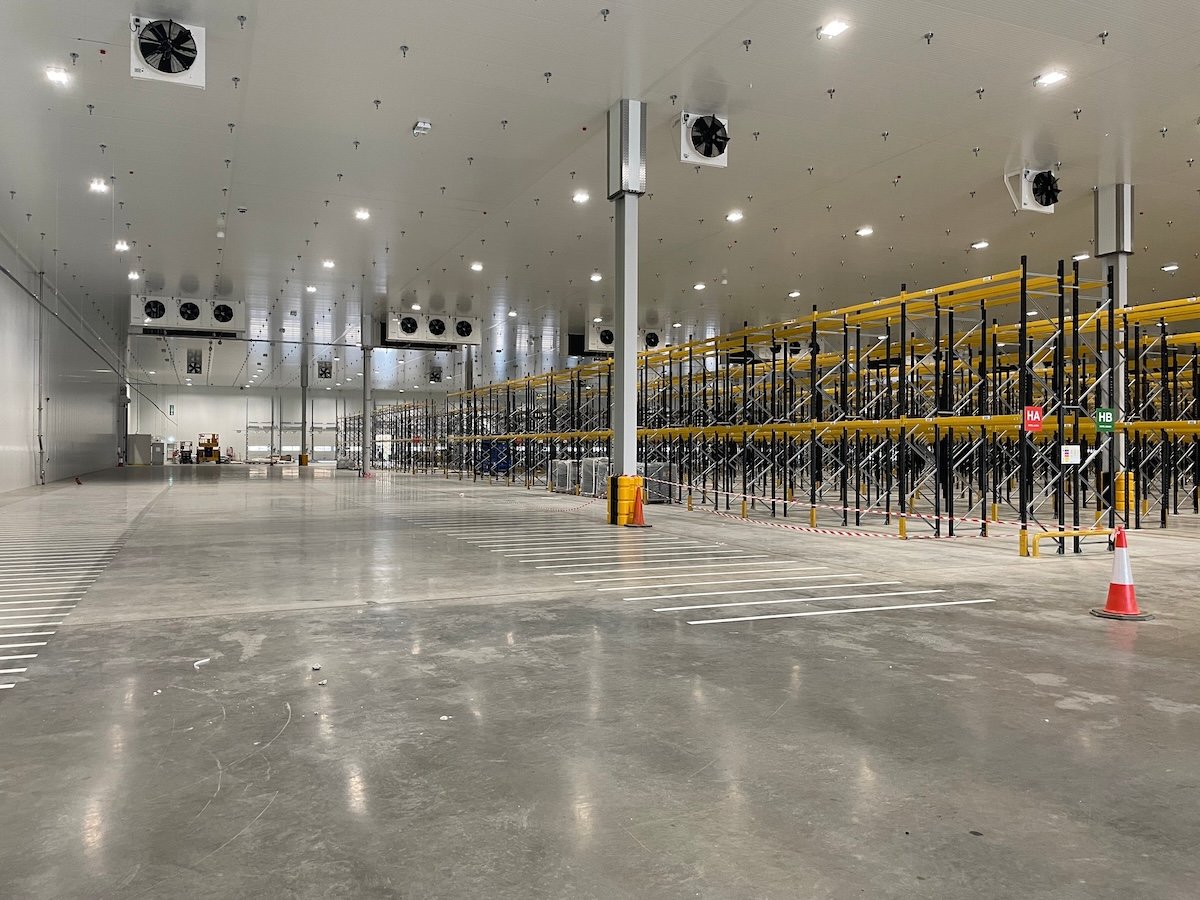
A systematic approach ensures that cleaning is comprehensive, efficient, and avoids damage to the floor. Following a clear cleaning protocol helps warehouse teams maintain high standards consistently.
1. Preparation and Safety Checks
Before cleaning, organize the area and prepare all tools to ensure smooth, efficient operation and a safe work environment.
• Remove pallets, debris, or movable equipment from the floor.
• Verify that cleaning agents are properly diluted and labeled for use.
• Post safety signage to alert staff and visitors of maintenance in progress.
• Confirm that all electrical cords and equipment are in good condition before operation.
2. Dry Cleaning
Begin with dry sweeping or vacuuming to eliminate loose dirt, dust, and debris. This step prevents surface scratching during wet cleaning and ensures optimal cleaning results.
• Use soft-bristle brooms or industrial vacuums for best results.
• Pay attention to corners and high-traffic zones where dust accumulates.
3. Wet Cleaning
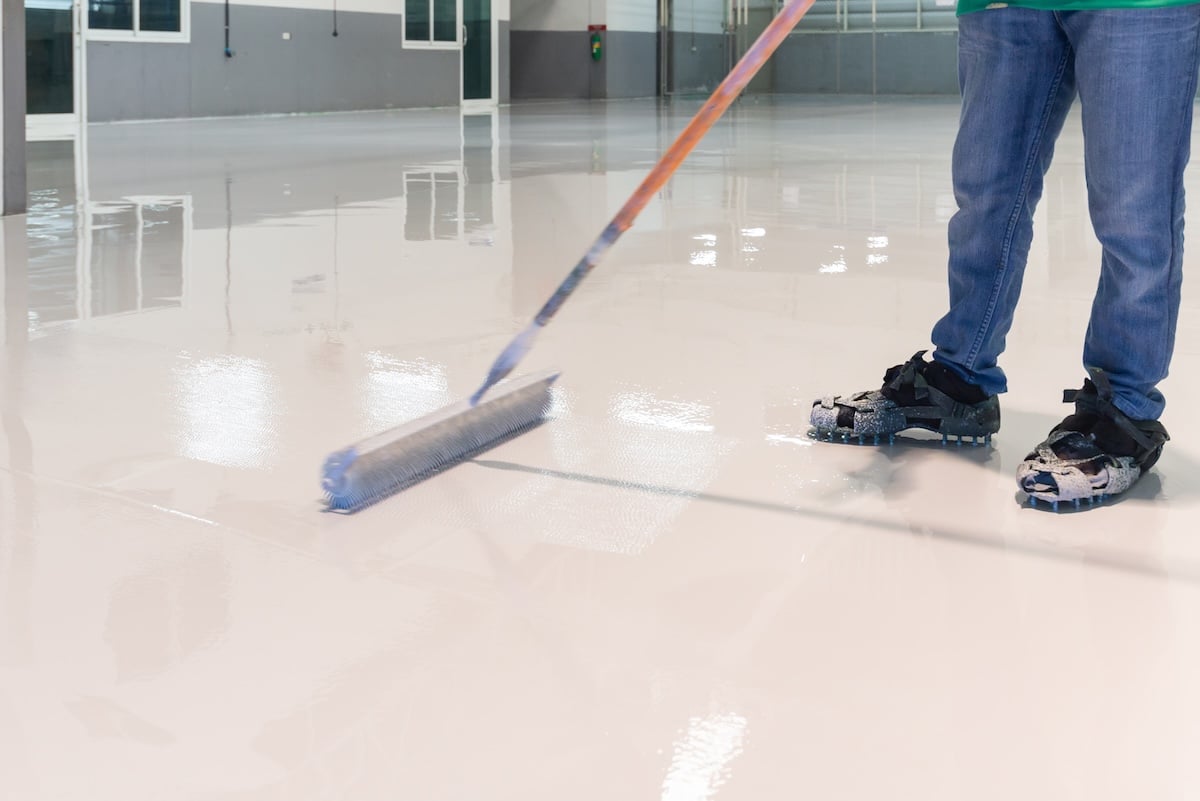
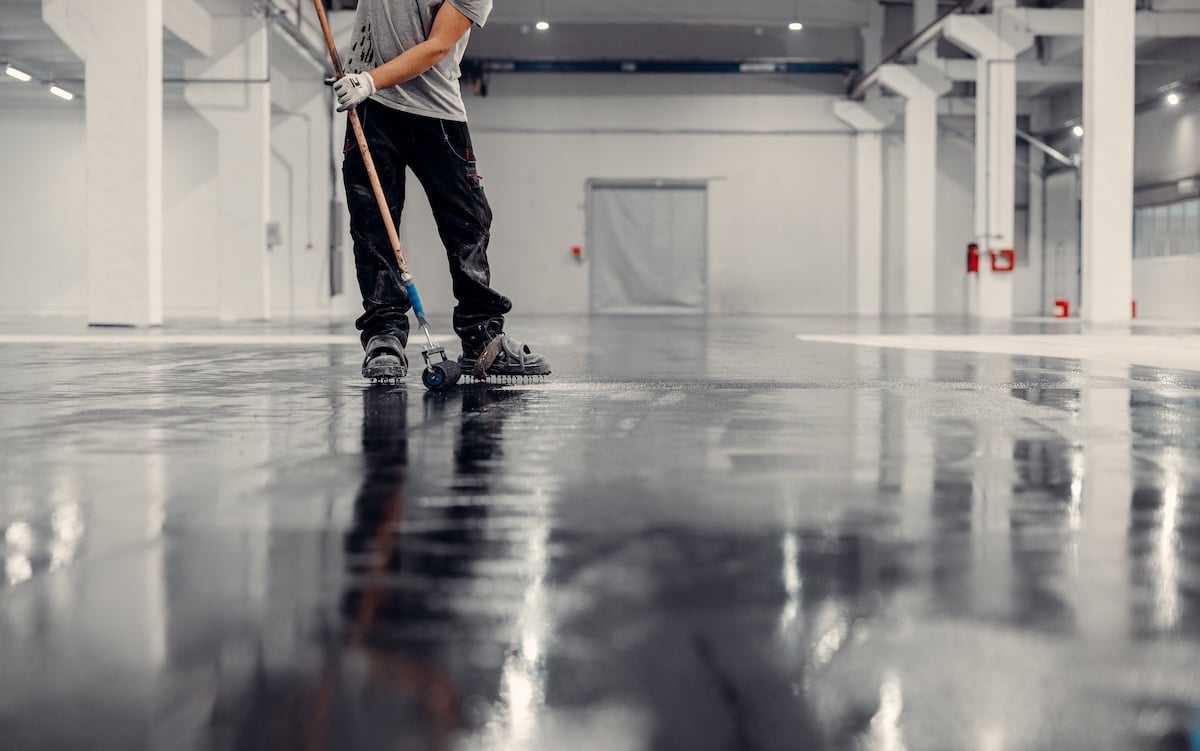
Once the floor is clear of debris, apply the selected cleaner according to soil level and surface size.
• For smaller areas, use mops and scrub manually where buildup occurs.
• For larger areas, operate automatic scrubbers slowly and evenly for consistent coverage.
• Always follow manufacturer dilution and dwell time instructions for best results.
Businesses looking to maintain high-performance epoxy surfaces can rely on professional epoxy flooring services in Nashua, NH to ensure cleaning processes align with the floor’s structural and protective properties.
4. Stain and Spill Management
Address spills or stains promptly to protect the floor’s finish and longevity.
• Apply oil or grease removers for industrial residue.
• Use neutral pH cleaners for general stains.
• Rinse thoroughly to avoid chemical etching or residue.
Facilities seeking long-term protection and expert guidance can turn to trusted epoxy flooring services in Braintree, MA for solutions designed to withstand industrial conditions.
5. Rinsing and Drying
Remove remaining cleaning solution to prevent streaking or buildup.
• Rinse thoroughly with clean, cool water.
• Follow with mop or machine-assisted drying for safety and shine.
• Ensure all areas are completely dry before reopening the space.
6. Final Inspection
Conclude by reviewing the entire surface for missed spots or residues.
• Touch up any uneven areas or dull patches.
• Confirm no moisture or cleaning film remains before returning equipment.
• Document completion for facility maintenance records.
Tips and Best Practices to Maintain Warehouse Floors
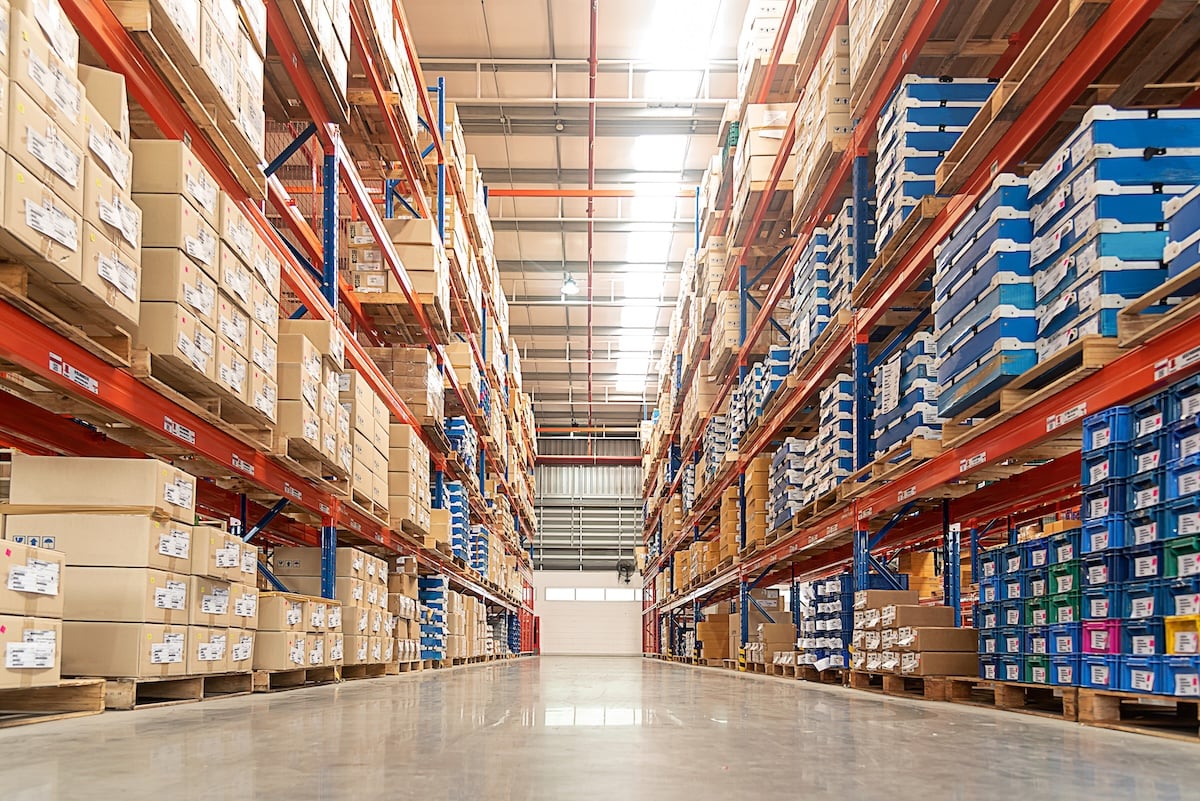
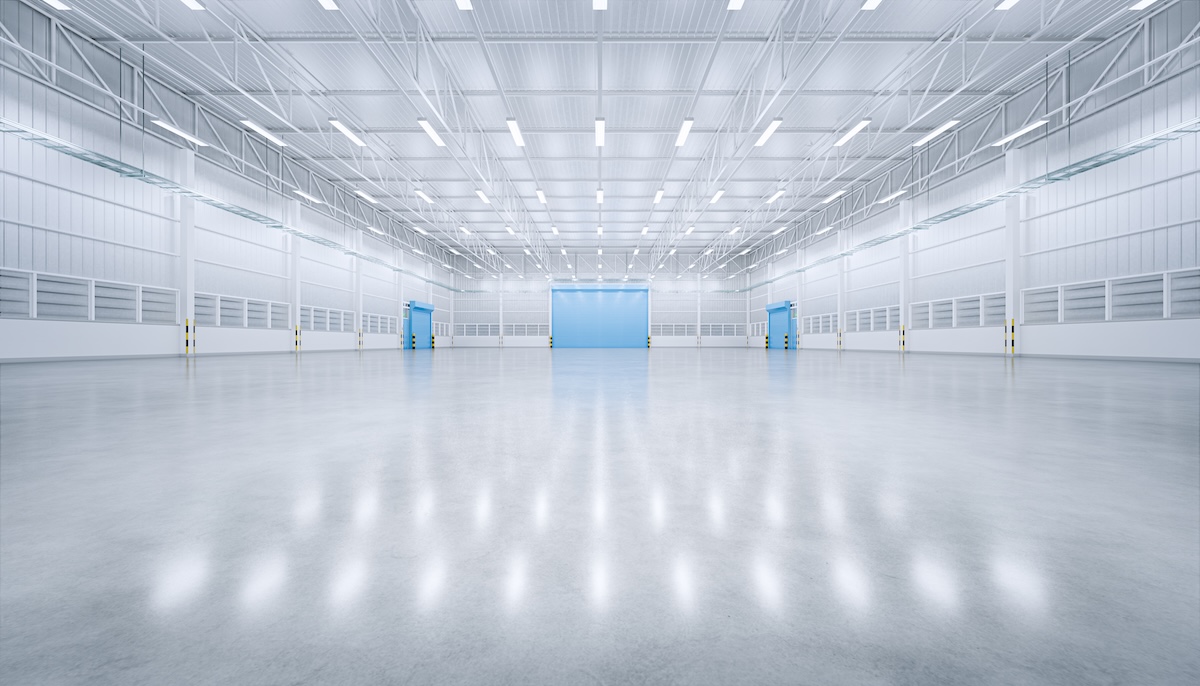
warehouse at industrial storage factory.
Ongoing maintenance prolongs the quality and safety of your warehouse floors. Integrate these tips into your regular cleaning schedules.
- Routine Sweeping: Daily dry sweeping prevents buildup of debris that can be abrasive.
- Scheduled Deep Cleaning: Weekly or biweekly scrubbing removes embedded dirt and grime.
- Immediate Spill Response: Clean spills right away to avoid hazards and permanent stains.
- Floor Matting: Use entrance mats to reduce dirt tracked inside the warehouse.
- Regular Inspections: Check floor condition routinely to identify any cracks or wear for timely repairs.
Keeping Warehouse Floors Clean and Safe
Understanding how to clean warehouse floor surfaces is an essential part of warehouse management that contributes to a safer and more productive facility. With the right materials, steps, and ongoing maintenance, you can extend the lifespan of your flooring and improve operational efficiency. For specialized flooring support or to upgrade your warehouse surface, do not hesitate to contact us today at McLean Company and ensure your floors receive professional attention tailored to your needs.
Businesses interested in upgrading or maintaining their flooring can explore professional polished concrete flooring services in Framingham, MA to ensure their facility remains clean, resilient, and operationally efficient.