(978) 774-4330

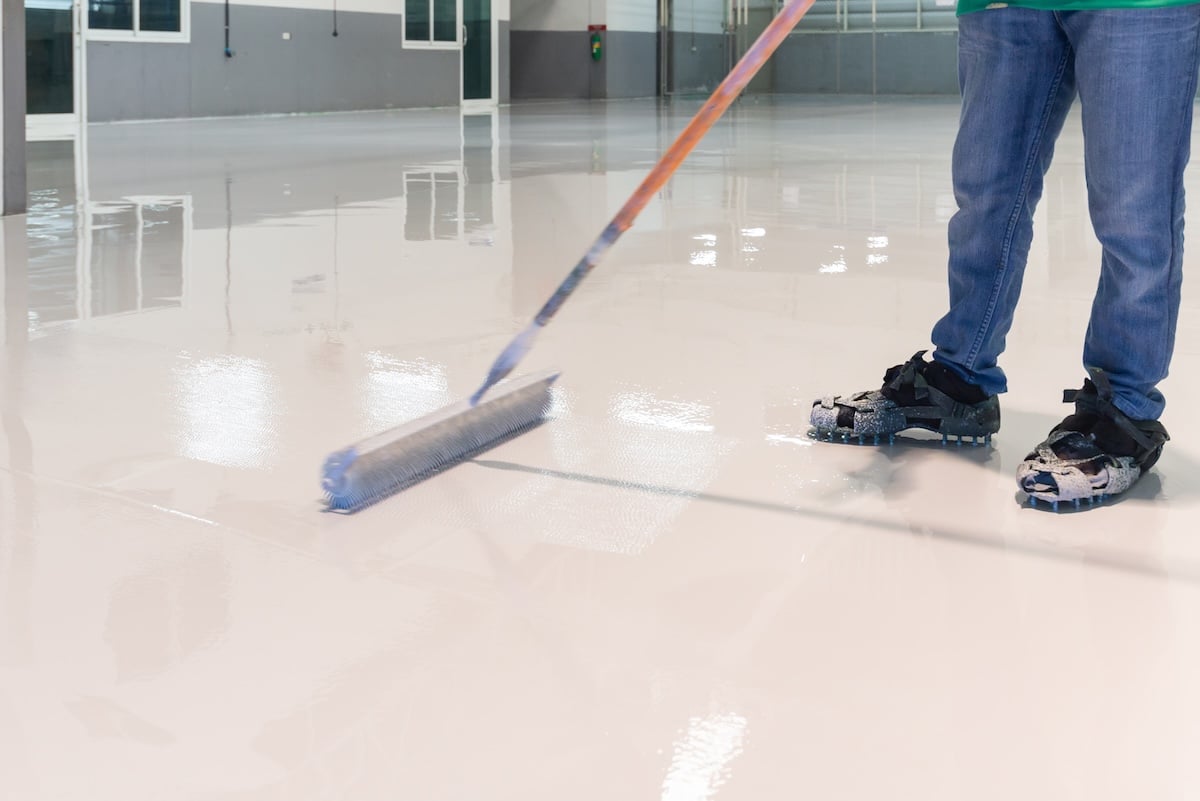
When deciding on the best flooring solution for your space, understanding the epoxy vs laminate flooring cost difference is essential. This choice impacts your budget, durability, and aesthetic appeal, especially for commercial and industrial settings. If you’re seeking expert commercial flooring options, you can explore reliable solutions that suit your budget and usage needs.
- Overview of the key differences in cost between epoxy and laminate flooring
- Factors influencing installation and maintenance expenses
- Comparing durability and lifespan related to cost-effectiveness
- How to choose the right flooring based on your environment and budget
- Practical tips to maximize flooring investment value
Why Understanding Flooring Costs Matters

Selecting the appropriate flooring material is more than a design decision; it is a significant investment that affects functionality and long-term costs. Both epoxy and laminate flooring are popular choices, but they offer distinct advantages and challenges, especially when comparing costs. An informed decision requires a clear understanding of initial investment, installation expenses, upkeep, and lifespan.
- Initial Price Per Square Foot: This represents the upfront material cost and is often the first comparison point.
- Installation Complexity: Installation methods vary significantly in time and required expertise, affecting labor costs.
- Maintenance Requirements: Longevity and upkeep impact overall expenses beyond the initial installation.
- Durability and Lifespan: Flooring that lasts longer reduces replacement costs over time.
- Aesthetic and Functional Suitability: Choosing flooring that fits the environment minimizes costly adjustments later.
This overview of types of flooring materials provides helpful context for evaluating where epoxy and laminate fit in terms of cost, durability, and performance.
6 Critical Cost Differences Between Epoxy and Laminate Flooring
To thoroughly compare the costs of epoxy vs laminate flooring, it’s crucial to examine the various cost factors from materials to upkeep in detail. Below is a numbered breakdown highlighting seven cost-related aspects that influence your flooring choice in 2026.
1. Material Costs
Epoxy flooring generally costs more upfront than laminate. Epoxy materials, including resin, hardeners, and optional additives, have varying price points based on quality and formulation.
- Epoxy Cost Range: Typically $3 to $12 per square foot.
- Laminate Cost Range: Usually $1 to $5 per square foot.
2. Installation Expenses
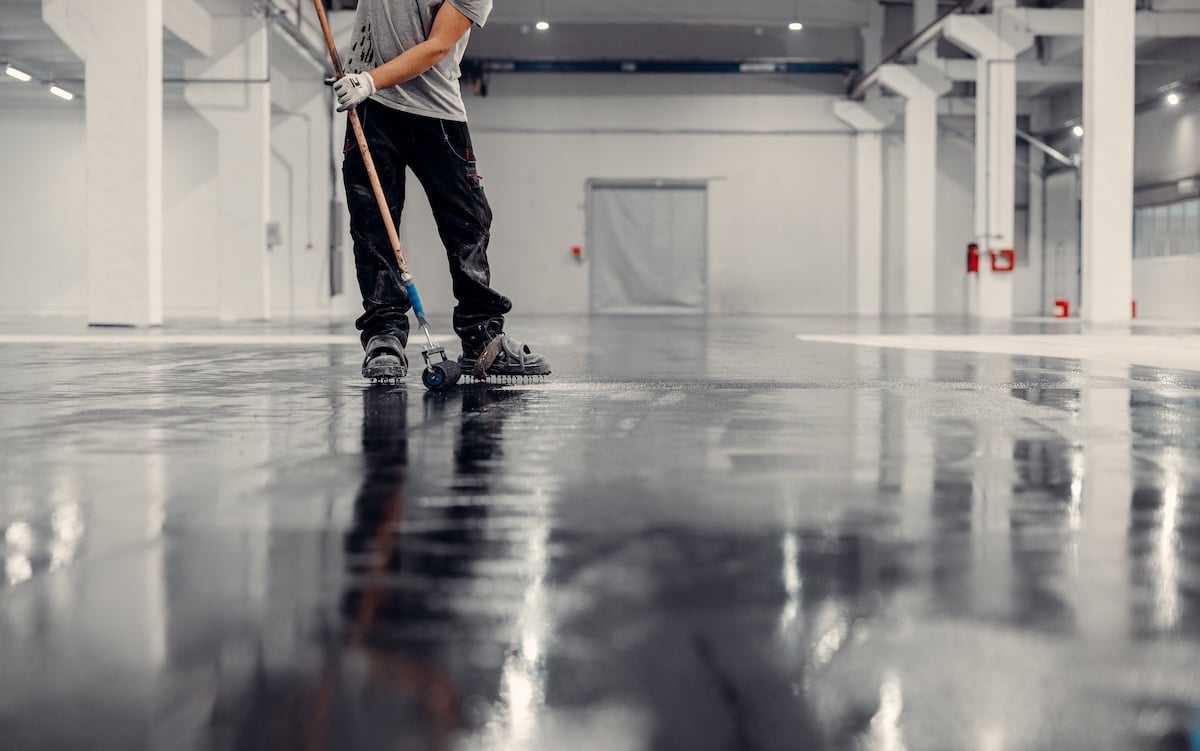
Installation costs differ widely due to surface preparation and complexity. Epoxy flooring requires extensive surface cleaning and priming to ensure proper bonding. Laminate boards often feature click-lock systems simplifying installation. Businesses seeking reliable epoxy solutions can explore epoxy flooring services in Hartford, CT to ensure proper installation that maximizes durability and long-term value.
- Epoxy Installation: $2 to $8 per square foot, including grinding and cleaning.
- Laminate Installation: $1 to $3 per square foot, can be DIY or professional.
3. Maintenance and Repairs
Epoxy floors are highly resistant to stains and impact, requiring minimal maintenance. Laminate is susceptible to water damage and scratches, potentially increasing repair costs.
- Epoxy Maintenance: Minimal; periodic cleaning and occasional resealing.
- Laminate Maintenance: Moderate; needs careful cleaning and possible plank replacements.
4. Durability and Longevity
Considering cost per year of use, epoxy’s durability often delivers better value. Epoxy can last 10-20 years under heavy use, while laminate typically endures 10-15 years depending on quality. This guide to large-scale epoxy flooring installation explains why epoxy systems tend to deliver stronger cost efficiency over time in demanding environments.
- Epoxy Lifespan: 10–20 years
- Laminate Lifespan: 10–15 years
5. Environmental and Chemical Resistance
Epoxy provides excellent protection against chemicals, moisture, and abrasions, essential in commercial spaces. Laminate floors are less resistant and may deteriorate faster in harsh conditions. Companies looking for durable solutions can rely on epoxy flooring services in Braintree, MA for installations designed to withstand harsh operational demands.
6. Aesthetic Versatility
Laminate flooring offers a wide variety of patterns and colors, often mimicking wood or stone at a lower cost. Epoxy can also be customized with pigments and textures but usually at a higher expense due to complex application.
Additional Financial Considerations for Flooring Costs

Besides direct material and installation costs, other financial factors influence the total cost of epoxy versus laminate flooring. These considerations are vital for budgeting in commercial projects.
Surface Preparation Requirements
Epoxy floors require professional surface preparation, including repairs and grinding, adding to overall costs. Laminate installation generally needs a flat subfloor, sometimes requiring additional underlayment.
Labor Skill Level
Installing epoxy floors demands specialized skill and experience, usually increasing labor expenses. Laminate installation is more straightforward, often suitable for experienced DIYers or general contractors.
Downtime and Productivity Impact
Epoxy floors can require curing times of up to 72 hours, temporarily affecting business operations. Laminate installation is faster with minimal curing, reducing downtime.
Long-Term Cost Efficiency
When evaluating total cost of ownership, epoxy floors often perform better in areas with heavy traffic or chemical exposure. Laminate flooring may incur more frequent replacements or repairs, increasing costs over time.
Cost Comparison Summary Table
| Cost Factor | Epoxy Flooring | Laminate Flooring |
| Material Cost (per sq. ft.) | $3 – $12 | $1 – $5 |
| Installation Cost (per sq. ft.) | $2 – $8 | $1 – $3 |
| Maintenance | Low; occasional resealing | Moderate; plank replacement possible |
| Lifespan | 10–20 years | 10–15 years |
| Resistance to Chemicals & Moisture | Excellent | Poor to moderate |
| Installation Downtime | Up to 72 hours curing | 1-2 days |
| Visual Variety | Custom colors and textures | Wide range of patterns |
Frequently Asked Questions About Epoxy and Laminate Flooring Costs
Here are the most common questions we get regarding our epoxy and laminate flooring services regarding costs.
Is epoxy flooring more cost-effective in the long run?
Yes, while epoxy flooring often requires a higher upfront investment, its durability, low maintenance, and longevity tend to make it more cost-effective over time, especially in high-traffic or industrial environments.
Can laminate flooring handle commercial wear and tear?
Laminate flooring is suitable for light to moderate commercial use but may suffer damage faster under heavy traffic or moisture exposure. Consider your specific environment when choosing laminate.
Does the installation method significantly impact the final cost?
Absolutely. Epoxy installation is more labor-intensive and requires professional application, increasing costs. Laminate can be a more budget-friendly option if installed by yourself or a general contractor.
How does the curing time for epoxy flooring affect costs?
Longer curing times can lead to downtime and lost productivity, indirectly increasing the total cost. Planning installation during off-hours can mitigate these effects.
Are there financing options available for commercial flooring projects?
Many commercial flooring providers offer flexible financing or payment plans. Check with local suppliers or contractors for options that suit your budgetary needs.
Making the Right Flooring Investment for Your Space
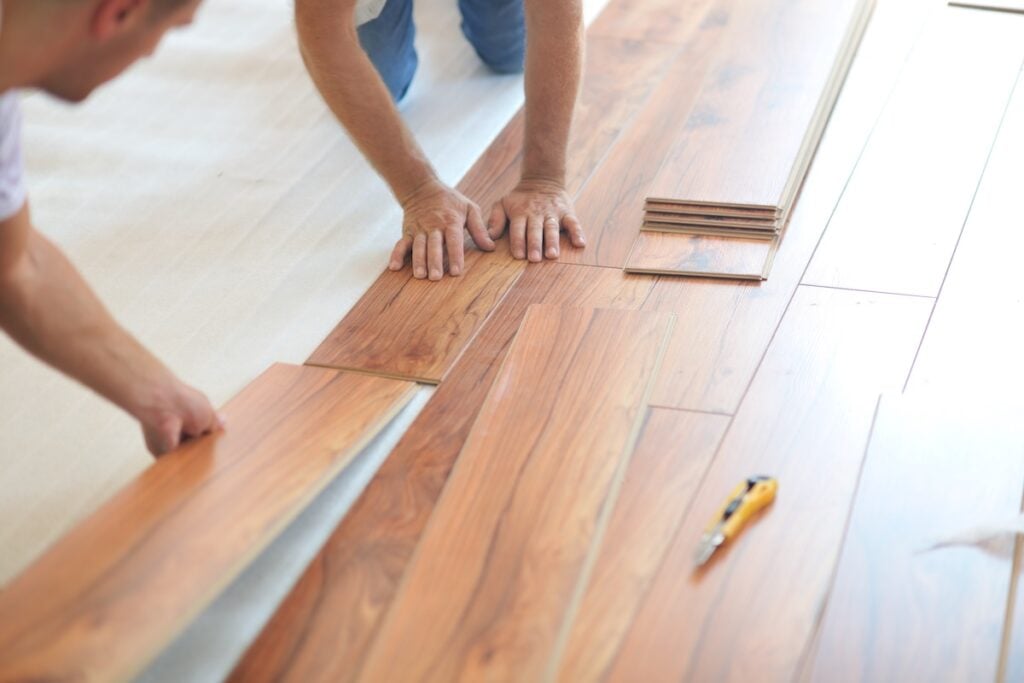
Choosing between epoxy and laminate flooring ultimately depends on your specific needs, budget, and use case. Epoxy flooring is a superior investment for areas requiring high durability, chemical resistance, and long-term resilience. Conversely, laminate flooring provides an affordable, aesthetically versatile solution for lighter-use areas where quick installation and design flexibility are priorities.
Understanding the complete cost structure beyond just material expenses helps ensure you get the best value from your flooring investment. Whether prioritizing longevity, maintenance, or aesthetic appeal, a well-informed flooring choice supports both functionality and financial planning. Businesses can consult trusted epoxy flooring services in Nashua, NH to receive tailored recommendations that align with both short-term costs and long-term performance goals.
If you are ready to explore comprehensive commercial flooring solutions tailored to your requirements, discover professional services available here. Expert advisors can help you weigh the benefits and costs to select the ideal flooring option.
Take the Next Step in Flooring Excellence
Proper flooring is foundational for any commercial environment, influencing performance and perception. McLean understands the cost considerations involved in choosing between epoxy and laminate flooring. By partnering with us, you gain access to expertise that ensures your flooring investment aligns with your budget and operational demands. Reach out to us through our contact us today page to start a conversation about your project and receive a tailored cost estimate. Together, we can help you achieve flooring that delivers value and durability for years to come.