(978) 774-4330

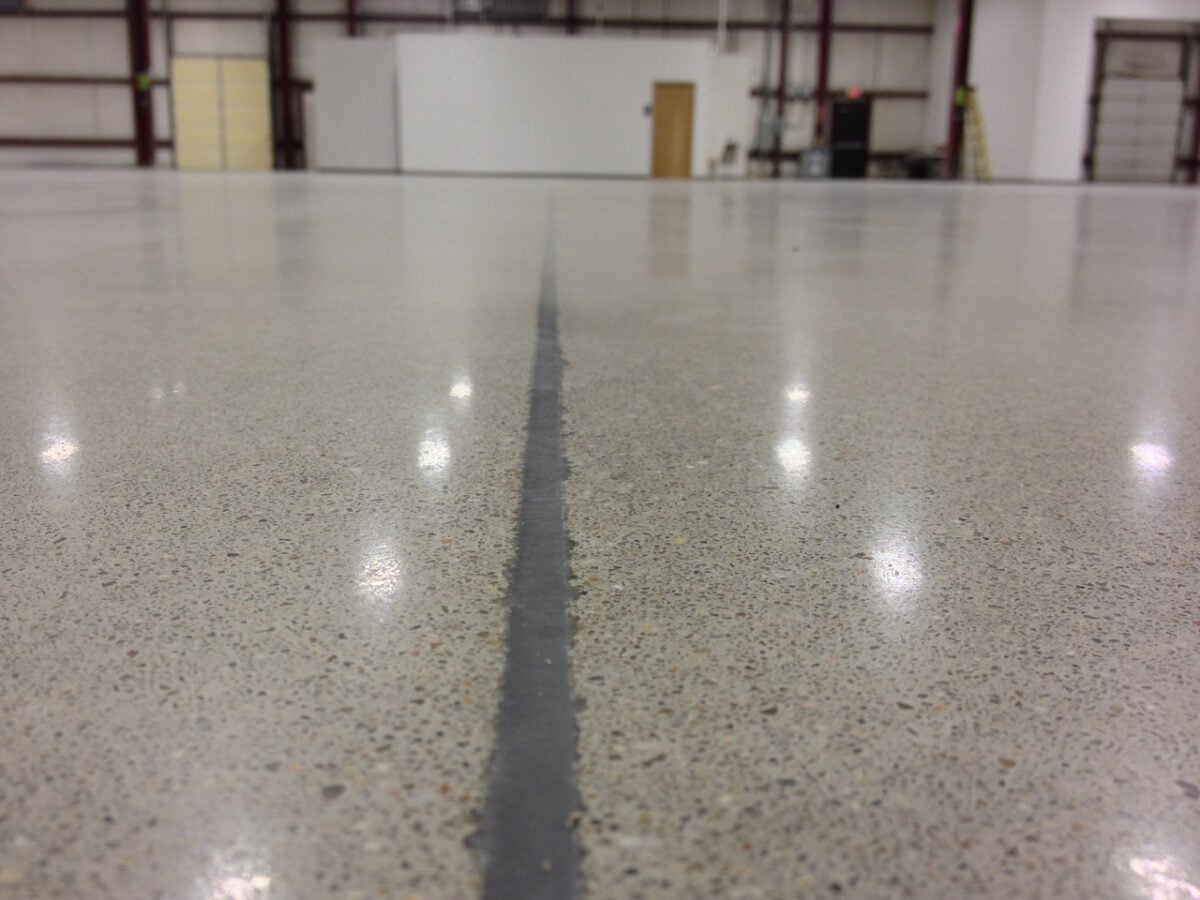
Commercial buildings move. Concrete expands in summer heat and contracts in winter cold. Slabs settle under load. Structural frames flex under wind and occupancy. Expansion joints are the designed gaps that allow all of that movement to happen without cracking the building apart, but they only work when the sealants and cover systems within them are intact. When those components fail, water, debris, and contaminants enter the joint and the problems that follow are both progressive and expensive. Commercial expansion joint repair is one of the most deferred maintenance items on commercial properties, and the cost of that deferral compounds quickly. For facility managers and property owners in Lowell, MA and surrounding areas, understanding what expansion joints do and what happens when they fail is the first step toward protecting the building. The same attention to joint performance that defines properly maintained commercial flooring and concrete systems applies equally to the joints that run through them.
Here is what you will learn in this guide:
- What expansion joints are, why commercial buildings have them, and how they work
- The most common causes of expansion joint failure in commercial buildings
- Which building locations are most vulnerable and why
- How to evaluate the condition of your building’s expansion joints and plan repairs
- What Lowell, MA and surrounding areas facility managers should know before starting an expansion joint repair project
What Happens When Expansion Joints Fail

Expansion joints are not optional elements in commercial building design. They are engineered components placed at calculated intervals in concrete slabs, walls, facades, parking structures, and roof systems to accommodate the movement that thermal cycling, structural loading, and material shrinkage inevitably produce. When a joint sealant fails, the joint does not simply look bad. It stops performing its function, and the building structure around it begins to absorb movement stress it was never designed to handle.
Water infiltration through failed expansion joints is the most immediate and most damaging consequence of deferred repair. In parking structures and exterior slabs, water carries chlorides from road salt directly to embedded reinforcing steel, triggering corrosion that causes concrete spalling and structural capacity loss over time. In interior floor joints, infiltrating moisture creates conditions for mold, adhesive bond failure in adjacent flooring systems, and substrate deterioration that requires far more extensive repair than the original joint would have. For commercial building owners in Lowell, MA and surrounding areas, where freeze-thaw cycling means every failed joint is exposed to dozens of wet-dry and freeze-thaw cycles each year, the damage timeline is compressed relative to milder climates. Here is what functional expansion joint repair actively prevents:
- Structural Deterioration: Water infiltration through failed joints accelerates corrosion of embedded steel reinforcement, leading to concrete spalling and structural repair costs that are orders of magnitude higher than joint sealant replacement.
- Interior Water Damage: Failed joints in roof decks and facades allow water paths into the building envelope, damaging interior finishes, insulation, and building systems that are far more expensive to repair than the joint itself.
- Floor System Failure: Adjacent flooring systems, including epoxy coatings, tile adhesive, and resilient flooring, lose bond to the substrate when moisture consistently enters through failed floor joints.
- Liability Exposure: Open or failed expansion joints in pedestrian and vehicle traffic areas create trip hazards and surface irregularities that expose property owners to slip-and-fall liability.
- Compliance Risk: In facilities subject to food safety, pharmaceutical, or healthcare regulations, failed joints that harbor moisture and contamination create compliance problems that go well beyond the physical repair.
5 Most Common Causes of Expansion Joint Failure in Commercial Buildings
Expansion joint failure is rarely a single-event problem. It develops over time through a combination of material aging, design deficiencies, installation errors, and maintenance gaps. Understanding the specific failure mode on a given building is what allows repair to address the root cause rather than simply reapplying sealant over a condition that will cause it to fail again.
1. Sealant Age and Material Fatigue
Every joint sealant has a finite service life determined by its chemistry, the movement it accommodates, and the environmental exposure conditions it faces. Polyurethane sealants in commercial building joints typically perform for seven to fifteen years before fatigue cracking, adhesion loss, and surface hardening reduce their effectiveness to the point where replacement is required. Silicone sealants generally last longer but are not paintable and have adhesion limitations on certain substrates.
In commercial buildings in Lowell, MA and surrounding areas that were constructed twenty or more years ago and have not had joint sealants systematically replaced, it is reasonable to assume that most original sealant is past its effective service life regardless of visual appearance. Sealant that looks intact on the surface may be fully debonded from one or both sides of the joint, providing no meaningful waterproofing function.
- UV exposure degrades exposed sealant surfaces, causing hardening and loss of the flexibility that allows the sealant to accommodate joint movement
- Thermal cycling fatigues sealant that was installed at the wrong joint width or with insufficient depth, causing cohesive failure within the sealant body before adhesive failure at the substrate interface
- Chemical exposure from cleaning agents, deicers, and process fluids accelerates sealant degradation in floor and exterior applications
2. Incorrect Joint Design or Sealant Selection
Expansion joints that were designed with insufficient width for the actual thermal movement of the building, or where sealant was specified without adequate movement capability for the application, will fail regardless of installation quality. Sealant movement capability is rated as a percentage of the joint width, typically plus or minus 25 to 50 percent depending on the product. A joint that is moving more than the sealant can accommodate will fail in tension or compression regardless of how well it was installed.
Similarly, using the wrong sealant chemistry for the substrate or exposure conditions causes premature adhesion failure. Polyurethane sealant over a silicone-contaminated substrate will never achieve durable adhesion. Sealant applied over a painted surface without adequate preparation will delaminate at the paint interface under the first movement cycle.
- Joint width should be verified against the design thermal movement range before sealant is selected. Joints that are too narrow for the actual movement need to be widened before resealant
- Backer rod diameter must be sized to the joint width to control sealant depth and prevent three-sided adhesion, which prevents the sealant from accommodating movement correctly
- Silicone contamination from previously installed silicone sealant is one of the most common causes of adhesion failure in commercial joint repair. Contaminated substrate surfaces require mechanical abrasion and solvent cleaning before any replacement sealant will bond
3. Water and Freeze-Thaw Damage to the Joint Substrate
Failed joint sealant allows water infiltration that damages not just the sealant itself but the concrete substrate on each side of the joint. Water that enters the joint in liquid form freezes and expands in winter, widening the joint and spalling the concrete edges in a progressive cycle that makes each subsequent repair more difficult and more expensive than the previous one.
In parking structures and exterior slabs in Lowell, MA and surrounding areas, edge spalling at expansion joints is one of the most common conditions requiring repair before resealant can proceed. Spalled, unsound concrete cannot provide a stable substrate for new sealant adhesion, and applying sealant over spalled concrete produces a repair that will fail within one to two freeze-thaw seasons.
- Concrete edge spalling at expansion joints must be repaired with compatible concrete repair mortar and allowed to cure before joint resealant proceeds
- Chloride-contaminated concrete at expansion joints in parking structures may require more extensive evaluation for ongoing corrosion of embedded reinforcement before surface repairs are completed
- Joint width that has increased beyond the design dimension due to concrete edge loss must be evaluated against the movement capability of the replacement sealant before product selection is finalized
4. Cover System Failure in High-Traffic Joints

Floor expansion joints in high-traffic commercial environments, including parking structures, loading docks, retail concourses, and airport terminals, typically use metal cover systems rather than sealant alone because the movement demands and traffic loads exceed what sealant can handle. These cover assemblies include a flexible center section that spans the joint opening and anchor systems that connect to the concrete on each side.
When cover system anchors fail, the cover plate becomes a trip hazard and allows water infiltration around the failed anchor points. When the flexible center section fatigues and tears, the joint is open to the weather and traffic loads. Cover system replacement requires removal of the existing assembly, preparation of the anchor slots in the concrete, installation of new anchor systems, and installation of a replacement cover that matches the joint movement rating and traffic load capacity.
- Metal cover systems in vehicular traffic applications must be rated for the wheel load and traffic frequency the joint will experience. Undersized covers fail prematurely under forklift and truck loads
- Anchor systems corroded or loose within the concrete slot require slot repair or widening before a new cover can be installed with reliable anchorage
- Transitions between different cover system types at level changes and doorway thresholds are high-frequency failure points that require specific attention during repair scope development
5. Roof and Plaza Expansion Joint Failure
Horizontal expansion joints in roof systems and elevated plazas face a different failure profile than vertical facade and floor joints. They must handle foot traffic, ponding water, UV exposure, and roof system movement simultaneously, and their failure allows water infiltration directly into the building at the most vulnerable possible location. Expansion joint covers in roof and plaza applications typically use neoprene or EPDM flexible elements within aluminum or stainless steel cover assemblies that bridge the joint while allowing movement.
Roof expansion joint failure is frequently misdiagnosed as roof membrane failure during leak investigation, which leads to repair of the roof surface while the actual infiltration source at the joint remains unaddressed. A thorough building envelope assessment should always include expansion joint condition as part of any investigation of interior water infiltration.
- Neoprene and EPDM flexible elements in roof expansion joint covers have a finite service life typically ranging from ten to twenty years before thermal fatigue and UV exposure cause cracking and loss of waterproofing performance
- Aluminum cover assemblies can experience galvanic corrosion at fastener locations when in contact with incompatible metals or concrete treated with chloride-containing deicers
- Roof expansion joint repairs require coordination with the roofing contractor to ensure that the joint repair and the adjacent roof membrane terminations are compatible and properly sequenced
Evaluating Expansion Joint Condition Before Planning Repairs
A systematic expansion joint condition assessment is the starting point for any commercial expansion joint repair program. Without a documented baseline of existing conditions across all joints in the building, repair scopes are developed from incomplete information, which produces either underscoped repairs that do not address all failure points or overscoped repairs that spend budget on joints that still have service life remaining.
Visual Assessment
A thorough visual assessment documents the condition of every accessible expansion joint in the building, including sealant condition, substrate condition at joint edges, cover system integrity where applicable, and evidence of water infiltration in the areas adjacent to each joint. Photography is an essential component of a useful condition assessment because it provides the baseline record that repair scope and future maintenance inspections reference.
- Signs of active sealant failure include surface cracking, debonding from the substrate on one or both sides, compression set where the sealant has lost its original profile, and biological growth in the joint indicating sustained moisture presence
- Concrete edge condition at each joint should be documented for spalling, delamination, and chloride staining that indicates ongoing moisture infiltration and potential reinforcement corrosion
- Cover system conditions should be documented for anchor failure, center element integrity, and any surface deformation that indicates the cover is experiencing loads beyond its design rating
Prioritization by Risk
Not all expansion joint failures represent equal risk to the building. Joints in locations where failure allows water infiltration into the structure, where failed covers create trip hazards in pedestrian areas, or where failed seals expose the building to regulatory compliance risk should be prioritized for immediate repair. Joints where sealant is aging but still functional, with no evidence of active infiltration, can be scheduled for planned replacement within the next maintenance cycle without immediate risk.
Repair Scope Development
A complete expansion joint repair scope identifies each joint requiring repair, the repair method appropriate to the specific failure mode and location, the products specified for each repair type, the preparation required before repair proceeds, and the verification method that will confirm each repair has been completed correctly. For commercial buildings in Lowell, MA and surrounding areas with large numbers of expansion joints distributed across multiple building levels and exterior locations, phasing repairs by risk priority allows budget to be applied where it has the highest immediate impact.
What to Expect From a Professional Expansion Joint Repair

Professional commercial expansion joint repair is a more technically involved process than simply applying new sealant over old. Each step in the process exists to address the specific failure mode identified in the assessment and to produce a repair that will perform for the full service life of the replacement material rather than failing prematurely because preparation was inadequate.
Existing Sealant Removal
All existing sealant must be completely removed from the joint before replacement sealant is installed. Applying new sealant over old, even old sealant that appears partially intact, is the single most common cause of premature repair failure because the new sealant bonds to the old sealant rather than to the substrate. Old sealant removal is performed using oscillating tools, grinders, and hand tools appropriate to the joint geometry and the adjacent substrate sensitivity.
Substrate Preparation
After sealant removal, the joint substrate is inspected for the conditions documented in the assessment. Concrete spalling and edge damage are repaired with compatible repair mortar. Silicone contamination is removed by mechanical abrasion. The substrate is cleaned of dust, debris, and any remaining bond-breaker contamination that would prevent the new sealant from achieving full adhesion. Primer is applied to the substrate where the sealant manufacturer requires it for the specific substrate and product combination.
Backer Rod Installation and Sealant Application
Backer rod is installed to the correct diameter and depth to control the sealant cross-section geometry. Properly sized backer rod ensures that the sealant achieves the hourglass profile that provides maximum movement capability rather than the flat-bottomed profile that restricts movement and causes premature cohesive failure. Sealant is applied in a single continuous pass per joint wherever possible, tooled to ensure full contact with the substrate on both sides, and finished to a profile that sheds water rather than collecting it.
Address Your Building’s Expansion Joints Before the Next Season
Expansion joint failure is not a problem that stabilizes on its own. Every season that passes with failed joint sealant in place is another season of water infiltration, freeze-thaw damage, and progressive substrate deterioration that makes the eventual repair more extensive and more expensive. The joints that look manageable today will be the concrete edge repairs and structural investigations of tomorrow if they are not addressed proactively.
McLean Company works with commercial building owners and facility managers across New England to assess expansion joint conditions, develop repair scopes appropriate to each building’s specific failure modes, and execute repairs with the preparation discipline and material specification knowledge that produce results that last.
Contact us today to schedule a building expansion joint assessment and find out what your facility needs to stop water infiltration and protect the structure for years to come.