(978) 774-4330


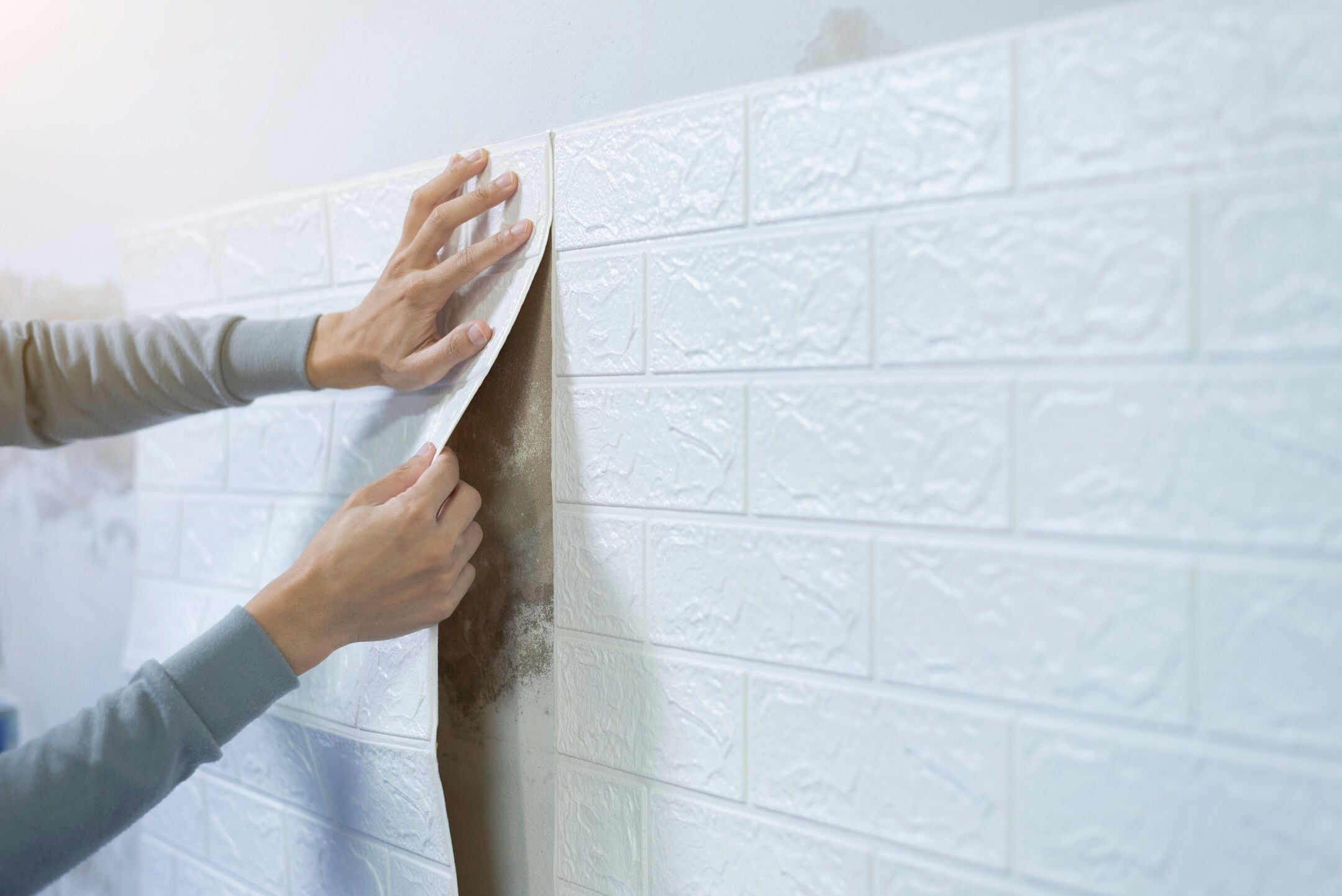
Textured walls hide flaws, but they make wallcovering far harder than most people expect. Putting wallpaper over textured walls without preparation usually leads to visible bumps, trapped air, and seams that lift within months. The good news is that the right prep can produce a smooth, lasting result. For property managers and business owners in Braintree, MA and surrounding areas, understanding the options saves money and avoids rework. The same careful surface preparation behind professional commercial finishing for offices, retail spaces, and facilities is what makes wallcoverings last.
Here is what you will learn in this guide:
- Why texture causes wallcovering to fail and what the problems look like in practice
- The steps used to prepare textured walls so wallpaper looks smooth and stays put
- How to choose a wallcovering that suits a commercial space and its wall condition
- How cost, schedule, and occupancy affect the decision, and when paint is the better choice
- What Braintree, MA and surrounding areas property owners should consider before starting
Why Knockdown Texture and Orange Peel Cause Problems for Wallpaper
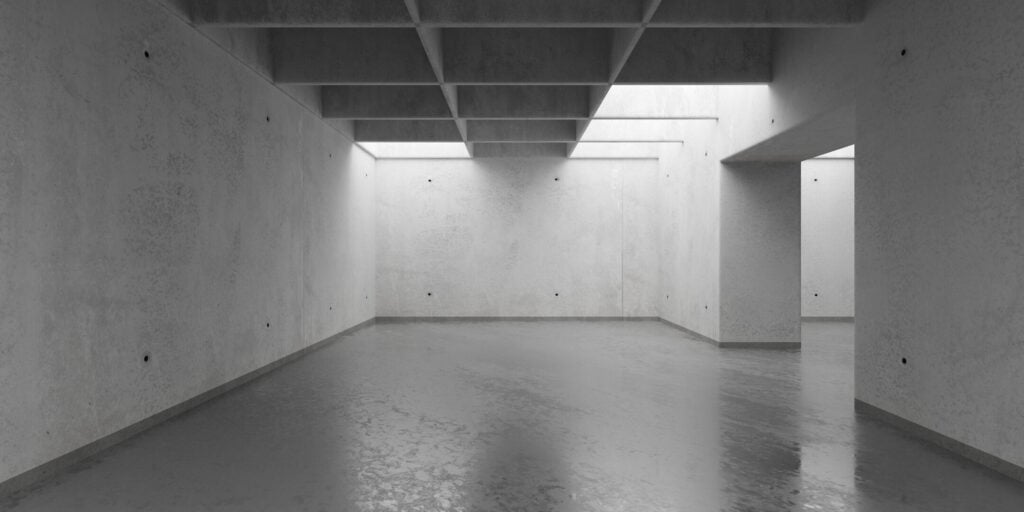
Wallpaper is thin, and it follows the surface beneath it. On a smooth wall, that is exactly what you want. On a textured wall, every bump, ridge, and splatter shows through the finished covering, a problem installers call telegraphing. Light from windows and fixtures rakes across the surface and makes the shadows even more obvious, especially in corridors and lobbies where lighting is directional.
Adhesion is the other issue. Wallpaper paste needs consistent contact with the wall to bond, and texture leaves air pockets and high points that prevent that contact. Seams are particularly vulnerable, because the edges rest on uneven surface and tend to lift over time. For businesses in Braintree, MA and surrounding areas, where heating and cooling cycles add stress to walls and adhesives, a poorly prepared installation can fail quickly and visibly. Here is what typically goes wrong when wallpaper is applied directly over texture:
- Telegraphing: Knockdown, orange peel, and splatter textures show through the paper, which defeats the purpose of installing a clean, uniform finish.
- Weak Adhesion: The paste cannot bond evenly across peaks and valleys, so the paper loosens in places and bubbles develop over time.
- Failing Seams: Edges that sit on uneven surface curl, gap, or lift, which is the most common reason wallcovering looks worn within a year or two.
- Trapped Air and Bubbles: Air pockets form in the low spots and become visible blisters, especially after temperature changes.
- Damage at Removal: Paper that bonds unevenly to a textured wall can tear paint and drywall paper when it is eventually removed, which turns a simple change into a repair job.
5 Ways to Prepare Textured Walls for Wallpaper
The short answer to the question in the title is that you can, but not directly. The wall has to be smoothed, bridged, or sealed first, and the right approach depends on the type and depth of texture. The five steps below are the methods professionals use, often in combination.
1. Identify the Texture and Check the Wall Condition
Start by understanding what is on the wall. Light textures such as orange peel are easier to deal with than heavy ones such as popcorn, stipple, or deep knockdown. It also matters whether the texture is on drywall, plaster, or block, and whether the surface is painted, bare, or already covered.
Check for cracks, water stains, loose paint, and existing wallcovering. Any underlying problem needs to be fixed before anything else goes on, because a new finish will not stabilize a failing wall.
- Determine the type and depth of the texture, since this drives the preparation method
- Repair cracks, holes, and moisture damage before smoothing or covering
- Test paint adhesion and remove loose or flaking coatings
2. Scrape or Sand Light Texture
For light or raised texture, scraping and sanding can reduce high points enough to help. This works best on shallow patterns, and it is often combined with a skim coat to fill what remains. Sanding generates a lot of fine dust, so containment, dust control, and protection of nearby surfaces are important, particularly in occupied buildings.
Scraping and sanding alone rarely produces a wall smooth enough for wallpaper, but it reduces the amount of skim coat required and improves adhesion of what follows.
- Best suited to light texture rather than deep or heavy patterns
- Use dust control and containment, especially in occupied spaces
- Expect to follow with skim coating for a truly smooth finish
3. Skim Coat the Wall
Skim coating is the most reliable way to prepare a textured wall for wallpaper. A thin layer of joint compound is applied across the entire surface to fill valleys and bury texture, then sanded smooth. The result is a flat, uniform substrate that accepts wallcovering the way a new drywall surface would.
For heavy texture, more than one coat may be needed. The work is labor-intensive and messy, which is why it is typically the largest portion of the preparation cost, but it is also what delivers a professional, long-lasting result.
- Fills texture and creates a smooth, even substrate for adhesion
- Heavy texture may require two or more coats
- Sanding and cleanup need to be planned, especially in finished or occupied areas
4. Install a Wallcovering Liner
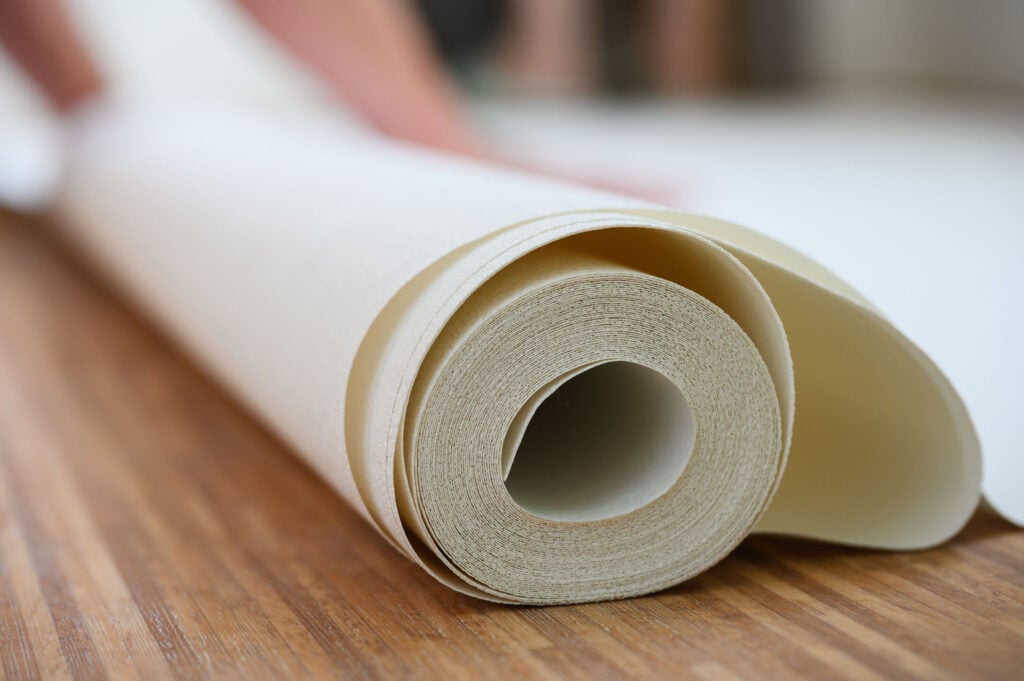
A liner, sometimes called lining paper, is a thick, plain paper hung horizontally over the wall before the decorative wallpaper goes on. It bridges mild texture, evens out minor imperfections, and creates a consistent surface for the final covering. It is a good option for light to moderate texture where a full skim coat is not practical.
Liners do not hide heavy texture, and they add a layer to the installation, so the schedule and cost need to account for it. They also depend on proper priming of the wall and careful seam placement, so that seams in the liner do not line up with seams in the decorative paper.
- Bridges mild texture and minor imperfections
- Hung horizontally so liner seams do not coincide with the wallpaper seams
- Not a substitute for skim coating on heavy or deep texture
5. Prime With a Wallcovering Primer
Whether you smooth the wall or use a liner, the surface should be sealed with a primer made for wallcovering. A good primer provides consistent porosity so the paste does not absorb unevenly, adds some grip for adhesion, and often makes future removal easier by allowing the wallpaper to release cleanly.
Skipping the primer is a common shortcut that causes problems later. Bare joint compound is highly absorbent, and without a primer it can pull moisture out of the paste too quickly and weaken the bond.
- Seals bare compound and creates uniform absorption
- Improves adhesion and makes later removal easier
- Should be fully dry before paste and wallcovering go on
Choosing the Right Wallcovering for a Commercial Space
The wallcovering matters as much as the wall. Commercial spaces face more traffic, cleaning, and code requirements than residential rooms, and the wrong material can fail or create compliance problems. Matching the product to the space and to the wall condition is part of getting a good result.
- Heavy-Duty Commercial Vinyl: Commercial-grade vinyl wallcoverings are durable, scrubbable, and widely used in offices, healthcare, hospitality, and retail. Heavier weights hide minor imperfections better than thin papers, though they do not replace proper preparation.
- Fire Ratings and Code Compliance: Many commercial buildings require wallcoverings that meet specific flame spread and smoke development ratings. Confirm the rating required by local code and the building’s use before selecting a product.
- Textured or Patterned Wallcoverings: Some commercial wallcoverings carry their own texture or bold patterns that camouflage minor imperfections. They can be a good option where the wall is only slightly uneven, but they are not a cure for heavy texture.
- Natural Materials and Grasscloth: Grasscloth and similar natural coverings are beautiful but unforgiving. They show every wall imperfection and seam, so they demand a very smooth, well-prepared surface.
- Peel-and-Stick Products: Self-adhesive coverings are generally poorly suited to textured walls and high-traffic commercial areas, because the adhesive cannot bond well to uneven surfaces and edges tend to lift.
Cost, Timeline, and When Painting Is the Better Option
Preparation is where most of the cost of a wallpaper project sits. Smoothing a textured wall takes time and skill, and the more texture there is, the more labor is required. Understanding the tradeoffs helps owners decide whether wallpaper is worth the investment or whether another finish serves the space better.
| Approach | Best For | Relative Cost | Result |
|---|---|---|---|
| Skim coat, prime, then wallpaper | Heavy texture, high-visibility spaces | Higher | Smoothest, most durable finish |
| Liner, prime, then wallpaper | Light to moderate texture | Moderate | Good finish, less labor than skim coating |
| Scrape or sand, then wallpaper | Very light texture only | Lower | Acceptable only if texture is shallow |
| Paint the textured wall | Budget-conscious or low-visibility areas | Lower | Quick, texture remains visible |
| Textured or patterned wallcovering | Slightly uneven walls | Moderate | Camouflages minor imperfections |
What Drives Cost
The main cost drivers are the amount of wall area, the depth and type of texture, the number of skim coat passes required, and the access and finishing conditions in the space. Ceilings, stairwells, and tall walls add access complexity. The cost of the wallcovering itself and its installation is often smaller than the cost of preparing the wall properly.
Scheduling in an Occupied Building
Skim coating and sanding create dust and need curing time between steps, so the schedule has to allow for drying and cleanup. For occupied offices and retail spaces in Braintree, MA and surrounding areas, work is often done after hours or in phases by area to limit disruption. Containment, dust control, and clear communication with occupants keep the project running smoothly.
- Plan for dust control and containment during sanding
- Allow drying time between skim coats, primer, and wallcovering
- Phase work by zone so the rest of the space stays usable
When Paint Is the Smarter Choice
If the goal is simply to refresh a space on a budget, painting the textured wall is often faster and more cost-effective than preparing it for wallpaper. Paint works with the texture rather than against it, and a quality coating can look clean and uniform. Wallpaper becomes the better choice when the design calls for pattern, color depth, or material that paint cannot provide, and when the budget allows for proper preparation.
Start With the Wall, Not the Wallpaper
Wallpaper over textured walls can work, but only when the wall is prepared to receive it. Skim coating, liners, and proper priming turn a difficult surface into a good one, and choosing the right commercial wallcovering for the space completes the job. Skipping the preparation almost always costs more in the end, through visible flaws, failing seams, and early replacement.
McLean Company works with property owners and facility managers across New England to assess wall conditions, prepare surfaces properly, and recommend whether smoothing, wallcovering, or a painted finish is the best fit for the space. If you are planning a wall update and are unsure how your textured walls should be handled, we can look at the space and give you a clear recommendation.
Contact us today to schedule a walkthrough and get a recommendation built around the condition of your walls and the needs of your space.