(978) 774-4330

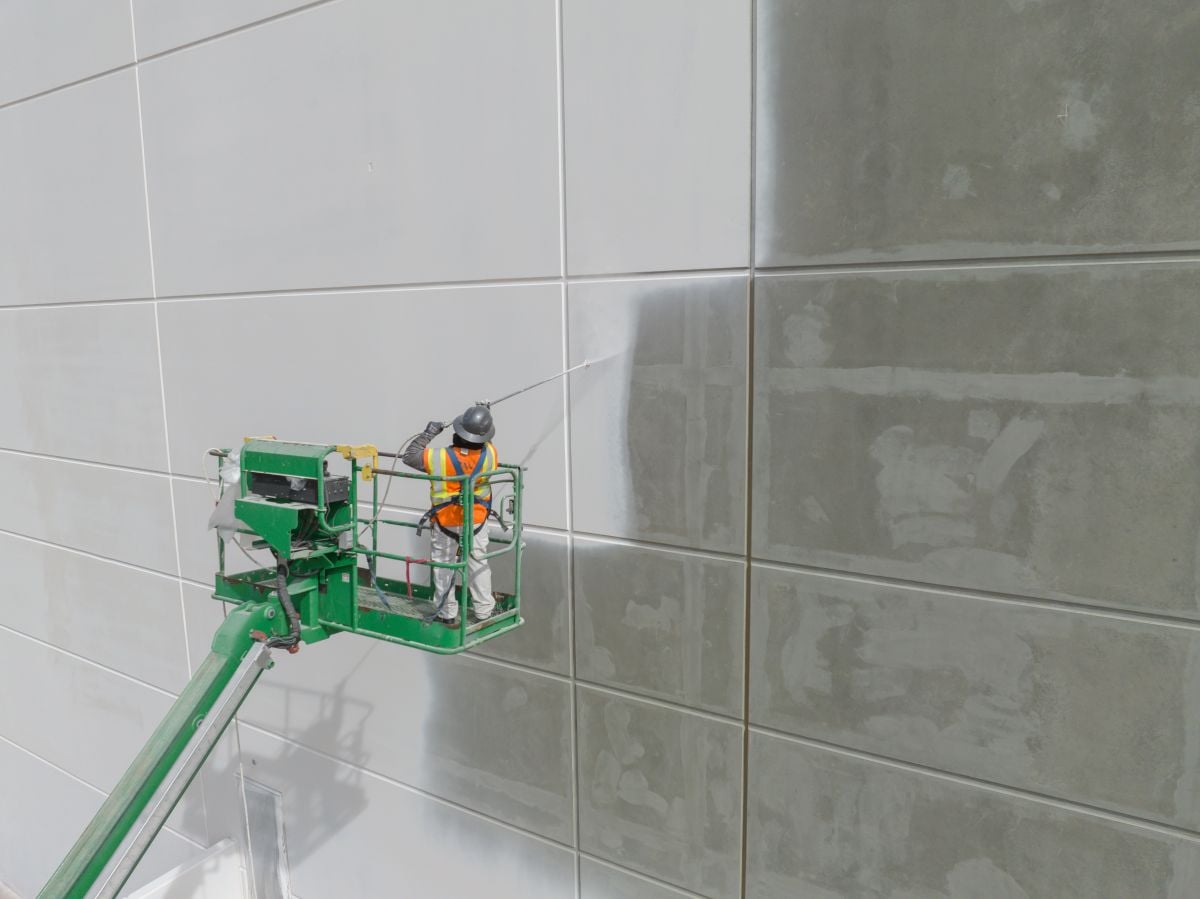
Choosing the right partner for your facility is not just about appearance. It directly affects durability, safety, and long-term maintenance costs. A qualified warehouse painting contractor understands how to protect large-scale spaces from wear, moisture, and heavy use. Many property owners start by exploring durable coating solutions for high-demand industrial spaces to better understand what professional results should look like before hiring.
In this guide, you will learn:
- What separates a warehouse painting specialist from a general painter
- The most important steps to choosing the right contractor
- Common coating options for warehouse environments
- How to avoid costly mistakes during your project
What Makes Warehouse Painting Different From Standard Painting
Warehouse painting is a specialized service that requires more than basic tools and materials. These environments are larger, more demanding, and often involve unique challenges such as high ceilings, constant traffic, and exposure to industrial conditions.
In Framingham and surrounding areas, warehouses frequently deal with seasonal humidity, temperature changes, and heavy equipment use. These factors can quickly degrade low-quality coatings or improper applications.
Here is why working with the right contractor matters:
- Durability First: Industrial-grade coatings are designed to withstand forklifts, pallets, and continuous movement.
- Safety Improvements: Proper striping, visibility coatings, and slip-resistant finishes help reduce accidents.
- Efficiency Gains: A well-maintained space supports smoother daily operations and fewer disruptions.
- Lower Lifecycle Costs: High-quality work reduces the need for frequent touch-ups or repainting.
- Surface Protection: Walls, ceilings, and structural elements are shielded from moisture, corrosion, and wear.
Understanding these differences helps set the foundation for choosing the right contractor.
7 Steps to Choosing the Right Warehouse Painting Contractor
Selecting a contractor should be a structured process. Taking the time to evaluate each step can help you avoid poor results and unnecessary expenses.
1. Look for Industrial and Warehouse Experience
Not every painting company has the experience needed for warehouse environments. Industrial settings require knowledge of specialized coatings and application methods.
- Ask about past warehouse or industrial projects
- Request examples of similar facilities
- Confirm experience with large-scale spaces
Contractors working in Framingham and surrounding areas should also understand local environmental conditions.
2. Ask About Surface Preparation Methods
Surface preparation is one of the most important parts of the project. Without proper preparation, coatings will fail early.
- Power washing and deep cleaning
- Grinding or sanding surfaces
- Repairing cracks or damaged areas
A contractor who emphasizes preparation is more likely to deliver long-lasting results.
3. Evaluate Coating Knowledge
A qualified contractor should be able to explain different coating systems and recommend the best option for your facility.
- Epoxy for high-traffic durability
- Urethane for flexibility and chemical resistance
- Specialty coatings for specific conditions
They should also explain why a particular system is right for your space.
4. Verify Licensing and Insurance
Industrial projects involve risk, so proper credentials are essential.
- Confirm licensing requirements are met
- Verify liability insurance coverage
- Ensure workers’ compensation is in place
This protects both your property and the people working on it.
5. Review Equipment and Capabilities
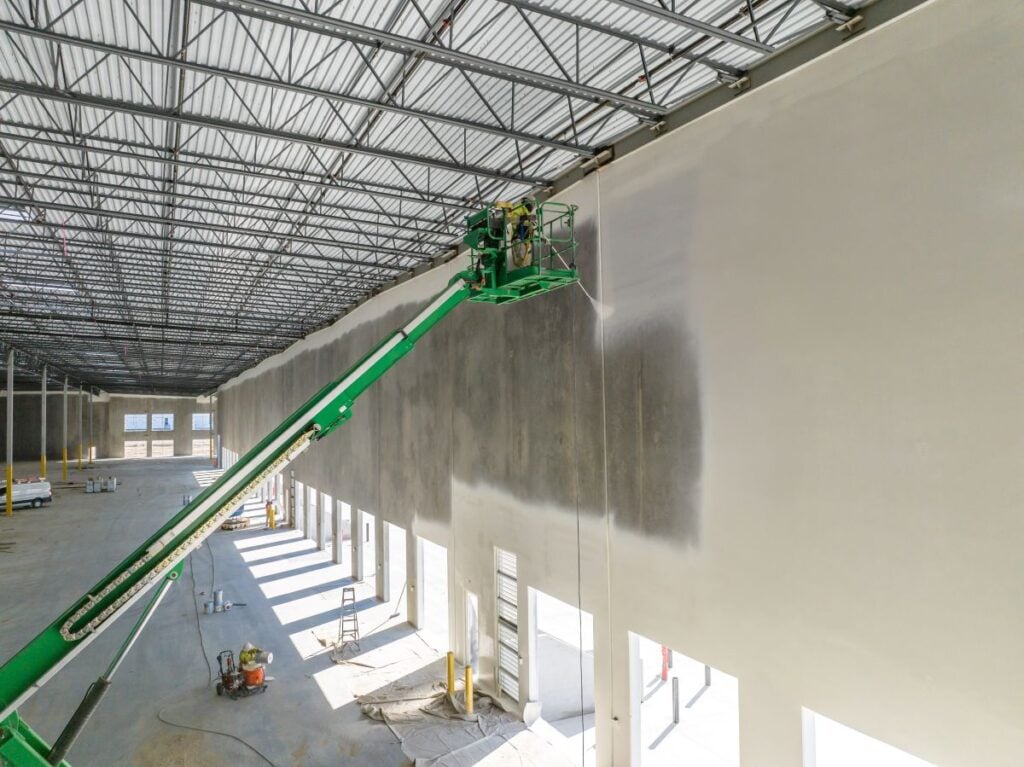
Warehouse projects often require specialized equipment to reach high ceilings and cover large areas efficiently.
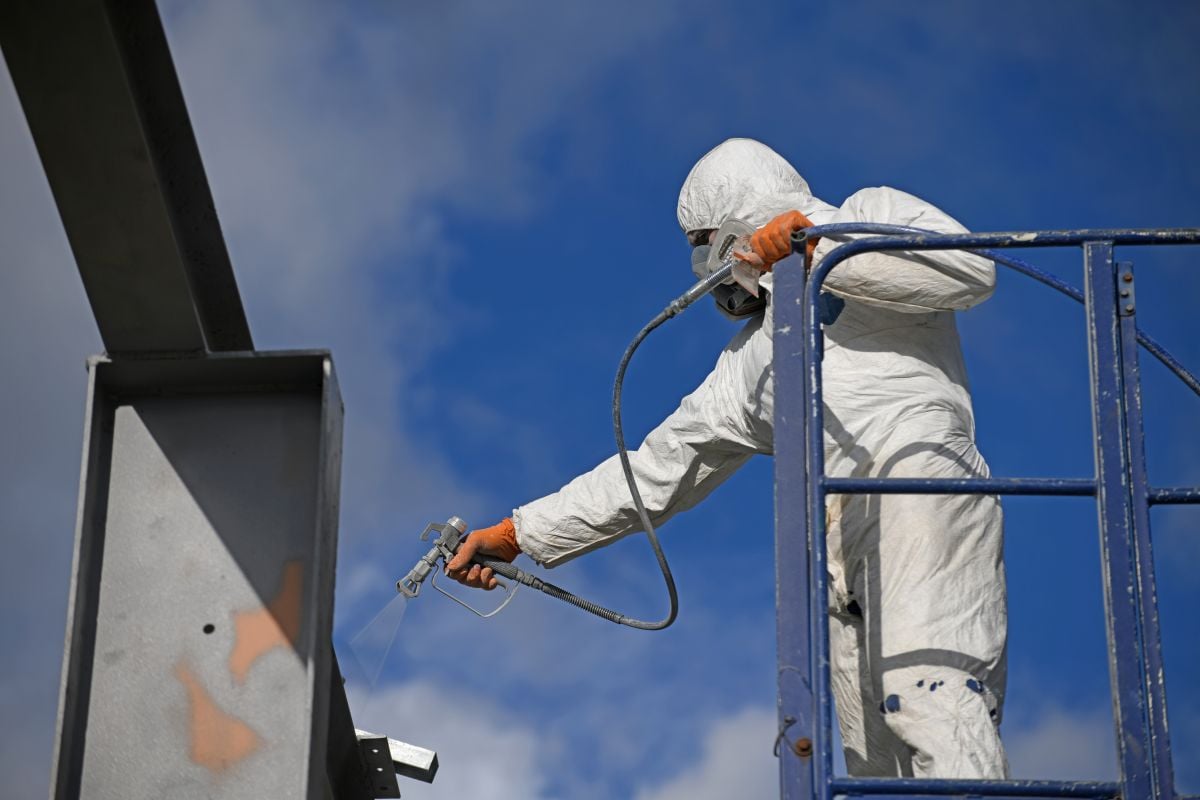
- Industrial sprayers for even coverage
- Lifts or scaffolding for elevated surfaces
- Dust control systems for cleaner application
The right tools contribute to a better and more consistent finish.
6. Request a Detailed Scope of Work
A professional contractor will provide a clear outline of the project.
- Preparation steps included
- Type of coatings being used
- Timeline and phases of work
This helps you understand exactly what you are paying for.
7. Check References and Reputation
A contractor’s past work is one of the best indicators of future performance.
- Ask for recent client references
- Read reviews and testimonials
- Look for consistent feedback on quality and reliability
In Framingham and surrounding areas, reputation often reflects long-term results.
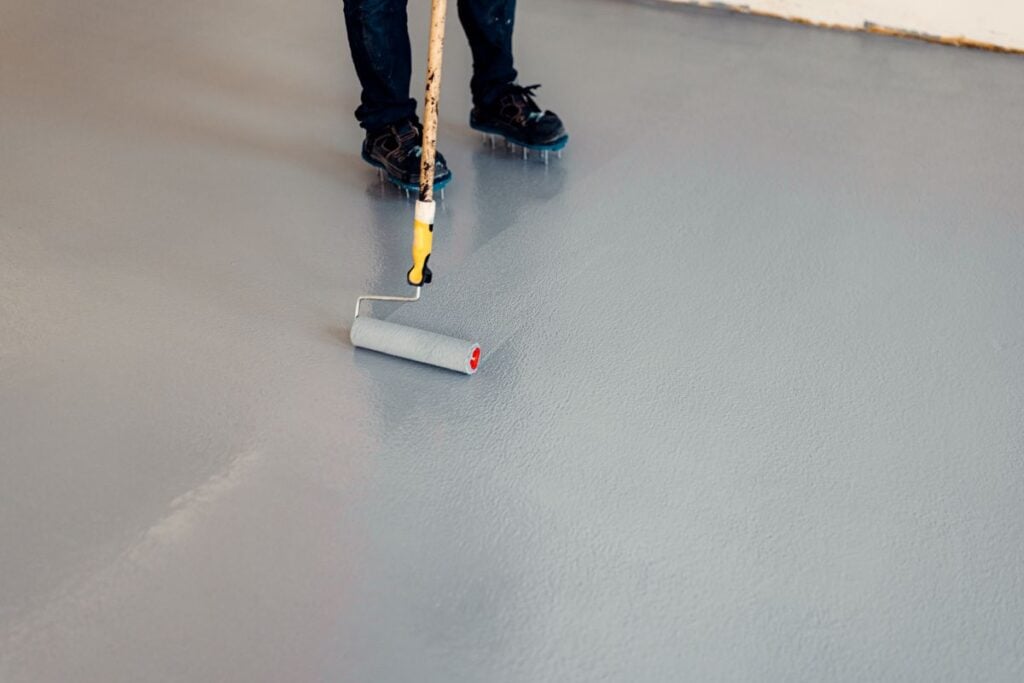
Warehouse Painting Options to Consider
Choosing the right contractor also means understanding the types of coatings available. Each option serves a different purpose depending on your facility’s needs.
Epoxy Coatings
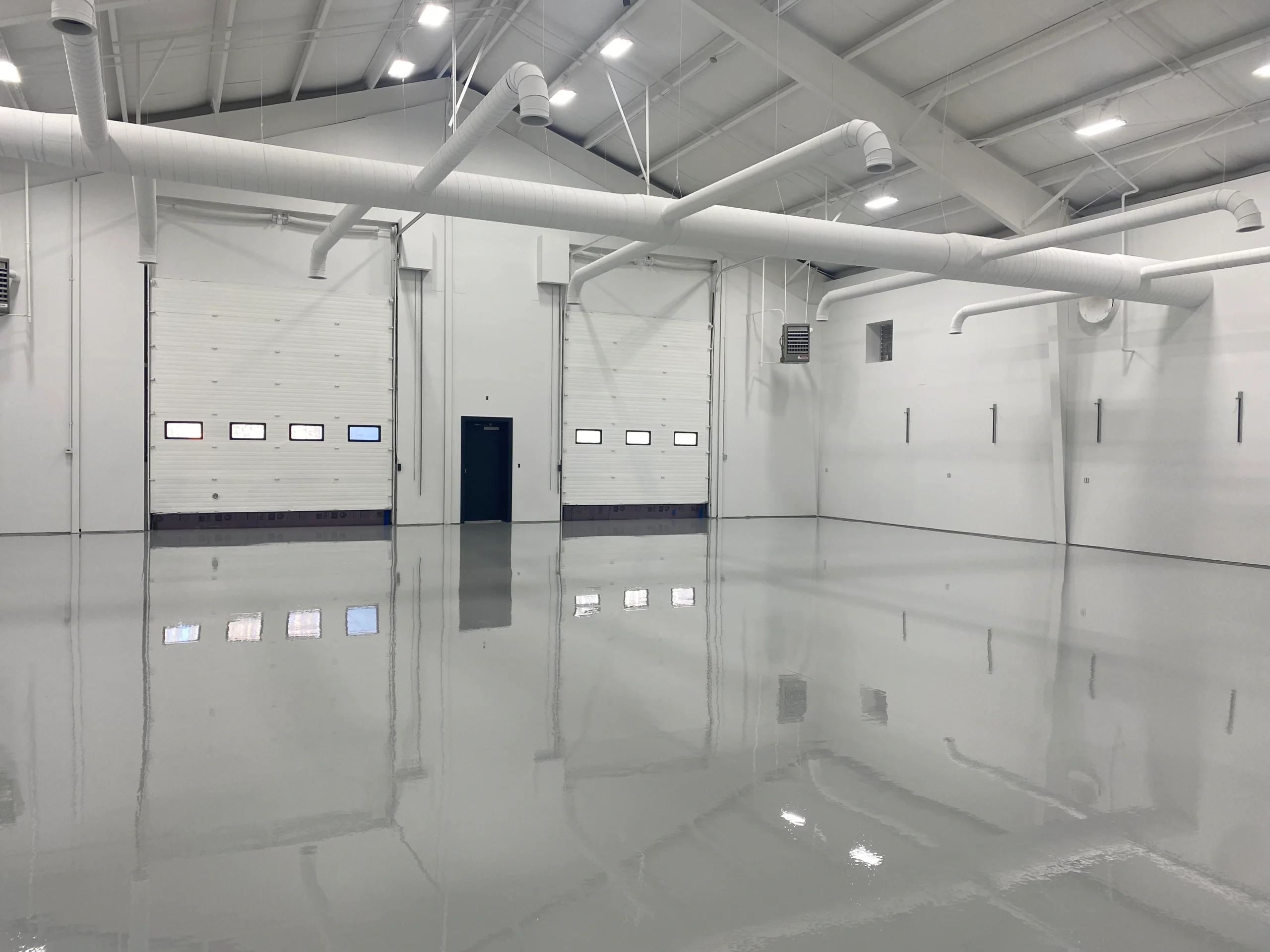
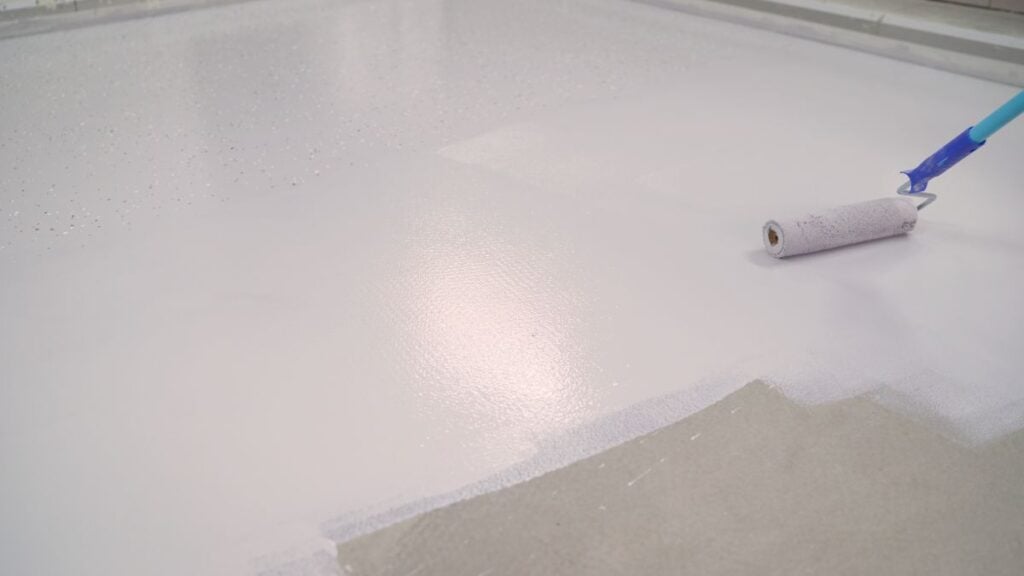
Epoxy is one of the most common choices for warehouse environments due to its strength and durability.
- Handles heavy traffic and equipment
- Resistant to impact and wear
- Ideal for floors and high-use areas
Polyurethane Coatings
Polyurethane coatings are known for their flexibility and resistance to environmental factors.
- Resistant to chemicals and UV exposure
- Suitable for areas with temperature changes
- Provides a smooth, long-lasting finish
Acrylic Coatings
Acrylic coatings are often used for walls and ceilings where durability is still important but heavy impact is less likely.
- Quick drying for faster project completion
- Resistant to moisture and mildew
- Cost-effective for large interior spaces
Corrosion-Resistant Systems
Warehouses with exposed metal structures benefit from protective coatings that prevent rust and deterioration.
- Extends the lifespan of structural components
- Reduces long-term maintenance needs
- Ideal for industrial environments
Understanding these options helps you have more informed conversations with contractors.
How to Plan a Successful Warehouse Painting Project
Beyond choosing a contractor, proper planning plays a major role in the success of your project. A well-planned approach minimizes disruptions and maximizes results.
Taking the time to prepare ensures a smoother process from start to finish.
Scheduling Around Operations
Warehouses often operate on tight schedules, so timing is critical.
- Plan work during off-hours or downtime
- Break the project into phases if needed
- Coordinate closely with your contractor
This approach helps maintain productivity during the project.
Identifying Priority Areas
Not every part of your warehouse requires the same level of attention.
- Focus on high-traffic zones first
- Address areas with visible wear or damage
- Prioritize safety-critical surfaces
Targeting key areas can improve efficiency and reduce costs.
Setting Clear Expectations
Clear communication ensures everyone is aligned on the project goals.
- Define the desired finish and performance
- Establish timelines and milestones
- Confirm responsibilities and deliverables
This reduces the likelihood of misunderstandings.
Planning for Maintenance
Even the best coatings require ongoing care.
- Schedule regular inspections
- Clean surfaces to prevent buildup
- Address small issues before they grow
A maintenance plan helps protect your investment over time.
Comparing Warehouse Coating Options
To better understand your choices, here is a comparison of common warehouse coatings:
| Coating Type | Best Application | Durability | Maintenance |
| Epoxy | Floors and heavy-use areas | Very High | Low |
| Polyurethane | Temperature-variable areas | High | Low |
| Acrylic | Walls and ceilings | Moderate | Moderate |
| Corrosion-Resistant | Metal structures | High | Low |
This table highlights how each option performs under different conditions.
Common Mistakes to Avoid When Hiring a Contractor
Even with careful planning, it is easy to make mistakes during the hiring process. Being aware of these issues can help you avoid unnecessary problems.
Focusing Only on Price
Choosing the lowest bid can lead to poor results.
- Lower-quality materials may be used
- Preparation steps may be skipped
- Coatings may fail sooner than expected
Ignoring Surface Preparation
Preparation is critical to long-term performance.
- Poor adhesion leads to peeling or cracking
- Uneven surfaces affect appearance
- Repairs become more frequent
Not Verifying Credentials
Failing to check qualifications can create risks.
- Lack of proper insurance
- Limited industrial experience
- Safety concerns during the project
Poor Communication
Miscommunication can lead to delays and unexpected costs.
- Unclear timelines
- Misaligned expectations
- Incomplete work
Avoiding these mistakes helps ensure a smoother experience.
Get the Right Results for Your Warehouse
Choosing the right warehouse painting contractor is one of the most important decisions you can make for your facility. The right partner will deliver durable results, minimize disruptions, and help protect your space for years to come.
For businesses in Framingham and surrounding areas, working with experienced professionals ensures your warehouse remains safe, efficient, and visually consistent. From selecting the right coatings to executing every step with precision, expertise makes a measurable difference.
If you are ready to move forward with your project, McLean Company is here to help. Reach out to contact us today to discuss your needs and find the right solution for your warehouse.