(978) 774-4330

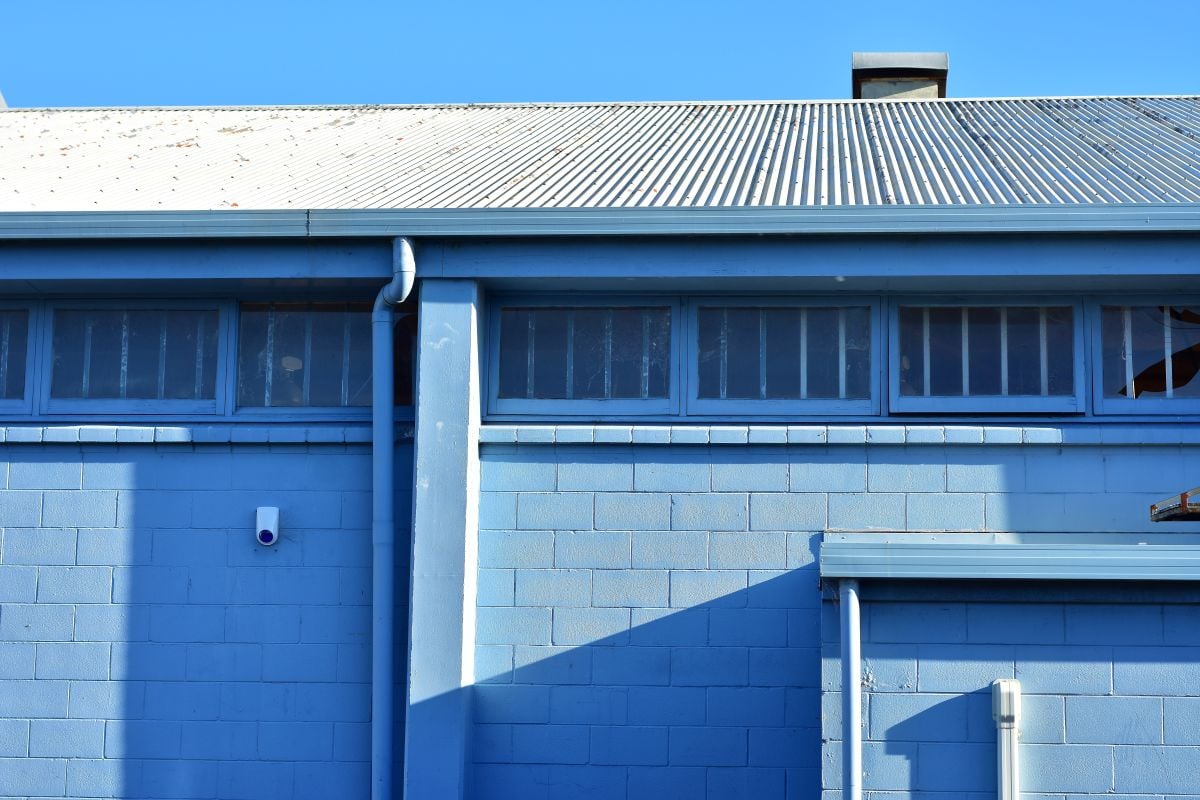
Creating a clean, durable, and professional indoor environment is essential for any business. Investing in commercial interior painting services helps protect surfaces, reinforce your brand image, and improve daily operations. Businesses looking for long-term performance often explore advanced options like high-performance coatings for demanding interior environments, which are designed to handle heavy use while maintaining a polished appearance.
In this guide, you will learn:
- Why commercial interior painting is critical for modern properties
- The key steps involved in a successful project
- The top paint products and technologies for 2026
- How to choose the right solutions for your space
The Role of Commercial Interior Painting in Business Success
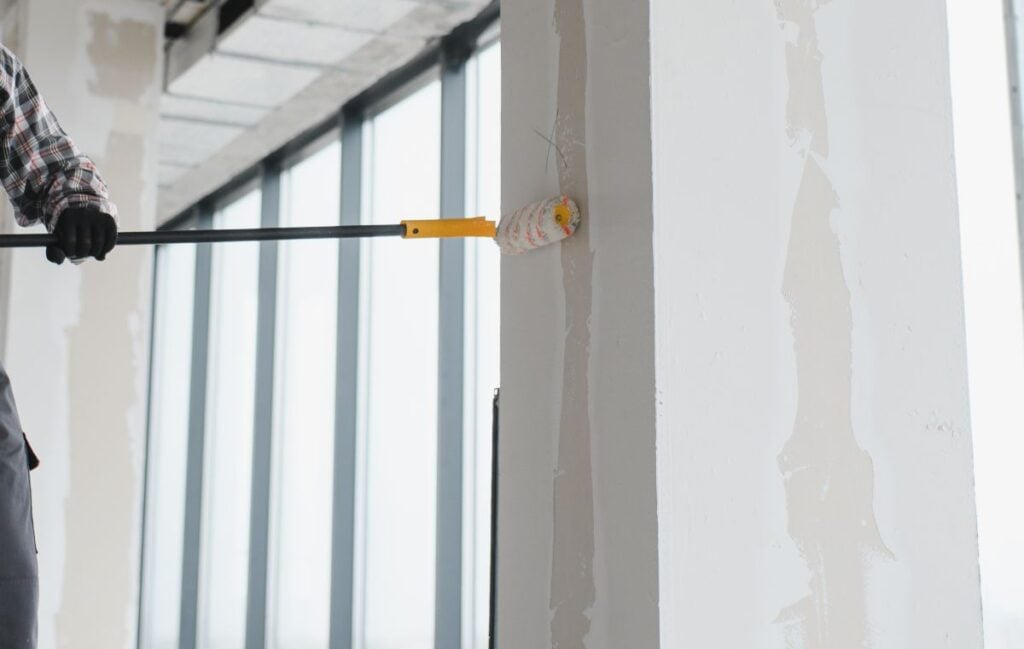
Interior painting is more than a finishing touch. It plays a direct role in how a business operates, how it is perceived, and how well it maintains its space over time. A properly painted interior protects surfaces, supports cleanliness, and creates an environment that reflects professionalism.
In cities like Hartford, CT and surrounding areas, businesses face seasonal wear, fluctuating humidity, and high foot traffic. These conditions make it even more important to use high-quality materials and proper application techniques.
Here are some of the most valuable benefits of commercial interior painting:
- Brand Consistency: Colors and finishes help reinforce your company identity and create a cohesive experience for customers and employees.
- Surface Protection: Quality coatings shield walls and ceilings from moisture, stains, and general wear.
- Improved Workplace Environment: Fresh, well-maintained interiors contribute to employee comfort and productivity.
- Easier Maintenance: Durable finishes make cleaning simpler and reduce long-term upkeep.
- Long-Term Cost Savings: Investing in the right products reduces the need for frequent repainting and repairs.
When approached strategically, interior painting becomes a long-term asset rather than a short-term expense.
6 Essential Steps for a Successful Commercial Interior Painting Project
A professional commercial painting project follows a structured process to ensure durability, consistency, and efficiency. Each step contributes to the overall success of the final result.
1. Site Evaluation and Planning
Every project begins with a thorough assessment of the space. This step identifies challenges, sets expectations, and establishes a clear plan.
- Evaluate existing surfaces and coatings
- Identify problem areas such as stains, cracks, or moisture
- Determine project scope, timeline, and access requirements
In Hartford, CT and surrounding areas, older buildings may require more detailed assessments due to aging materials.
2. Surface Preparation
Preparation is one of the most important steps in the entire process. Without it, even the best paint will not perform properly.
- Clean surfaces to remove dirt, grease, and debris
- Repair imperfections such as holes or cracks
- Sand and smooth surfaces to improve adhesion
Taking the time to prepare properly ensures a longer-lasting finish.
3. Selecting the Right Products
Not all paints are suited for commercial environments. Choosing the right products depends on how the space is used.
- Consider traffic levels and exposure to wear
- Choose finishes based on cleaning needs
- Select coatings that meet safety or regulatory requirements
Different spaces within the same building may require different solutions.
4. Professional Application
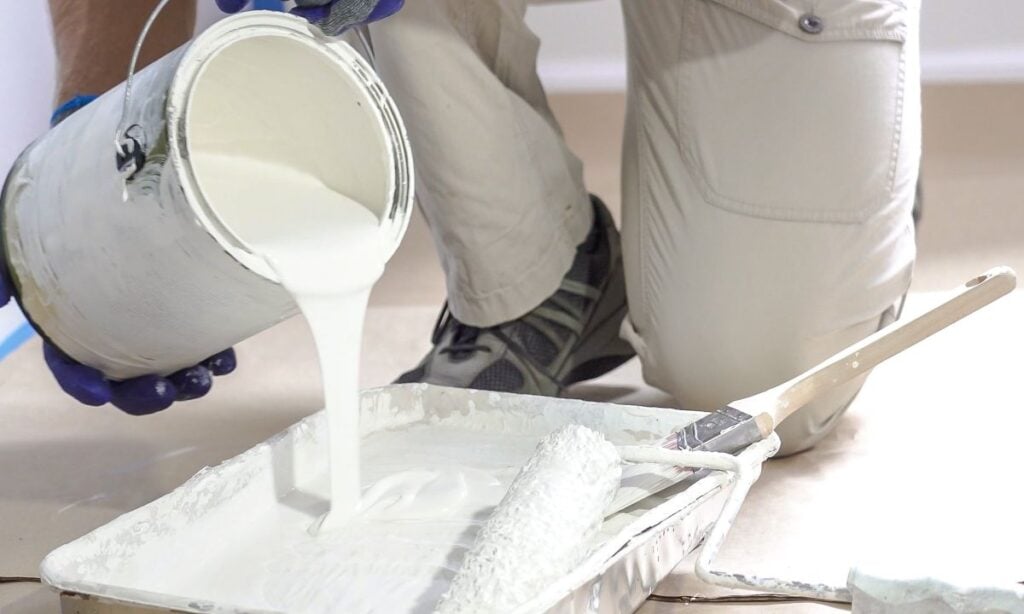
The application process must be precise to achieve a consistent and durable finish.
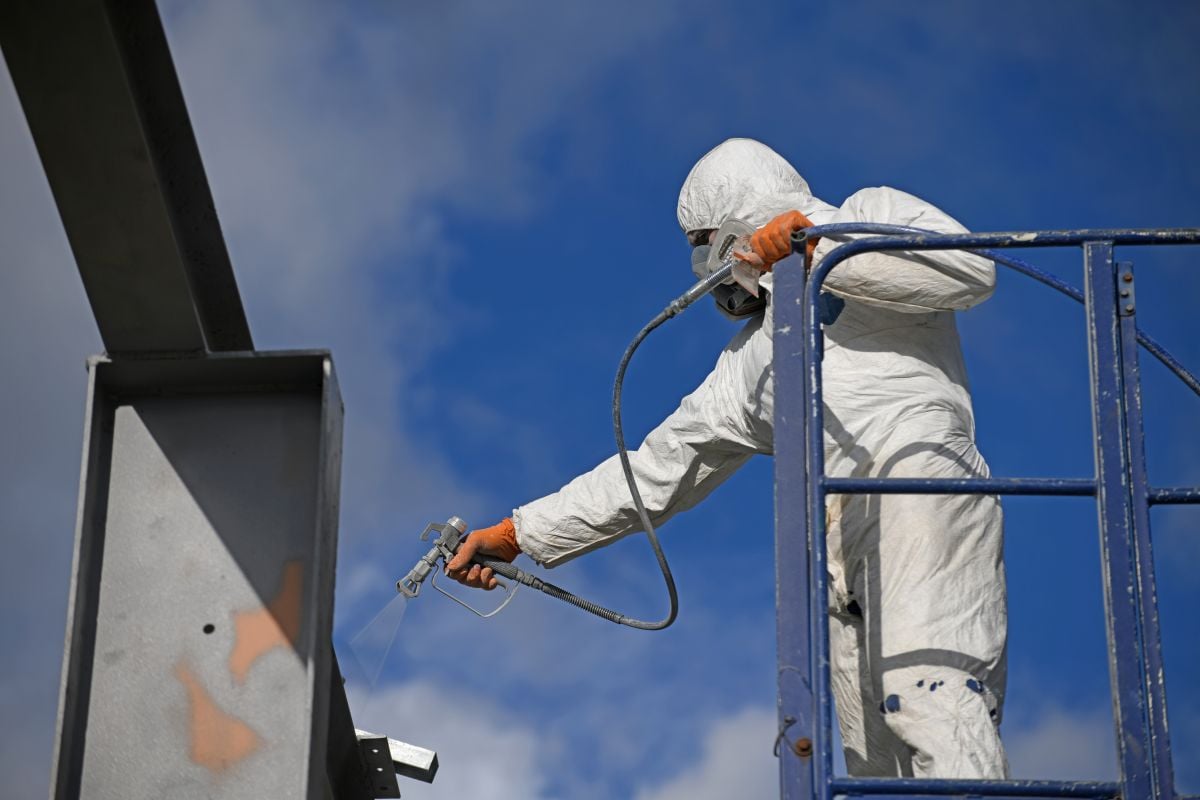
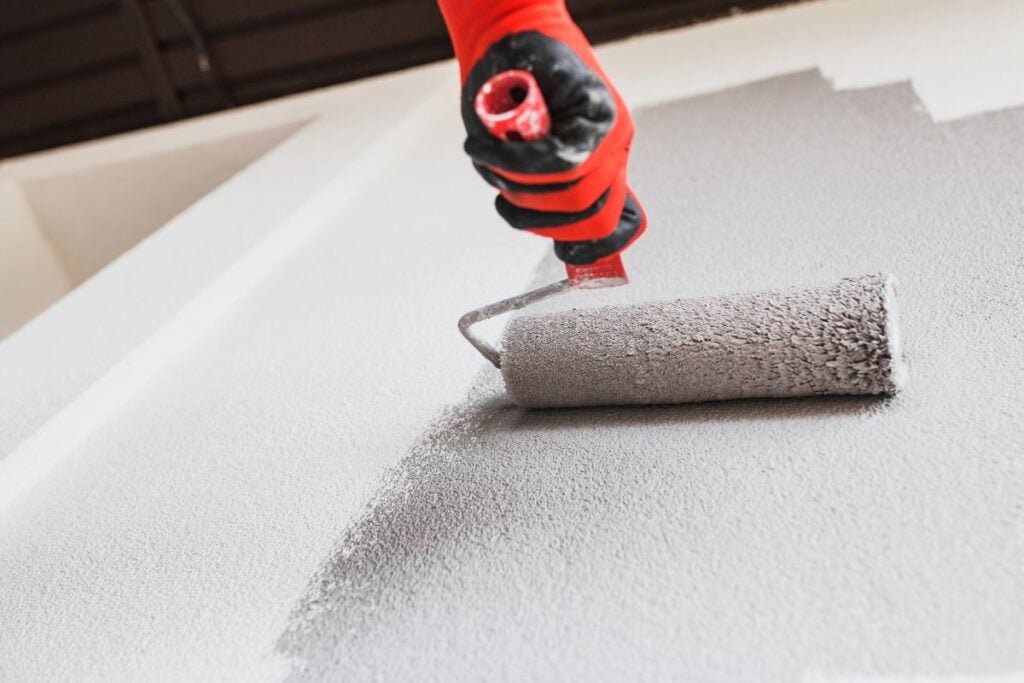
- Use appropriate tools such as brushes, rollers, or sprayers
- Apply coatings evenly to avoid streaks or inconsistencies
- Follow recommended drying and curing times
Professional techniques ensure that the final result meets high standards.
5. Inspection and Quality Assurance
Once the paint is applied, a detailed inspection helps ensure everything meets expectations.
- Check for even coverage and color consistency
- Address any missed spots or imperfections
- Confirm that the finish aligns with project specifications
This step helps guarantee a polished and professional outcome.
6. Cleanup and Maintenance Planning
A complete project includes cleanup and guidance for maintaining the new finish.
- Remove materials and protect surrounding areas
- Provide care instructions for different surfaces
- Establish a maintenance schedule
Regular upkeep helps extend the life of the paint and maintain its appearance.
Top Commercial Interior Paint Products for 2026
Advancements in paint technology continue to improve durability, sustainability, and performance. Choosing the right products can make a significant difference in how your space looks and functions over time.
Low-VOC and Environmentally Friendly Paints
Modern businesses are placing greater emphasis on indoor air quality and sustainability.
- Reduce harmful emissions
- Improve comfort for employees and customers
- Meet environmental standards and regulations
These paints are ideal for offices, schools, and healthcare facilities.
High-Durability Acrylic Coatings
Acrylic paints remain a reliable choice for many commercial applications.
- Resistant to cracking and peeling
- Suitable for a wide range of surfaces
- Easy to clean and maintain
They are commonly used in offices and retail environments throughout Hartford, CT and surrounding areas.
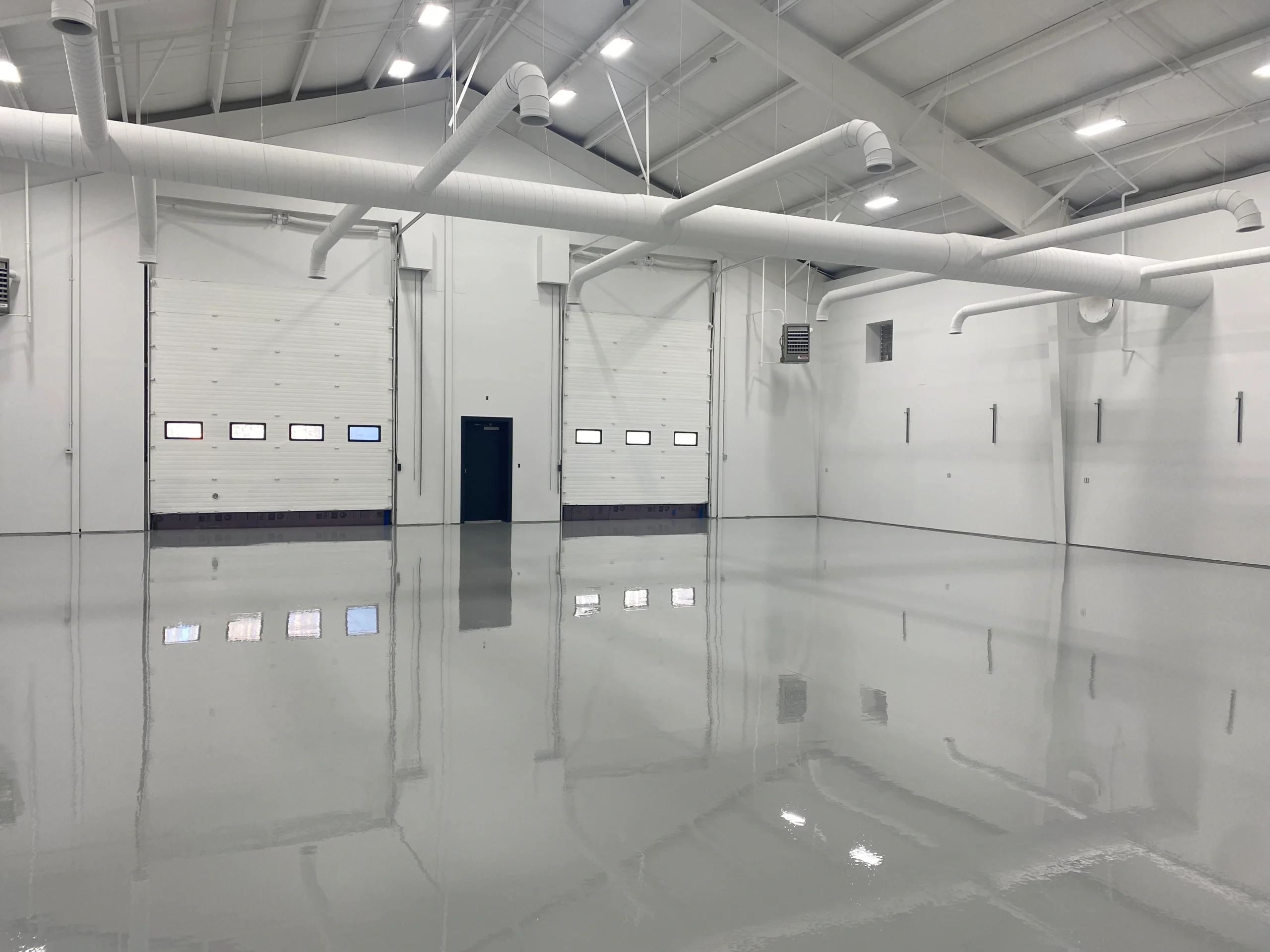
Epoxy Coatings for High-Performance Areas
Epoxy coatings are designed for spaces that require maximum durability.
- مقاistant to heavy wear and impact
- Suitable for industrial and high-traffic environments
- Provides a strong, protective layer
These coatings are often used in warehouses, production areas, and commercial kitchens.
Antimicrobial Paint Solutions
Hygiene is a growing priority in many industries.
- Helps reduce the spread of bacteria
- Ideal for healthcare and food service environments
- Supports cleanliness and sanitation efforts
Washable and Scuff-Resistant Finishes
High-traffic areas benefit from coatings that can withstand frequent cleaning.
- Easy to wipe down without damage
- Maintain a clean appearance over time
- Reduce maintenance efforts
These finishes are especially useful in hallways, lobbies, and shared spaces.
How to Choose the Best Approach for Your Commercial Space
Selecting the right painting strategy requires careful consideration of your space, goals, and long-term needs. A thoughtful approach ensures better results and greater value over time.
Understanding your priorities is the first step in making the right decision.
Key Factors to Consider
When planning a commercial interior painting project, consider the following:
- Type of Space: Offices, retail stores, and industrial facilities have different requirements
- Traffic Levels: High-traffic areas need more durable coatings
- Lighting Conditions: Natural and artificial light can affect how colors appear
- Maintenance Needs: Some finishes require more upkeep than others
Comparing Interior Paint Finishes
| Finish Type | Best For | Durability | Cleaning Ease |
| Matte | Offices and low-traffic areas | Moderate | Low |
| Eggshell | Conference rooms | Moderate | Moderate |
| Satin | Hallways and common areas | High | Moderate |
| Semi-Gloss | Kitchens and restrooms | Very High | High |
| Gloss | Trim and accents | Very High | High |
This comparison helps property owners match finishes to their specific needs.
Scheduling and Minimizing Disruption
Timing plays an important role in commercial painting projects.
- Schedule work during off-hours or weekends
- Coordinate with contractors to reduce downtime
- Plan phases for larger projects to maintain operations
Businesses in Hartford, CT and surrounding areas often benefit from flexible scheduling to avoid disruptions.
When to Work with Professionals
While some minor updates can be handled internally, most commercial projects require professional expertise.
- Large or complex spaces
- Specialized coatings or compliance requirements
- Tight timelines or operational constraints
Experienced professionals ensure quality results and efficient project completion.
Trends Shaping Commercial Interior Painting in 2026
The commercial painting industry continues to evolve, with new technologies and design trends influencing how spaces are finished and maintained.
Staying informed about these trends can help businesses make smarter decisions.
Advanced Performance Coatings
New products are designed to deliver enhanced durability and functionality.
- Resistant to stains, moisture, and wear
- Longer-lasting performance
- Reduced need for frequent maintenance
Color Strategy and Branding
Color plays a powerful role in shaping perception and experience.
- Align interior design with brand identity
- Influence mood and productivity
- Create a memorable environment
Sustainable Materials and Practices
Sustainability remains a priority for many businesses.
- Use of eco-friendly materials
- Reduced environmental impact
- Compliance with green building standards
Faster Project Turnarounds
Improved tools and products are helping reduce project timelines.
- Faster drying paints
- More efficient application methods
- Less disruption to daily operations
These advancements are making commercial interior painting more efficient and effective than ever before.
Upgrade Your Interior with Confidence
A well-planned commercial painting project enhances both the appearance and functionality of your space. From selecting the right products to following proven application methods, every step contributes to long-term success.
For businesses in Hartford, CT and surrounding areas, investing in quality painting solutions can improve operations, reduce maintenance, and create a more professional environment. Taking a proactive approach ensures your space remains clean, durable, and visually appealing.
If you are ready to elevate your commercial interior, McLean Company is here to help. Reach out to contact us today to discuss your project and discover the best solutions for your property.