(978) 774-4330

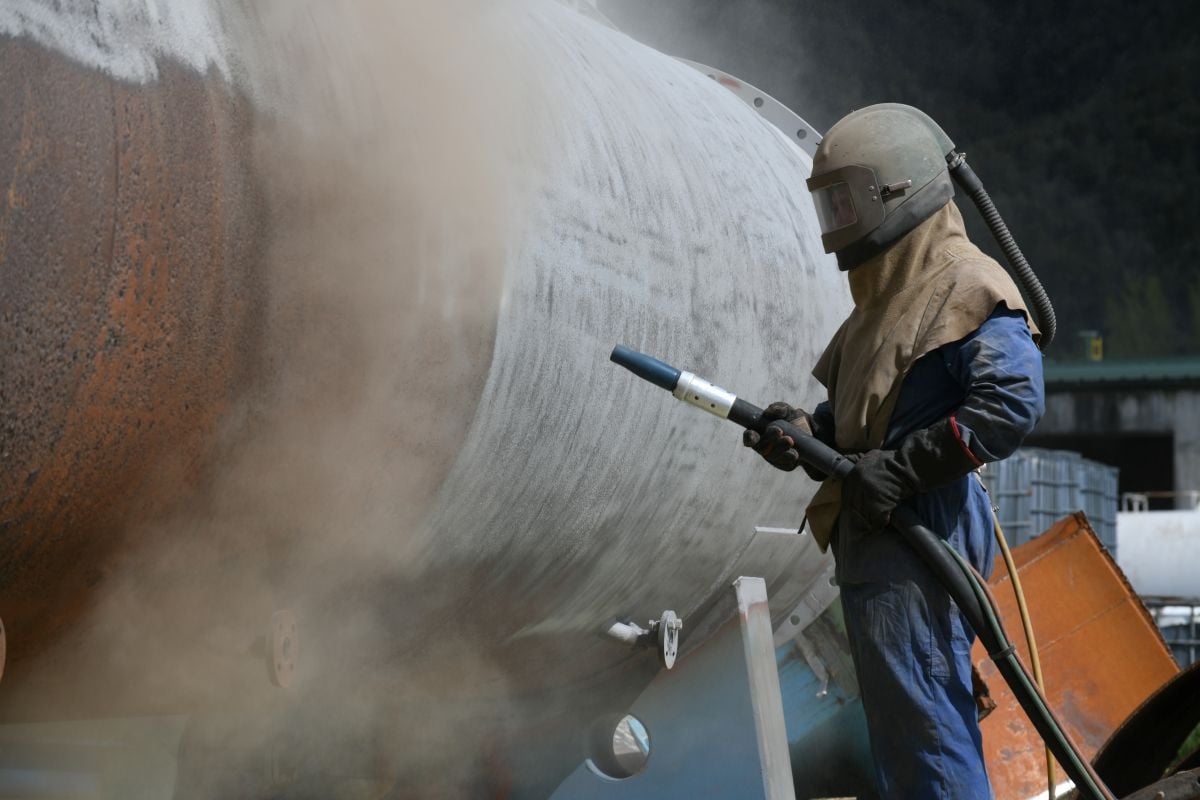
Whether you’re restoring a brick façade or prepping steel beams for a protective coating, sandblasting is one of the most efficient ways to clean, strip, and texture a surface. It’s used across a wide range of commercial and industrial settings in Boston, MA and surrounding areas to improve performance, aesthetics, and safety. From removing old paint to increasing adhesion for new coatings, sandblasting is a critical step in long-term building maintenance and restoration. In many cases, it’s combined with protective applications that improve durability for years to come.
In this guide, you’ll learn:
- Why sandblasting is used in modern construction and maintenance
- Where it’s commonly applied, from warehouses to public buildings
- The process behind abrasive blasting and how it works
- What materials and coatings are best prepared using this method
- When it’s time to hire professionals for your project
Why Sandblasting Is a Go-To Solution for Surface Prep
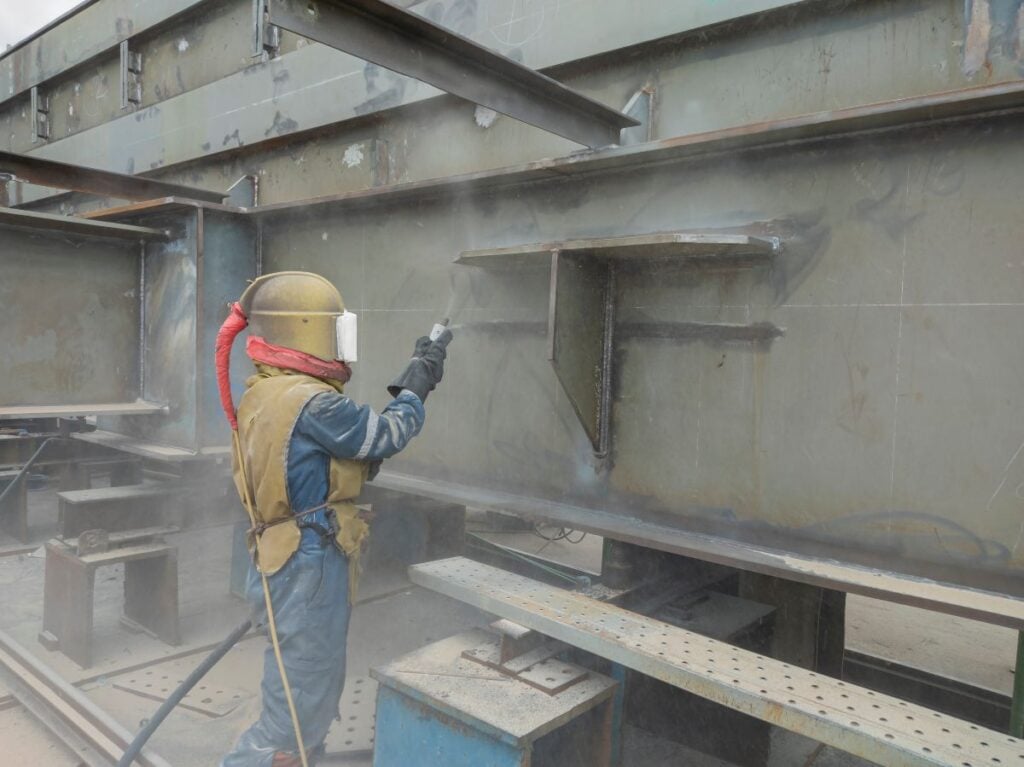
While sandblasting may seem simple on the surface, it delivers a wide range of benefits that make it a preferred method for surface restoration and coating preparation. Its speed, precision, and versatility make it valuable in nearly every commercial or industrial setting.
- Removes Contaminants Quickly: Blasting strips away rust, paint, grime, mold, and other residues in a fraction of the time it takes to clean by hand.
- Restores Surface Integrity: Uneven, flaking, or corroded surfaces are smoothed and leveled, restoring function and appearance.
- Prepares Surfaces for New Coatings: Sandblasted surfaces have a clean, roughened profile that allows primers, sealants, and paint to adhere properly.
- Works on Many Materials: From brick and concrete to steel and aluminum, sandblasting adapts to different hardness levels using a variety of abrasives.
- Environmentally Responsible: With proper containment, many blasting media types can be recycled or cleaned up with minimal impact.
5 Common Sandblasting Applications in Commercial Settings
Sandblasting is used in far more scenarios than most people realize. Here are the five most common building types and surfaces where it’s applied throughout Boston, MA and surrounding areas.
1. Masonry Buildings and Brick Façades
Blasting is used to remove years of soot, paint, or environmental buildup from brick surfaces.
- Ideal for restoring historical buildings
- Reveals original brickwork without harsh chemicals
- Prepares surfaces for sealing or tuckpointing
Many older city structures rely on sandblasting to maintain visual integrity and meet safety codes.
2. Steel Beams and Structural Metal
Industrial facilities often use blasting to prepare bare metal before applying anti-corrosion coatings or paint.
- Removes mill scale, rust, and welding slag
- Provides a proper surface profile for primers
- Complies with industry coating standards like SSPC-SP10 or NACE 2
This is especially useful in high-humidity regions where rust is a persistent issue.
3. Parking Garages and Concrete Walls
Exposed concrete can develop stains, scaling, or surface defects that blasting can quickly clean or level.
- Removes graffiti, grease, or water deposits
- Prepares for epoxy coatings or joint sealing
- Evens out texture for improved appearance
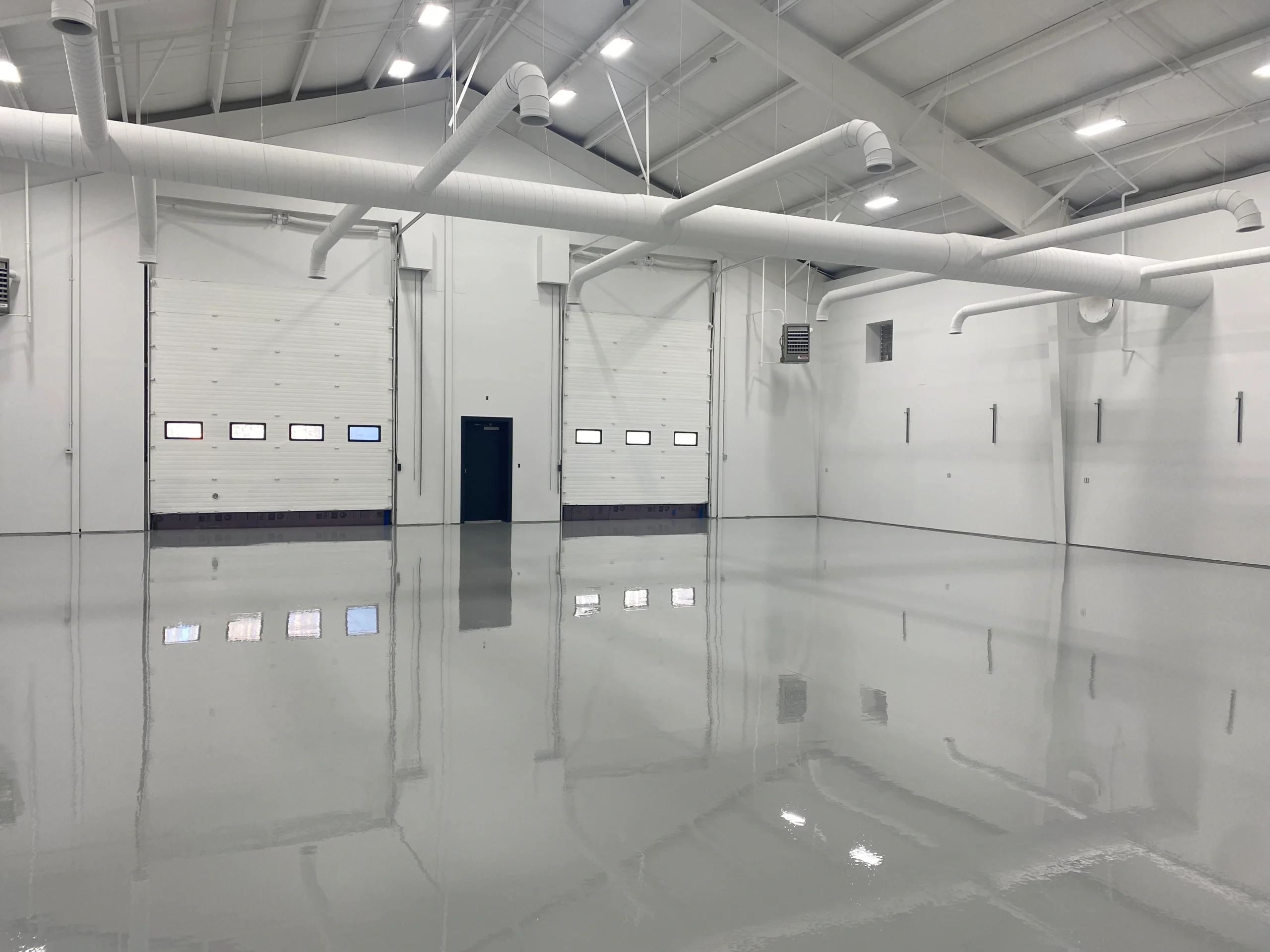
In places like parking decks or warehouse floors, sandblasting is often used before safety paint striping or slip-resistant coatings.
4. Commercial Kitchens and Industrial Equipment
In food-grade environments, sandblasting is often used to prep stainless steel or aluminum surfaces for sanitization or repainting.
- Removes old, peeling coatings
- Opens the surface for antimicrobial finishes
- Helps meet health and safety standards
Food and beverage facilities in Boston, MA and surrounding areas benefit from frequent surface renewal to prevent contamination.
5. Public Infrastructure and Facilities
Bridges, railings, and fire escapes all rely on periodic blasting to remove corrosion and allow for proper maintenance.
- Makes repainting safer and more effective
- Prevents long-term structural degradation
- Extends the life of exposed metal components
Municipal buildings and transportation hubs often include blasting as part of a recurring facility maintenance plan.
How the Sandblasting Process Works
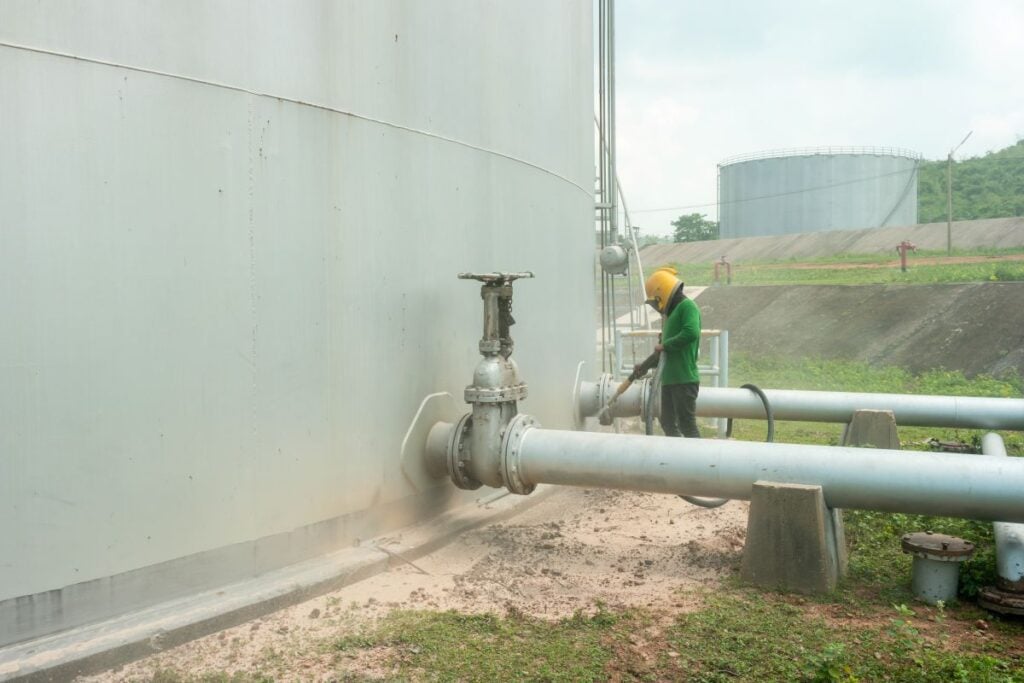
Sandblasting, also called abrasive blasting, is a surface treatment technique that uses a high-pressure stream of abrasive particles to clean or texture a surface. While the term “sand” is used, modern systems use a wide range of safer and more effective materials.
1. Surface Inspection
Before blasting begins, the surface is inspected to determine the appropriate media and pressure.
- Consider the substrate (metal, brick, wood)
- Check for coatings, corrosion, or sensitive details
- Identify surrounding surfaces that need protection
2. Area Containment
Blasting can be messy, so setting up proper containment is essential.
- Drop cloths, temporary walls, or full enclosures may be used
- Negative air machines or vacuums reduce airborne particles
- Safety signage and worker PPE are required
3. Equipment and Media Selection
Abrasive choice depends on the desired result.
- Crushed glass or garnet for general cleaning
- Aluminum oxide for harder substrates
- Baking soda or walnut shells for delicate surfaces
The equipment includes a pressure vessel, nozzle, air compressor, and blast hose—all matched to the project size.
4. Blasting Execution
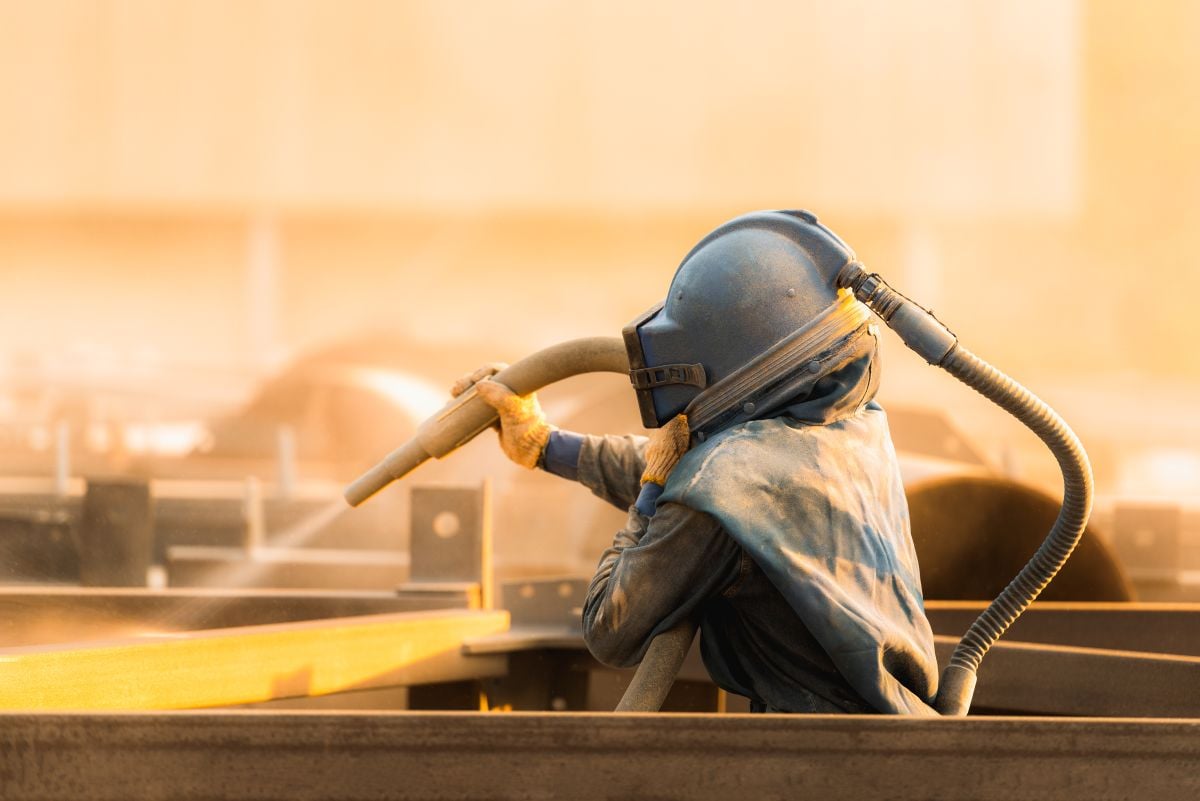
The operator sprays abrasive in controlled passes across the surface.
- Maintain consistent distance and angle
- Overlap strokes to ensure full coverage
- Monitor results in real time and adjust as needed
For larger surfaces, operators may divide the area into zones for systematic progress.
5. Clean-Up and Final Prep
After blasting, the surface is cleaned and checked for readiness.
- Residual grit is vacuumed or blown off
- Surface profile is measured if required
- Area is prepped for painting, sealing, or inspection
This last step is where blasting delivers real value—leaving a surface that’s truly ready for whatever comes next.
Surface Types and Abrasive Pairings
Choosing the right abrasive media helps avoid damage and ensures efficient results. Here’s a guide to common materials and compatible blasting options:
| Surface Type | Common Media | Notes |
| Brick/Masonry | Crushed glass, soda | Gentle media for cleaning without erosion |
| Steel | Garnet, aluminum oxide | Aggressive profile for coating adhesion |
| Concrete | Coal slag, steel grit | Removes paint or levels uneven texture |
| Wood | Walnut shells, soda | Avoid aggressive media to prevent gouging |
| Aluminum/Stainless | Plastic media, glass beads | Maintains smooth finish and reduces pitting |
Each abrasive is selected based on the hardness of the surface, desired finish, and cleanup requirements.
When to Use Sandblasting Over Other Methods
Sometimes people consider pressure washing, scraping, or chemical stripping instead of blasting. While those methods work in certain situations, blasting offers several key advantages.
When Sandblasting Is the Better Choice
- Large Surface Areas: Blasting is faster and more thorough for expansive walls, floors, or ceilings
- Old or Multiple Coatings: Abrasive media can remove thick paint or rust layers quickly
- Need for Profile Creation: Coatings like epoxy or polyurethane require a specific texture for adhesion
- Indoor/Confined Spaces: Wet blasting or vapor blasting reduces dust, making indoor use safer
If your building in Boston, MA and surrounding areas needs comprehensive surface prep before a full repaint or seal, sandblasting is often the most efficient and effective method.
Should You Hire a Professional Sandblasting Crew?
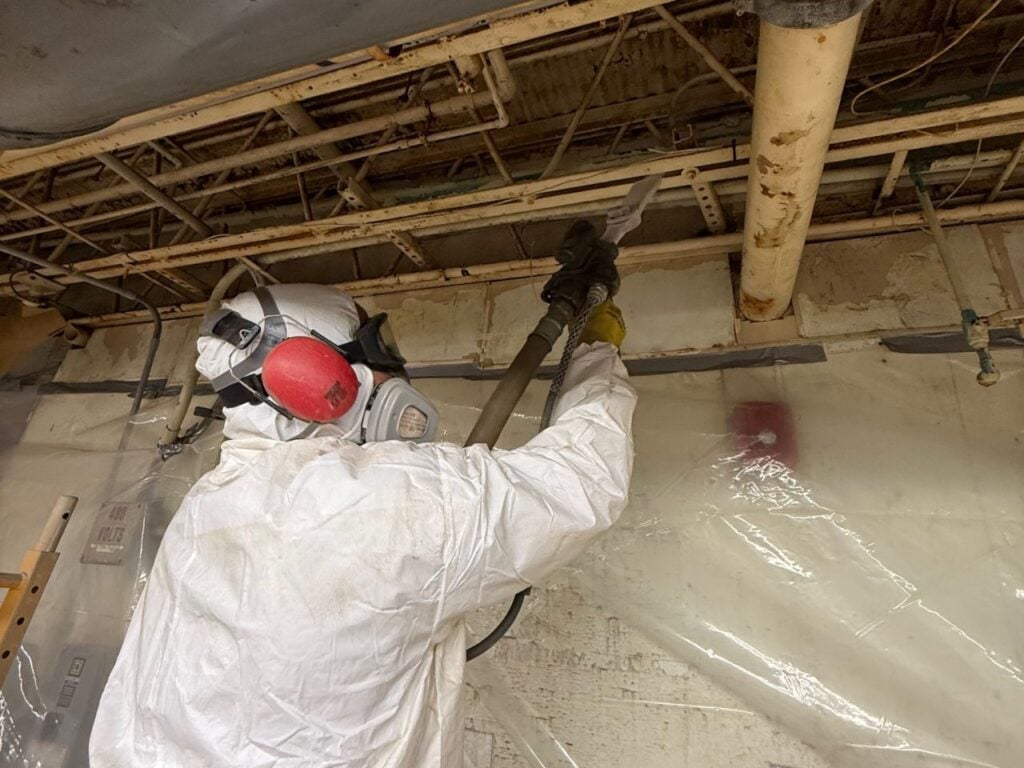
While small blasting jobs can be handled in-house, most commercial projects require trained professionals. Here’s when you should call in a contractor:
Key Reasons to Bring in a Pro
- Scale or Height of the Project: Multi-story buildings, tanks, or roofs need lift access and OSHA-compliant crews
- Need for Specialized Media: Not all contractors handle media like soda blasting or vapor blasting
- Hazardous Materials: Paints with lead or asbestos need certified containment and cleanup
- Environmental Regulations: Cities like Boston, MA and surrounding areas often have strict rules on emissions and waste disposal
- Prep for High-Performance Coatings: Manufacturers of protective coatings often require specific blast profiles for warranties
Experienced contractors like McLean Company can also coordinate with painters, inspectors, and other trades to minimize downtime and ensure continuity.
A Clean Start with Lasting Results
Sandblasting isn’t just about cleaning a surface—it’s about setting the foundation for everything that comes after. Whether you’re managing a commercial kitchen, restoring a historic façade, or maintaining heavy infrastructure in Boston, MA and surrounding areas, blasting offers unmatched speed, safety, and effectiveness.
If you’re planning a facility upgrade or repair project and want to make sure your surfaces are fully prepared, contact us today to learn how McLean Company can help. Our experienced team uses the latest abrasive technology to ensure your building is clean, compliant, and coating-ready—every time.