(978) 774-4330

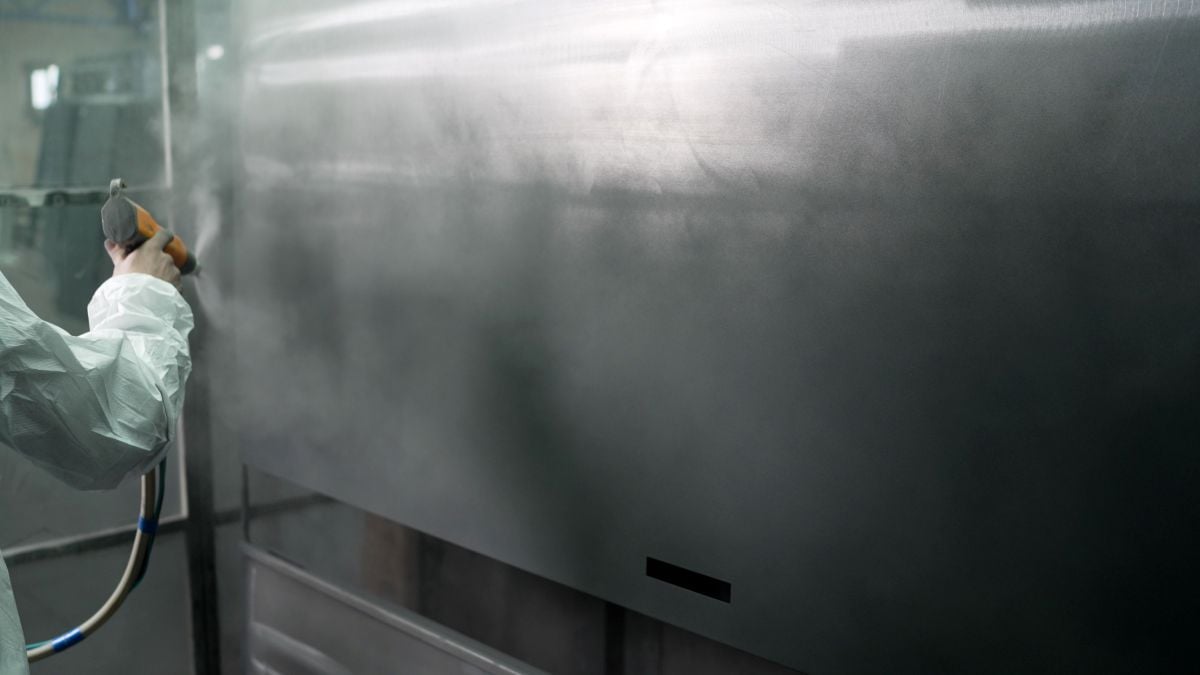
Metal surfaces exposed to high temperatures can fail faster without the right protection. Whether it’s ductwork, commercial ovens, or manufacturing equipment, using heat resistant paint for metal helps prevent degradation, rust, and unsafe conditions. In facilities throughout Waltham, MA and surrounding areas, high-heat coatings are often part of broader upgrades aimed at protecting infrastructure and improving energy efficiency. These coatings not only offer durability but can also be tied into other performance-focused improvements throughout a facility.
In this guide, you’ll learn:
- Why high-temperature paint matters in industrial settings
- Top product options for protecting metal surfaces
- How these paints are applied and what makes them effective
- Differences between high-heat paint types
- When it’s time to bring in a professional for lasting results
Why High-Temperature Protection Matters

When metal is routinely exposed to heat—especially above 200°F—standard paints and finishes begin to break down. Over time, this leads to corrosion, reduced performance, and even safety hazards. The right coating shields your investment and helps extend the life of your equipment and structures.
- Prevents Rust and Oxidation: Heat accelerates corrosion in unprotected metal. High-temp coatings prevent moisture and oxygen from reaching the surface.
- Improves Safety: Equipment failure due to paint flaking, blistering, or exposure can lead to hazardous conditions in kitchens and plants.
- Withstands Harsh Cleaning: Many heat-resistant paints are also chemical-resistant, making them ideal for environments that require frequent sanitation.
- Reduces Maintenance Costs: A high-performing coating means fewer repaints, shutdowns, or emergency repairs.
- Supports Code Compliance: Certain industries require thermal protection coatings to meet fire safety and building code standards.
6 Types of Heat Resistant Paint for Industrial Use
When selecting a high-heat coating, it’s important to understand temperature thresholds, surface material, and environmental factors. Here are six widely used products and systems in commercial and industrial settings.
1. Rust-Oleum High Heat Ultra
This silicone-based formula is often used for surfaces exposed to continuous heat up to 1200°F.
- Best for: Exhaust systems, engines, machinery
- Available in spray and brush-on forms
- Good resistance to peeling, cracking, and chipping
- Requires minimal prep and dries quickly
Ideal for maintenance work in busy kitchens or repair zones.
2. Sherwin-Williams Heat-Flex 7000
This industrial-grade epoxy phenolic coating offers both heat resistance and chemical durability, often used in refineries and processing plants.
- Heat tolerance: Up to 400°F continuous exposure
- Strong chemical resistance to acids and cleaning solutions
- Excellent adhesion to steel
- Suitable for tank exteriors, ducts, and heat-generating machinery
Perfect for use in high-demand environments like commercial food production or fabrication shops.
3. PPG Hi-Temp 1027
This single-component, ambient-cure coating is engineered for surfaces reaching up to 1000°F.
- Suitable for: Steel chimneys, furnace exteriors, smokestacks
- VOC compliant and easy to apply with standard equipment
- Designed to resist thermal cycling (heating and cooling without damage)
Commonly used in facilities near Waltham, MA and surrounding areas that face seasonal temperature swings.
4. Benjamin Moore Corotech V450 Heat Resistant Coating
Formulated for high-temp commercial environments, this coating resists temperatures up to 500°F and adheres well to most metal surfaces.
- Low-VOC, easy to clean
- Available in semi-gloss for reflective finishes
- Good for indoor kitchens, bakery ovens, and mechanical systems
Offers a clean appearance while providing thermal protection.
5. Zinsser BBQ & Stove Paint
Although originally designed for residential grills and stoves, this paint is sometimes used in light-duty commercial applications.
- Heat resistance: Up to 1200°F
- Spray-on for tight or vertical spaces
- Can be used on cast iron, steel, or aluminum
More suitable for small repairs or supplementary maintenance.
6. Tnemec Series 394 PerimePrime
This high-performance primer is used as part of a full system for protecting steel in extreme conditions.
- Heat resistance: Up to 1000°F when used with a compatible topcoat
- Outstanding adhesion and corrosion resistance
- Often used on steam lines and boiler exteriors
It’s part of a professional-grade approach used in complex environments.
How Heat Resistant Paint Works
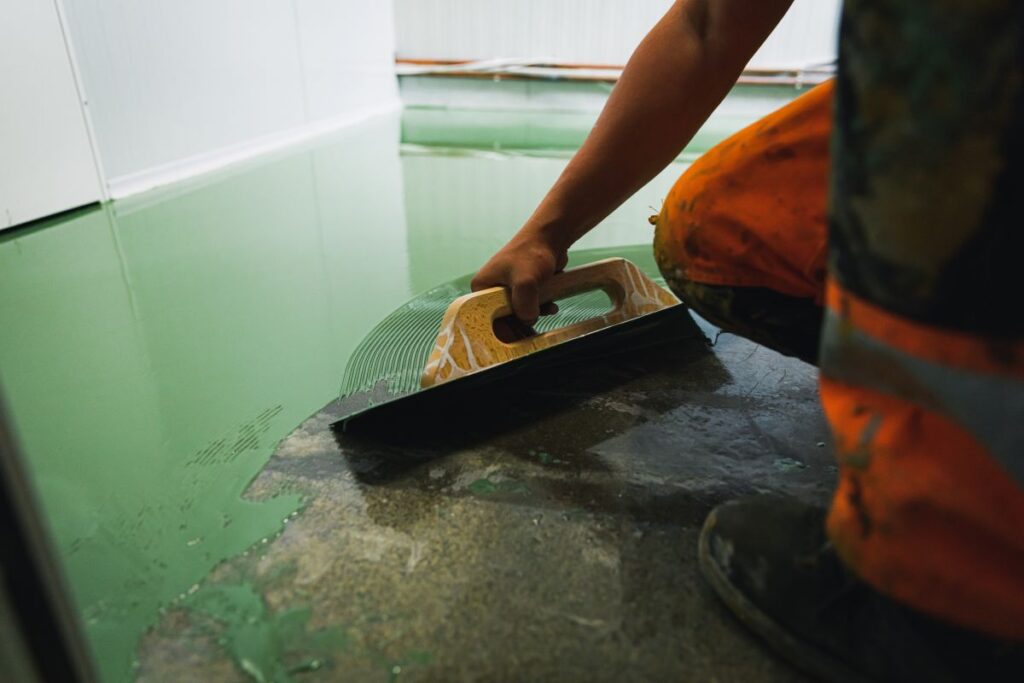
These coatings aren’t like standard latex or enamel paints. Their chemical composition is built to resist thermal breakdown and maintain adhesion even under direct or radiant heat.
Key Components
- Silicone Resin: Forms a flexible film that resists cracking when metal expands with heat
- Aluminum Pigments: Reflect radiant heat and offer added surface protection
- Ceramic or Inorganic Fillers: Enhance heat tolerance and create a thermal barrier
- Epoxy Binders: Improve adhesion and allow the coating to stick to oily or unprimed surfaces
Application Temperatures
- Most coatings must be applied above 50°F
- Some products require a curing cycle—either air-dry or heat-cure
- Full heat resistance typically develops after the first exposure to high temperatures
In facilities around Waltham, MA and surrounding areas, proper application and curing can make the difference between a short-lived coating and one that performs for years.
Application Process & Best Practices
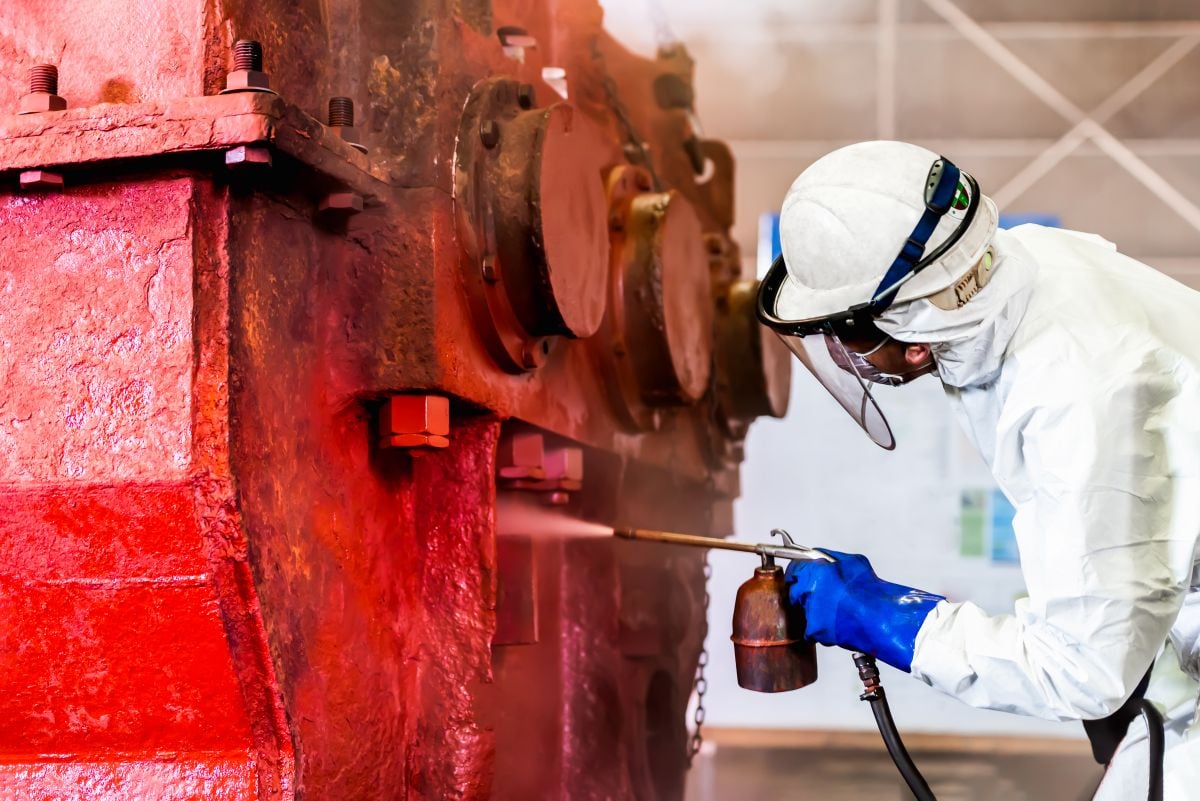
Applying heat-resistant paint isn’t difficult, but it does require attention to detail and proper planning—especially in high-traffic or critical areas.
Surface Preparation
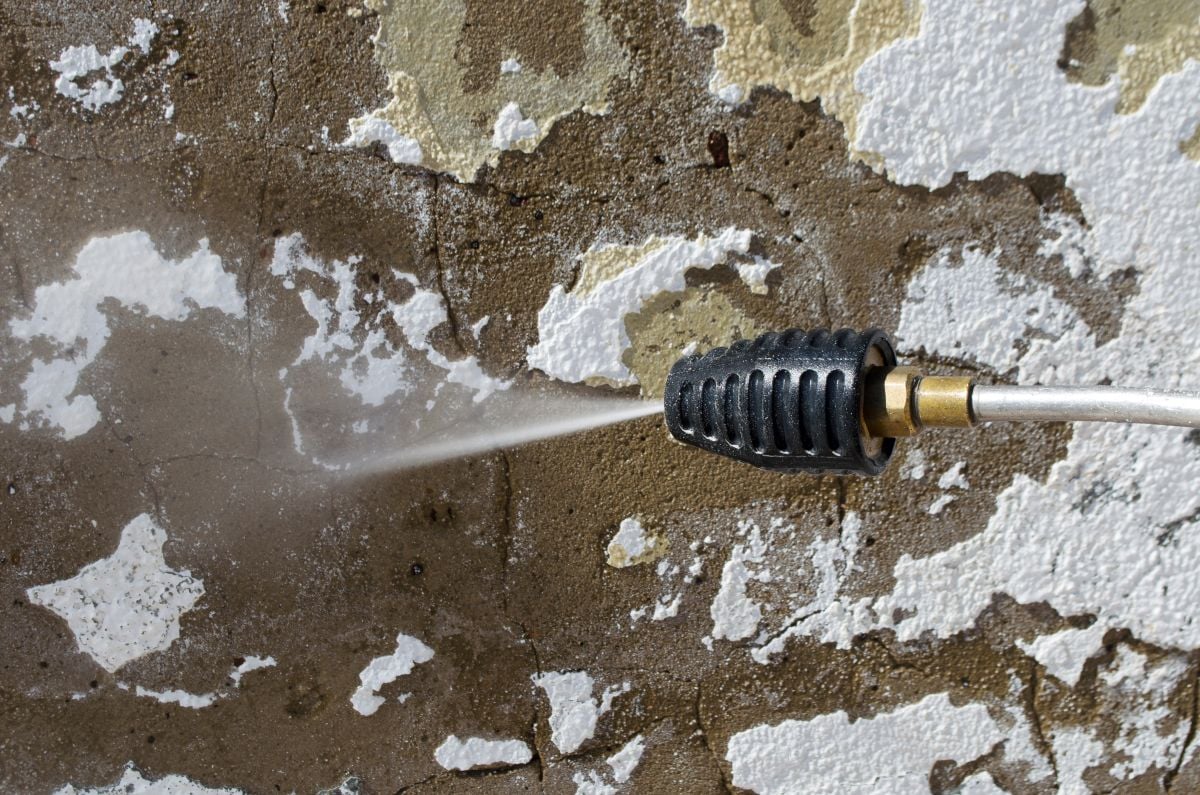
- Remove all grease, dirt, and previous coatings
- Sandblasting or wire brushing may be required for corroded surfaces
- Use a metal primer if the selected product requires it
Tools & Techniques
- Use a brush, roller, or airless spray depending on the area size
- Apply thin, even coats to avoid sagging or bubbling
- Observe recoat and cure times carefully
Curing Methods
- Some paints require gradual heating to reach full hardness
- Others rely on ambient air curing over 24 to 48 hours
- Avoid exposing freshly painted surfaces to high heat until curing is complete
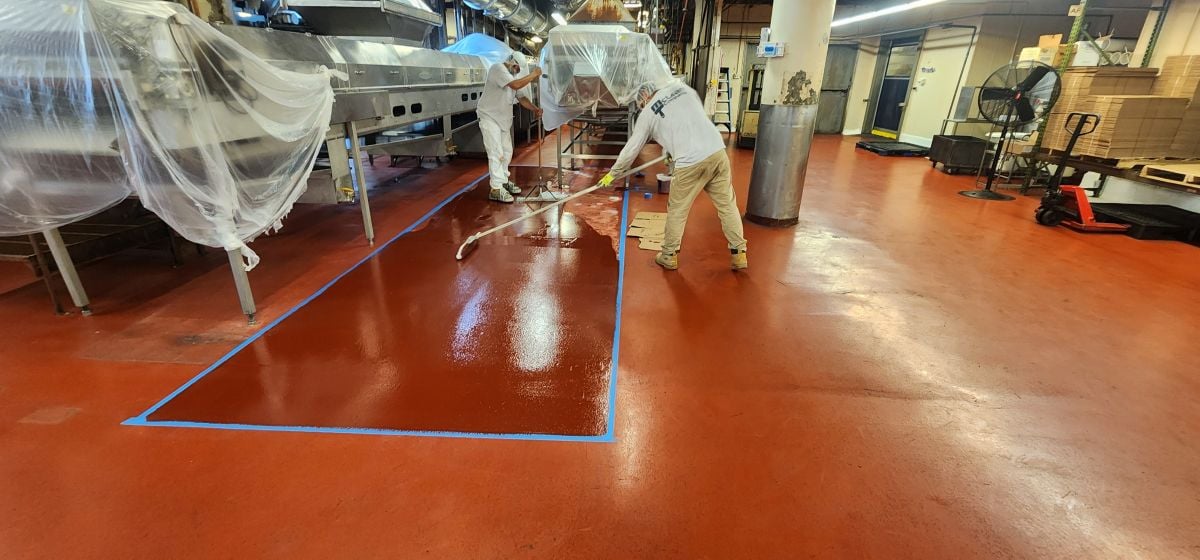
If you’re coating equipment that’s in active use, consider working in shifts or during scheduled downtime to minimize disruption.
Comparing Paints by Temperature, Use Case, and Durability
Use the table below to compare some of the most common options based on key selection factors:
| Product | Max Temp | Best For | Finish | Pros |
| Rust-Oleum High Heat Ultra | 1200°F | Grills, ovens, exhausts | Satin | Easy to apply, affordable |
| Heat-Flex 7000 | 400°F | Ductwork, tanks | Gloss | Chemical-resistant, commercial grade |
| PPG Hi-Temp 1027 | 1000°F | Chimneys, furnaces | Flat | Withstands thermal cycling |
| Corotech V450 | 500°F | Kitchens, bakery ovens | Semi-gloss | Easy to clean, low odor |
| Zinsser Stove Paint | 1200°F | Small repairs | Flat | Spray-on, fast drying |
| Tnemec 394 | 1000°F+ | Steam lines, boilers | Primer | High adhesion, topcoat-ready |
Each facility has unique needs, so selecting the best product means considering more than just the temperature rating.
When to Hire a Professional for Heat-Resistant Coating
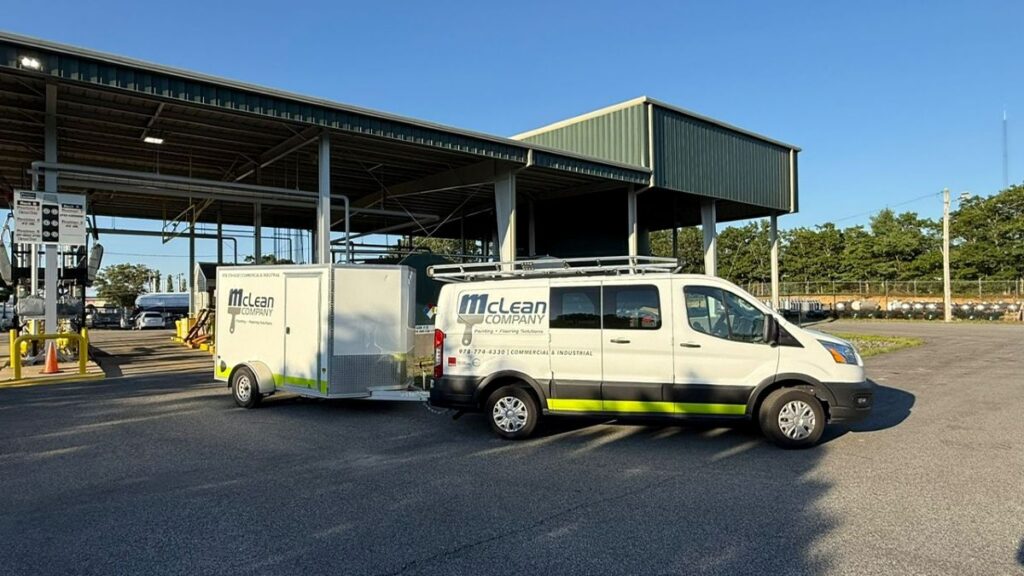
While small jobs like oven touch-ups can be DIY, most industrial applications require professional assessment and application. Here’s when to call in the pros:
- Large surface areas: Ducting, tanks, or piping systems need consistent coverage and proper tools
- Critical equipment: Any component that could affect operations or safety should be handled professionally
- Multiple coating layers: Some systems require primers, intermediates, and topcoats with strict timing
- Tight timelines: Pros can schedule around plant operations to reduce downtime
In Waltham, MA and surrounding areas, McLean Company brings experience with both interior and exterior metal protection in high-heat zones, helping clients meet code and minimize risk.
Keep Industrial Surfaces Protected and Compliant
Heat-resistant paint is more than a cosmetic solution—it’s a functional layer that protects equipment, enhances safety, and extends the life of your infrastructure. From commercial kitchens to fabrication plants in Waltham, MA and surrounding areas, the right coating strategy helps you manage risk and stay operational.
If you need help choosing or applying a high-temperature solution that meets your facility’s needs, contact us today to schedule a consultation. McLean Company can help assess your space, recommend the right products, and deliver long-lasting results tailored to your environment.