(978) 774-4330

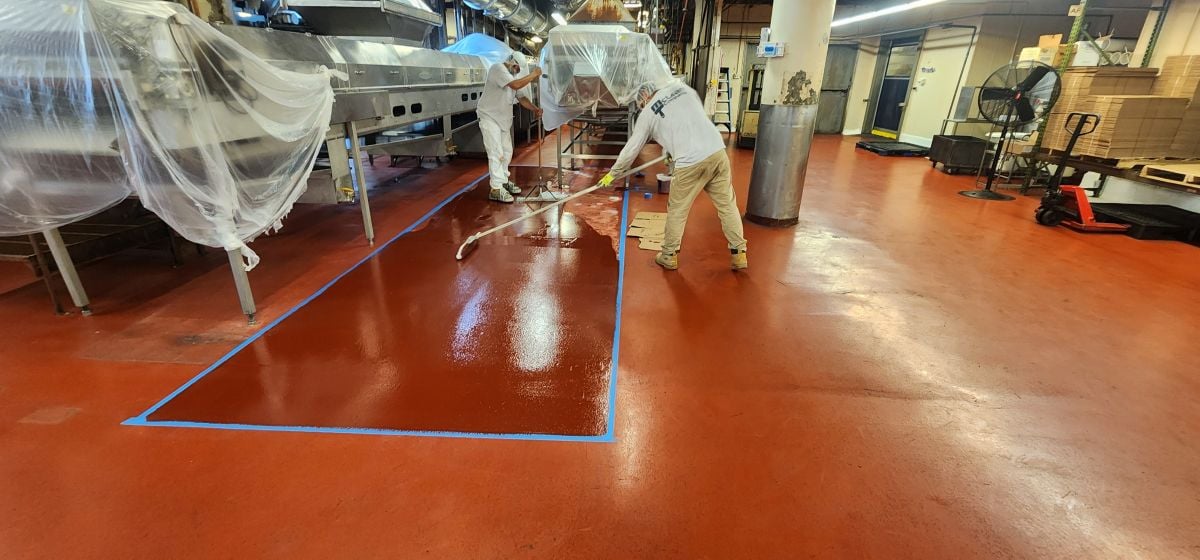
Clean, safe surfaces are a non-negotiable in any food-handling environment—especially in facilities like commercial kitchens, food processing plants, or beverage manufacturing lines. Choosing the right food grade paint ensures your walls, ceilings, and equipment meet health and safety standards while standing up to high humidity, frequent cleaning, and harsh chemicals. Whether you’re building from scratch or refreshing existing infrastructure in Nashua, NH and surrounding areas, the right coating helps ensure long-term performance and regulatory compliance. If you’re planning a broader renovation or safety update, this can also be a perfect time to upgrade other surfaces with professional solutions.
In this guide, you’ll learn:
- What makes a paint “food grade” and why it matters
- Key features to look for in a hygienic coating
- Top product options and their ideal uses
- Compliance and safety factors to keep in mind
- When to consider hiring professionals for the job
Why Food-Safe Coatings Matter
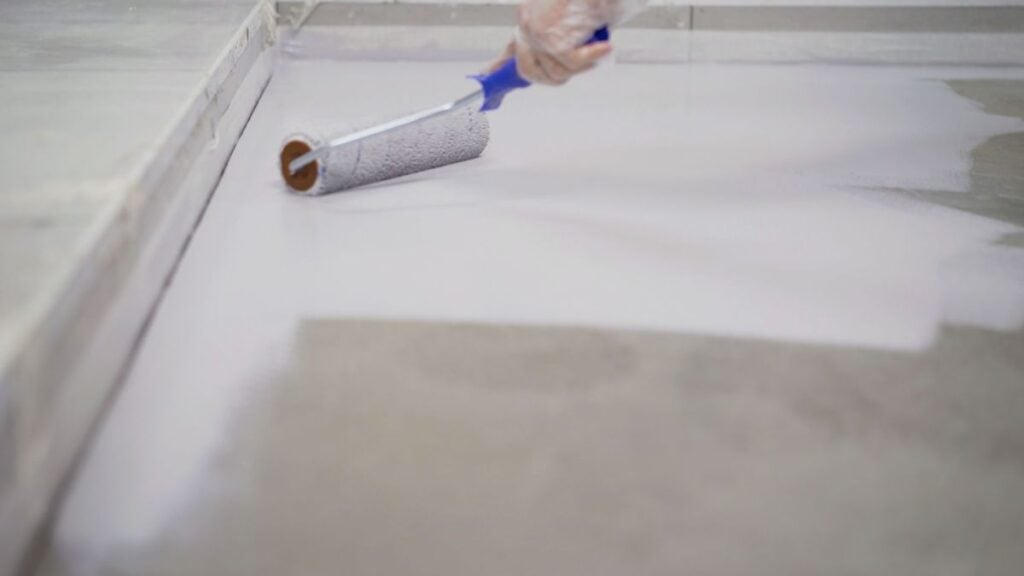
Paint in a food processing or preparation environment isn’t just about looks—it’s about safety, durability, and health code compliance. Facilities in Nashua, NH and surrounding areas must consider how coatings hold up under heavy cleaning, condensation, and even incidental food contact.
- Health Code Compliance: Food-safe paints meet FDA and USDA regulations for indirect food contact, helping facilities pass inspections and avoid shutdowns.
- Moisture Resistance: Kitchens and prep areas create high humidity levels, requiring coatings that resist mold, mildew, and bubbling.
- Chemical Durability: Cleaners, sanitizers, and degreasers can break down standard paint. Food-grade options resist harsh substances.
- Easy-to-Clean Surfaces: Smooth, non-porous finishes prevent bacterial buildup and simplify daily sanitation.
- Long-Term Savings: Reducing the need for repainting means fewer interruptions to operations and less maintenance.
5 Food Grade Paint Options to Consider
Choosing the best coating depends on the space, surface, temperature range, and cleaning protocols. Here are five leading food-grade coatings used across industrial kitchens and similar facilities.
1. Sherwin-Williams Pro Industrial™ Pre-Catalyzed Epoxy
This is a go-to for commercial kitchens and food prep areas that need a highly durable and washable surface.
- Excellent chemical and abrasion resistance
- Low-VOC formula with a smooth, sanitary finish
- Can be used on drywall, block, or metal
- Available in multiple gloss levels for light reflection needs
Ideal for facilities with daily washdowns and demanding hygiene protocols.
2. PPG Pitt-Glaze WB1
This water-based acrylic epoxy is known for its excellent resistance to moisture, staining, and frequent cleaning.
- Specifically approved for use in USDA-inspected facilities
- Easy to apply and recoat with minimal downtime
- Dries to a hard, scrubbable finish
- Often used in meat processing or bottling facilities
Great for food storage areas, walls behind prep lines, and ceilings.
3. Rust-Oleum 5300 System Food & Beverage Epoxy
This high-performance epoxy system is tailored for areas where indirect food contact occurs.
- High-build, chemical-resistant formulation
- Strong adhesion to concrete, metal, and masonry
- Resists detergents, acids, and steam cleaning
- USDA-compliant and quick curing
Perfect for floors, wall bases, and equipment pads that require maximum protection.
4. Benjamin Moore Corotech® V440 Clean
Designed for harsh environments, this two-part waterborne epoxy offers hospital-grade performance and meets food facility standards.
- Zero-VOC once cured
- Excellent resistance to humidity and microbial growth
- Smooth, easy-to-clean finish
- Available in gloss or semi-gloss options
Recommended for commercial bakeries, dairies, and breweries.
5. Tnemec Series 20 Pota-Pox
This industrial-grade coating is designed for environments with constant exposure to moisture and temperature swings.
- Heavy-duty protection in wet processing zones
- Certified for incidental food contact
- Can be applied to concrete tanks and food vats
- Cures to a thick, abrasion-resistant film
Often seen in food manufacturing plants or cold storage facilities with heavy use.
What Makes a Paint “Food Grade”?
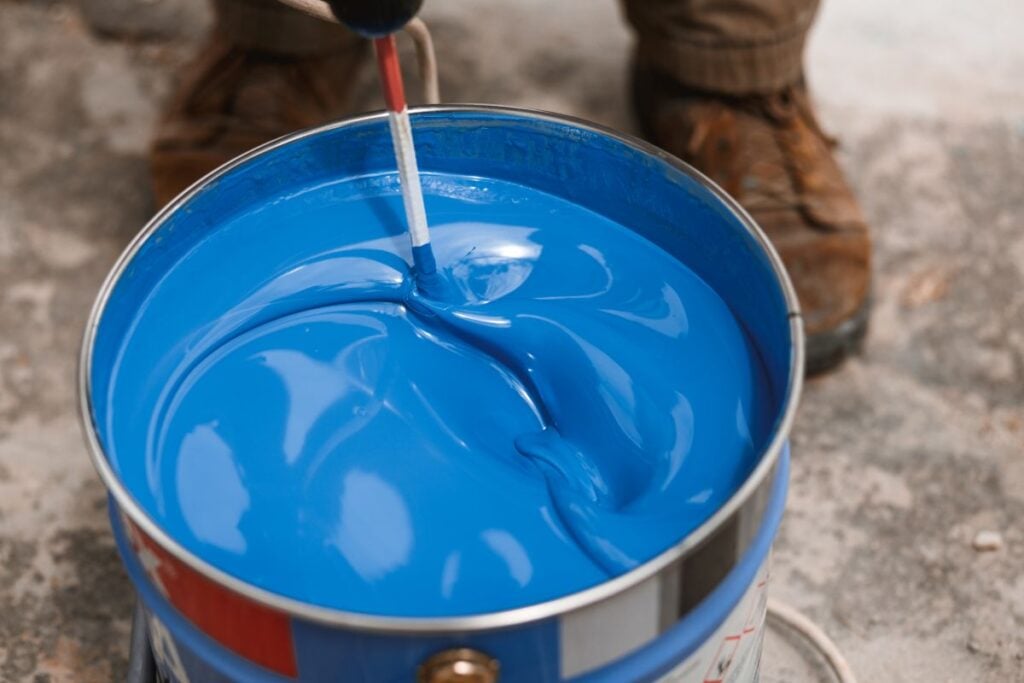
Not all durable paints qualify as food-safe. Coatings must meet specific guidelines depending on their use—especially in regulated industries.
Certifications to Look For
- FDA 21 CFR 175.300: This regulation outlines conditions under which coatings can come into contact with food.
- USDA-Approved: While the USDA no longer “approves” coatings, many paints are “acceptable for use” in USDA-inspected plants.
- NSF/ANSI 51 or 61: Relevant for paints on food equipment or water-contact surfaces.
Performance Requirements
- Non-Toxic When Cured: Paint must be inert after drying, with no risk of leaching harmful substances.
- No Flaking or Chipping: Paint must hold up under thermal shock, impact, and heavy scrubbing without degrading.
- Smooth Surface Finish: Bumpy or textured finishes can harbor bacteria and fail health inspections.
- Moisture and Mold Resistance: Food environments must remain sanitary, even when cleaning daily with high-pressure systems.
Common Food-Related Environments That Require Paint Upgrades
Each type of food-handling facility presents its own challenges. Selecting the right coating depends on how the space is used and what exposure conditions it faces.
Commercial Kitchens
- Need moisture resistance and easy cleaning
- Must withstand high temperatures and steam
- Frequently use semi-gloss or gloss epoxy for walls and ceilings
Food Processing Plants
- Require chemical and abrasion resistance
- Must comply with federal and local food safety codes
- Often use high-build, solvent-free epoxy coatings for production zones
Cold Storage Rooms
- Face constant humidity and temperature swings
- Need coatings that resist condensation, freezing, and expansion
- Use moisture-tolerant primers and topcoats with elastomeric properties
Breweries and Wineries
- Must balance aesthetics and hygiene
- Often seek low-VOC or LEED-compliant options
- Require mold-resistant coatings in fermentation and bottling rooms
Grocery and Retail Food Areas
- Require food-safe finishes behind coolers or prep counters
- Need products that maintain color and gloss over time
- Use scrubbable wall coatings with attractive finishes
Application Tips for Food Grade Paints
Even the best product won’t perform well if it’s applied incorrectly. Follow best practices—or work with experienced pros in Nashua, NH and surrounding areas—to ensure the coating lasts.
- Surface Prep Is Crucial: Clean and degrease all surfaces thoroughly. Use acid etching or abrasive blasting if needed.
- Proper Ventilation: Some epoxy systems require strong airflow during application and curing.
- Observe Cure Times: Many food-safe coatings require several hours—or even days—to fully cure before use.
- Temperature & Humidity Control: Avoid painting in extreme conditions unless the product is rated for it.
- Multiple Coats: High-performance coatings often need at least two coats, sometimes with a primer underneath.
If this sounds like a lot to manage, you’re not alone. That’s why many facility managers rely on trusted painting partners for complex projects.
Professional Help vs DIY Coatings
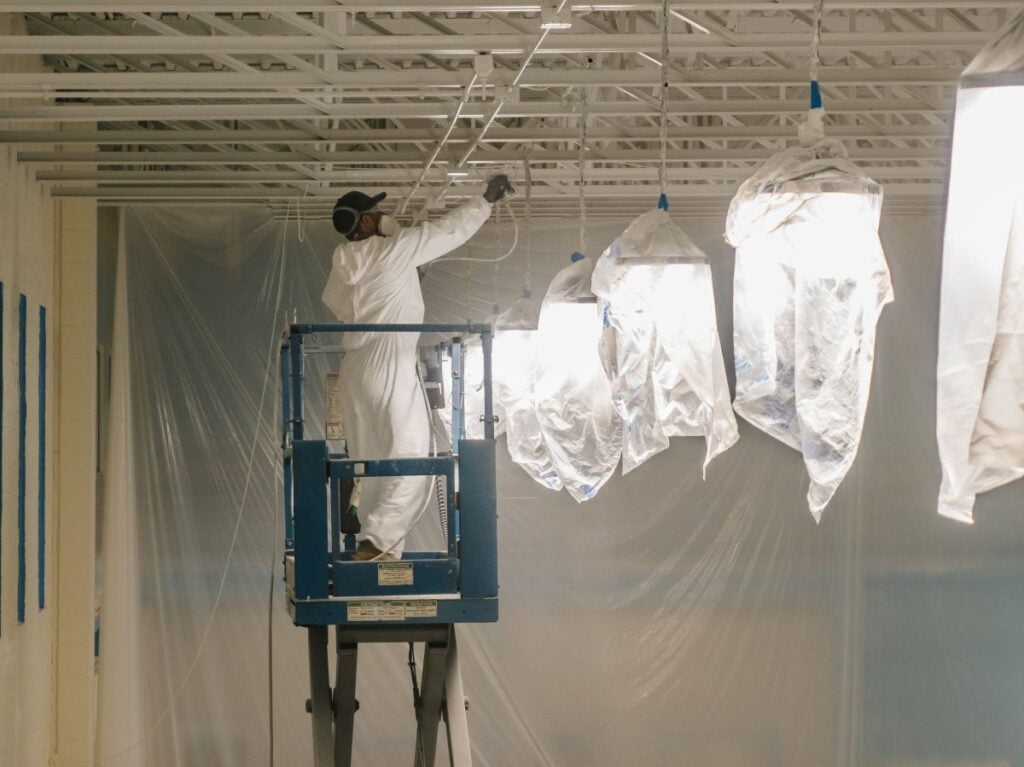
Deciding whether to apply food-grade paint yourself or bring in a professional depends on the project scope, space type, and your comfort level with commercial coatings.
| Task Type | DIY-Friendly? | Why or Why Not |
| Small storage room or pantry | Yes | Minimal prep, accessible surface, low hazard |
| Ceiling in a commercial kitchen | No | Requires scaffolding, high heat, condensation |
| Processing plant wall repaint | No | Complex equipment, regulations, surface prep |
| Walk-in cooler upgrade | Possibly | Depends on temp control and ventilation |
| Full-scale kitchen overhaul | No | Must coordinate with shutdowns, cure times |
Professionals like McLean Company understand what products are approved for specific zones, how to handle safety precautions, and how to coordinate work with minimal disruption to operations.
Food Grade Paint and Long-Term Maintenance
Once installed, food-safe coatings require periodic maintenance to stay effective and compliant. In Nashua, NH and surrounding areas, this means accounting for winter conditions, HVAC fluctuations, and local cleaning protocols.
- Regular Inspections: Check for peeling, cracking, or mold growth around corners or seams.
- Spot Repairs: Address chips or impact damage quickly to avoid bacterial buildup.
- Reapplication Schedule: Some coatings may require reapplication every 3–5 years depending on use.
- Cleaning Protocols: Use approved cleaners that won’t degrade the finish over time.
Pairing food-safe paint with a proper maintenance plan helps extend its life and avoids compliance issues later.
Ready for a Food-Safe Upgrade?
Choosing the best food grade paint protects your products, your employees, and your reputation. From prep kitchens to bottling plants in Nashua, NH and surrounding areas, facility managers and business owners need coatings that can stand up to heat, humidity, and heavy use—without compromising safety.
If you’re ready to upgrade your space, contact us today to schedule a consultation. McLean Company provides expert guidance, product selection, and seamless installation for all your food-safe coating needs.