(978) 774-4330


Rust can be a frustrating and damaging problem, especially when it affects essential metal surfaces in storage facilities and warehouses. Knowing how to get rid of rust on metal is crucial to maintaining the integrity and longevity of your equipment and infrastructure. Rust not only spoils the appearance but also weakens metal, leading to costly repairs or replacements down the line. For those looking to extend the life of their metal assets, understanding effective rust removal and prevention techniques is key. For comprehensive solutions on protecting your materials, exploring rust prevention strategies can be highly beneficial.
- Discover why rust removal is important for your warehouse and storage facility operations.
- Learn 4 essential steps to remove rust from metal surfaces effectively.
- Explore additional remedies to maintain metal after rust removal.
- Understand preventative measures to avoid future rust buildup.
- Find out when it’s best to seek professional assistance for rust issues.
Why Addressing Rust on Metal Matters for Facilities
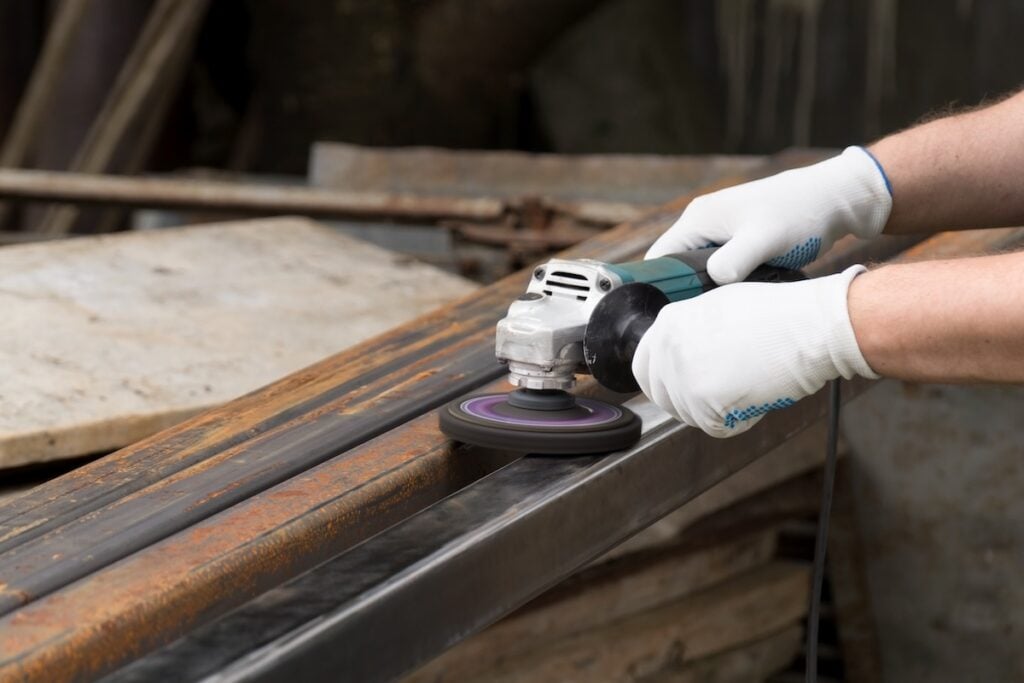
Rust poses a serious threat to the safety and functionality of metal components in storage environments. It is more than an aesthetic concern; ignoring rust can lead to structural failure and increased operational costs. Proper rust management benefits your facility in several ways:
- Durability Enhancement: Rust removal restores metal parts, extending their useful life and reducing replacement expenses.
- Safety Improvement: Removing corrosion ensures that shelves, racks, and machinery operate securely without unexpected breakdowns.
- Maintained Integrity: Clean metal surfaces retain strength, preventing weakened supports that could jeopardize stored items.
- Cost Efficiency: Timely rust treatment reduces long-term maintenance and potential downtime impacts.
- Professional Appearance: Rust-free facilities contribute to a well-maintained and credible business environment.
This guide on how to clean a warehouse floor explains best practices for maintaining cleaner environments that reduce rust-causing conditions in storage facilities and industrial spaces.
4 Effective Steps on How to Get Rid of Rust on Metal
Removing rust properly requires a structured approach that tackles the corrosion without damaging the metal underneath. Below is a four-step guide to effectively eliminate rust from metal surfaces typically found in storage settings.
1. Prepare the Work Area and Gather Materials
Before starting any rust removal, ensure a safe and organized workspace. Wear protective gloves and eyewear to prevent injury from rust particles or cleaning agents. Gather necessary supplies such as wire brushes, sandpaper, rust remover solutions, clean cloths, and metal primers.
- Clear area of obstructions for easy access to rusted sections.
- Ventilate the space well if using chemical rust removers.
2. Manually Remove Loose Rust and Debris
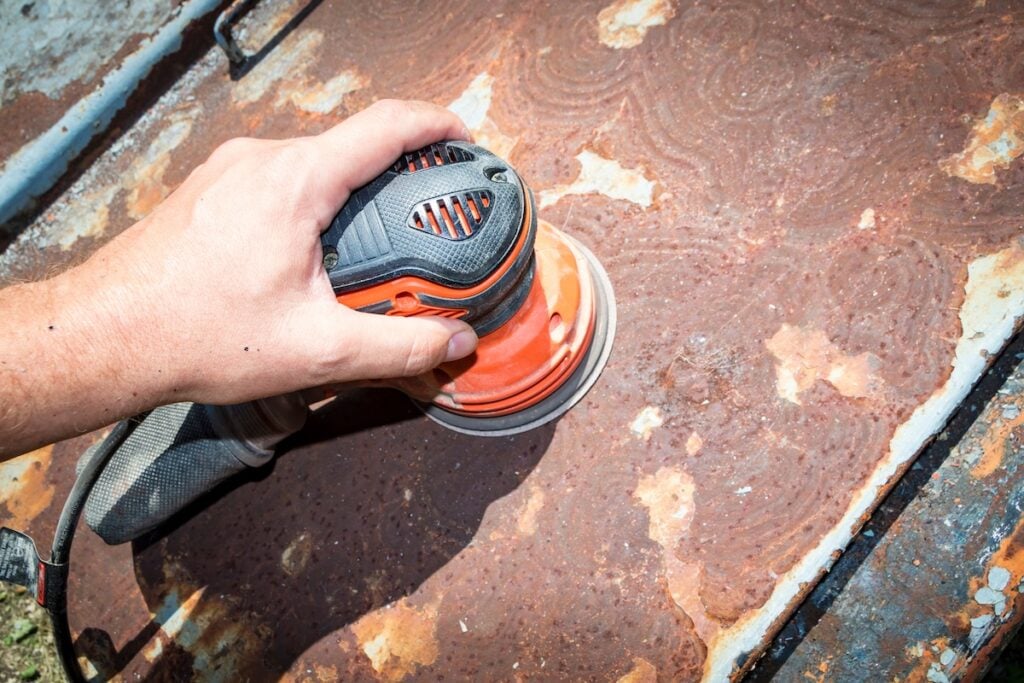
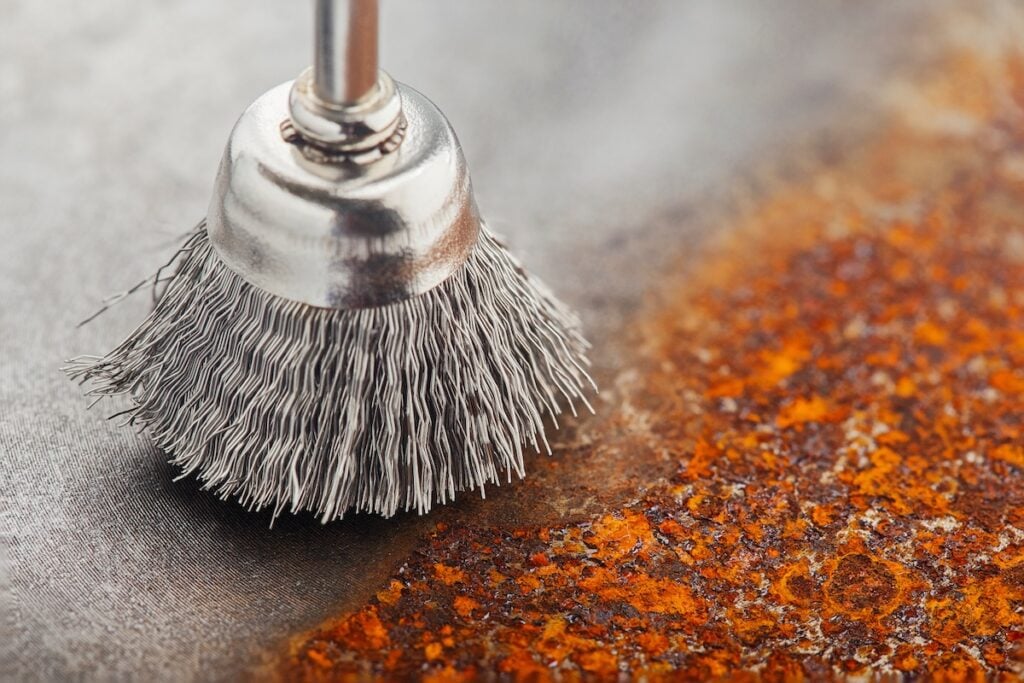
Start by brushing off loose rust particles with a stiff wire brush or steel wool. This step removes surface debris and allows you to see the extent of corrosion clearly. For smooth finishes, sanding the metal with an abrasive paper can further clean the area.
- Apply firm pressure and work in circular or back-and-forth motions.
- Choose sandpaper grit depending on rust thickness—coarser for heavy rust, finer for light rust spots.
3. Apply a Rust Removal Solution
After mechanical cleaning, treat any remaining rust with a specialized rust remover or converter product. These solutions chemically dissolve or neutralize rust to halt progression. Always follow the manufacturer’s instructions for application and drying times.
- Use a brush or spray bottle for even application.
- Rinse the area thoroughly after treatment to avoid residue build-up.
4. Protect and Finish the Metal Surface
Once rust is eliminated, it is essential to protect the metal from future corrosion. Apply a primer designed for metal and follow with a rust-resistant paint or sealant. This layer acts as a barrier against moisture and environmental exposure. Facilities that handle harsh substances can benefit from solutions like acid-resistant flooring, which helps create a more durable and corrosion-resistant workspace.
- Choose primers suitable for the specific metal type and environment.
- Consider additional coatings for high-humidity or industrial settings.
Additional Tips to Maintain Metal After Rust Removal
Even after rust removal, ongoing maintenance is vital to keep surfaces rust-free. Employ these practices to enhance the longevity of your metal assets in storage facilities and warehouses. Facility managers looking for industrial-grade surface solutions can explore professional epoxy flooring services in Hartford, CT to help minimize moisture exposure and protect metal infrastructure.
- Regular Inspections: Schedule periodic checks to catch early rust formation before it worsens.
- Cleaning Routines: Remove dust, dirt, and moisture from metal surfaces frequently to reduce corrosion triggers.
- Apply Protective Coatings: Renew paint or sealant layers as needed, especially on exposed metal.
- Control Humidity: Use dehumidifiers or adequate ventilation systems to lower moisture levels in storage areas.
When to Consider Professional Services to Remove Rust
In some cases, the extent of rust damage may require expert intervention. Professionals bring specialized equipment and expertise to restore metal parts safely and efficiently. Consider professional help if:
- Rust covers large surface areas or critical structural components.
- You notice signs of metal weakening or structural instability.
- Natural or DIY methods have not completely removed the rust.
- You need durable, long-term protection solutions tailored for industrial facilities.
Businesses can rely on expert epoxy flooring services in Nashua, NH to enhance durability and reduce corrosion risks in high-traffic warehouse settings.
The Benefits of Hiring Specialists
Professional service providers offer advanced rust removal techniques such as sandblasting, electrolysis, or industrial rust converters. They can also provide customized rust prevention plans aligned with your storage facility’s needs and local environmental factors.
Keeping Your Metal Assets Rust-Free for the Long Term
Managing rust effectively is essential to safeguarding metal equipment and infrastructure in warehouses and storage facilities. Taking the necessary steps to remove rust promptly, maintain treated surfaces, and adopt preventative measures pays off with improved durability and reduced costs. If you are ready to enhance the condition of your metal assets or want tailored advice, contact us today at McLean Company for expert support with rust removal and protection solutions.
Facility owners can explore professional polished concrete flooring services in Braintree, MA to create cleaner, more resilient spaces that support rust-free metal assets.