(978) 774-4330


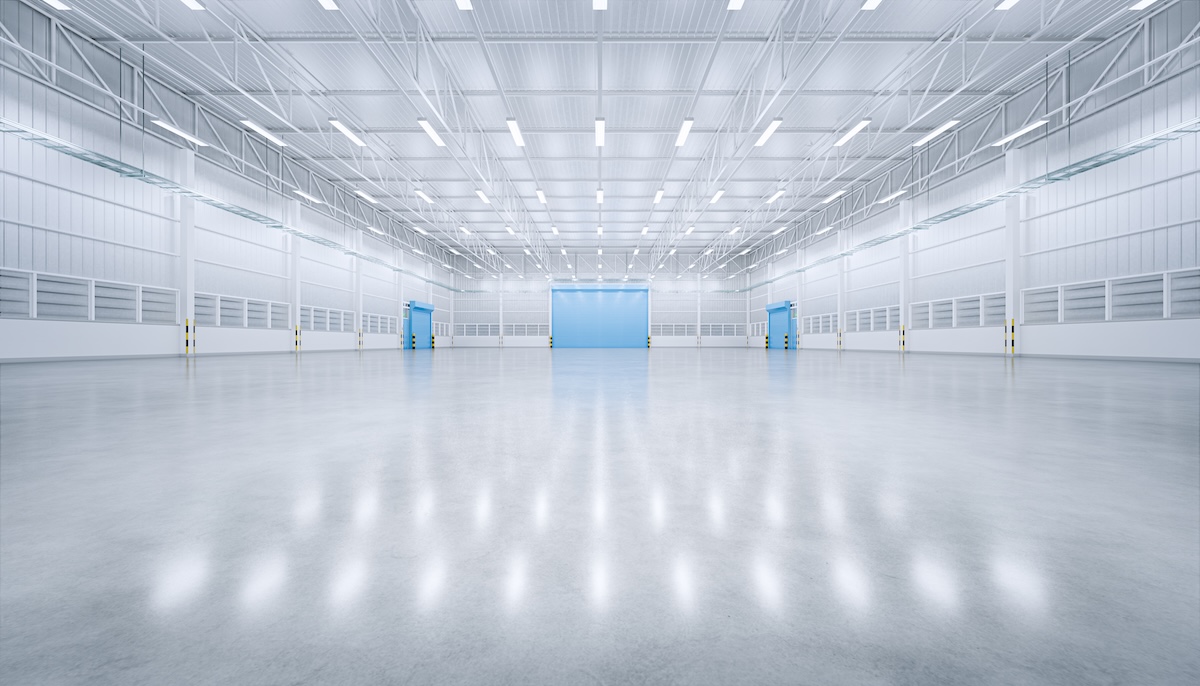
Concrete floors have become increasingly popular in modern commercial and residential spaces for their durability, sleek appearance, and low maintenance. Knowing how to polish concrete floors is essential for anyone looking to enhance the natural beauty and longevity of their flooring. A well-polished concrete floor can transform the look of any area, making it more attractive while also resisting stains and wear. For those managing office, retail, or industrial spaces, understanding this process can save money and ensure the floor remains in top condition. If you are interested in exploring professional solutions, consider exploring commercial flooring services that specialize in polished concrete.
- Learn why polishing concrete floors is a valuable investment.
- Discover the step-by-step process to polish concrete floors effectively.
- Understand the key tools and materials required for the job.
- Explore tips for maintaining your polished concrete floor long-term.
- Identify common challenges and how to avoid them during the process.
Why Polishing Concrete Floors Matters
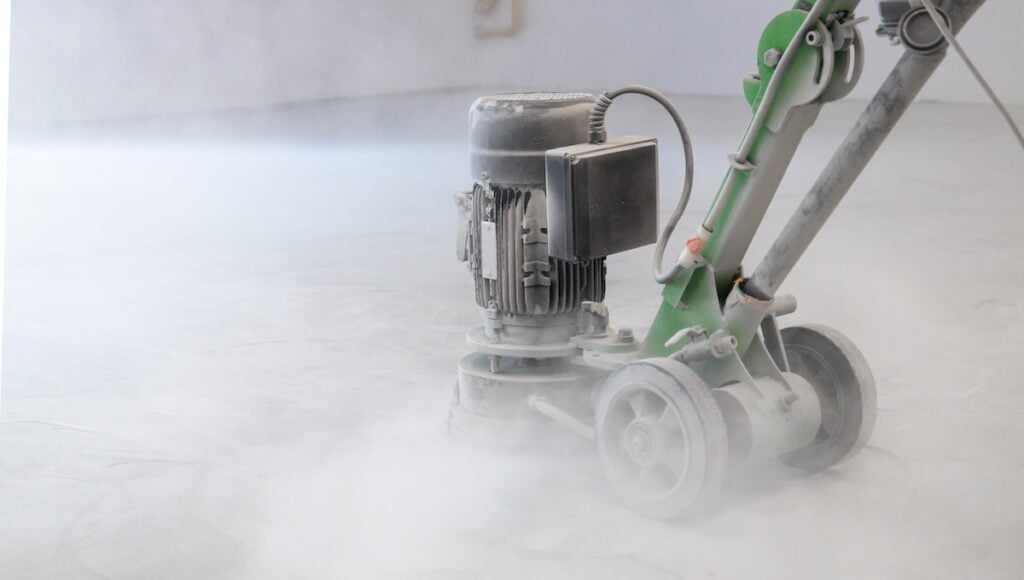
Concrete floors are often perceived as dull or industrial, but polishing them radically changes their aesthetic and functional properties. Polished concrete floors are no longer just practical; they have become a signature feature in many commercial interiors and homes. Understanding their importance can help you appreciate why investing time or resources in polishing is worthwhile.
- Durability: Polished concrete floors resist high foot traffic and accidental impacts, ensuring long-lasting performance.
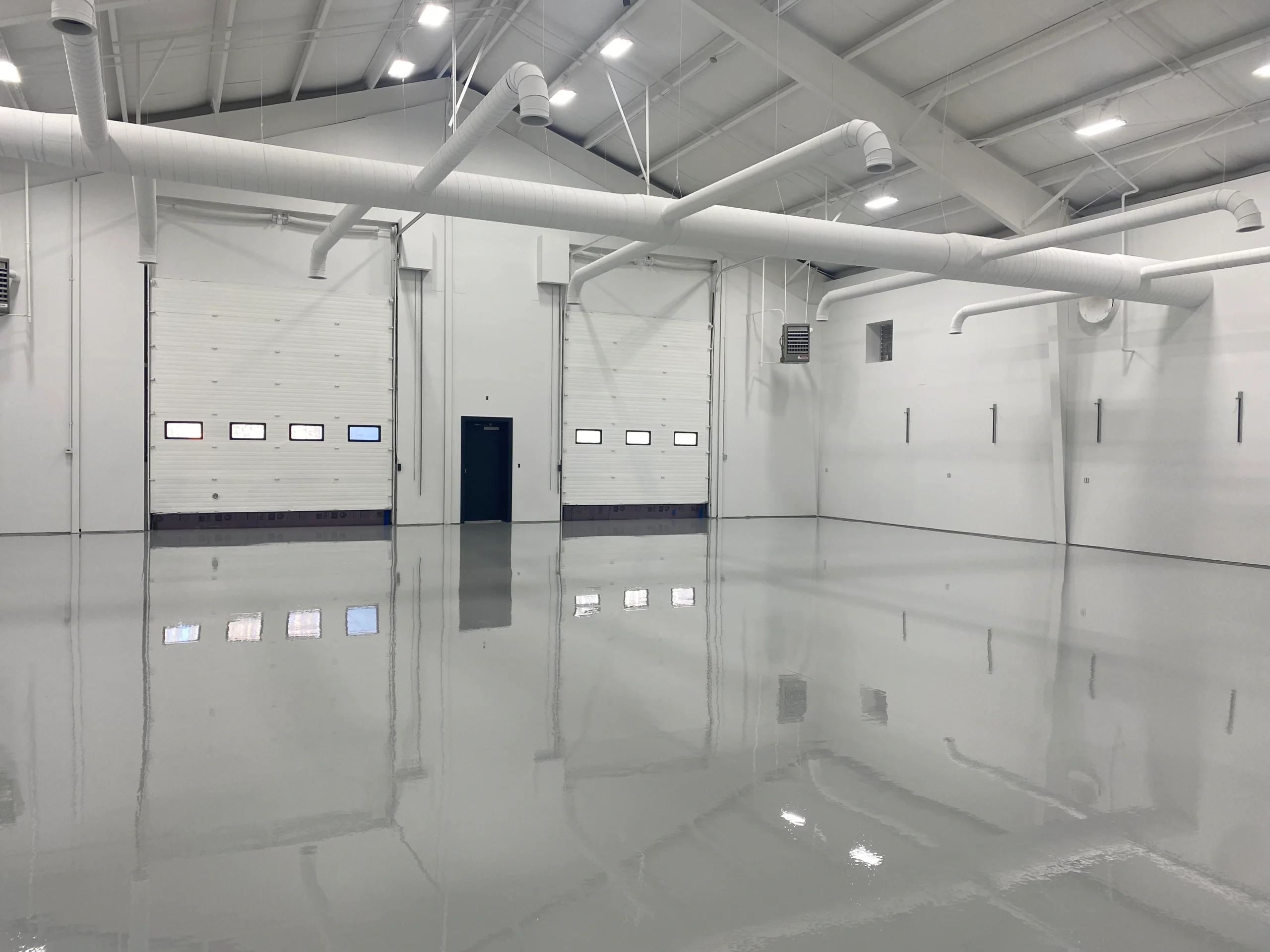
- Enhanced Appearance: Polishing reveals a glossy, refined surface that complements modern design trends.
- Low Maintenance: These floors are easy to clean and do not require waxing or other treatments unlike other flooring types.
- Improved Safety: Certain polishing techniques can increase surface traction and reduce slip hazards.
- Cost-Effectiveness: Polished concrete extends floor life and reduces the need for replacement or repair over time.
Here is your 7-step version, rewritten in a concise, professional, New England–direct tone, with no extra spacing between sections and aligned with McLean’s expertise in polished concrete. This in-depth guide on polished concrete floors explores why this flooring option is a smart investment for businesses looking to balance aesthetics with longevity.
7-Step Guide: How to Polish Concrete Floors
Polishing concrete is a precise, multi-stage process that strengthens the slab, improves safety, and delivers a clean, long-lasting finish. Below is a clear step-by-step breakdown used across commercial and industrial environments. This breakdown of concrete floor finishes explains how polishing compares to other finishing methods and when each option makes the most sense.
1. Surface Preparation
Remove all debris, coatings, adhesives, and contaminants.
- Clear the work area
- Degrease and scrub stubborn spots
- Rinse thoroughly and allow the slab to dry
A clean surface ensures proper grinding and adhesion.
2. Initial Grinding
Open the concrete and level imperfections.
- Begin with a coarse 30–40 grit metal bond
- Work in overlapping passes
- Target high spots, scratches, and uneven areas
This stage establishes the base for a uniform polish.
3. Intermediate Grinding
Refine the surface before polishing.
- Move to 80-grit metal bond
- Smooth the surface and remove coarse scratch patterns
- Maintain consistent pressure and passes
This step prepares the slab for densification and high-gloss work.
4. Crack & Joint Repair
Ensure a uniform final finish by fixing defects early.
- Fill cracks, holes, and joints with epoxy or patching compound
- Allow full cure time
- Lightly re-grind repaired areas for a seamless profile
5. Densification
Strengthen the concrete and enhance clarity.
- Apply a concrete densifier to harden the slab
- Allow proper penetration and cure
- Improves durability and increases reflectivity
Densification is essential for long-term performance in industrial settings.
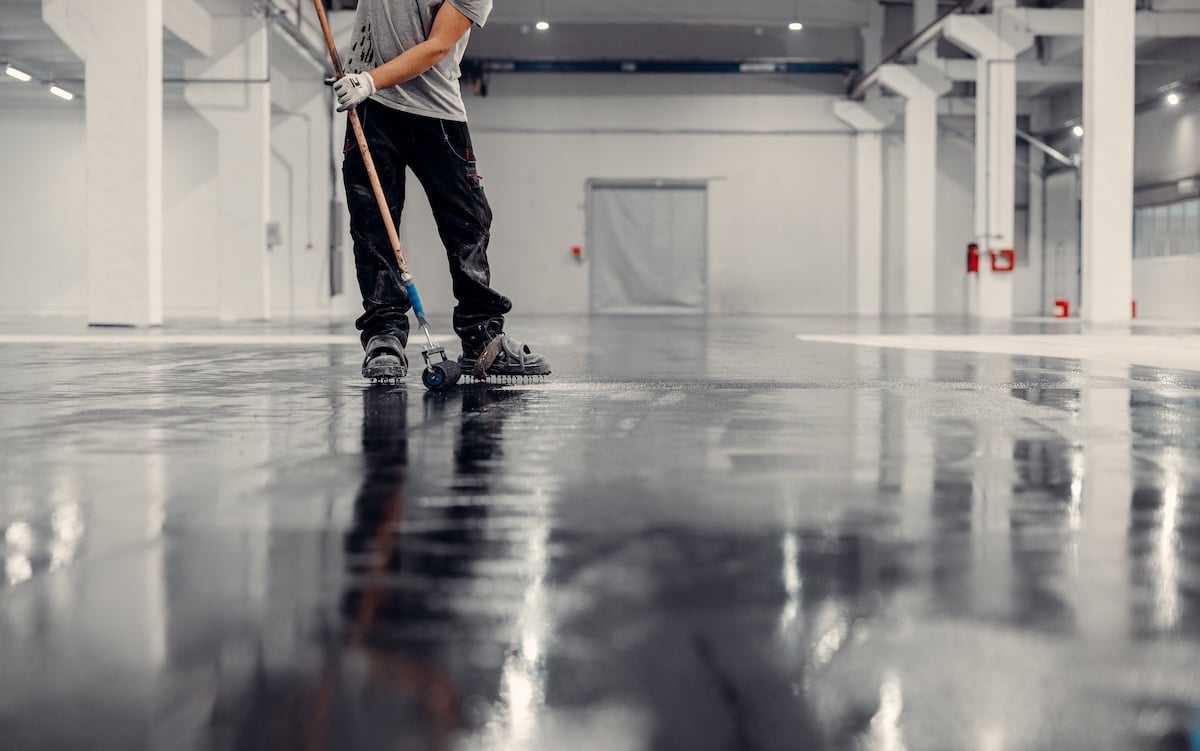
6. Polishing Passes
Build shine through progressively finer grits.
- Start with 150–200 grit
- Move through 400, 800, and higher depending on gloss level
- Maintain consistent coverage across all sections
This step determines the final look—from satin to high-gloss.
7. Sealing & Final Protection
Lock in the finish and protect against traffic and spills.
- Choose penetrating or topical sealer based on environment
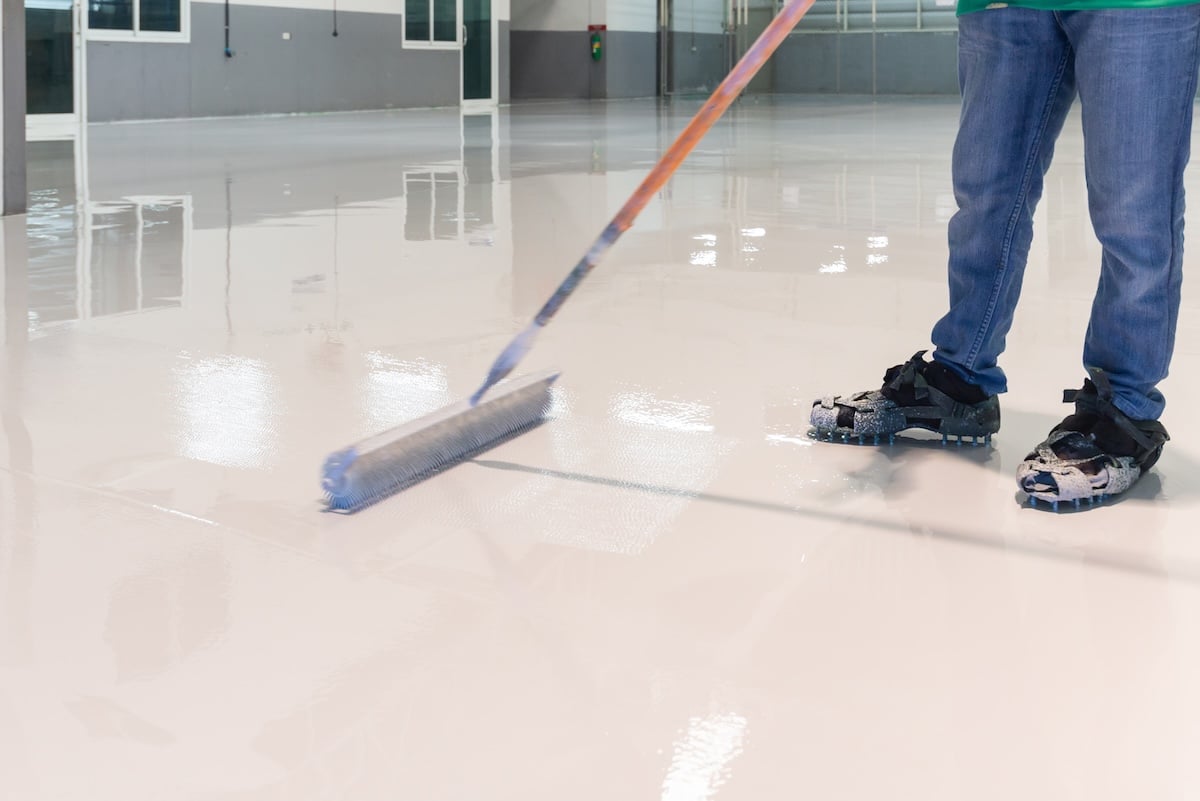
- Apply evenly using a sprayer or microfiber pad
- Allow full cure before returning the area to service
A proper seal extends lifespan and simplifies maintenance.
Essential Tools and Materials for Polishing Concrete
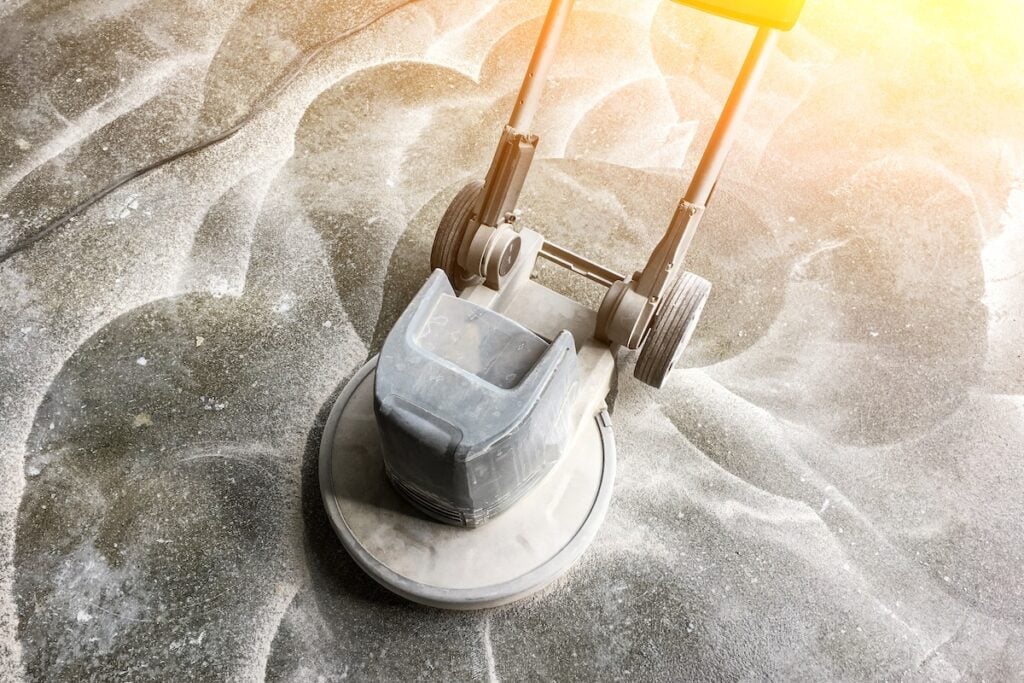
Having the right tools and materials simplifies the concrete polishing process and ensures quality results. Whether tackling a small space or a large commercial area, certain equipment is indispensable.
- Floor Grinder: The core tool for grinding and polishing concrete.
- Diamond Abrasive Pads: Come in various grit sizes for different stages of polishing.
- Densifier: A chemical hardener that helps achieve a durable and glossy finish.
- Concrete Sealer: Protects the polished surface from damage and staining.
- Cleaning Supplies: Degreasers, scrub brushes, and vacuum systems for effective preparation.
- Safety Gear: Gloves, goggles, and masks to protect yourself from dust and debris.
For many commercial spaces needing expert application or consultation, exploring those offering specialized commercial flooring services can be a smart move. Businesses looking for professional support can rely on experienced polished concrete flooring services in Nashua, NH to ensure proper surface preparation, densification, and finishing tailored to high-traffic environments.
Maintenance Tips for Long-Lasting Polished Concrete Floors
Once completed, polished concrete floors require proper care to retain their shine and durability. Regular maintenance not only preserves aesthetics but also helps avoid costly repairs or premature replacement. Property owners can turn to trusted polished concrete flooring services in Framingham, MA for expert guidance on maintaining polished concrete in commercial and industrial facilities.
Routine Cleaning
- Dry Dust Mopping: Helps to remove grit and dirt that can scratch the surface.
- Wet Mopping: Use pH-neutral cleaners designed for polished concrete.
Periodic Re-Sealing
- Reapply Sealer: Depending on wear, re-sealing may be needed every 2-3 years.
- Spot Treatment: Address spills and stains immediately to prevent permanent damage.
Preventive Measures
- Use Entry Mats: Traps dirt at entrances reducing abrasion.
- Furniture Pads: Protect floors from scratches caused by moving furniture.
Comparing Polished Concrete to Other Flooring Options
Choosing the right flooring for commercial or residential applications requires understanding the advantages and disadvantages of each.
| Feature | Polished Concrete | Wood Flooring | Carpet |
| Durability | Extremely durable and resistant to heavy foot traffic | Moderate, can scratch and dent easily | Less durable, prone to stains and wear |
| Maintenance | Low; requires simple cleaning and re-sealing | Moderate; needs refinishing over time | High; frequent vacuuming and stain removal needed |
| Cost | Cost-effective over time due to long life span | Higher upfront costs and maintenance | Lower initial cost but higher upkeep expenses |
| Aesthetic | Modern, sleek, and customizable gloss levels | Warm, natural, classic appeal | Soft, comfortable, and versatile patterns |
Polished concrete’s unique combination of durability and aesthetics makes it an excellent choice for commercial spaces in locations like McLean and the surrounding areas, where resilience and style are both valued.
Final Thoughts on How to Polish Concrete Floors
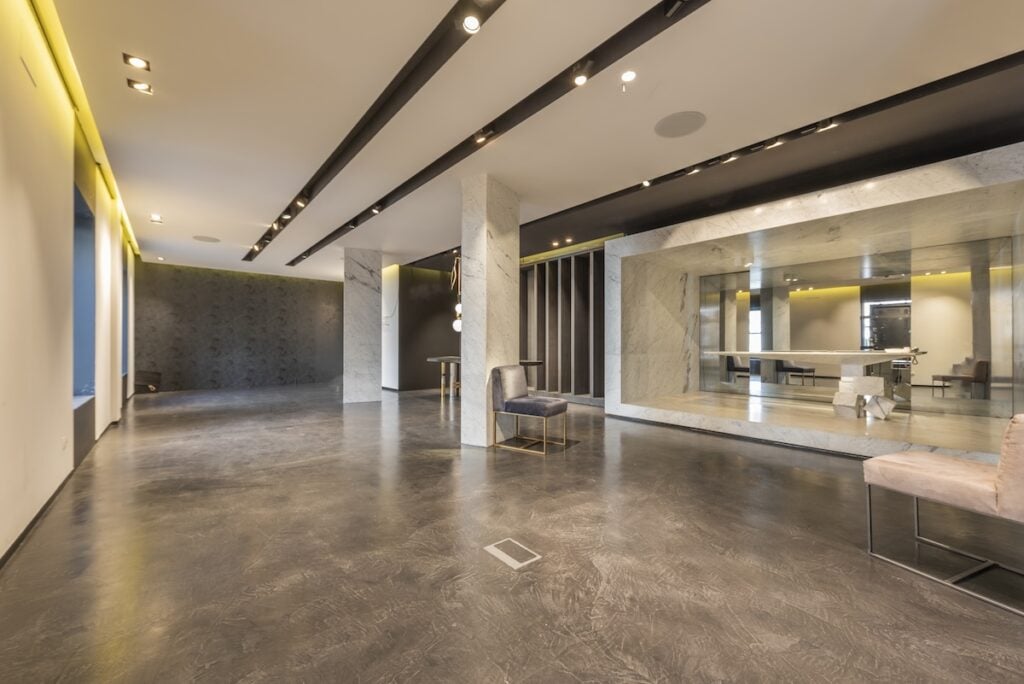
Understanding how to polish concrete floors empowers property owners and facility managers to enhance their spaces intelligently. The process, though detailed, offers numerous benefits that can elevate the appearance, functionality, and value of your flooring. Whether starting a DIY project or seeking professional assistance, remember that quality preparation and proper techniques are key to achieving a lasting shine.
Interested in transforming your floors? Contact us today at McLean Company to discuss how expert commercial flooring solutions can help deliver impeccably polished concrete surfaces tailored to your needs. Businesses seeking reliable solutions can partner with polished concrete flooring services in Braintree, MA to deliver durable, high-quality concrete floors tailored to their operational needs.